Date: 2026-08-07
In laboratory environments, a faucet is far more than a simple water supply fixture. It plays an important role in maintaining operational efficiency, safety, and long-term reliability during laboratory procedures. Compared with faucets used in general applications, laboratory faucets are exposed to more demanding conditions, including frequent contact with chemicals, repeated operation cycles, and diverse water flow requirements for different experimental tasks. Therefore, material selection, structural design, and durability are critical factors. However, in real-world applications, some laboratory faucets may experience problems such as corrosion, leakage, or unstable operation after a period of use. These issues not only increase maintenance costs but may also affect the reliability of the laboratory environment. So, why do laboratory faucets fail prematurely, and what key factors should buyers consider when selecting them?
One of the most common problems in laboratory environments is corrosion. Many traditional laboratory faucets use brass as the main construction material. Brass offers good machinability and has been widely used in plumbing products for many years. However, in specialized environments such as laboratories, brass is not always the ideal choice.
During experiments, users may work with various chemical substances, including acidic solutions, alkaline materials, and other corrosive chemicals. Long-term exposure to these environments can gradually affect certain materials, causing surface corrosion, reduced structural performance, and ultimately shortening the overall service life of the faucet.
In addition, for research laboratories, biological laboratories, and testing facilities, the stability of water supply components is particularly important. The reliability of the materials directly affects the long-term consistency and safety of the laboratory environment.
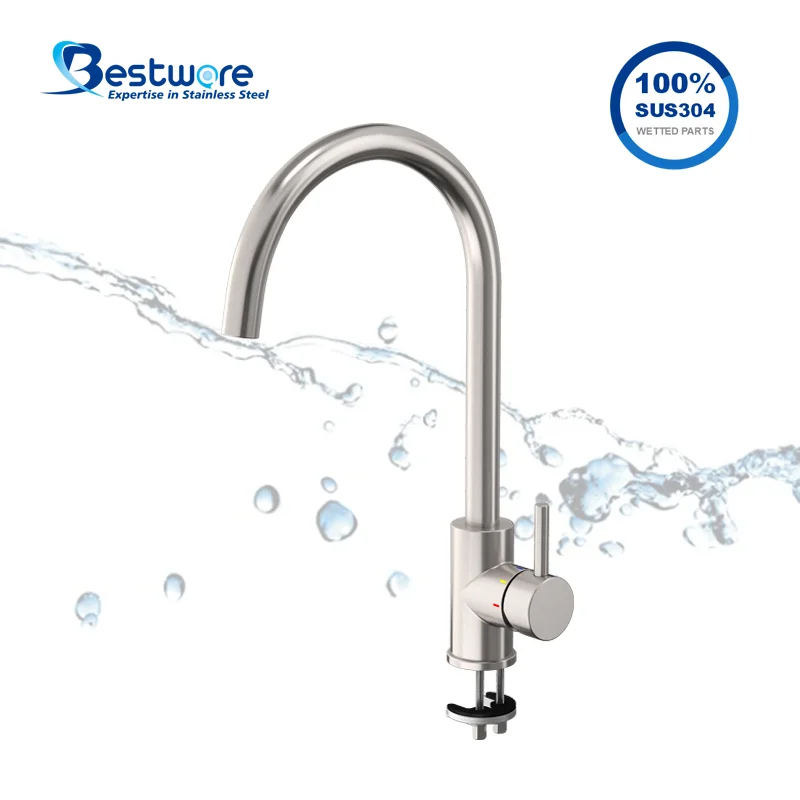
Compared with traditional brass construction, 304 stainless steel provides superior corrosion resistance and long-term stability. Laboratory faucets made from high-hardness, lead-free 304 stainless steel can effectively reduce corrosion risks while meeting laboratory requirements for durability, safety, and reliable performance.

Laboratory faucets typically undergo a large number of repeated operations. In school laboratories, students may operate faucets multiple times during daily experiments. In research facilities, scientists and technicians frequently turn water supplies on and off. In industrial testing environments, faucets may even be exposed to continuous, high-frequency usage.
If the internal valve structure lacks durability, long-term operation may result in:
· Reduced operating smoothness
· Unstable water flow control
· Internal component wear
· Decreased sealing performance
· Leakage issues
Among these problems, leakage not only wastes water resources but may also affect surrounding laboratory equipment and the overall working environment. Therefore, valve design is one of the key factors determining the service life of a laboratory faucet.
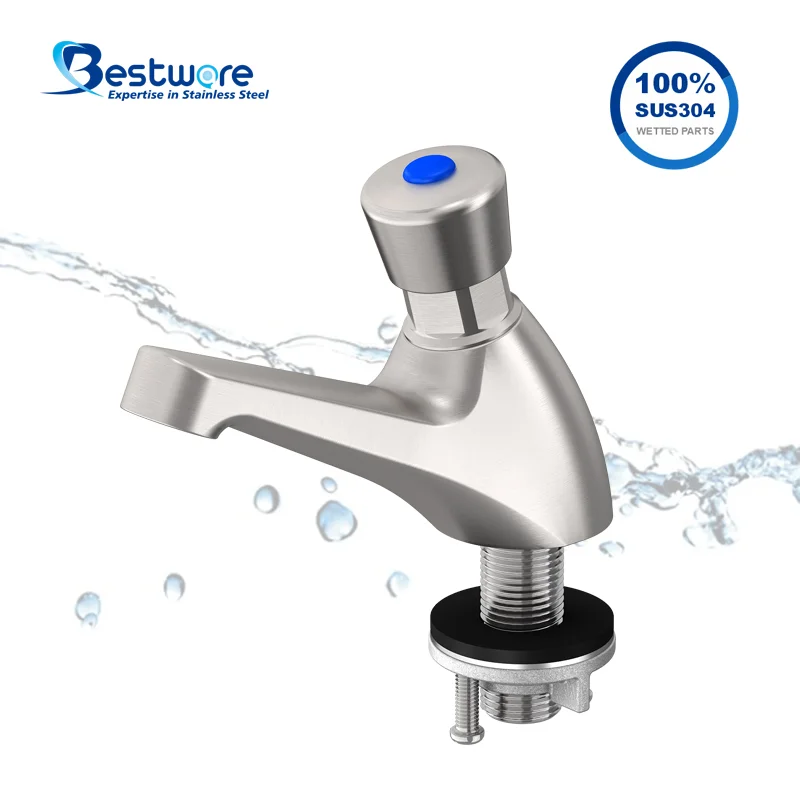
High-quality laboratory faucets typically utilize durable and stable valve structures. For example, Bestware laboratory faucets are equipped with a proprietary stainless steel slow-opening valve core. Through optimized internal design, the valve core helps reduce sudden water pressure impact and improves long-term operational stability. Tested for up to 200,000 opening and closing cycles, it is designed to meet the demands of laboratories requiring reliable performance under frequent use.
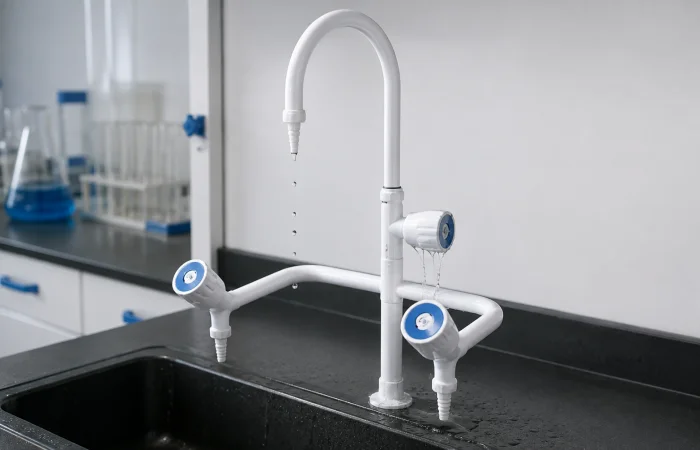
Laboratories are often shared working environments, especially in schools, research institutions, and public laboratory facilities, where multiple users may operate the same equipment on a regular basis.
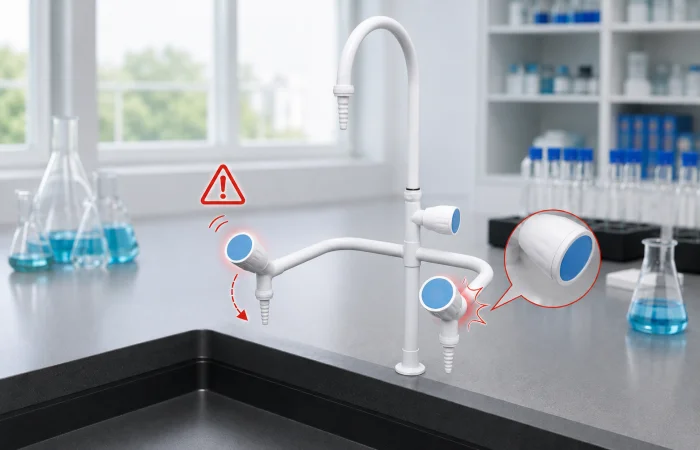
Conventional handle designs may present several issues during long-term use, such as:
· Being easily affected by accidental impact during operation
· Becoming loose after extended use
· Creating risks of unauthorized disassembly
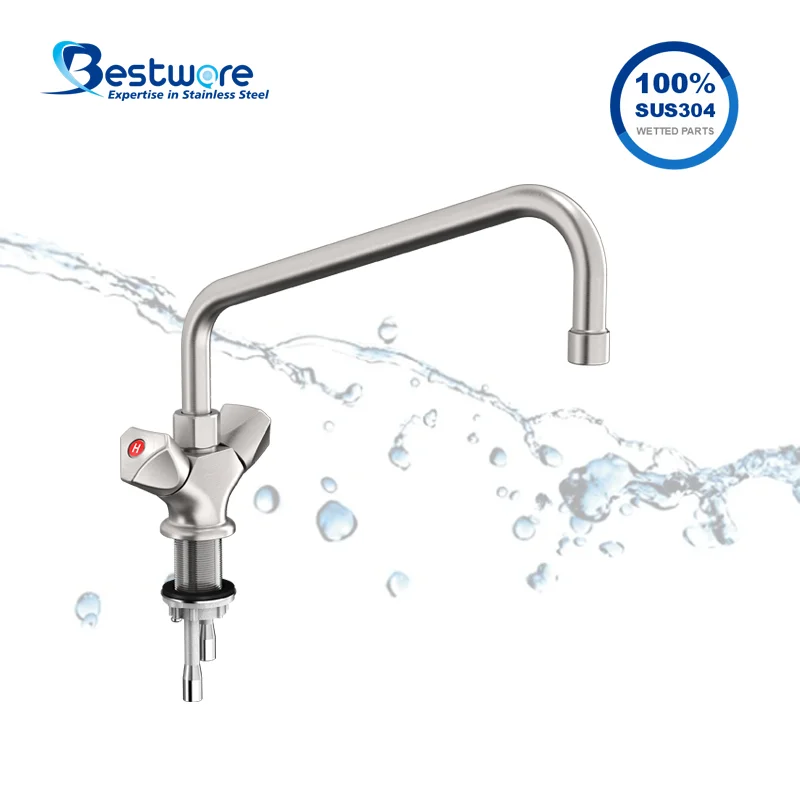
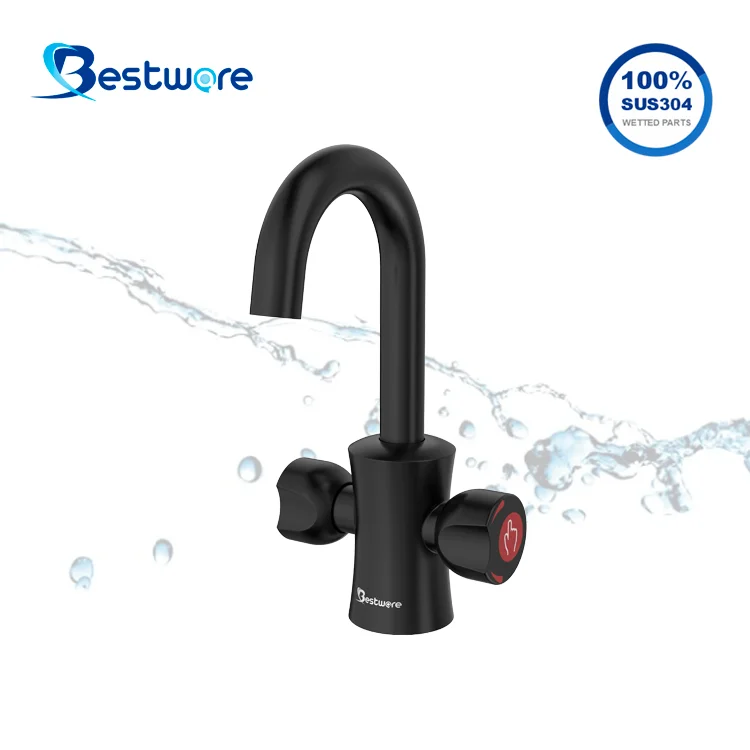
For laboratory applications, equipment safety is not only determined by material quality and performance, but also by thoughtful design details. A vandal-resistant handle is an often-overlooked yet highly practical feature. A vandal-resistant cross handle can reduce the risk of unauthorized removal, improve equipment security, and provide more reliable operation in shared laboratory environments. In addition, the cross handle supports flexible left- or right-side installation, allowing the mounting direction to be adjusted according to laboratory bench layouts for improved usability.
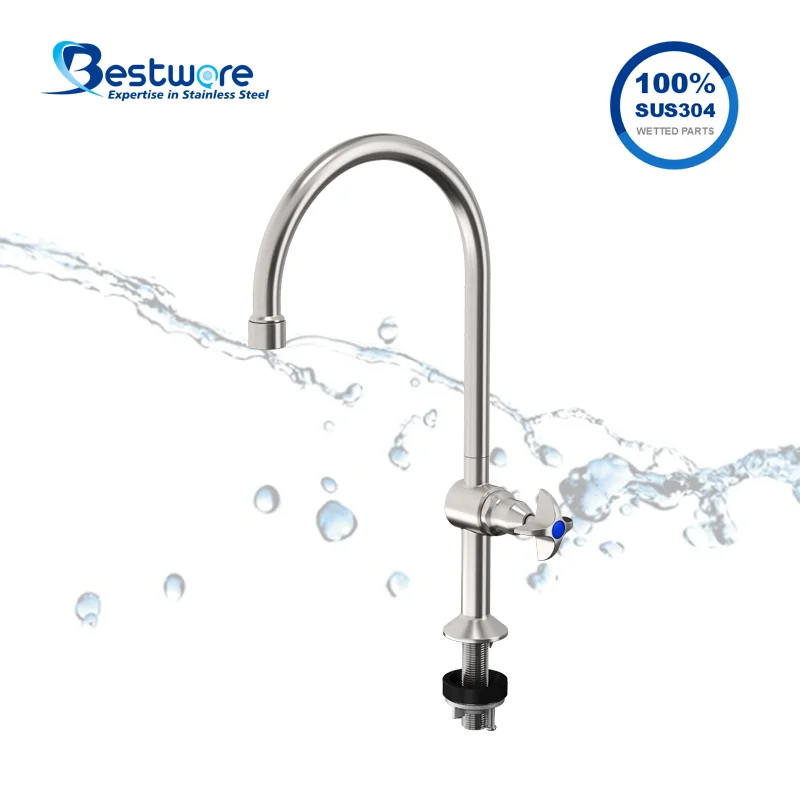
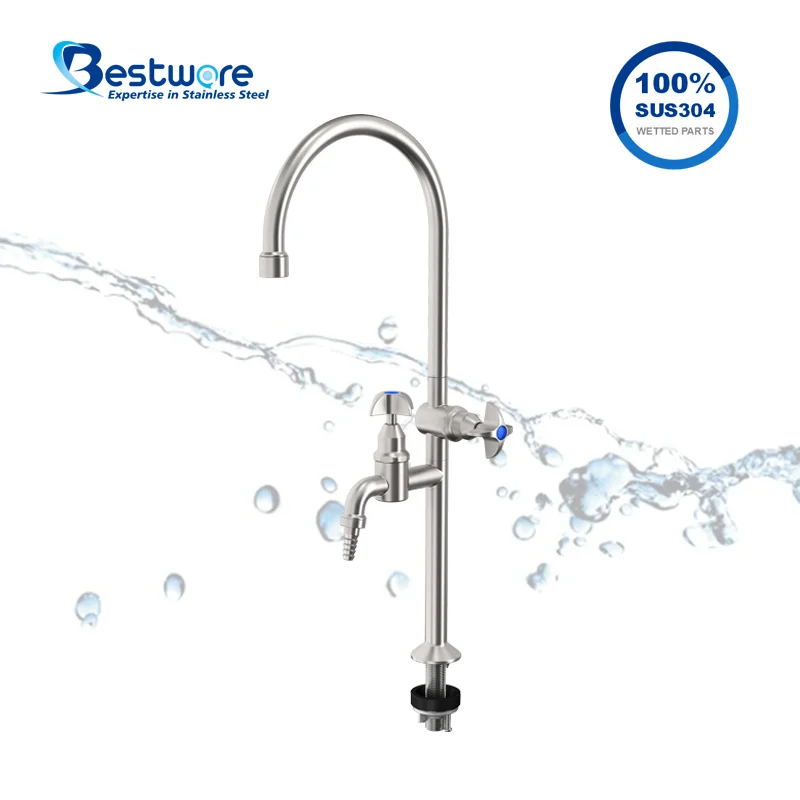
Different laboratory applications have different requirements for faucet functions. Some tasks only require basic rinsing, while others may require hose connections for more flexible cleaning of laboratory equipment. If a laboratory faucet has a limited design, its practical applications may be restricted.
For example:
· A fixed single outlet configuration is suitable for standard rinsing applications
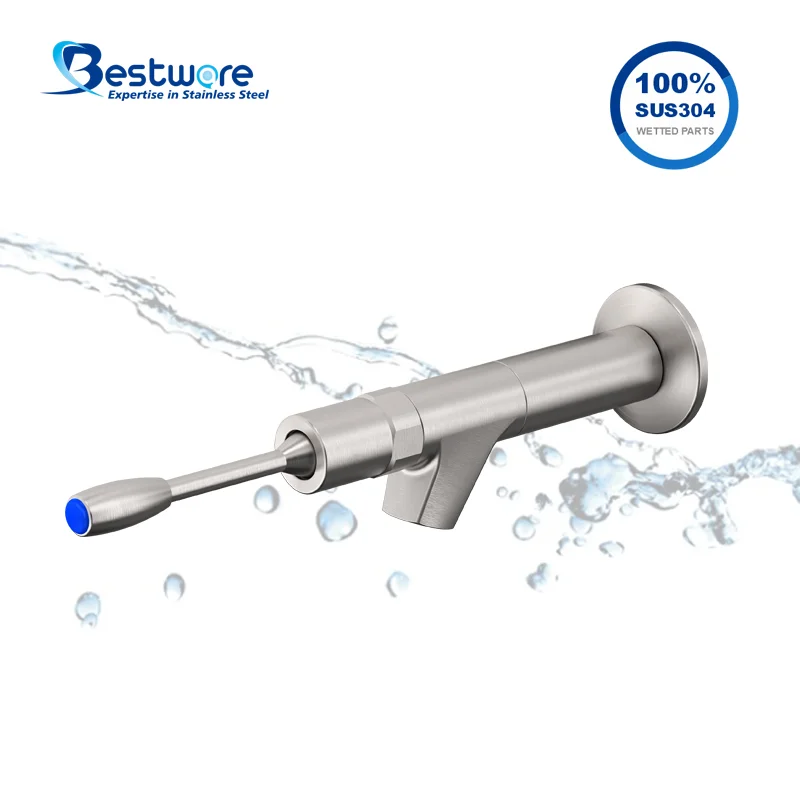
· An adjustable-angle single outlet design allows users to change the water direction for improved flexibility
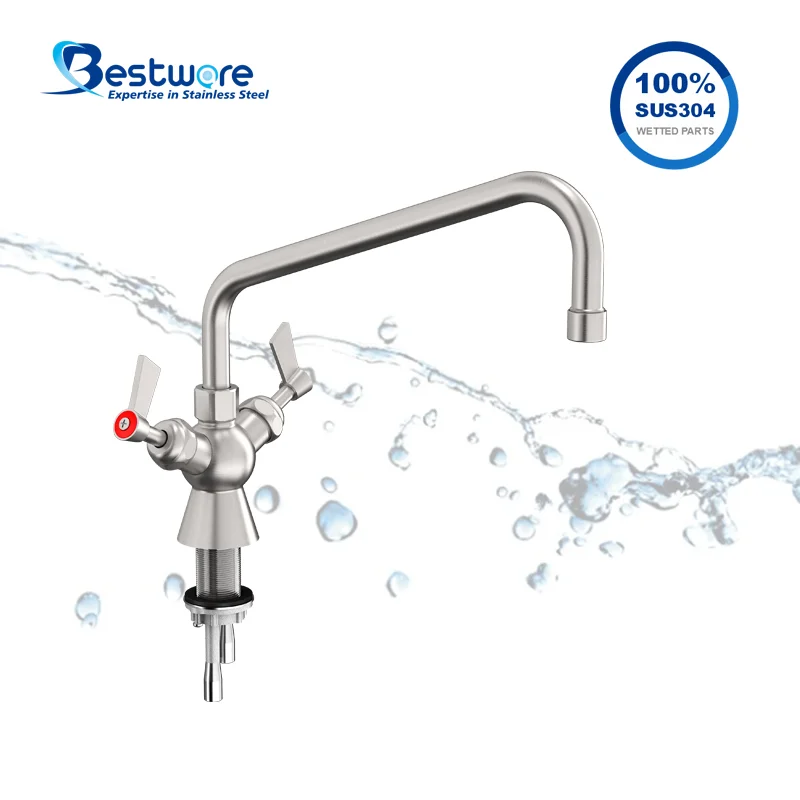
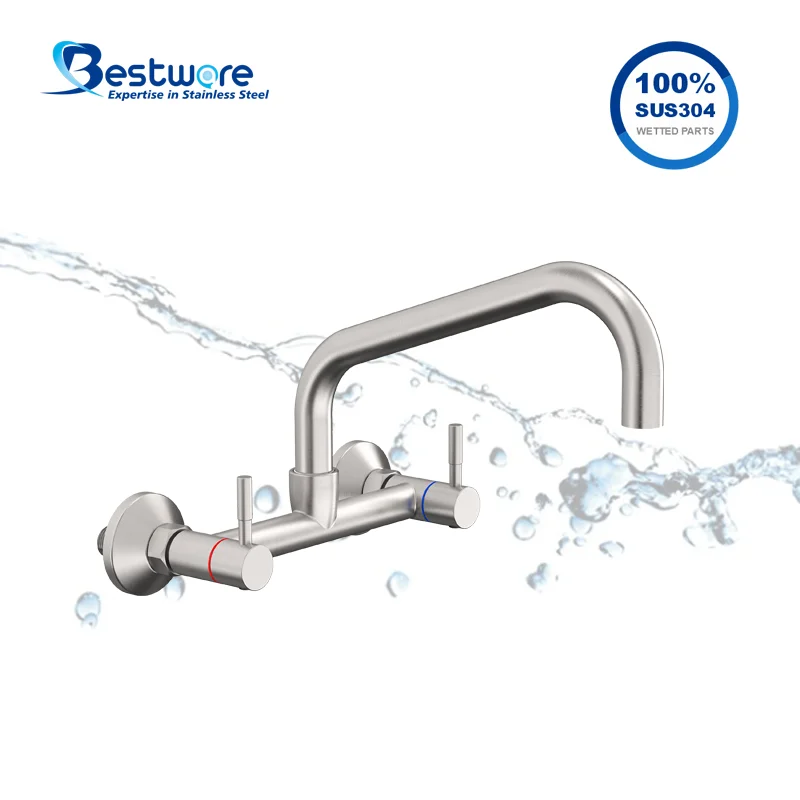
· A dual outlet design can support more application requirements
In addition to outlet configurations, the choice of spout accessories also affects the overall user experience.
Laboratory faucets can be equipped with different outlet options according to specific needs:
· Aerators provide a more stable and gentle water flow, making them suitable for routine cleaning tasks
· Serrated tip connectors allow easy hose attachment, supporting more flexible laboratory operations
With versatile configuration options, laboratory faucets can better adapt to different laboratory environments and application requirements.
When selecting laboratory faucets, many buyers tend to focus primarily on the initial purchase price. However, for equipment used over the long term, the overall cost of ownership is often more important than the initial investment.
A lower-quality faucet may appear cost-effective at first, but frequent repairs and replacements can create additional expenses, including:
· Replacement part costs
· Maintenance labor costs
· Laboratory downtime
· Potential disruption to experimental activities
Therefore, laboratory equipment purchasing decisions should not be based solely on short-term costs. Long-term reliability should also be considered. Laboratory faucets featuring corrosion-resistant materials, long-life valve components, and reliable structural designs can effectively reduce maintenance requirements and provide greater long-term value.

When selecting a laboratory faucet, buyers should pay close attention to the following key factors:
Laboratory environments place higher demands on material performance. Priority should be given to faucets featuring:
· Lead-free materials
· Excellent corrosion resistance
· High structural stability for long-term use
Compared with traditional brass, 304 stainless steel is better suited for laboratory applications involving long-term exposure to demanding environments.
Important factors to consider include:
· Opening and closing cycle life
· Leakage prevention performance
· Operating stability
As the core internal component of a faucet, the valve core directly affects overall product lifespan and reliability.
For shared environments such as schools and public laboratories, vandal-resistant designs can improve equipment safety and reduce the risk of accidental or intentional damage.
Select different faucet configurations according to laboratory requirements:
· Single outlet
· Adjustable-angle outlet
· Dual outlet
· Aerator or serrated tip connector options
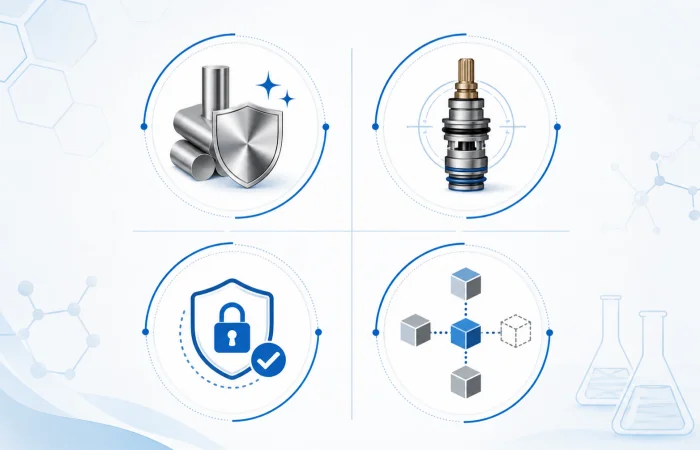
Although a laboratory faucet may appear to be a small component, its performance directly affects the stability and reliability of the laboratory environment.
To address common issues found in traditional laboratory faucets, such as corrosion, wear, and insufficient safety protection, Bestware uses high-hardness, lead-free 304 stainless steel to replace traditional brass construction. Combined with a proprietary stainless steel slow-opening valve core, vandal-resistant cross handle, and multiple outlet configurations, Bestware provides laboratory faucet solutions designed for greater durability, safety, and reliable performance.
From material selection to structural design, every detail is optimized around the actual requirements of laboratory applications. For research institutions, educational laboratories, and industrial testing facilities, choosing a laboratory faucet that is truly designed for demanding environments can reduce maintenance costs while providing reliable support for long-term laboratory operations.
The failure of a laboratory faucet rarely happens suddenly. Instead, it is usually the result of multiple factors, including material selection, structural design, and long-term operating conditions. From corrosion and valve wear to safety concerns and maintenance costs, these seemingly minor issues can significantly affect the reliability of laboratory equipment. Therefore, when selecting a laboratory faucet, buyers should not focus only on the initial purchase price. Factors such as material durability, safety features, service life, and application requirements should also be carefully considered. A well-designed and reliable laboratory faucet can not only reduce future maintenance demands but also provide a safer and more efficient working environment for laboratory personnel. As modern laboratories continue to place greater emphasis on reliability and safety, laboratory faucets featuring corrosion-resistant materials, durable structures, and flexible configuration options are becoming an increasingly important choice for laboratory equipment upgrades. Choosing the right laboratory faucet is not simply about selecting a water supply fixture. It is about ensuring the stability, efficiency, and long-term reliability of laboratory operations.
One-stop Solution Provider of Stainless Steel Commercial Faucets
Email: business@bestware-stainless.com
after-sales@bestware-stainless.com
Tel: +86 18929047065
WhatsApp: +86 18929047065


WeChat: +86 18929047065


Website: www.bestware-stainless.com(Global Site)
www.bestware-sparkling.com(Water Dispenser)
Add: Block 8, No. 6, Jianda Nan Road, Jiangmen, Guangdong, China
Copyright © Bestware Hardware Production Co., Ltd. All Rights Reserved.
(2).webp)
(1).webp)