
Date: 2026-07-22
In the past, the primary purpose of public drinking facilities was simple: providing people with convenient access to drinking water. Today, however, these systems are expected to deliver much more. With growing environmental awareness, reusable water bottles have become increasingly common among consumers. According to a survey conducted by U.S. market research company OnePoll, approximately 85% of American adults own and use reusable water bottles. For public buildings, this shift means that drinking facilities need to serve not only direct drinking needs but also provide a more convenient way for users to refill their bottles. Driven by this trend, dual-function drinking fountains that combine drinking and bottle filling capabilities are becoming increasingly popular in schools, hospitals, airports, sports facilities, and other public spaces. They are gradually becoming an important direction in the development of modern public drinking water systems.
The evolution of public drinking facilities has always followed changes in user behavior. In the past, people typically stopped at a drinking fountain to take a few sips of water before continuing their journey. Today, more and more people carry reusable water bottles or insulated tumblers and prefer to refill their bottles once and stay hydrated throughout the day. This seemingly small change has fundamentally reshaped how public drinking facilities are designed. Instead of simply providing drinking water, modern systems are expected to support healthier lifestyles, improve user convenience, and promote sustainable practices.
In many Western markets, carrying a reusable water bottle has become part of everyday life. For schools, office buildings, airports, and sports venues, users are no longer visiting drinking points only to drink a few sips of water. Instead, many expect to quickly refill their bottles and have enough water for the next several hours. This simple behavioral change has transformed the way people interact with public drinking facilities and has made bottle filling an increasingly important function in modern drinking water systems.
Changes in drinking habits have also created new expectations for facility managers. In the past, purchasing decisions mainly focused on whether drinking equipment was durable and reliable. Today, managers must consider a wider range of factors, including user convenience, hygiene management, maintenance requirements, and long-term operating costs.
For example, during school breaks, airport peak hours, or sports events, some users need direct drinking water while others need to quickly refill their bottles. If all users rely on the same outlet, efficiency may be reduced and different user needs may not be fully addressed.
Therefore, dual-function drinking fountains have attracted increasing attention from modern public projects. Rather than replacing traditional drinking fountains, they enhance existing drinking solutions by adding bottle filling capability and providing greater flexibility for different usage scenarios.
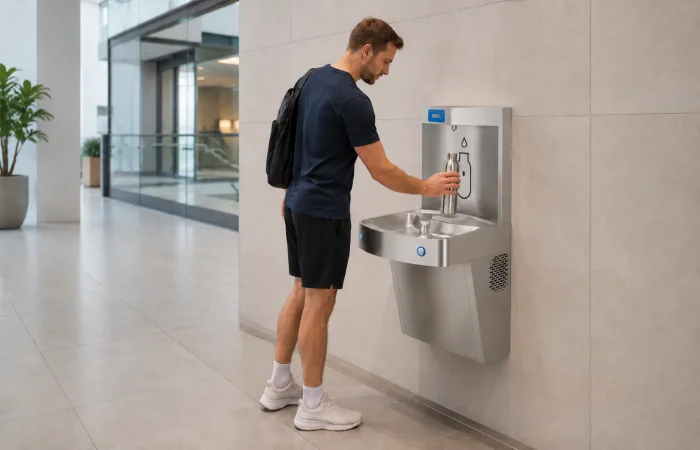
Beyond user convenience, public drinking facilities are also playing a growing role in supporting environmental goals. According to the United Nations Environment Programme (UNEP), approximately one million plastic bottles are purchased globally every minute. Against this background, encouraging reusable water bottle usage and providing convenient refill stations have become important strategies for schools, office buildings, and public facilities seeking to reduce single-use plastic consumption. For facility managers, a well-designed public drinking system not only improves user experience but also demonstrates a building’s commitment to sustainability and social responsibility.

As public drinking facilities take on more responsibilities, purchasing decisions are no longer based only on whether a unit can provide water. Modern drinking fountains must deliver reliable performance in terms of hygiene, safety, durability, and long-term operation. A high-quality dual-function drinking fountain should include the following key capabilities.
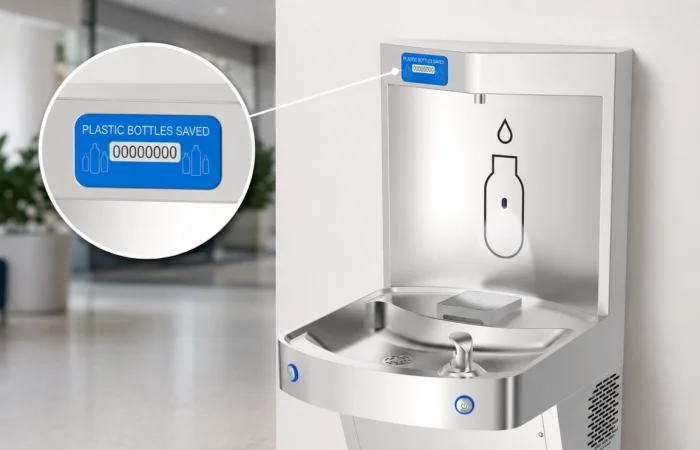
Modern public drinking facilities do more than provide drinking water — they also encourage sustainable lifestyles. Compared with purchasing single-use bottled water, convenient bottle filling functions encourage users to reuse tumblers and reusable water bottles, helping reduce plastic waste. Some advanced drinking fountains are also equipped with visible plastic bottle-saving counters, allowing users to see the environmental impact in real time by displaying the estimated number of disposable bottles avoided. This visual feedback helps increase public awareness and encourages more people to participate in sustainable practices.
The bottle filling outlet can refill a standard 500ml water bottle within just a few seconds. Multiple users can drink or refill their bottles at the same time without waiting in long queues. This efficient water delivery is especially suitable for high-traffic periods, such as school breaks, airport waiting times, and sports halftime, helping improve overall water access efficiency.

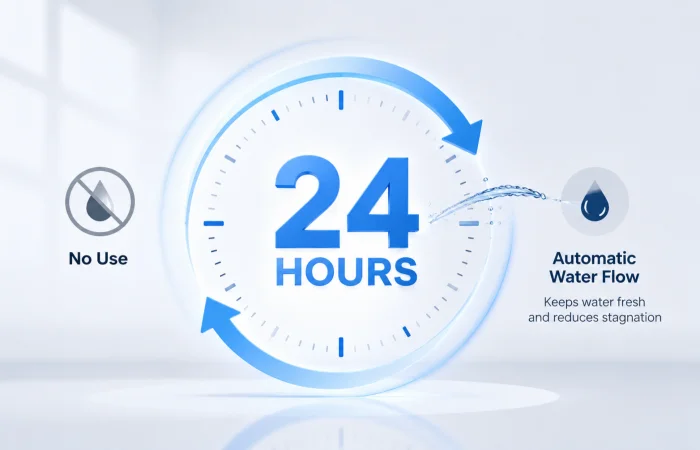
For public drinking facilities, long-term hygiene management is more important than one-time cleaning. Therefore, more and more dual-function drinking fountains are adopting automatic flushing functions. When the equipment remains unused for an extended period, the system can automatically refresh stagnant water inside the pipeline, helping reduce hygiene risks caused by prolonged inactivity while minimizing manual maintenance workload. This design is especially suitable for schools during holidays, office buildings at night, and public facilities with periods of low usage.
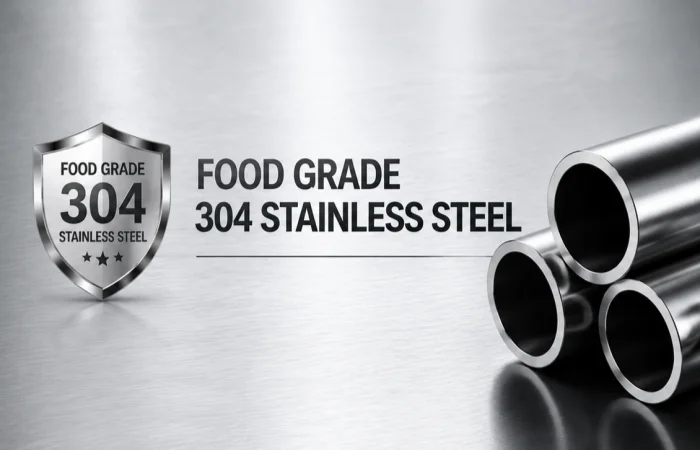
Public drinking fountains are typically required to operate continuously and withstand frequent daily use. Therefore, the material selection directly affects the product lifespan and maintenance costs. Food-grade SUS304 stainless steel has become one of the widely used materials for public drinking equipment. It offers advantages including lead-free safety, corrosion resistance, impact resistance, and easy cleaning. These characteristics allow stainless steel drinking fountains to perform reliably in high-traffic environments such as schools, hospitals, and airports, while meeting the requirements for long-term stable operation.
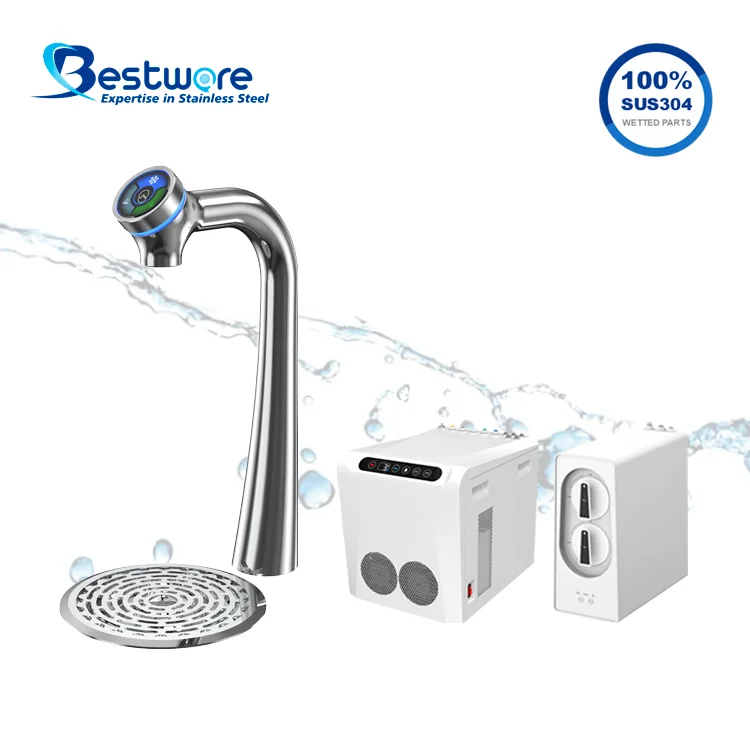
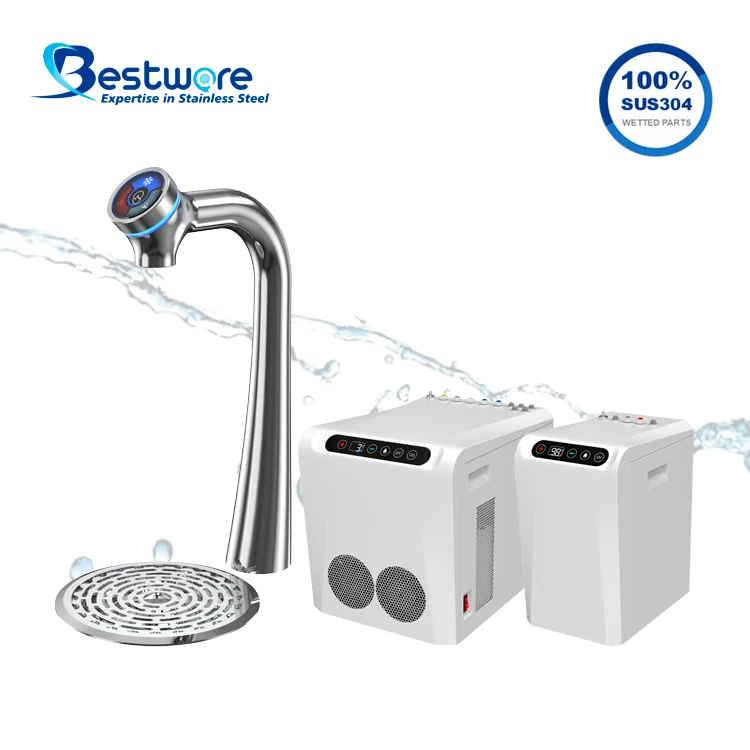
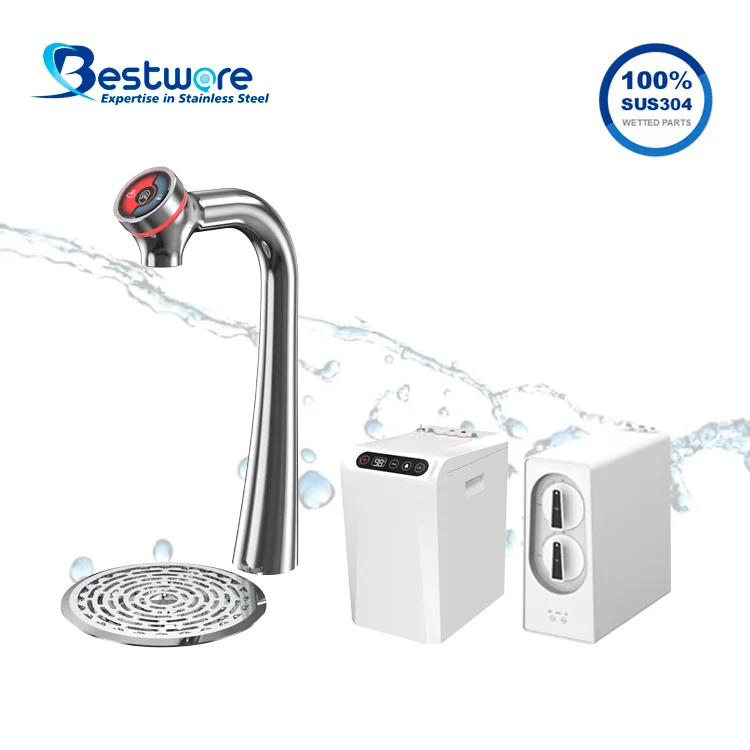
The requirements of public buildings are not fixed forever. As facilities evolve, some projects may require additional functions such as chilled water or advanced filtration. Therefore, dual-function drinking fountains with modular expansion capability provide greater long-term value. By supporting external cooling units and RO filtration systems, facilities can upgrade their drinking solutions without replacing the entire unit. This not only reduces future renovation costs but also extends the overall lifecycle value of the equipment.

When selecting public drinking equipment, buyers should evaluate more than the initial purchase price. A comprehensive assessment should include application requirements, maintenance needs, and future expansion possibilities.
· Dual-Function or Standard?
If the application involves schools, airports, office buildings, sports facilities, or other high-traffic locations where many users carry insulated tumblers or reusable water bottles, a dual-function drinking fountain can provide a better user experience. However, in locations with lower traffic or where direct drinking is the primary requirement, traditional drinking fountains remain a mature and cost-effective solution.
· Is It Easy to Maintain?
Public drinking equipment is typically expected to operate continuously for many years. Therefore, ease of maintenance is often more important than the initial purchase cost. When selecting equipment, buyers should consider whether the product includes features such as automatic flushing, concealed flow adjustment, and easy access for installation and maintenance. These details can effectively reduce maintenance workload and minimize equipment downtime.
· Can It Support Future Upgrades?
The requirements of public buildings may change over time. For example, office buildings may require chilled water solutions in the future, while schools may need additional filtration capabilities. Therefore, products that support modular expansion, such as external cooling systems and RO filtration systems, often provide greater long-term investment value compared with fixed configurations.
· Does It Offer Reliable Long-Term Quality?
For public drinking equipment, material quality, core components, and overall reliability directly affect service life. Features such as food-grade SUS304 stainless steel, highly anti-interference solenoid valves, stable water supply systems, and comprehensive after-sales support can help ensure consistent performance throughout long-term operation.
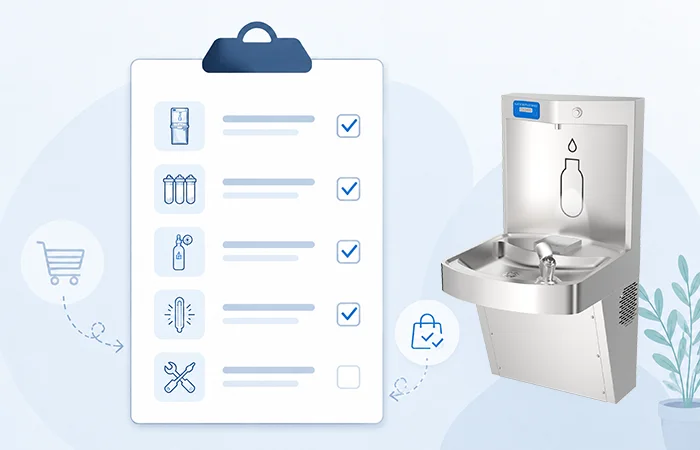
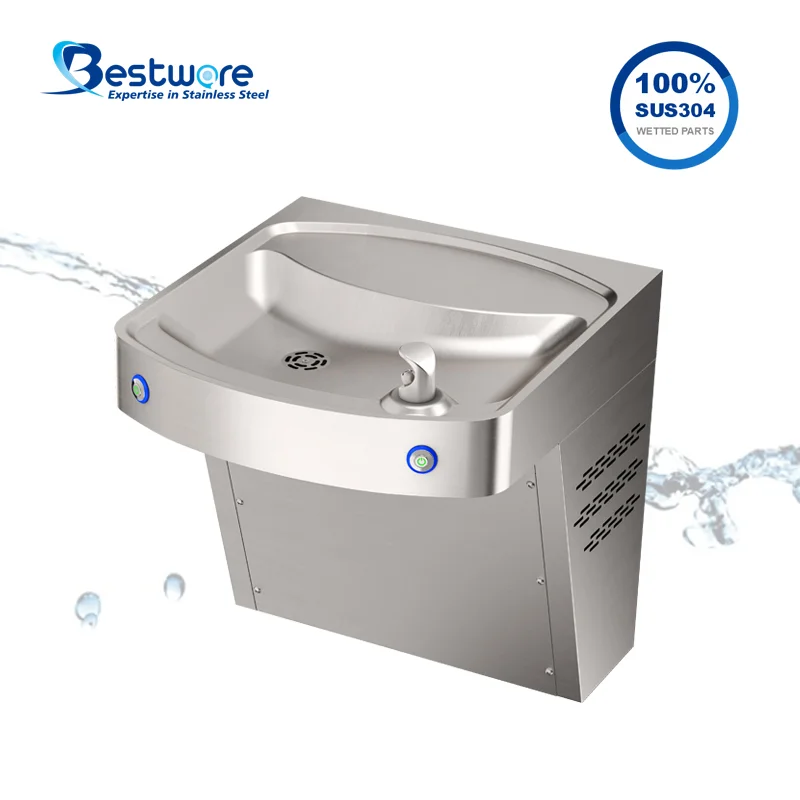
To address the evolving requirements of modern public drinking facilities, Bestware provides dual-function drinking fountains that combine drinking and bottle filling capabilities with flexible configurations and durable construction. Designed for applications including schools, hospitals, airports, office buildings, and other public spaces, Bestware drinking fountains deliver reliable performance through thoughtful engineering and user-focused design.
|
Feature |
Bestware Solution |
User Benefits |
|
Material |
100% Food-grade SUS304 Stainless Steel |
Safe, durable, corrosion-resistant, and easy to clean |
|
Activation Options |
Multiple configurations: manual, manual drinking + sensor bottle filling, dual sensor |
Flexible solutions for different applications |
|
Anti-interference Solenoid Valve |
10V/m anti-interference capability, exceeding the common 3V/m level |
Stable operation in complex environments such as hospitals and airports |
|
Automatic Flushing |
Automatic 5-second flushing after 24 hours of inactivity |
Helps maintain pipeline hygiene and reduce bacterial growth risks |
|
Water Cut-off Protection |
Automatic shutoff during power failure, accidental activation, or overtime operation |
Improved safety and reduced water waste |
|
Flow Adjustment |
Built-in concealed regulator with anti-mistouch design |
Adjustable water flow according to user requirements |
|
Pressure Stabilization |
Built-in pressure stabilization system |
Maintains stable water flow under pressure fluctuations |
|
Expansion Capability |
Compatible with external chillers and RO filtration systems |
Flexible adaptation for different applications |
Through these key designs, Bestware drinking fountains directly address the challenges faced by modern public facilities. The use of lead-free SUS304 stainless steel helps ensure drinking water safety. Automatic flushing actively supports pipeline hygiene. High-level anti-interference technology improves reliability in complex environments. Meanwhile, multiple manual and sensor configurations, combined with modular expansion options, allow the system to adapt to different requirements across schools, hospitals, airports, and other public spaces. For users, these innovations translate into safer drinking water, more stable operation, lower maintenance costs, and an improved overall experience.

The evolution of public drinking facilities reflects changing lifestyles and modern building management requirements. Dual-function drinking fountains, combining direct drinking and bottle filling capabilities, are becoming an increasingly important solution for public spaces due to their efficiency, hygiene advantages, and sustainability benefits. For facility managers and purchasing professionals, the true value of a drinking fountain should not be measured only by initial cost, but by long-term performance, maintenance efficiency, and adaptability. A truly high-quality drinking fountain requires comprehensive consideration — from material selection and intelligent control to hygiene management and future expansion. Based on these industry trends, Bestware dual-function drinking fountains provide an integrated, flexible, and reliable solution for modern public buildings. By addressing the evolving needs of public drinking environments, Bestware helps facilities improve user experience, reduce single-use plastic consumption, lower operational costs, and create safer, healthier drinking spaces for everyone.
One-stop Solution Provider of Stainless Steel Commercial Faucets
Email: business@bestware-stainless.com
after-sales@bestware-stainless.com
Tel: +86 18929047065
WhatsApp: +86 18929047065


WeChat: +86 18929047065


Website: www.bestware-stainless.com(Global Site)
www.bestware-sparkling.com(Water Dispenser)
Add: Block 8, No. 6, Jianda Nan Road, Jiangmen, Guangdong, China
Copyright © Bestware Hardware Production Co., Ltd. All Rights Reserved.
.webp)
(7).webp)
(6).webp)
(5).webp)