Date: 2025-10-25
In the global commercial faucet industry, most competitors still rely on conventional brass rather than stainless steel as their primary material. This phenomenon is driven not only by the intrinsic physical differences between the two materials but also by the combined influence of factors such as corporate operating models and market adaptability. This article explores the deeper reasons why many manufacturers continue to choose brass over stainless steel, focusing on two core aspects: the machining challenges of stainless steel and the need for continual upgrades in manufacturing technology. It also analyzes the industry logic behind this choice.
As a high-strength and corrosion-resistant metal, stainless steel (SUS304/316) has a hardness that is typically more than twice that of brass. This physical property directly results in numerous challenges during the machining process. Higher hardness requires greater cutting forces, accelerates tool wear, and necessitates more complex heat treatment procedures, all of which significantly increase machining difficulty and production costs. To effectively tackle the machining challenges of stainless steel, manufacturers must adopt a range of comprehensive measures, including but not limited to:
Choosing tools made of materials with high hardness, excellent wear resistance, and superior heat resistance—such as cemented carbide, ceramics, or cubic boron nitride (CBN)—to ensure stability and durability during machining.
Precisely controlling cutting speed, feed rate, and cutting depth to achieve optimal cutting performance while minimizing tool wear and machining defects.
Employing an efficient cooling system to effectively reduce cutting temperature, minimize thermal deformation and tool wear, and improve machining accuracy and surface finish.
Designing proper tool geometries and angles tailored to stainless steel's machining characteristics to enhance cutting efficiency and extend tool life.
Utilizing precision machinery and advanced processing techniques to ensure dimensional and form accuracy of stainless steel components, meeting stringent product performance requirements.
However, the precise implementation of these measures is far from easy. It requires extensive R&D capability, substantial production experience, and continuous trial-and-error refinement. For manufacturers primarily engaged in brass faucet production, this presents a considerable technical and financial challenge. Therefore, from a cost-effectiveness standpoint, many companies prefer brass, which offers lower machining difficulty and more manageable production costs.
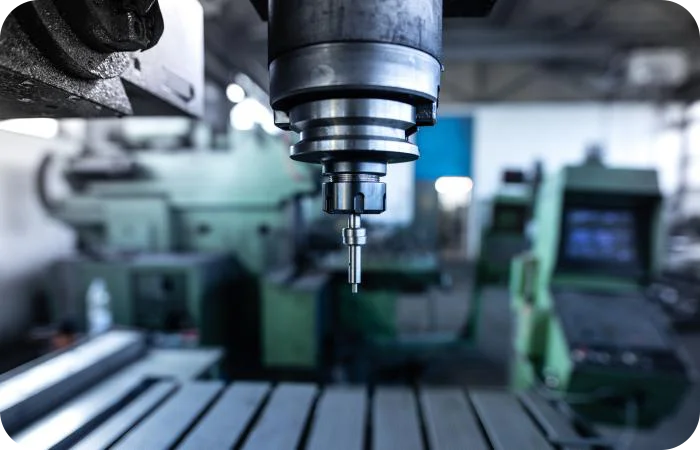
Image by aleksandarlittlewolf on Freepik
Equipment and Process Upgrades: The Balance Between Flexibility and Conversion Costs
Beyond the inherent machining difficulty of materials, the pace of equipment and process upgrades is another key factor influencing material selection. In a rapidly evolving market, corporate flexibility and innovation capability are critical. However, for companies reliant on specific production equipment and processes, upgrading machinery and technologies often entails substantial conversion costs and technological transition challenges.
Take Bestware as an example. As a small but highly specialized company, our distinct advantage lies in the ability to swiftly and flexibly adjust machining processes and production equipment. This flexibility enables Bestware to upgrade technologies and equipment without legacy burdens, allowing us to seize the early opportunities arising from the stainless steel revolution in 2013 and maintain a leading technological position ever since. In contrast, large competitors that have invested heavily in brass production equipment over the years face significant conversion costs and risks of technological transition. Replacing production equipment not only requires substantial capital investment to acquire new machinery, but also necessitates modifications and upgrades to existing production lines to accommodate the new systems. Moreover, technological transitions can lead to production interruptions, increased employee training costs, and potential instability in product quality. Therefore, when considering whether to adopt stainless steel, these companies must weigh conversion costs against potential benefits and often opt to continue relying primarily on existing brass production equipment and processes.
From an industry ecosystem perspective, the choice between brass and stainless steel is not merely a matter of material substitution but rather a reflection of the coordinated evolution across the entire supply chain. Brass, as a conventional material, benefits from a well-established application framework and mature supply chain support across multiple sectors. Stainless steel, on the other hand, though offering significant advantages, still faces challenges in market promotion and widespread adoption.
However, as technology continues to advance and the market becomes increasingly mature, the application prospects for stainless steel are exceptionally promising. With ongoing breakthroughs in machining technology and the gradual reduction of production costs, stainless steel is expected to replace brass as the mainstream material in the future. At the same time, enterprises must continuously enhance their technical capabilities and innovation capacity to adapt to market dynamics and industry development.
In conclusion, the widespread preference for brass over stainless steel among peer manufacturers can primarily be attributed to two major factors: the greater machining difficulty of stainless steel and the slower pace of equipment and process upgrades. Nevertheless, this does not imply that stainless steel lacks market potential or application value. On the contrary, with continuous technological progress and market maturation, the stainless steel revolution within the industry is already underway. For manufacturers, the key lies in making informed decisions based on their specific circumstances and evolving market conditions.

Image by jcomp on Freepik
One-stop Solution Provider of Stainless Steel Commercial Faucets
Email: business@bestware-stainless.com
after-sales@bestware-stainless.com
Tel: +86 18929047065
WhatsApp: +86 18929047065


WeChat: +86 18929047065


Website: www.bestware-stainless.com(Global Site)
www.bestware-sparkling.com(Water Dispenser)
Add: Block 8, No. 6, Jianda Nan Road, Jiangmen, Guangdong, China
Copyright © Bestware Hardware Production Co., Ltd. All Rights Reserved.
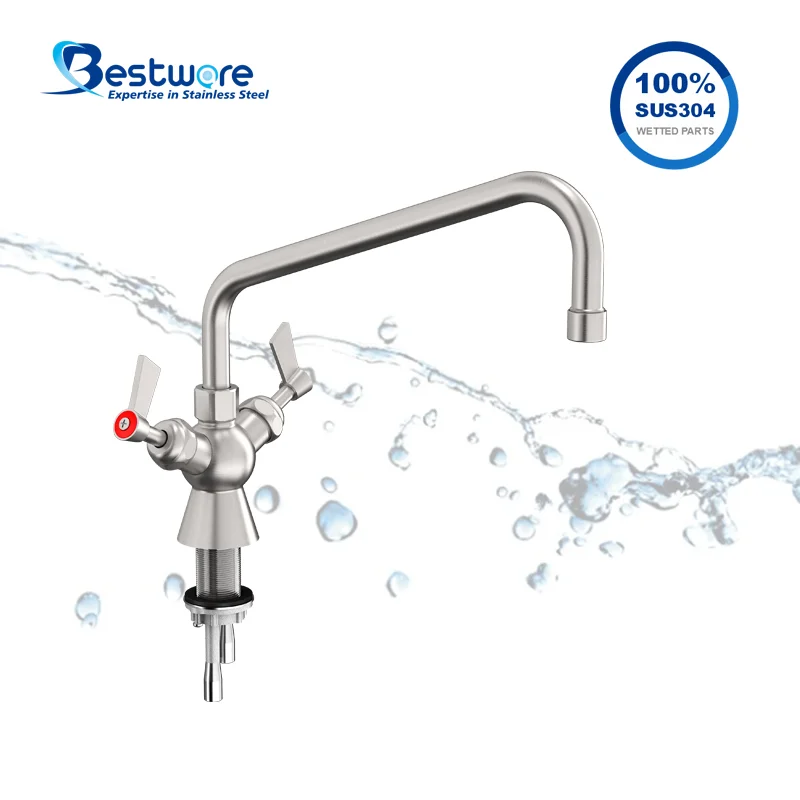
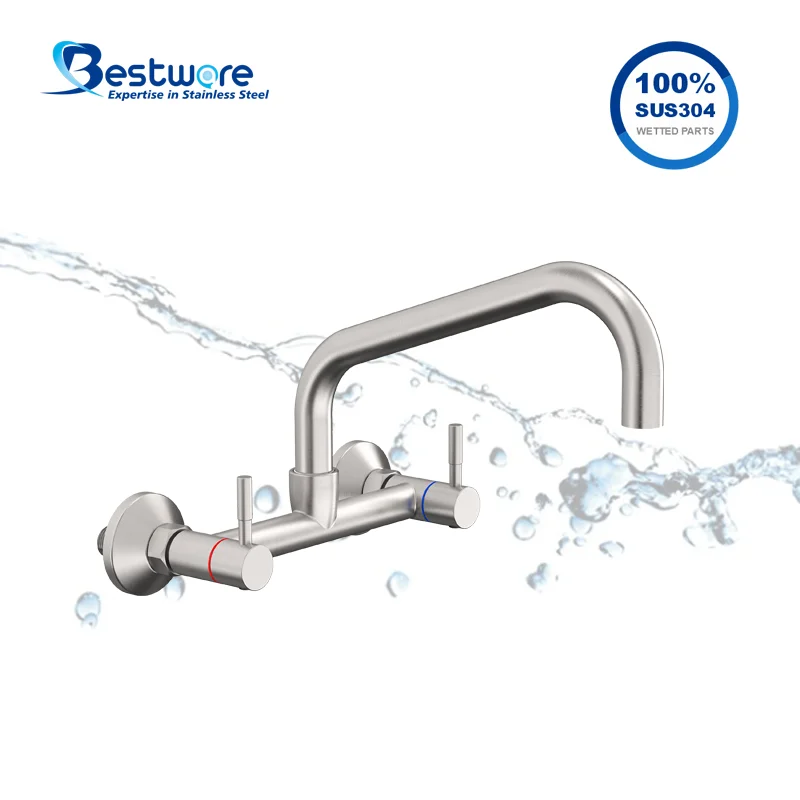
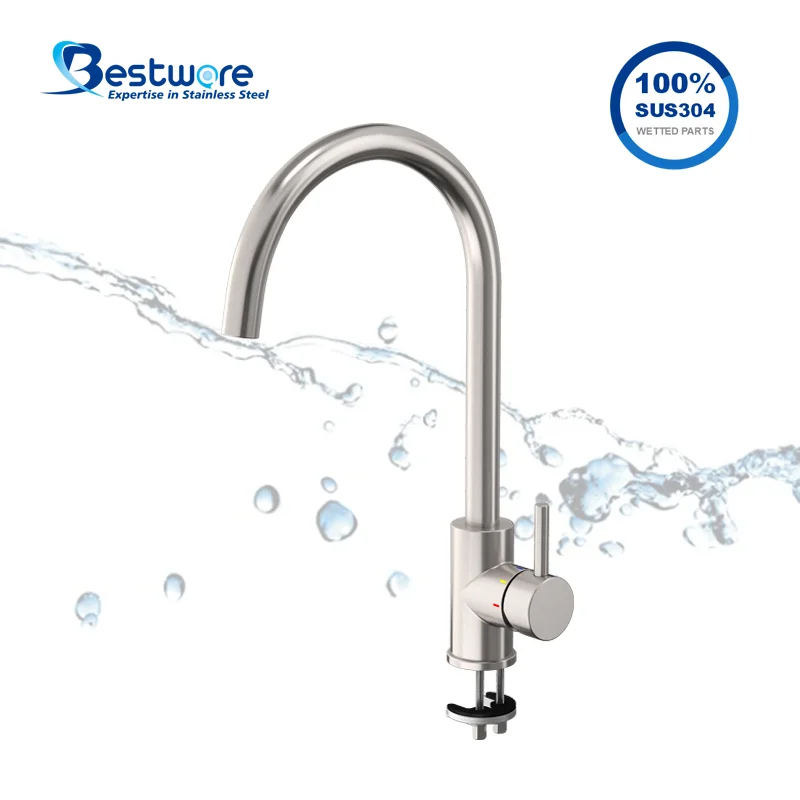
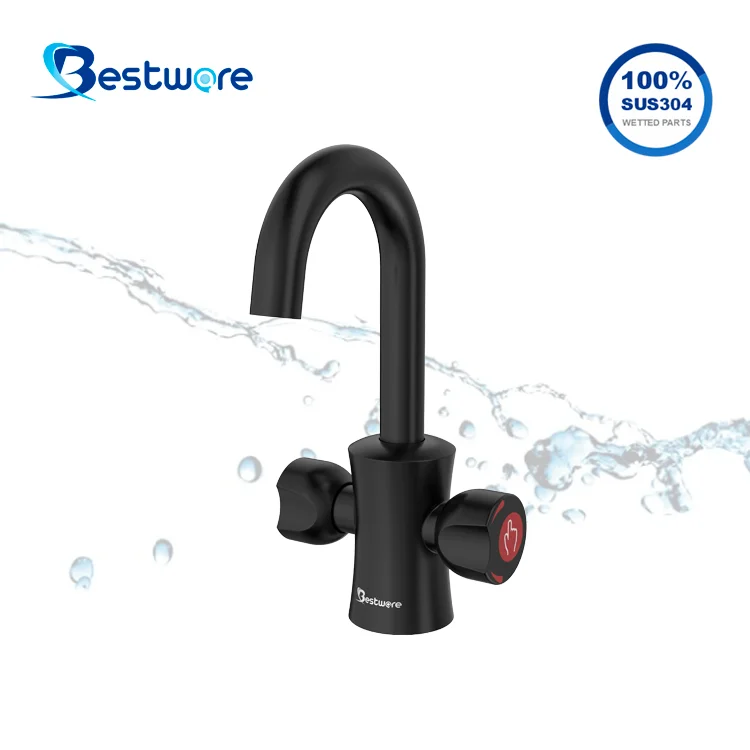
(2).webp)
(1).webp)