
Date: 2025-10-18
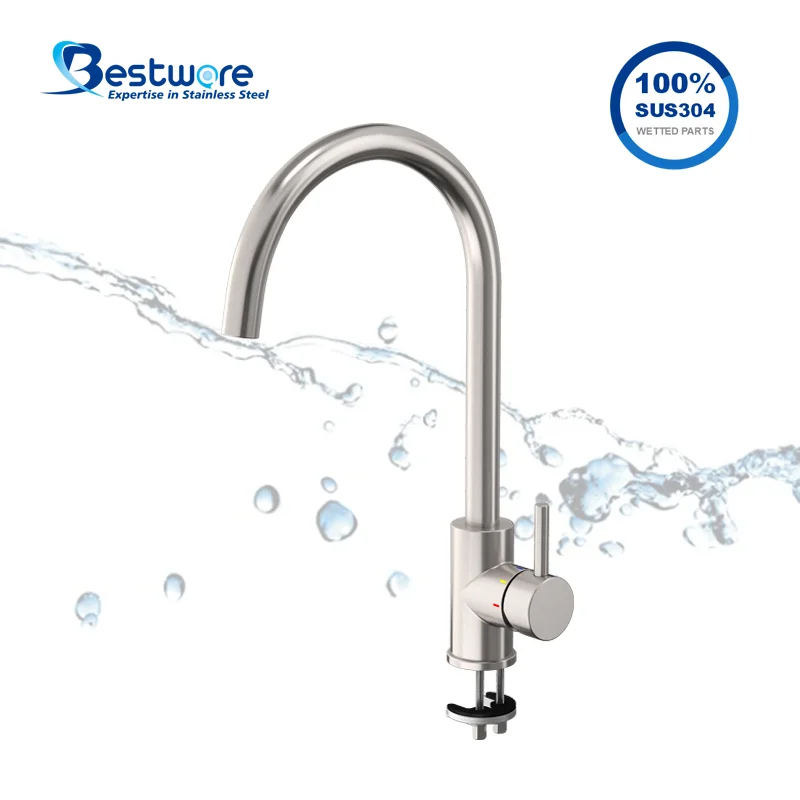
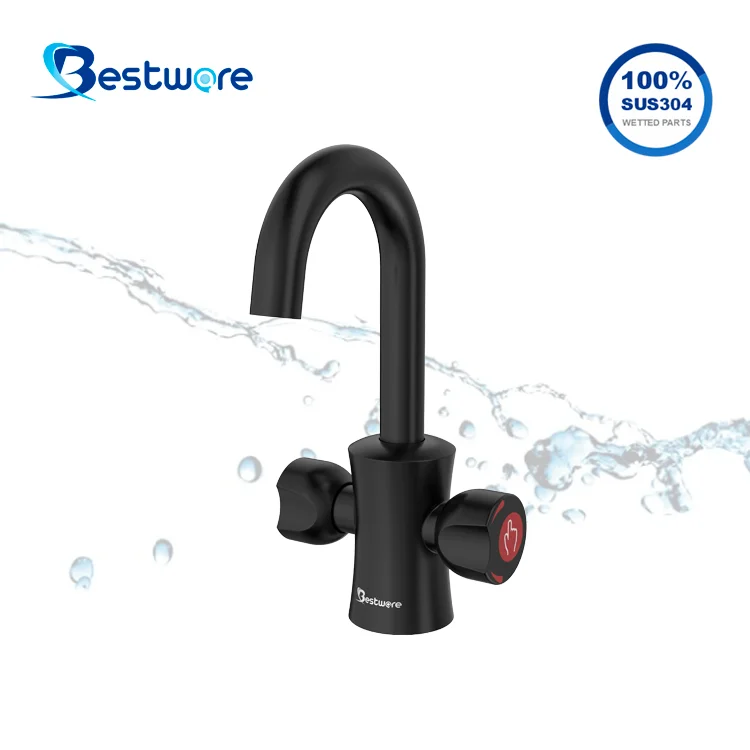
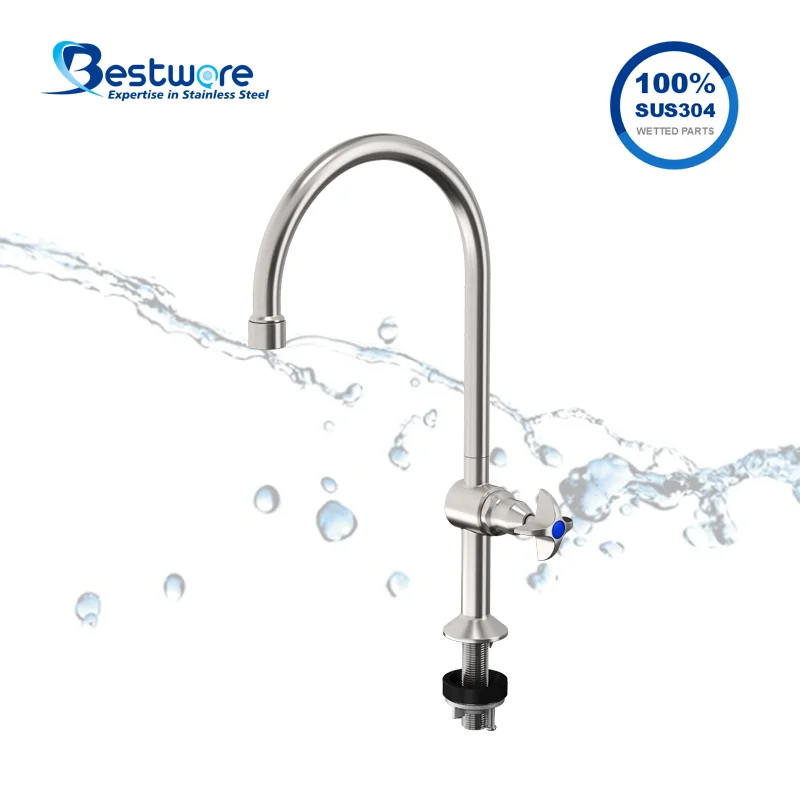
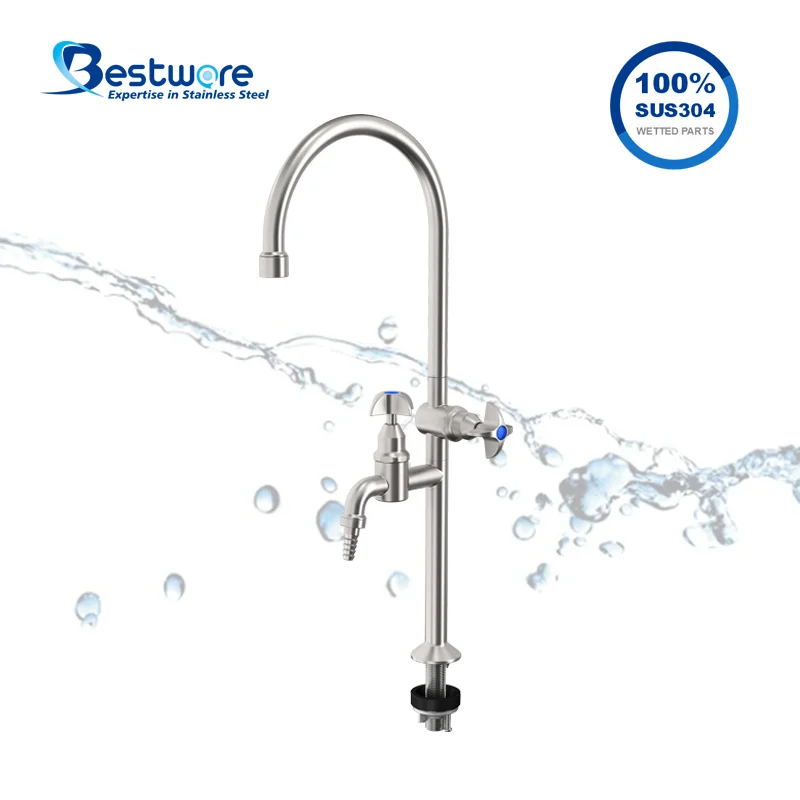
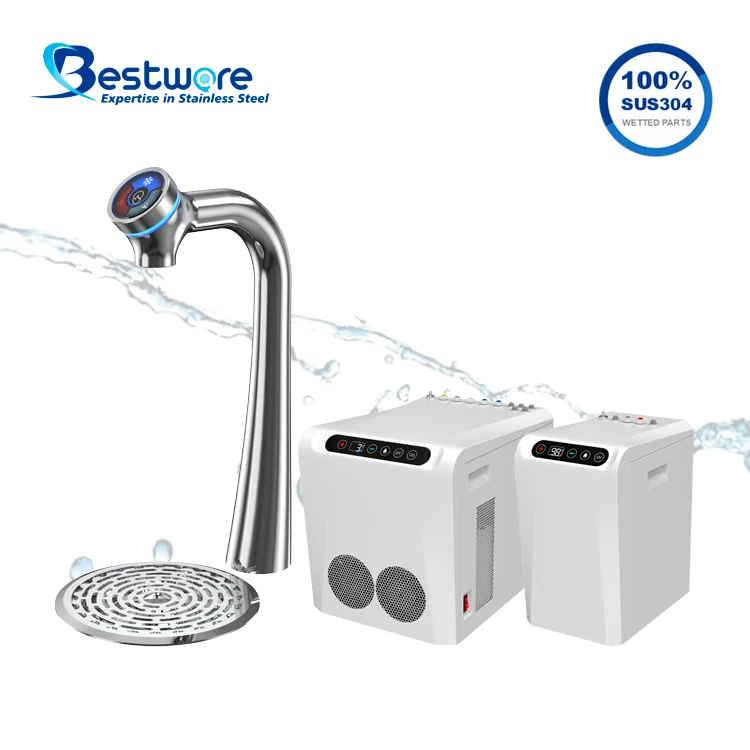
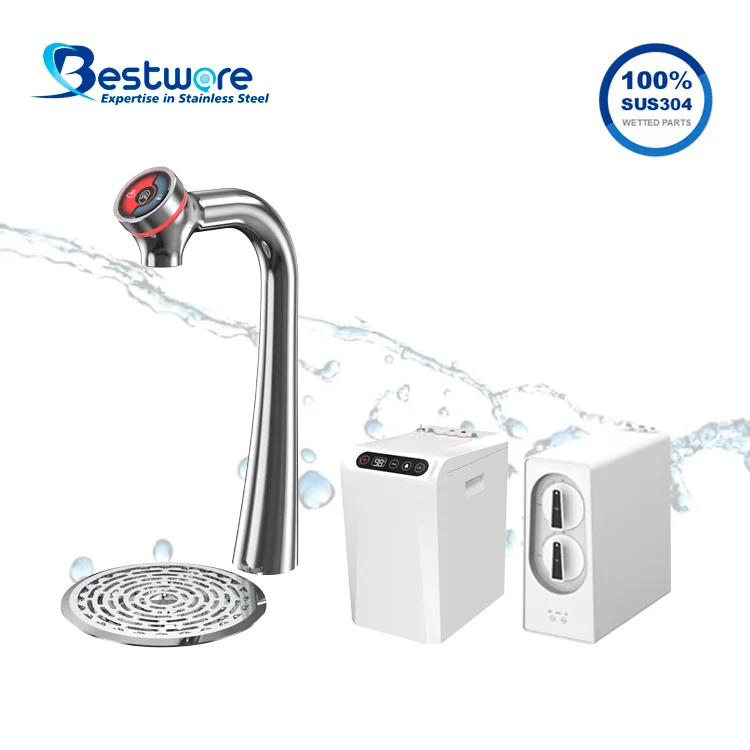
In commercial kitchens, a sector full of challenges and opportunities, faucets serve as a core component of kitchen equipment, and the choice of material directly impacts overall operational efficiency. For many years, brass faucets have dominated the commercial kitchen market. However, with the growing demand for environmental sustainability, health, and operational efficiency, 304 stainless steel faucets have become the preferred solution in commercial and public applications due to their exceptional advantages.
Today, with growing awareness of health, lead-free materials have become a key focus. Stainless steel leaches virtually no lead, far below the regulatory limits for drinking water. In contrast, traditional brass contains lead, which is a harmful heavy metal. Prolonged exposure or ingestion leads to health risks, especially for sensitive groups and children. For commercial kitchens and similar settings, where food is frequently handled or water is directly consumed, using stainless steel is undoubtedly a guarantee of health.

It is worth noting that there are two types of brass with very low lead content on the market: low-lead brass and lead-free brass. Both have relatively high copper purity and are manufactured based on H62 brass. Although they are considered safe for health, their hardness, durability, and lifespan are far inferior to stainless steel (brass is naturally soft, and the higher the copper content, the softer it becomes). In addition, higher copper purity means higher material costs. Combined with the rising cost of electroplating in recent years—trivalent chromium plating is safer, but also more expensive—faucets made of brass are significantly inferior to those made of stainless steel in terms of long-term economic benefits and overall performance.
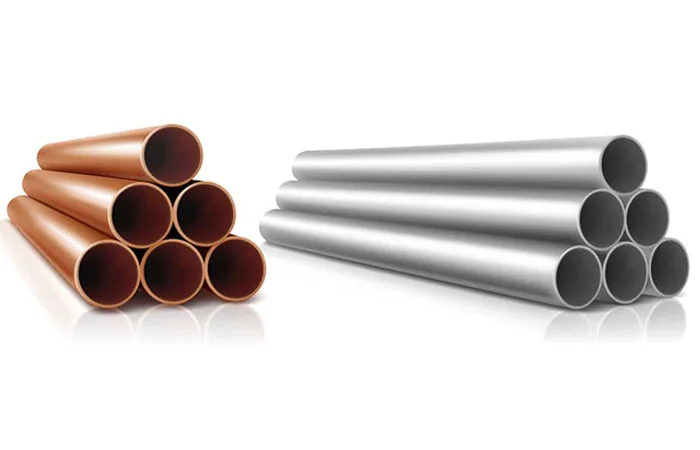
It is well known that stainless steel is much harder than brass, making it more resistant to damage and better able to withstand friction and impact. This makes it particularly suitable for high-frequency, high-wear settings such as commercial kitchens. Additionally, stainless steel has excellent anti-oxidation properties and is highly resistant to rust, allowing it to maintain its surface as glossy as new, even in humid and high-temperature kitchen environments. This characteristic not only makes the faucet more aesthetically pleasing but also reduces the stains and bacterial growth caused by oxidation, thereby enhancing the hygiene standards of the kitchen. In contrast, with prolonged use, brass faucets will oxidize, discolor, and form verdigris once the electroplated layer wears off. This not only compromises their appearance but also poses a risk of secondary water contamination. Furthermore, industry data shows that stainless steel products have an average service life twice that of brass, resulting in fewer replacements and lower long-term maintenance costs. For sectors like commercial kitchens that prioritize stable operations and cost control, this is undoubtedly a significant benefit.
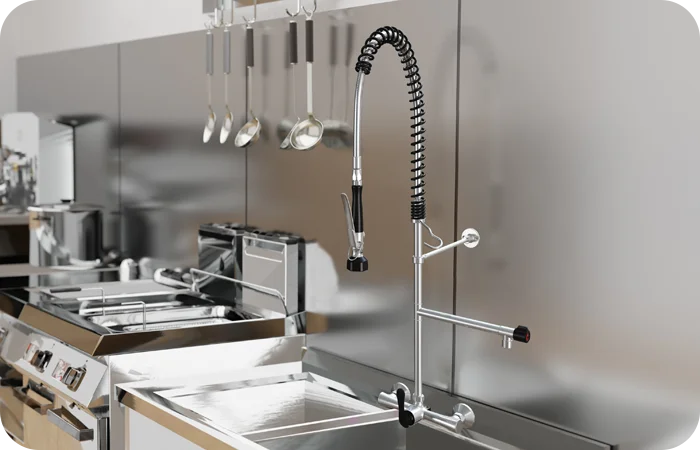
Stainless steel is a non-porous metal material with a smooth, scratch-resistant surface that resists dirt and bacteria, making cleaning exceptionally convenient. Even after being unused for a long time, a simple wipe with a damp cloth can restore it to a like-new condition. Furthermore, it becomes shinier with each cleaning. In contrast, the surface of brass faucets must be electroplated and in heavy-use commercial environments, this plating will wear off, leading to oxidation and resulting in verdigris and stains. This not only diminishes their aesthetic appeal but also increases the cleaning difficulty and associated labor costs. Therefore, in commercial kitchens where efficient operation is essential, using easy-to-clean stainless steel can significantly enhance overall operational efficiency. Additionally, the smooth inner surface of stainless steel prevents impurities from accumulating inside the pipes, avoiding contamination and blockages.
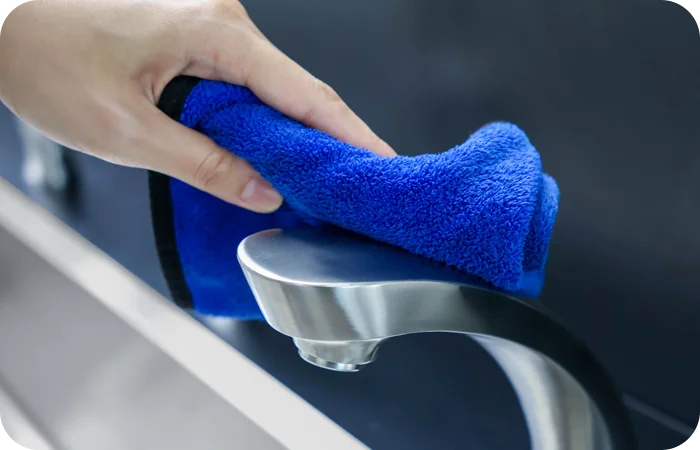
Although stainless steel faucets are more expensive than brass faucets, their long-term economic benefits far outweigh those of brass. First, taking lifespan as an example, the lifespan of stainless steel faucets is more than twice that of brass. Choosing stainless steel can result in significant savings on replacement costs for customers. Secondly, stainless steel's exceptional durability and corrosion resistance reduce the frequency of repairs and cleaning labor costs caused by malfunctions. In contrast, brass, being softer and more prone to oxidation, is more likely to suffer from wear and leakage over time, leading to increased maintenance costs. Thirdly, compared to brass, stainless steel is lead-free and does not produce the highly toxic verdigris, offering a health benefit that is truly priceless.

Firstly, brass contains lead and requires electroplating during production, both of which have adverse impacts on the environment and public health. In 2023, the European Union introduced a ban on chromium-plated materials that took effect in 2024. This ban prohibits the sale of any products using chromium-plated materials within Europe, primarily due to the release of toxic chemicals during production that pose health hazards, including hexavalent chromium—a known carcinogen. Before this European ban, California had enacted a similar ban. In contrast, stainless steel is lead-free and does not require electroplating, making it an environmentally friendly choice. Although low-toxicity trivalent chromium is permissible, its cost is considerable. Secondly, stainless steel faucets are 100% recyclable at the end of their lifespan, reducing resource waste and environmental pollution.

As consumers place greater emphasis on sustainability, health, and durability, the application prospects for stainless steel commercial faucets are becoming more and more promising.
In recent years, the adoption of stainless steel faucets in the commercial kitchen sector has steadily increased. More and more commercial kitchens, public drinking facilities, schools, and other settings are opting for stainless steel faucets. This trend reflects consumers' growing recognition of stainless steel’s performance and their increasing awareness of sustainability, health, and durability.

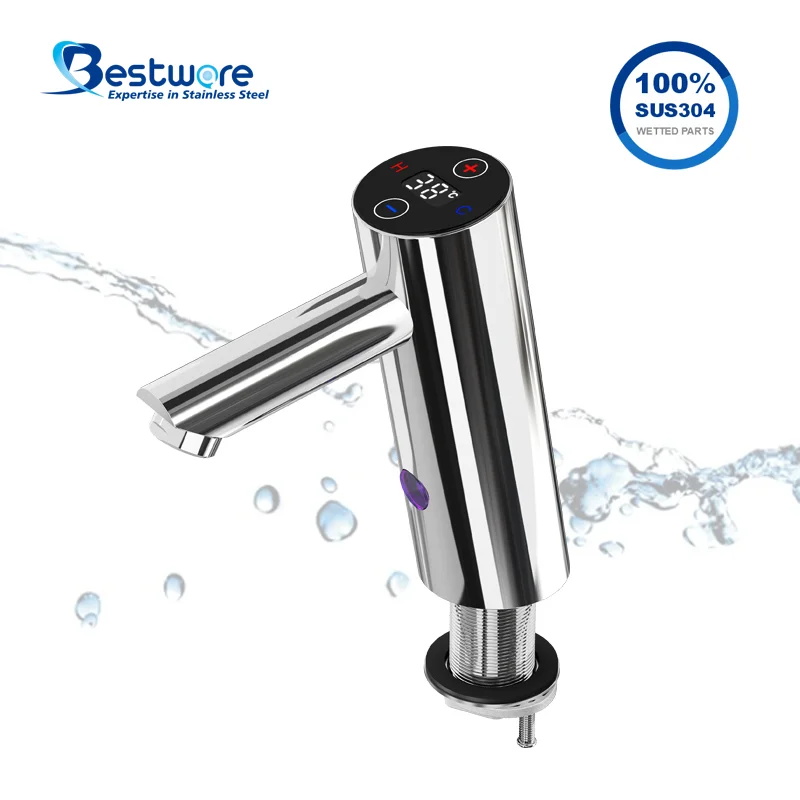
In the commercial faucet industry, another key reason brass has long dominated the market is the complexity and immaturity of stainless steel processing techniques. However, with continuous technological advancements and innovations, stainless steel faucets are poised for widespread adoption. For example, improvements in surface treatment processes and machining precision can further enhance the aesthetics and durability of stainless steel faucets. Furthermore, by incorporating intelligent control technology, stainless steel faucets can achieve automation and intelligent operation.
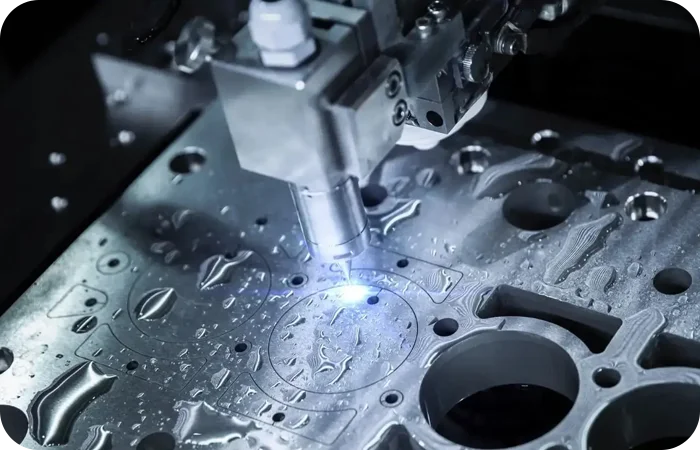
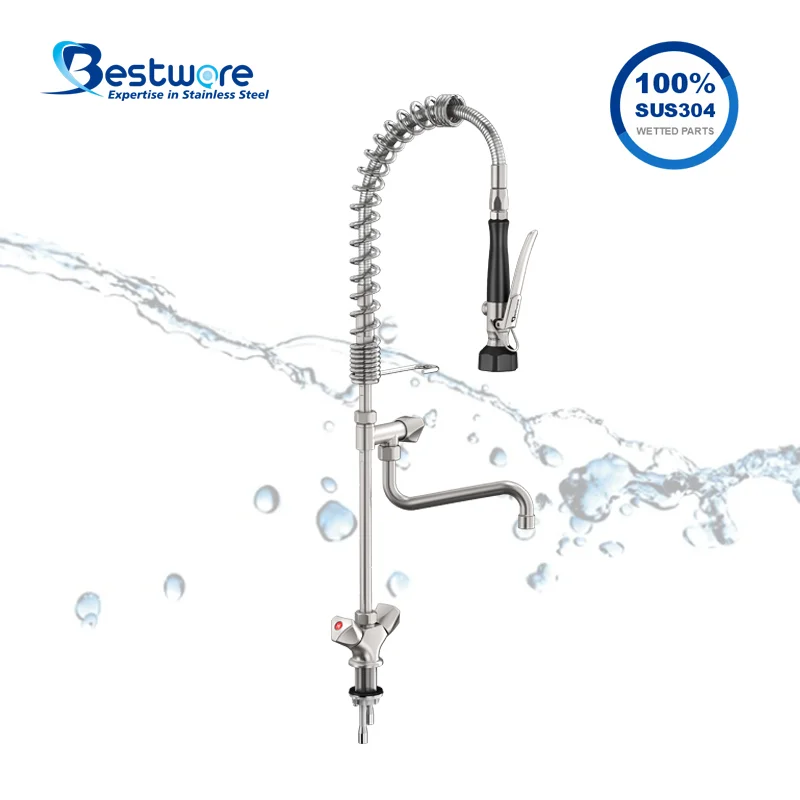
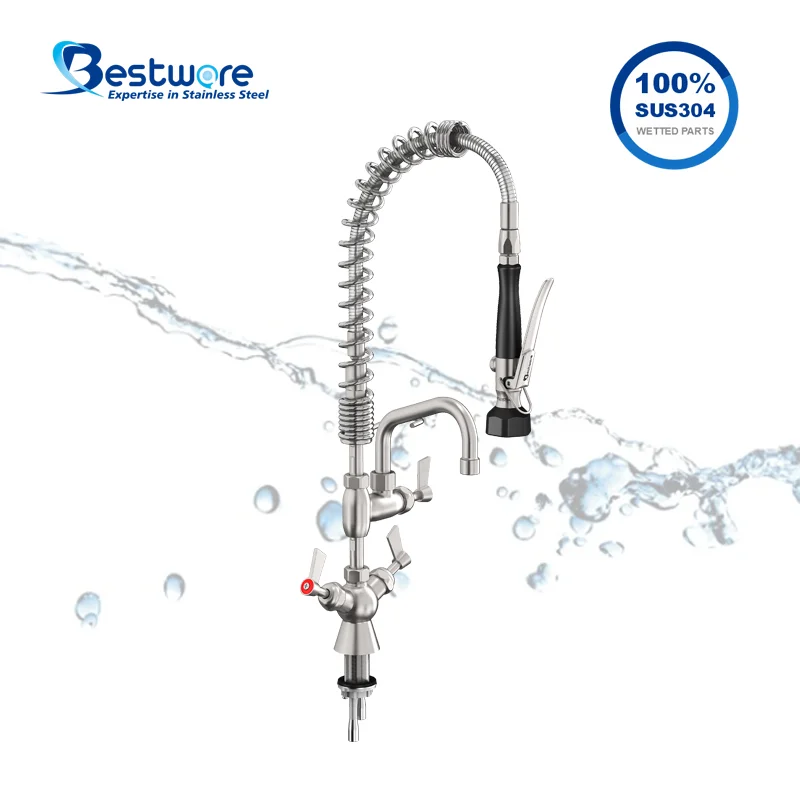
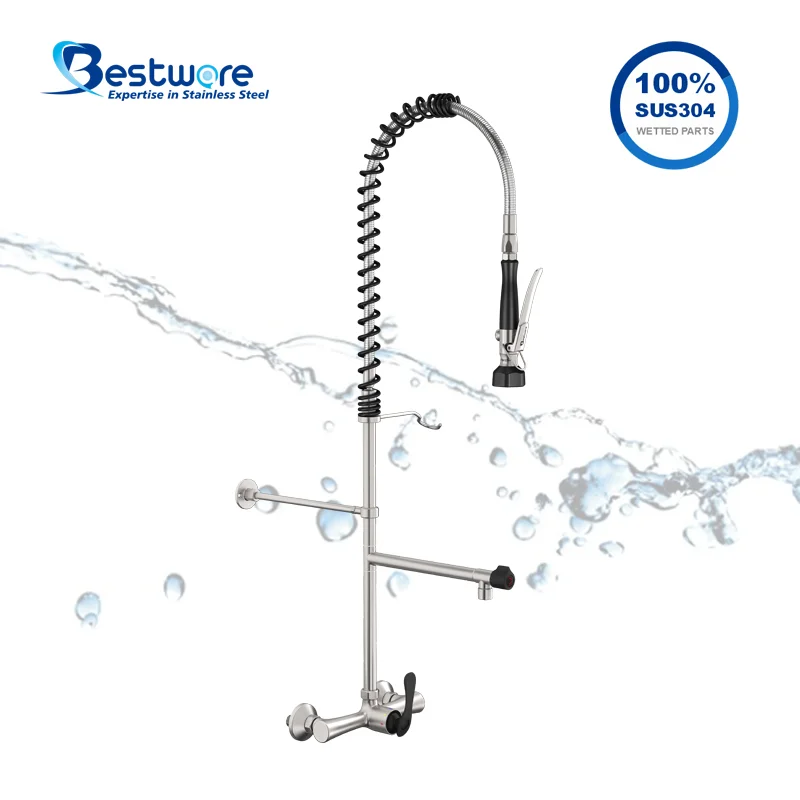
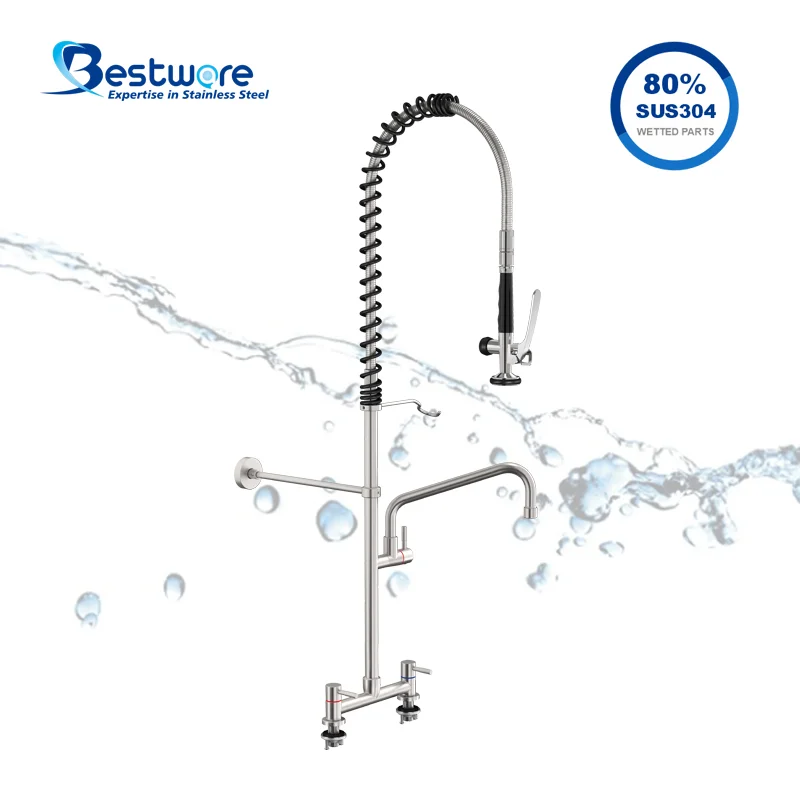
In conclusion, 304 stainless steel has emerged as the preferred material for commercial faucets, due to its lead-free safety, exceptional hardness and durability, ease of cleaning and maintenance, and significant long-term economic benefits. It is also one of the most suitable metals for food safety applications. In 2013, Bestware astutely recognized this trend and firmly believed that stainless steel would ultimately replace brass. As a result, we decisively chose it as the material for the new generation of commercial faucets. And in 2015, we became the world's first company to achieve mass production of all-stainless steel commercial faucets, becoming the industry's first to take this bold step. Over the past decade, through continuous refinement and improvement, our products have firmly established themselves in the industry and become the top-tier stainless steel commercial faucets, continuing to drive the industry's sustainable development.
One-stop Solution Provider of Stainless Steel Commercial Faucets
Email: business@bestware-stainless.com
after-sales@bestware-stainless.com
Tel: +86 18929047065
WhatsApp: +86 18929047065


WeChat: +86 18929047065


Website: www.bestware-stainless.com(Global Site)
www.bestware-sparkling.com(Water Dispenser)
Add: Block 8, No. 6, Jianda Nan Road, Jiangmen, Guangdong, China
Copyright © Bestware Hardware Production Co., Ltd. All Rights Reserved.
(2).webp)
(1).webp)