Date: 2026-03-25
In many commercial kitchens, a familiar sound is often heard: when a spray valve is suddenly released, a loud “bang” can be heard from the pipes. This phenomenon is especially common in busy restaurants, hotel kitchens, and central food preparation facilities.
This sound is commonly known as water hammer. In high-frequency commercial kitchen environments, spray valves may be operated hundreds of times a day. If the equipment is not properly designed, water hammer can not only create sharp and unpleasant noise, but may also lead to long-term impact on piping, valve components, and even the equipment itself. This raises an important question: Why are some spray valves more likely to induce water hammer, while others produce little to no noticeable effect?
Water hammer is a common physical phenomenon in fluid systems. When water flows rapidly through a pipe and a valve is closed abruptly, the moving water is suddenly forced to stop, generating a strong pressure wave.
This pressure wave travels through the pipeline and may result in:
· Pipe vibration
· Metallic knocking or banging sounds
· Sudden pressure impact on pipes or valves
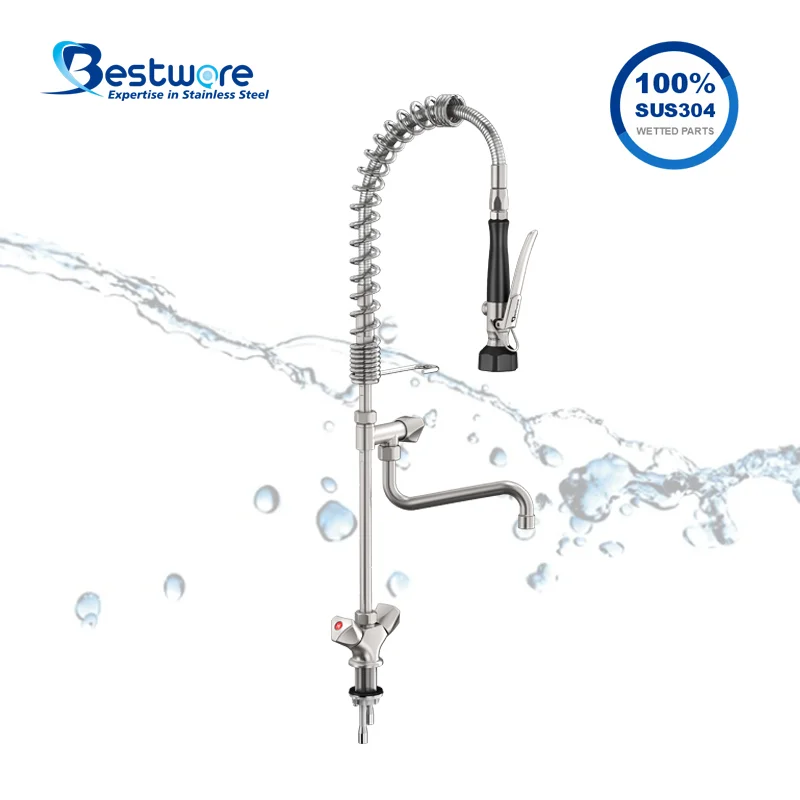
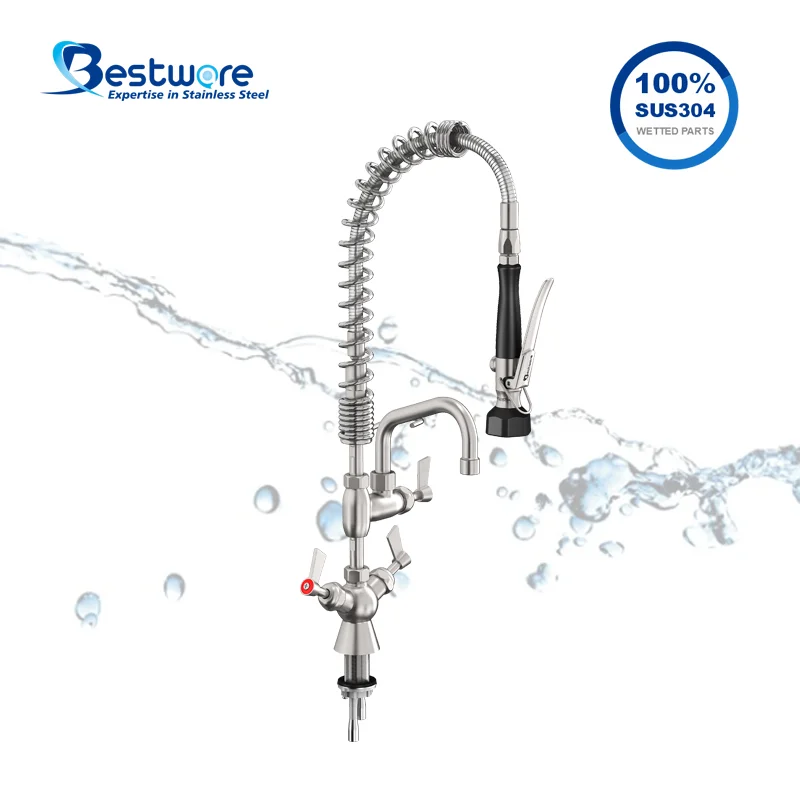
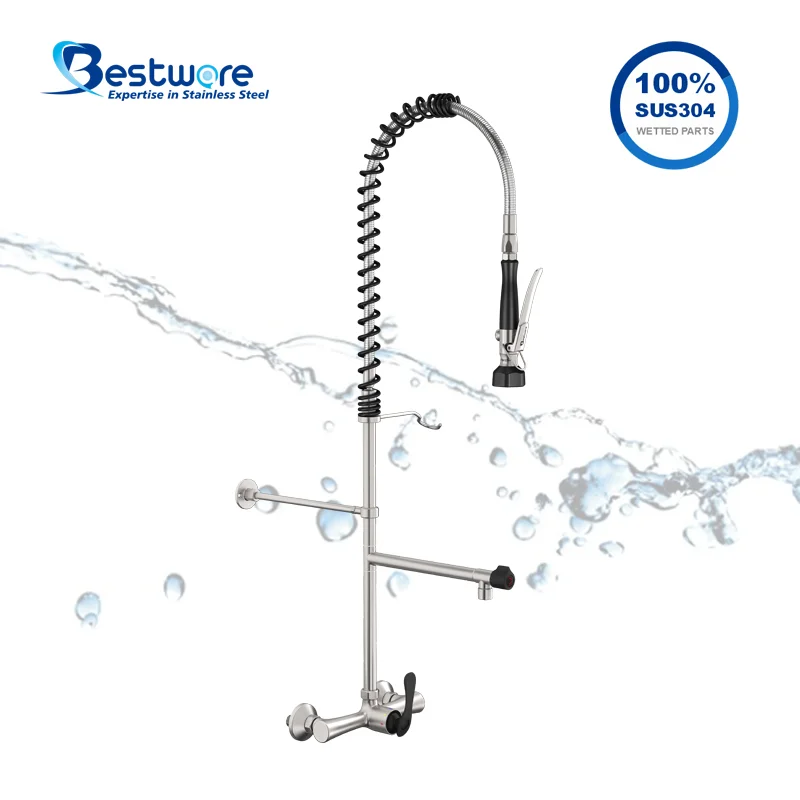
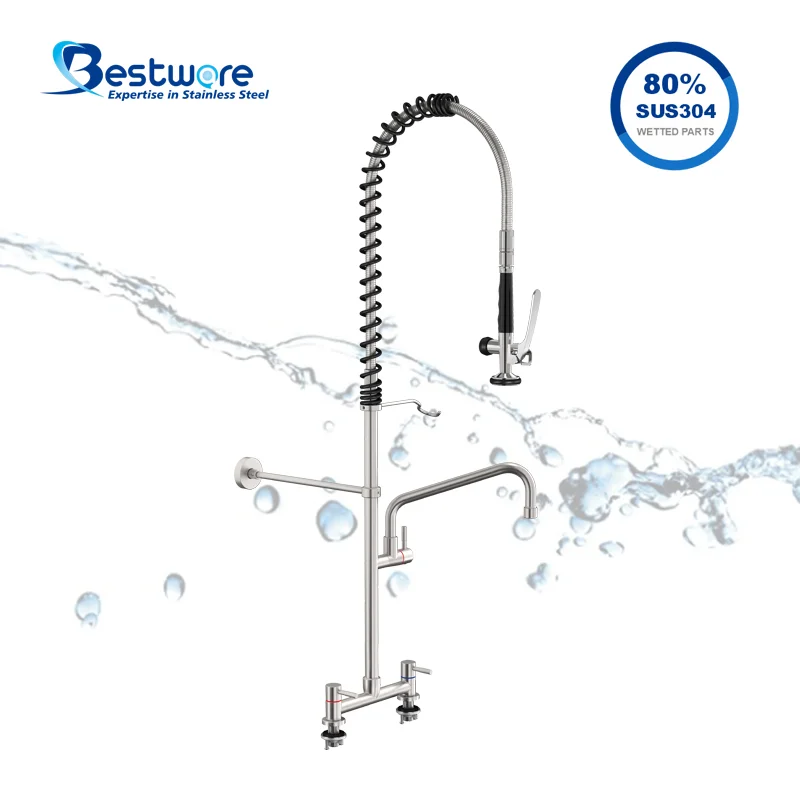
In commercial kitchens, pre rinse faucets are typically connected to high-pressure water supplies and are used very frequently, making water hammer more likely to occur.
If such impacts persist over time, they may lead to:
· Accelerated wear of valve components
· Loosening of water connections
· Increased stress on the piping system
Therefore, reducing water hammer is not only about minimizing noise, but also about protecting the overall stability of the plumbing setup.
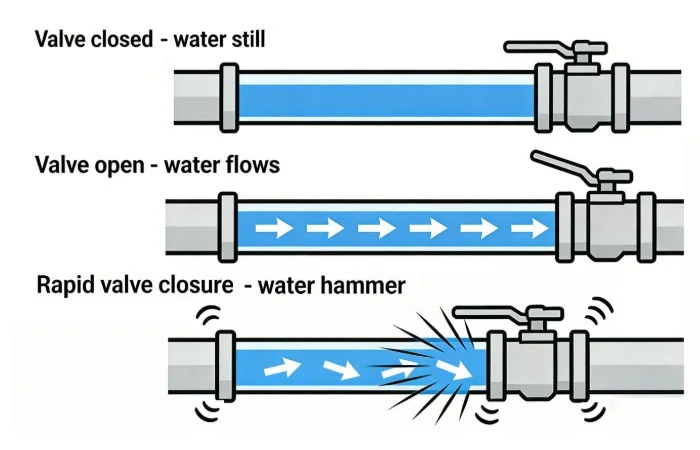
In practice, not all spray valves produce noticeable water hammer. The difference often lies not in whether water hammer occurs, but in how intense it is. One of the most direct factors is: how the water flow is shut off.
When a spray valve is released and the water flow is cut off instantly, the inertia of the moving water transfers directly into the piping, creating a strong pressure surge—this is what produces the audible “bang.” On the other hand, if the water does not stop abruptly but instead slows down over a very short buffering period, the impact can be significantly reduced. In addition, commercial kitchens typically operate under relatively high water pressure. When high-pressure flow is stopped suddenly, the resulting impact becomes even more pronounced. Therefore, the internal design and shut-off behavior of the spray valve directly influence the intensity of water hammer.
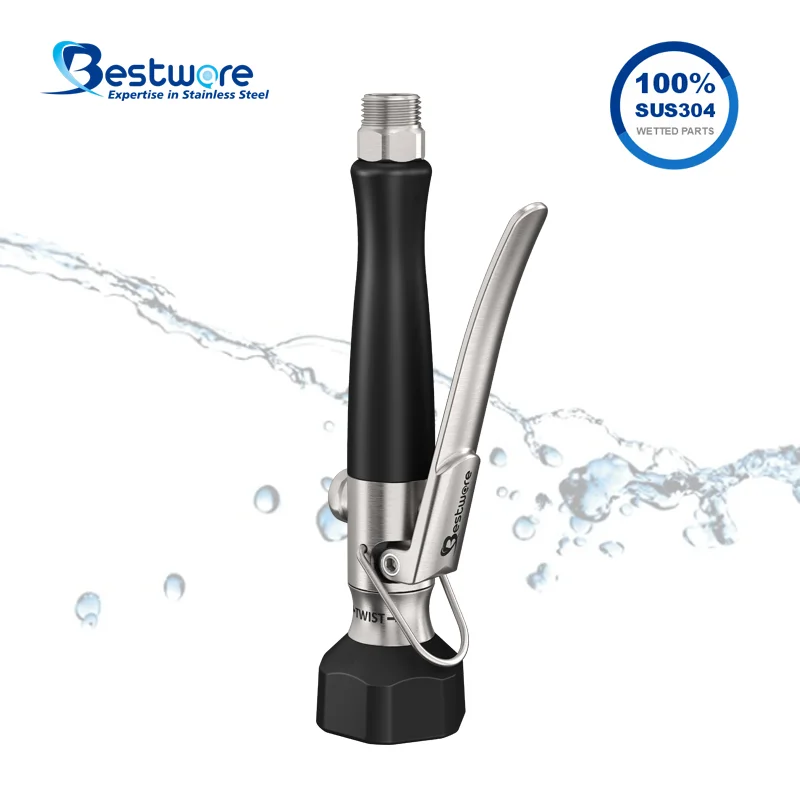
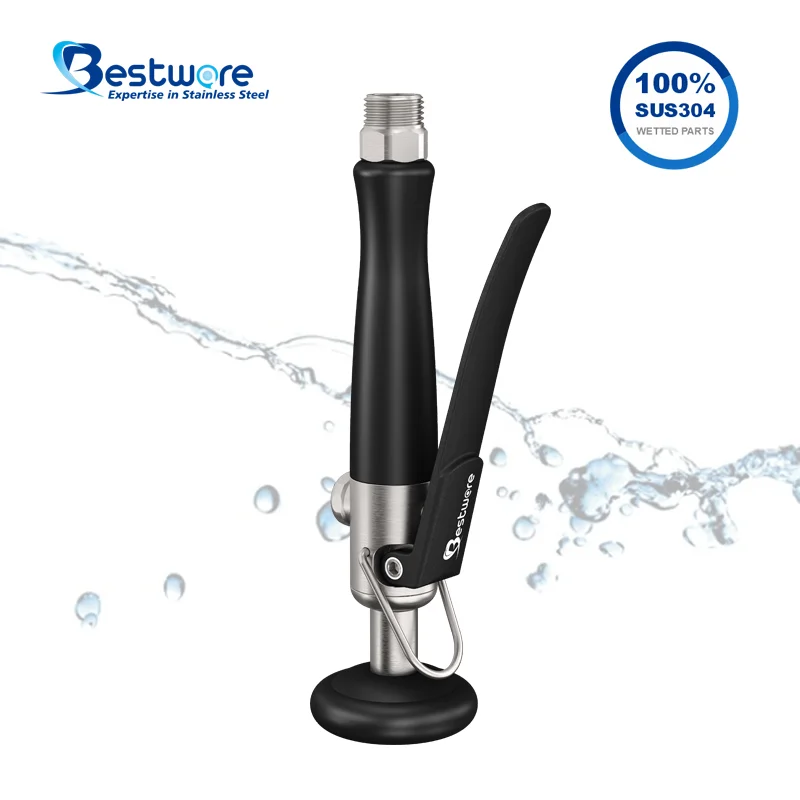
In a pre rinse faucet, the spray valve is the core component that controls the start and stop of water flow. It can be simply understood that the strength of water hammer largely depends on “how the water is turned off.” If the internal structure of the spray valve is a simple shut-off design, the water flow will be cut off immediately when the handle is released. This “instant stop” is more likely to cause impact. Some optimized spray valves provide a certain buffering effect during the closing process, so that the water does not stop all at once. In actual use, this difference will be reflected as: some spray valves produce a clear sound when closed, while others are relatively smoother. This difference in experience is essentially caused by structural design.
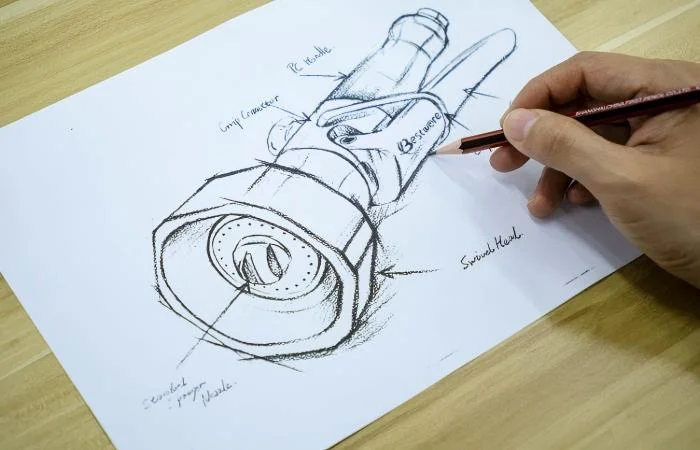
In order to reduce water hammer, some more optimized spray valves adopt a buffered structure design (such as hydraulic buffering). The core principle of this design is that the water flow does not stop instantly when closing, but slows down slightly before stopping. Through this short buffering process, the instantaneous pressure impact can be effectively reduced.
In actual use, this type of design can bring the following benefits:
· Reduce water hammer impact in pipes
· Lower noise in the kitchen environment
· Reduce long-term impact on the water system
· Improve the smoothness of spray valve operation
For example, some professional spray valves (such as BESTWARE patented spray valves) optimize the water shut-off process through hydraulic buffering structures, thereby effectively reducing water hammer impact. At the same time, this design also improves operating comfort, making long-term use easier and reducing hand fatigue. For kitchen staff who need to perform cleaning work for long periods, this kind of detailed design can significantly improve the user experience.
Water hammer is not uncommon in commercial kitchen water supply systems, but it is not unavoidable. In many cases, the cause of water hammer is not the water pressure itself, but whether the internal structure of the equipment is reasonably designed. When selecting a pre rinse faucet, in addition to spray performance and durability, whether the spray valve shuts off smoothly is also a factor worth considering. For high-frequency commercial kitchens, these seemingly small design differences often show clear value over long-term use.
One-stop Solution Provider of Stainless Steel Commercial Faucets
Email: business@bestware-stainless.com
after-sales@bestware-stainless.com
Tel: +86 18929047065
WhatsApp: +86 18929047065


WeChat: +86 18929047065


Website: www.bestware-stainless.com(Global Site)
www.bestware-sparkling.com(Water Dispenser)
Add: Block 8, No. 6, Jianda Nan Road, Jiangmen, Guangdong, China
Copyright © Bestware Hardware Production Co., Ltd. All Rights Reserved.
(2).webp)
(1).webp)