Date: 2026-04-30
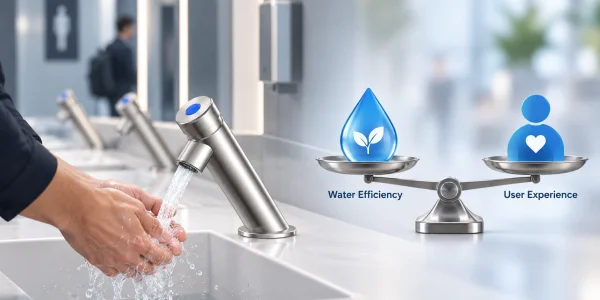
In high-frequency water-use environments — public facilities, food service, healthcare, and education — metering faucets have long been a standard fixture, valued primarily for controlling consumption and reducing waste. In practice, however, the challenges run deeper than water savings alone. Data shows that faucet use accounts for 15–20% of indoor water consumption in commercial buildings. In high-traffic settings, poorly calibrated flow durations alone can drive 10–30% in avoidable water waste. At the same time, sourcing multiple time-specification models to meet varying operational needs continuously adds inventory complexity and management overhead. The conventional approach — "different scenario, different model" — seems logical on the surface, but directly results in SKU proliferation, non-interchangeable spare parts, and fragmented stock. As a result, more projects are shifting toward a more efficient solution: adjustable-time metering faucets that cover multiple scenarios with a single product, reducing inventory pressure at the source.
Real-world projects reveal stark differences in flow-duration requirements across settings. Schools tend to favor shorter durations to minimize waste; hospitals require longer run times to meet hygiene standards; high-traffic areas must balance throughput with user experience. With fixed-duration faucets, the only way to address these differences is to stock a separate model for each scenario.
|
Model Type |
Typical Applications |
Usage Frequency |
Primary Risk |
|
Short (6–8 sec) |
Schools, office buildings |
High |
Prone to stockouts; high risk of maintenance disruption |
|
Medium (8–10 sec) |
General public areas |
Moderate |
Inventory fluctuation; difficult to forecast accurately |
|
Medium-long (10–12 sec) |
Commercial kitchens |
Low |
Capital tied up in slow-moving stock |
|
Long (12–16 sec) |
Hospital sanitation zones |
Low |
Capital tied up in slow-moving stock |
This dynamic creates several compounding problems. SKU counts multiply as a single project requires simultaneous procurement across multiple time specifications, scattering inventory across categories. Spare parts management grows unwieldy, since different models often have different internal components that cannot be shared across variants — each requiring its own dedicated stockpile. Inventory risk rises as low-rotation models accumulate dead stock while high-demand models run short, disrupting maintenance schedules.
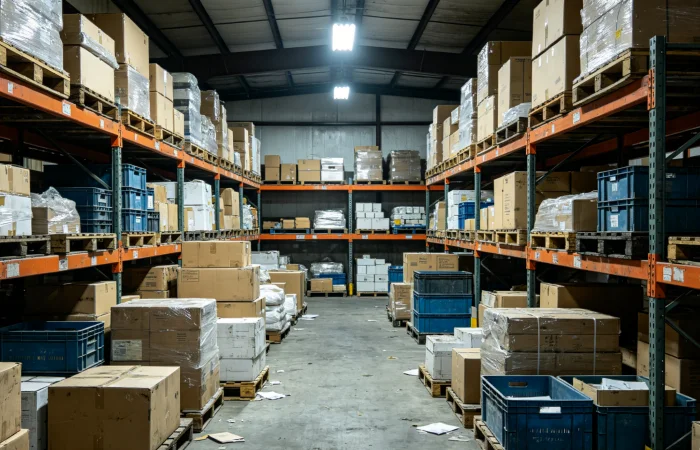
In multi-site or chain operations, these issues compound further. Inconsistent configurations across locations make centralized procurement difficult, prevent pooled inventory management, and steadily erode operational efficiency. At its core, the problem isn't excess demand — it's products that cannot flex to meet varying needs, forcing the system to solve every new requirement by adding another model.
The proliferation of models traces back to the fundamental logic of fixed-duration faucets: one product, one flow time. Any shift in requirements means a model change. This one-to-one relationship holds up when use cases are uniform, but in environments with multiple zones and varying usage intensity, it rapidly inflates system complexity. Procurement teams find themselves perpetually cycling through time specifications while the inventory structure grows ever more fragmented.
Fixed-duration designs also create real losses at the point of use. When the set time exceeds actual need, water is wasted on every single activation. Consider a public restroom with 500 daily uses: if the flow duration is set just 3 seconds longer than necessary, that adds roughly 1,500 seconds of excess flow per day — at a typical flow rate of 1.5 liters per minute, that's approximately 37.5 liters wasted daily, or more than 13,000 liters per year. Conversely, when the duration falls short of user need, people press again — accelerating equipment wear and increasing maintenance frequency. Fixed-duration faucets ultimately fail on both counts: they neither enable precise water control nor support efficient management.
|
Daily Uses |
Time Surplus (sec) |
Extra Waste Per Day (L) |
Extra Waste Per Year (L) |
|
200 |
+3 |
15 |
~5,475 |
|
500 |
+3 |
37.5 |
~13,688 |
|
1000 |
+3 |
75 |
~27,375 |

Adjustable-time metering faucets change this dynamic at its root. Through a built-in adjustment mechanism, a single product spans a range of flow durations, adapting to different use cases without requiring a model change. What previously demanded multiple SKUs can now be handled by one, cutting model count at the source. For procurement teams, the most immediate benefit is a simpler inventory structure. Fewer models mean more concentrated stock, improving warehouse efficiency and logistics coordination. Unified internal architecture also raises component interchangeability, dramatically simplifying spare parts inventory and reducing the capital tied up in it.
From an inventory management standpoint, adjustable-time designs deliver more stable turnover. Without reliance on multiple low-rotation variants, dead stock risk falls sharply — while high-use products remain consistently available. In multi-site or chain operations, a single product makes it far easier to establish uniform procurement standards, enabling economies of scale and tighter cost control. On the usage side, the advantages are equally concrete. Facility managers can fine-tune flow duration by zone to match actual patterns, eliminating unnecessary consumption. This means water control and inventory optimization are achieved within the same design logic — the solution lies not in adding complexity to the product lineup, but in expanding the adaptability of each individual product.
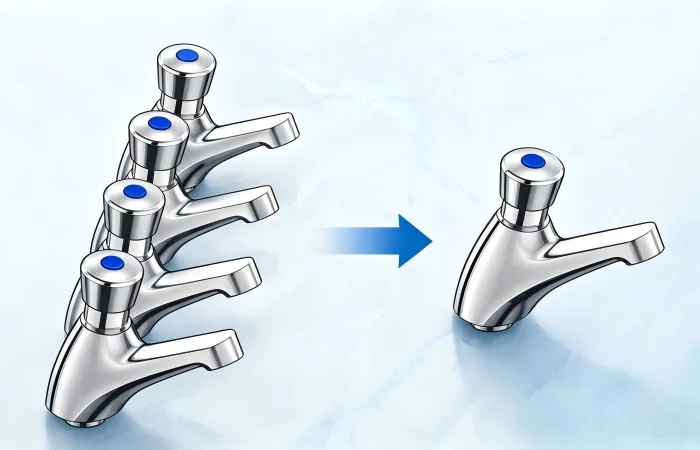
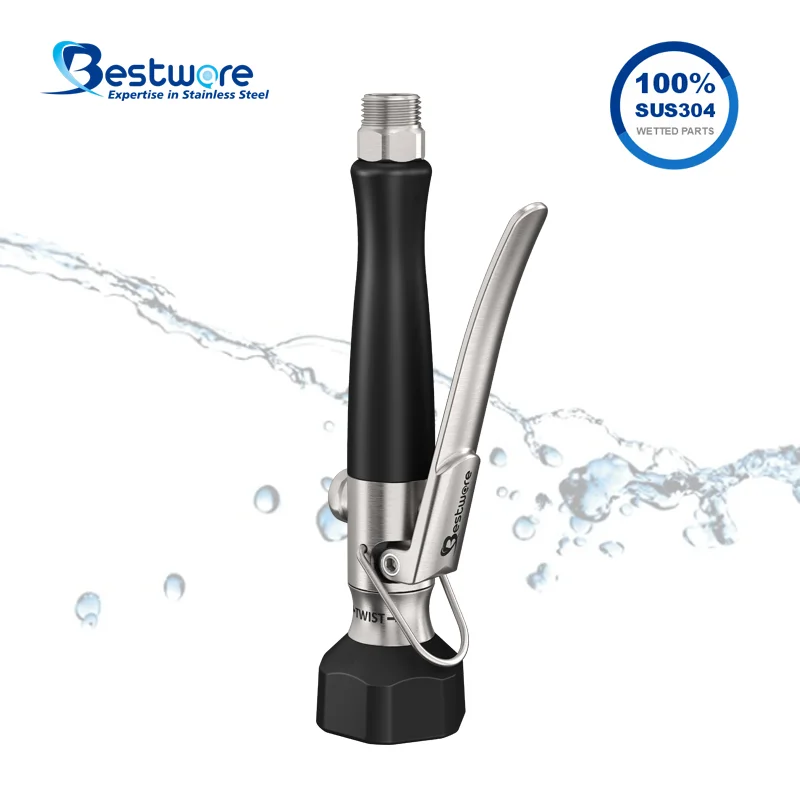
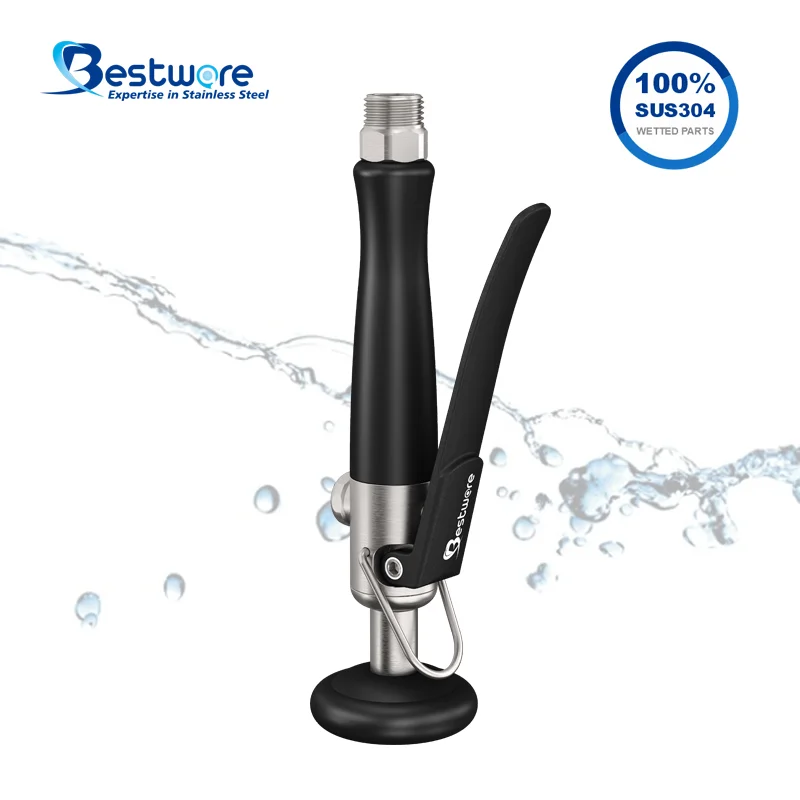
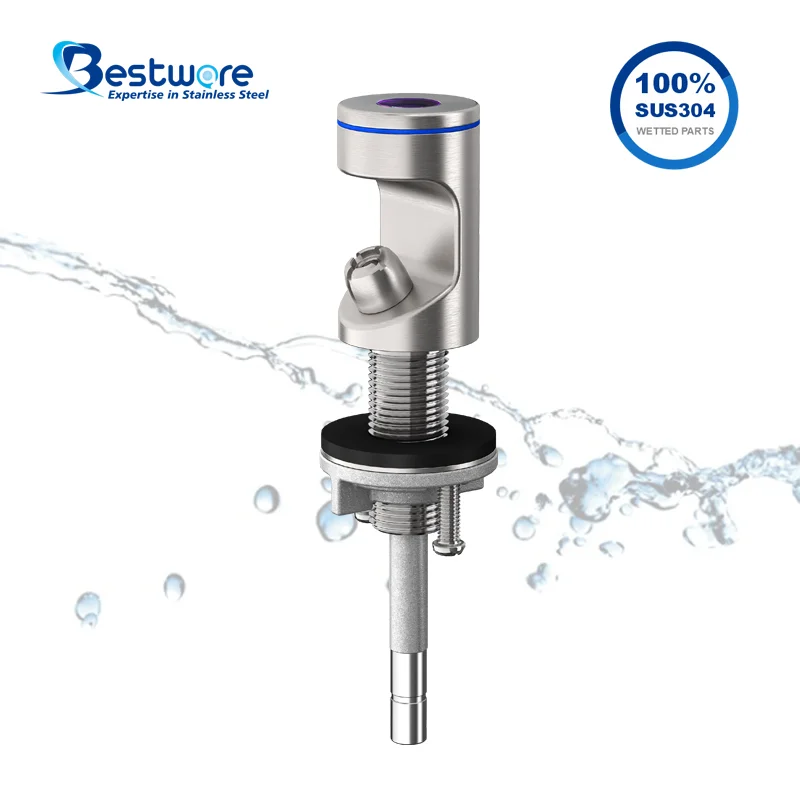
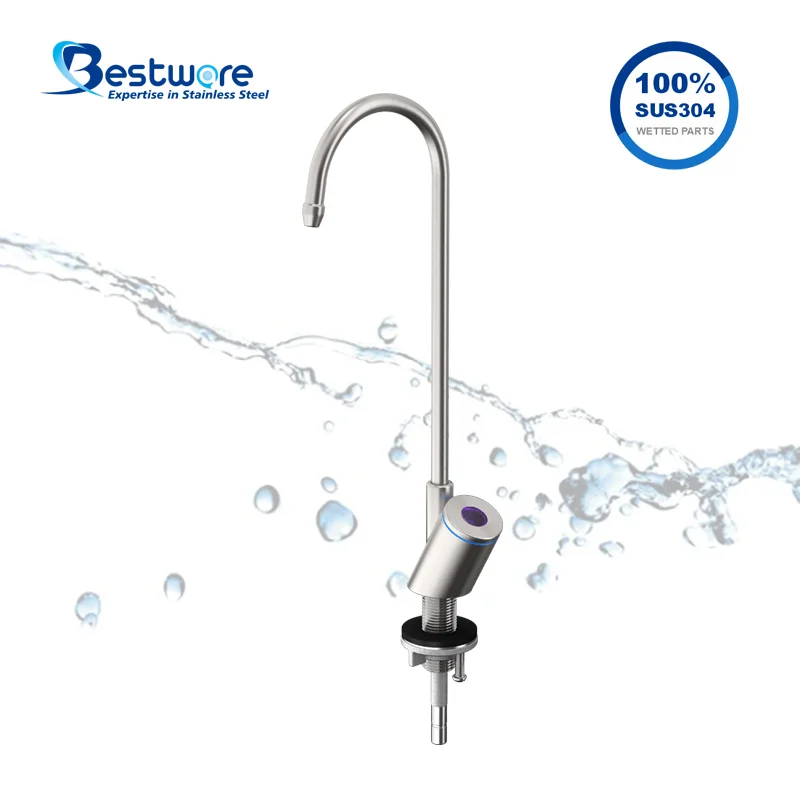
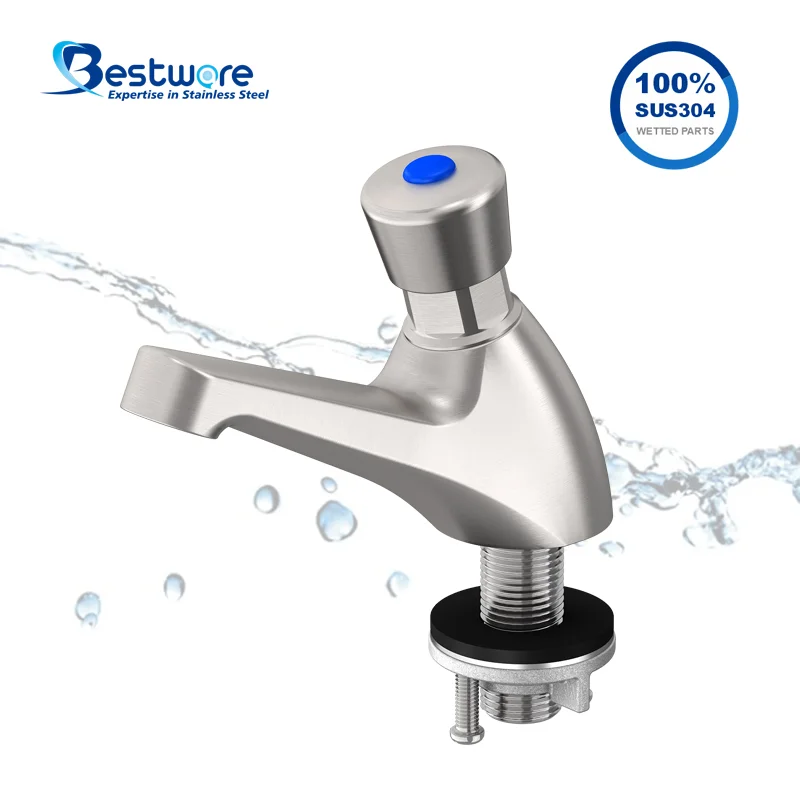
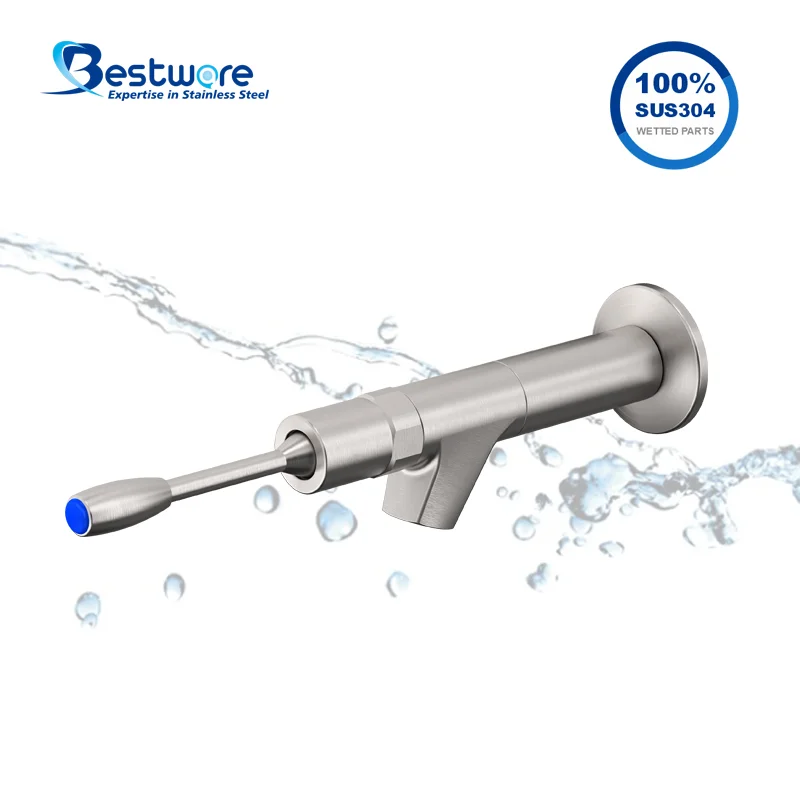
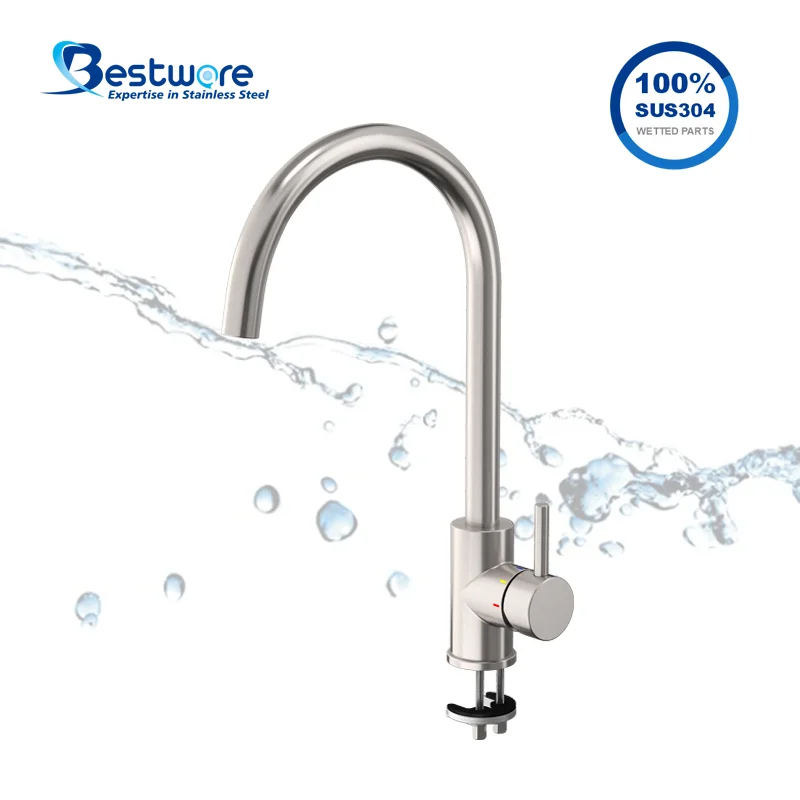
In real applications, the effectiveness of adjustable-time metering faucets depends on design capability. Bestware metering faucets focuses on expanding adaptability and ensuring long-term reliability in high-frequency environments. The product offers a 6–16 second adjustable range, one of the widest in the industry, enabling a single faucet to cover most public-use scenarios. This allows multiple fixed-time models to be replaced by one product, significantly reducing SKU count. Structurally, internal components are optimized for consistency, improving spare part interchangeability and simplifying inventory management.
In terms of material, the faucet is made from 100% lead-free SUS304 stainless steel, offering superior corrosion resistance compared to traditional materials and better suitability for high-use environments. This reduces replacement frequency and spare part demand over time. Additionally, the pressing force is reduced by approximately 50% through optimized internal design, improving usability across different user groups while minimizing wear caused by excessive force. Overall, this is not just an adjustable faucet, but a product-level solution designed to optimize both inventory and operational efficiency.
|
Dimension |
Standard Metering Faucet |
Bestware |
|
SKU Replacement Capability |
Limited |
Replaces multiple model types |
|
Adjustable Range |
3–10 sec |
6–16 sec |
|
Material |
Brass / mixed |
100% SUS304 stainless steel |
|
Actuation Force |
Standard |
−50% |
For procurement managers, what truly drives long-term cost is not the unit price of any single product — it's the complexity of the entire inventory and management system. Fixed-duration metering faucets solve varying needs by multiplying models, but in doing so they fragment stock, complicate spare parts logistics, and raise management overhead. Adjustable-time metering faucets take the opposite approach: by expanding a single product's adaptability, they cover multiple scenarios without multiplying SKUs, consolidating inventory structure in the process. The result is not just lower inventory pressure — it's a measurable gain in operational efficiency. Moving from multi-model procurement to single-product coverage isn't simply a product choice. It's an upgrade in the logic of how procurement and facility management are done.
One-stop Solution Provider of Stainless Steel Commercial Faucets
Email: business@bestware-stainless.com
after-sales@bestware-stainless.com
Tel: +86 18929047065
WhatsApp: +86 18929047065


WeChat: +86 18929047065


Website: www.bestware-stainless.com(Global Site)
www.bestware-sparkling.com(Water Dispenser)
Add: Block 8, No. 6, Jianda Nan Road, Jiangmen, Guangdong, China
Copyright © Bestware Hardware Production Co., Ltd. All Rights Reserved.
(2).webp)
(1).webp)