Date: 2026-06-10
Against the backdrop of advocating healthy water drinking and environmental protection, an increasing number of public venues have been equipped with drinking water facilities to meet people’s daily hydration needs. Different locations have distinct requirements for such equipment: schools prioritize durability, hospitals put a premium on hygiene, and transportation hubs demand high operational efficiency. As a key component of drinking water facilities, drinking taps directly affect the overall performance of water supply systems. This article introduces the common types and core features of drinking taps used in public areas, aiming to help readers fully understand their practical value.
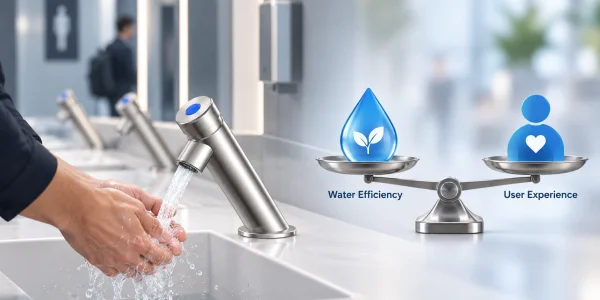
Public drinking taps are terminal devices in public water supply systems that control and dispense drinking water. They determine how people access water and overall user experience. Featuring operating modes such as manual control and sensor activation, these taps deliver convenient water access, cut down water waste and enhance hygiene standards. As public drinking facilities evolve, drinking taps have transformed from simple water outlets into more user-friendly, water-saving and intelligent devices.
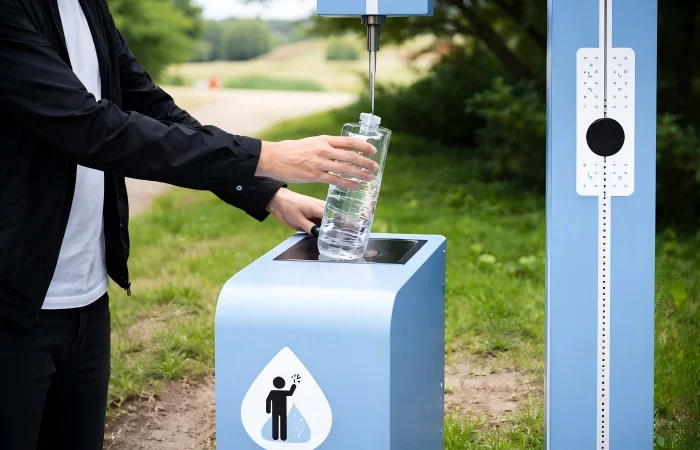
Designed to serve public hydration needs, drinking taps for public use are built to balance practicality, hygiene and durability. Compared with ordinary water outlets, they are subject to stricter standards in terms of user experience, operational stability and water efficiency. Their major features are outlined below:
|
No. |
Features |
Description |
|
1 |
Easy access to drinking water |
People can replenish water anytime in public areas without purchasing bottled water, greatly improving convenience |
|
2 |
Adaptable to high-frequency use |
Specially designed for crowded locations including schools, parks, commercial streets and transportation hubs, capable of enduring frequent operation |
|
3 |
Encourage healthy drinking habits |
Prompt the public to drink water regularly and reduce reliance on sugary drinks and disposable bottled water |
|
4 |
Reliable hygiene and safety |
Manufactured with food-grade materials and rational structural design to ensure safe and hygienic water use |
|
5 |
Energy conservation and environmental protection |
Allow reusable water bottles, curb plastic waste and advance sustainable development |
With the continuous improvement of public drinking facilities, people have raised higher expectations for accessibility, hygiene and safety. Thanks to their superior practicality and adaptability, drinking taps have become indispensable amenities in public spaces, playing a vital role in guaranteeing the public’s access to safe drinking water.
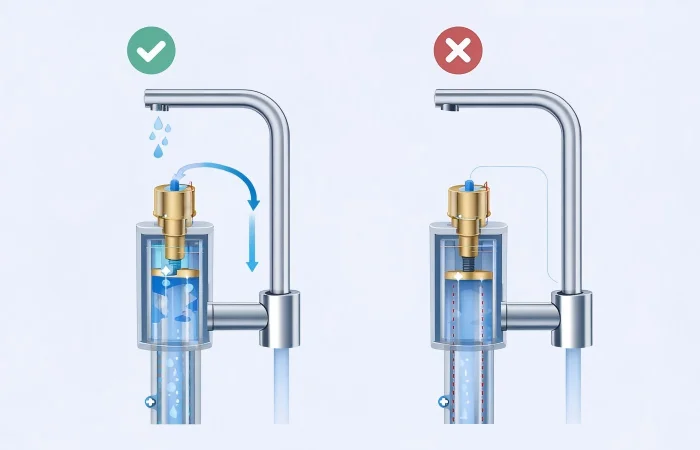
Drinking taps regulate water flow via internal control mechanisms to start and stop water discharge. When a user activates the tap, the cartridge opens, allowing water to flow through pipelines and out of the spout. Once the operation ends, the cartridge closes to cut off the water supply. Modern public drinking taps integrate sealing, flow restriction and automatic control technologies to meet public demands for hygiene, water conservation and high efficiency. They ensure stable water delivery while minimizing water waste and delivering a convenient, safe drinking experience.
Water supplied to public drinking taps mainly comes from municipal water systems. Raw water is purified and disinfected at water treatment plants before being transported through urban water pipe networks to various public facilities such as schools, parks, airports and stations. In venues with dedicated drinking water equipment, tap water will undergo secondary filtration, purification or sterilization to further improve water quality and taste. Processed water is then delivered through pipelines to drinking taps for public use. In this sense, drinking taps are not merely water outlets, but also an integral part of the entire water supply and purification system.
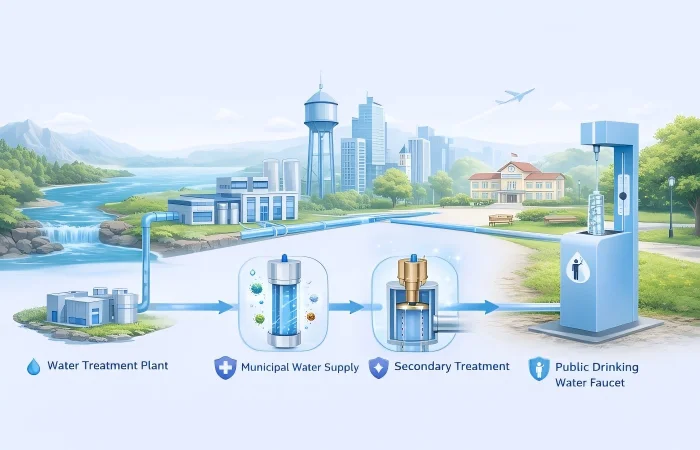
To cater to diverse usage and management needs, public drinking taps have seen continuous functional upgrades, ranging from basic mechanical control to smart sensor technology. Different types vary in water-saving performance, hygiene management and ease of use. Classified by operating modes, the two most widely used types are as follows:
|
No. |
Type |
Features |
|
1 |
Manual drinking taps |
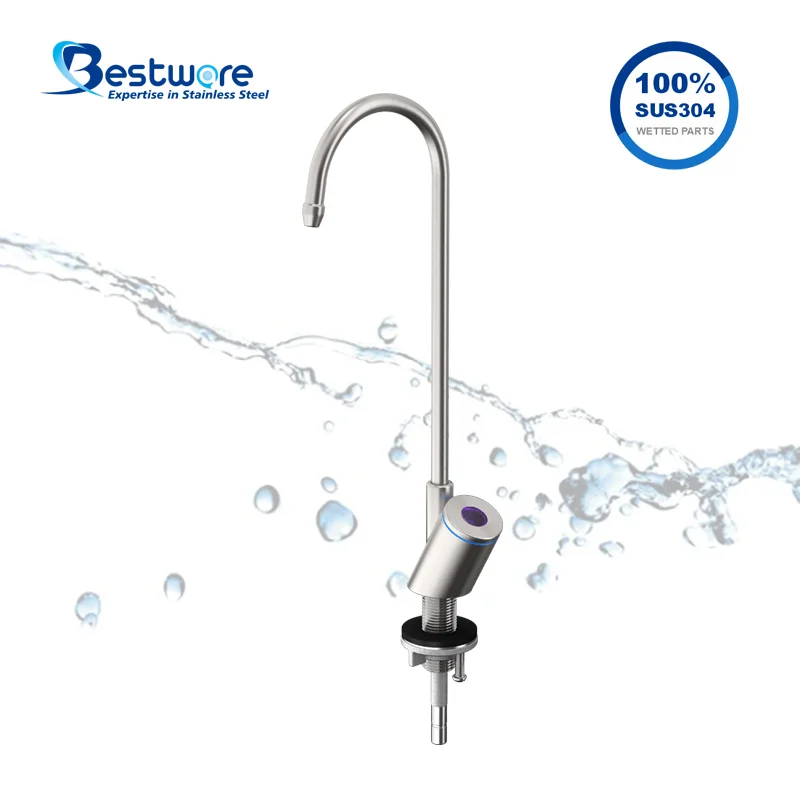
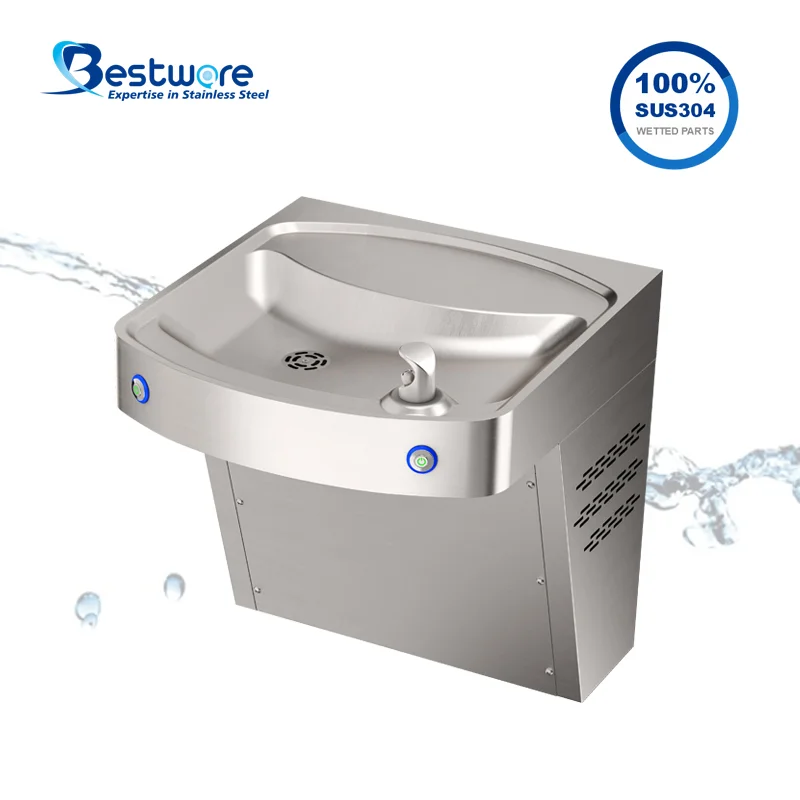
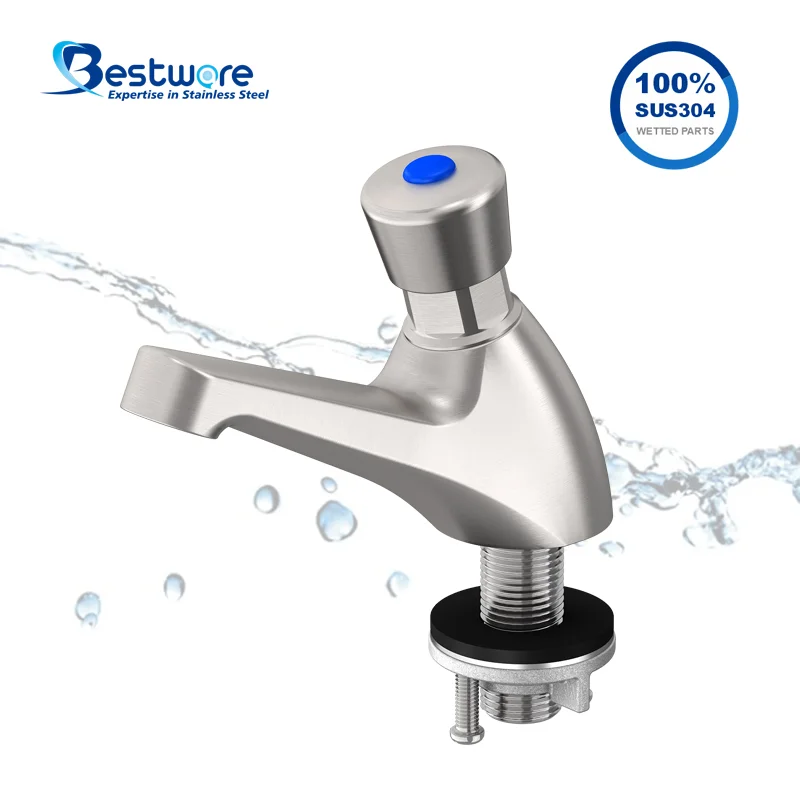
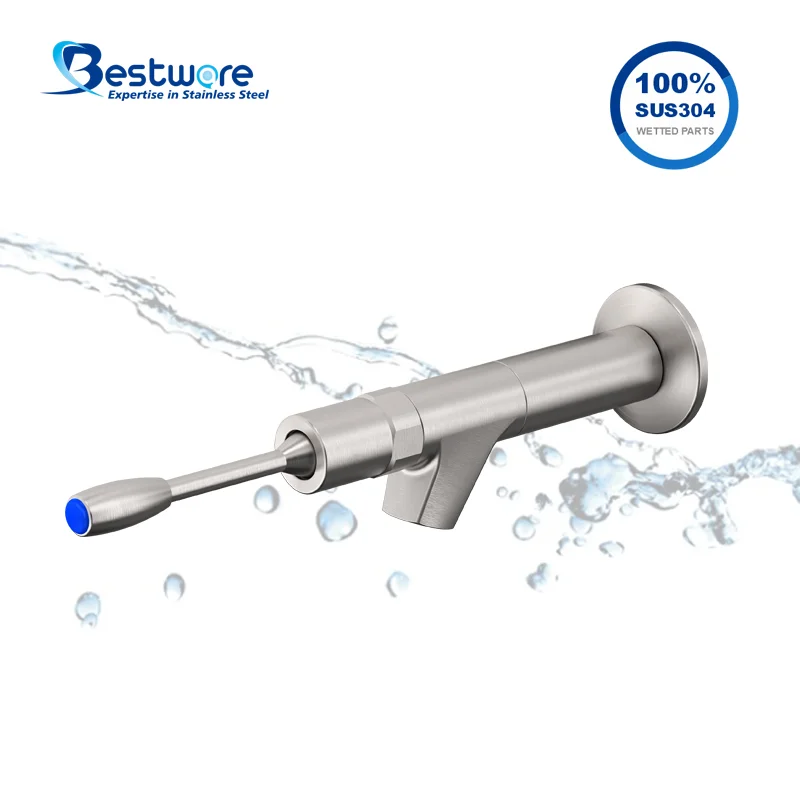
Water is released by pressing a button or lever and stops automatically once released. They feature a simple structure and easy maintenance |
|
2 |
Sensor-activated drinking taps |
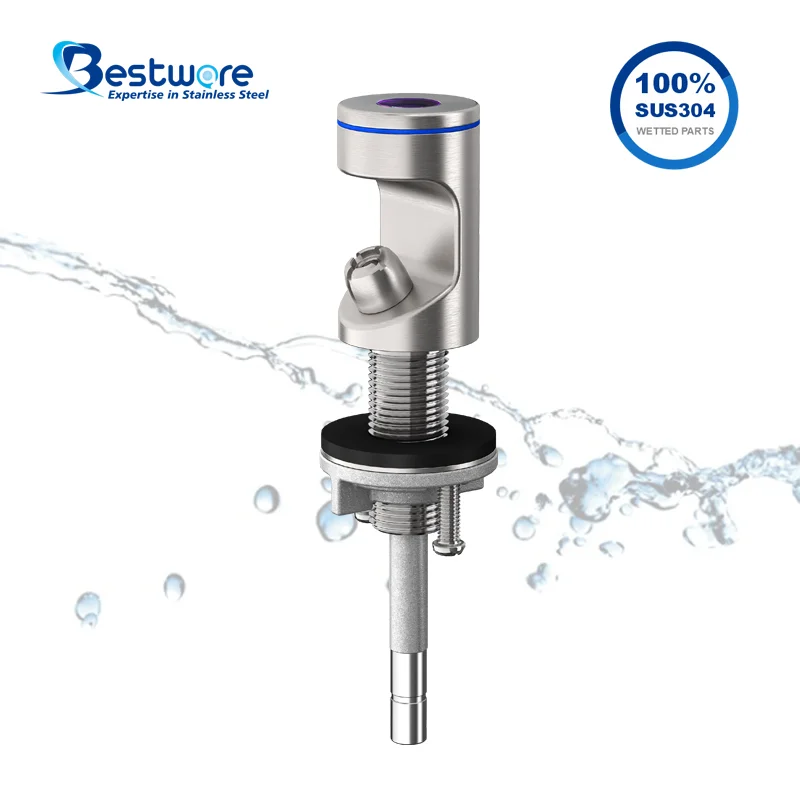
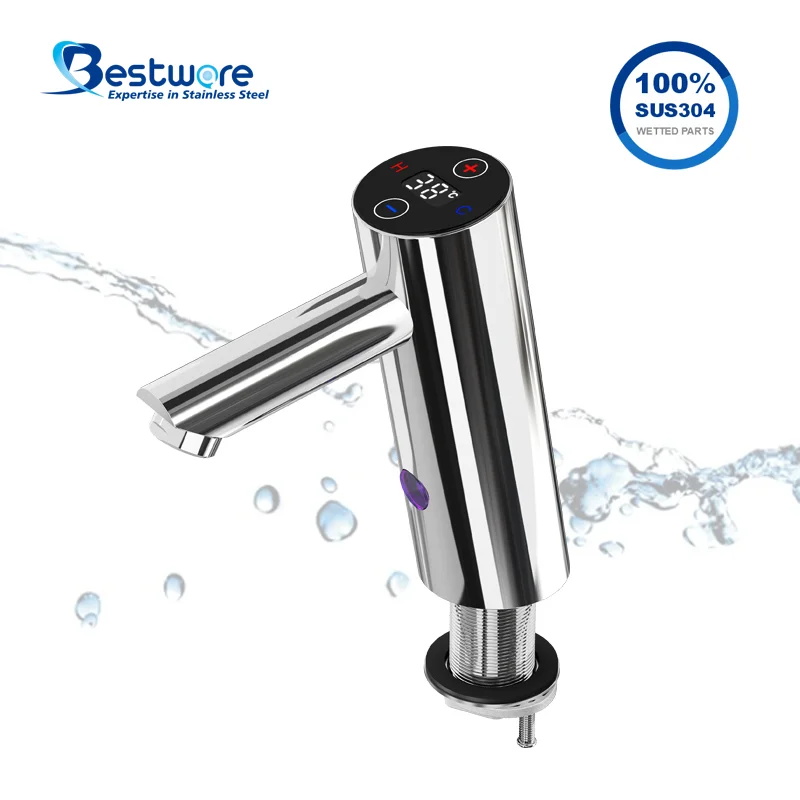
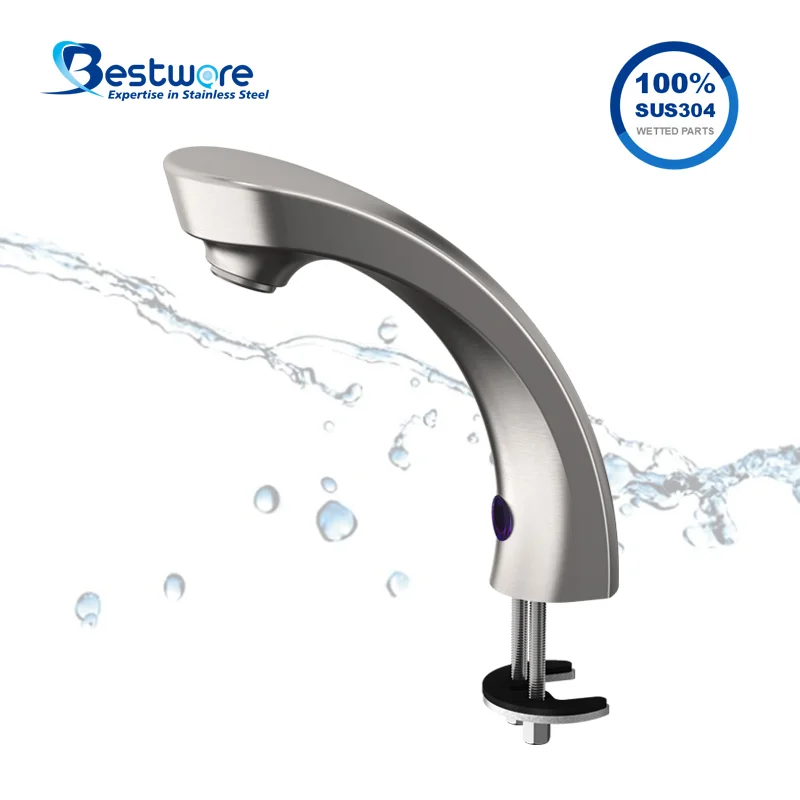
Equipped with infrared sensors to enable automatic water dispensing and shutoff. Physical contact is avoided, which greatly improves hygiene |
All types of public drinking taps are developed to ensure safe water supply, convenient access and efficient management. As public drinking facilities keep upgrading, drinking taps will continue to be optimized to better satisfy people’s needs for convenience, hygiene and comfort.
While public drinking taps offer great convenience, proper personal hygiene practices are still necessary to lower the risk of cross-contamination. The following tips can help users enjoy safe water:
· Let the water run for a few seconds before drinking to flush out stagnant water in the spout and connected pipelines
· Avoid direct mouth contact with the spout or other parts of the facility
· Minimize touching the water outlet and surrounding components to reduce exposure to contaminants
· Wash your hands thoroughly after use, especially in heavily crowded public areas
Well-installed and regularly maintained public drinking taps generally provide safe drinking water. Combined with good personal hygiene habits, these facilities can fully serve the public while safeguarding people’s health.
Hydration is essential for daily life, whether for travel, leisure, work or study. Today, people mainly get drinking water from public drinking taps or bottled water. Both can meet basic hydration needs, yet they differ greatly in convenience, cost, environmental impact and resource utilization. A detailed comparison is shown below:
|
No. |
Comparison Items |
Public Drinking Taps |
Bottled Water |
|
1 |
Access method |
Available anytime free of charge, no prior purchase required |
Needs to be bought in advance or carried around |
|
2 |
Usage cost |
Free or low-cost for long-term use |
Incurs continuous expenses with repeated purchases |
|
3 |
Environmental performance |
Supports reusable water bottles and reduces plastic waste |
Generates large amounts of single-use plastic packaging waste |
|
4 |
Resource consumption |
Relies on existing municipal water systems with high resource efficiency |
Consumes massive resources in production, packaging and transportation |
|
5 |
Overall advantages |
Economical, convenient and eco-friendly, ideal for long-term use |
Highly portable, suitable for places without public drinking facilities |
Public drinking taps stand out in economy, environmental friendliness and long-term value. They not only deliver convenient water services but also cut down plastic waste and resource consumption. As public drinking facilities become more prevalent, using reusable bottles to refill at public drinking taps has become a greener and more sustainable choice.
Public venues differ in foot traffic, usage frequency and hygiene requirements, which call for different types of drinking taps. A proper choice can enhance user experience and improve equipment efficiency and management. The matching recommendations are as follows:
|
No. |
Public Venues |
Recommended Type |
Reasons |
|
1 |
Schools |
Sensor-activated taps |
Prevent physical contact and inhibit bacterial growth |
|
2 |
Parks & Squares |
Manual taps |
Easy to maintain and resistant to harsh outdoor environments and heavy use |
|
3 |
Office Buildings & Commercial Centers |
Sensor-activated taps |
Convenient for refilling cups and bottles, reduce the use of disposable bottled water and maintain high hygiene standards |
|
4 |
Airports & Railway Stations |
Manual taps |
Handle massive crowds effectively and prevent running water waste to lower operational costs |
No single type of drinking tap can fit all scenarios. In practical selection, factors including usage frequency, hygiene standards, maintenance costs and user demands should be taken into account to achieve optimal performance and easy management.
Public drinking taps operate under heavy and frequent use. Regular maintenance and upkeep can preserve water hygiene, maintain equipment performance, prolong service life and reduce repair costs. Establishing standardized inspection and cleaning routines ensures stable long-term operation. Key maintenance tasks are listed below:
|
No. |
Maintenance Work |
Details |
|
1 |
Regular surface cleaning |
Wipe the tap surface with soft cloth and neutral detergent to keep it clean |
|
2 |
Spout inspection and cleaning |
Clear limescale and impurities inside and around the spout regularly to avoid blocked water flow |
|
3 |
Keep surrounding areas clean |
Clean the water station area on a regular basis to prevent dust and dirt accumulation |
|
4 |
Inspect sealing components |
Check sealing rings and cartridges timely if water dripping or leakage occurs |
|
5 |
Routine equipment inspection |
Examine the fixture stability, water flow and control mechanisms, and fix faults immediately once detected |
Proper maintenance keeps drinking taps functioning well, improves user experience and guarantees water safety. For high-traffic public areas, a regular maintenance schedule is particularly critical to keep drinking facilities in good condition all year round.
As core terminal components of public drinking water systems, drinking taps guarantee the public easy access to drinking water. With rising demands for public water services, drinking taps have been continuously upgraded in design, functionality and manageability. From traditional mechanical controls to smart sensor technology, and from basic water delivery to humanized design, their value goes far beyond simply dispensing water. Through proper model selection, standardized use and scientific maintenance, public drinking taps can better meet diverse demands across different venues, providing the public with efficient, comfortable and reliable water services, and driving the high-quality development of public drinking facilities.
One-stop Solution Provider of Stainless Steel Commercial Faucets
Email: business@bestware-stainless.com
after-sales@bestware-stainless.com
Tel: +86 18929047065
WhatsApp: +86 18929047065


WeChat: +86 18929047065


Website: www.bestware-stainless.com(Global Site)
www.bestware-sparkling.com(Water Dispenser)
Add: Block 8, No. 6, Jianda Nan Road, Jiangmen, Guangdong, China
Copyright © Bestware Hardware Production Co., Ltd. All Rights Reserved.
(2).webp)
(1).webp)