Date: 2026-05-29
In commercial kitchens, cleaning efficiency often directly affects the overall operational rhythm. From rapid rinsing during peak kitchen hours to large-scale cleaning at the end of service, the spray valve is one of the most frequently used pieces of equipment every day. However, many kitchen operators have found that traditional spray valves show clear limitations in real-world applications. Some lack sufficient impact force to remove stubborn residue effectively, while others offer limited coverage and low cleaning efficiency. More commonly, different cleaning tasks require frequent spray head replacement, which not only wastes time but also increases maintenance costs. As commercial kitchens continue to demand higher efficiency, stability, and hygiene standards, integrated dual-function spray valves are becoming a new choice for more and more foodservice kitchens. Compared with traditional single-function spray valves, they can handle both precise rinsing and large-area cleaning while reducing the operational burden caused by frequent spray head replacement through an integrated structural design, delivering a more efficient and stable cleaning experience for commercial kitchens.
In the past, many commercial kitchens only cared about whether a spray valve could "get the job done." Today, however, back-of-house operational logic has changed significantly. On one hand, kitchen cleaning tasks have become increasingly complex. Large cookware, greasy dishes, prep counters, and stainless steel worktables all require different water flow characteristics. A single spray pattern can rarely balance both "powerful cleaning" and "wide-area coverage." On the other hand, the modern foodservice industry places greater emphasis on kitchen efficiency. Especially during peak operating hours, staff must clean large quantities of utensils within a very short period of time. Frequent spray head replacement or switching between cleaning tools not only disrupts workflow but can also create operational confusion.
In addition, traditional spray valves come with several long-overlooked issues:
In household environments, replacing a spray nozzle may only happen occasionally. In commercial kitchens, however, spray valves are used far more frequently. Especially during peak hours, staff continuously switch between different cleaning tasks. Traditional single-function spray valves often cannot meet all these cleaning demands at once, making frequent spray nozzle replacement a common practice in many kitchens. Over time, repeated disassembly can lead to connector wear, seal aging, and other issues. Minor leakage may appear at first, but long-term use can eventually affect cleaning performance and increase maintenance frequency.
Commercial kitchens are naturally fast-paced and highly dynamic working environments. Especially in large restaurant chains and central kitchens, staff turnover is frequent, and equipment management habits vary between employees. Traditional detachable spray nozzles are usually small in size and can easily be misplaced, mistakenly taken, or even lost during busy operations. Once a matching spray nozzle is missing, the equipment can no longer fully perform its intended functions, and in severe cases, the entire spray valve may become temporarily unusable. At the same time, compatibility issues may also arise between different spray nozzle models. To reduce procurement costs, some kitchens may attempt to use alternative replacement parts, but mismatched connections, unstable water flow, or poor sealing performance can further impact the overall user experience.

Compared with the past, modern commercial kitchens now require significantly higher cleaning efficiency. However, the biggest limitation of traditional single-function spray valves is that they cannot effectively cover all cleaning scenarios. As a result, staff are forced to repeatedly adjust angles, switch tools, or even interrupt the cleaning process. This issue becomes even more noticeable during peak hours. When large volumes of dishes are returned at once, the real time loss is often not the rinsing itself, but the repeated switching and adjustment actions in between. Although each interruption may only last a few seconds, these small delays become magnified in high-frequency environments and eventually impact overall operational efficiency.

In traditional cleaning workflows, different types of residue often require different spray nozzles or cleaning methods. Staff must frequently pause operations, switch tools, and then continue cleaning. An integrated dual-function spray valve combines different spray patterns into a single structure. Users can quickly adjust water flow modes through a button or rotary switch without repeatedly disassembling and replacing spray nozzles. The greatest advantage of this design is its ability to reduce the time loss caused by the cycle of "stop — replace — continue," allowing the entire cleaning process to remain continuous. Especially during peak kitchen hours, continuous operation is often more important than individual rinsing speed.
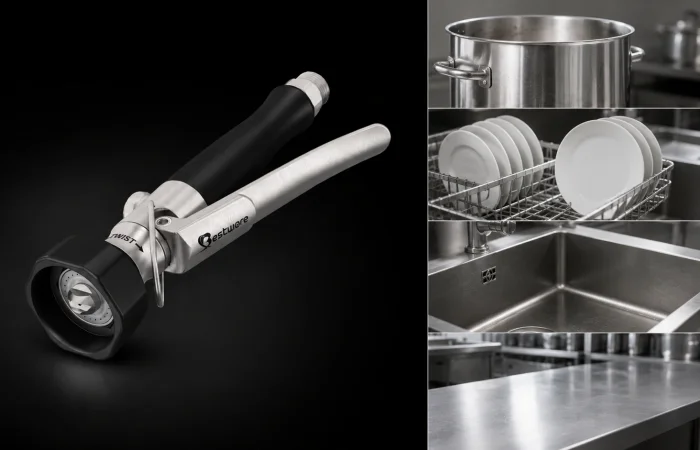
Cleaning requirements in modern commercial kitchens are highly diverse. Large cookware, dishes, sinks, and stainless steel worktables all require different levels of water coverage and impact force. If a spray valve only provides a single spray pattern, staff must constantly adjust distances, angles, or even switch tools. A dual-function spray valve, however, can simultaneously support both powerful washing and large-area washing requirements. The powerful washing mode is suitable for removing grease residue and stubborn stains, while the large-area washing mode improves rinsing efficiency across larger surfaces. For commercial kitchens, this means one device can cover more cleaning applications while also simplifying equipment configuration.
Many kitchen managers overlook one important fact: cleaning efficiency directly affects the entire back-of-house operational rhythm. During peak business hours, the turnover speed of dishes and cookware determines kitchen workflow efficiency. If the cleaning process is frequently interrupted, utensils can quickly pile up and eventually affect food preparation and serving speed. By reducing spray nozzle replacement, lowering operational complexity, and improving cleaning continuity, integrated dual-function spray valves help create smoother kitchen workflows. At the same time, a more standardized operating logic also reduces employee training difficulty. New staff can quickly adapt to the equipment without repeatedly learning different spray nozzle functions. This provides long-term value for the foodservice industry, where employee turnover is often high.
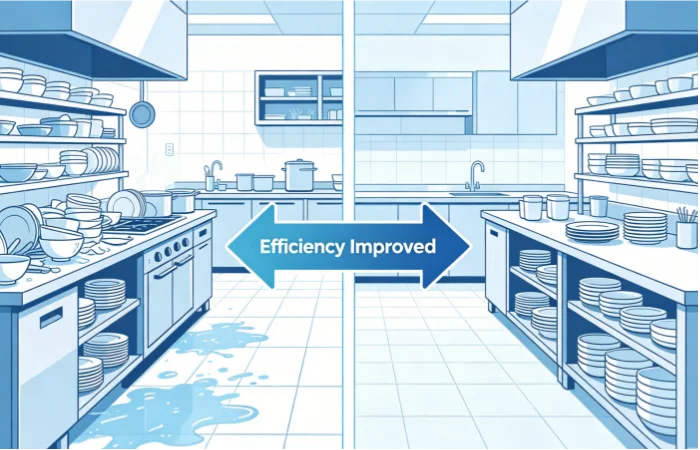
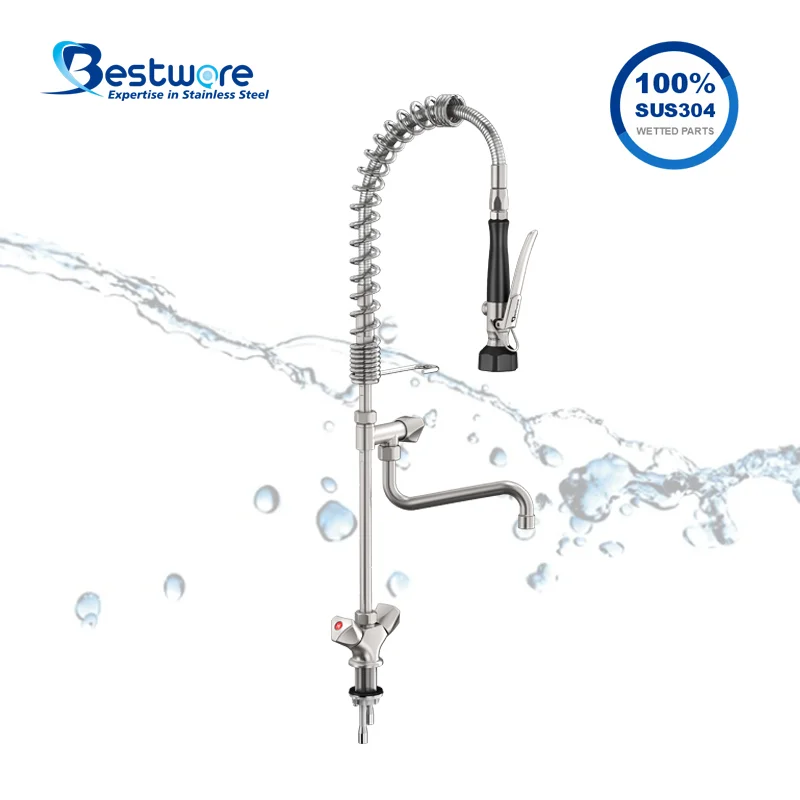
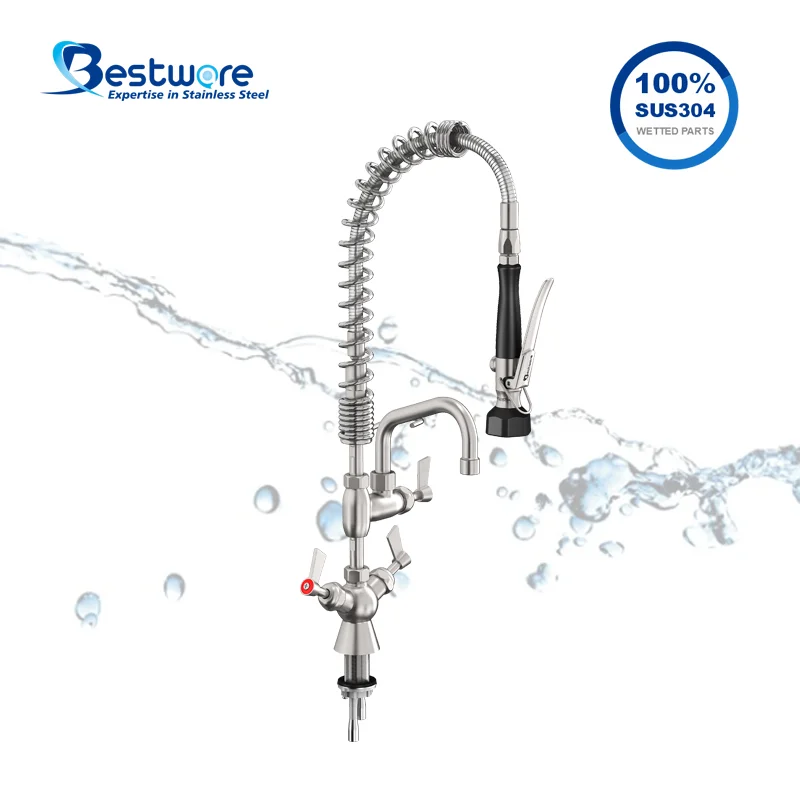
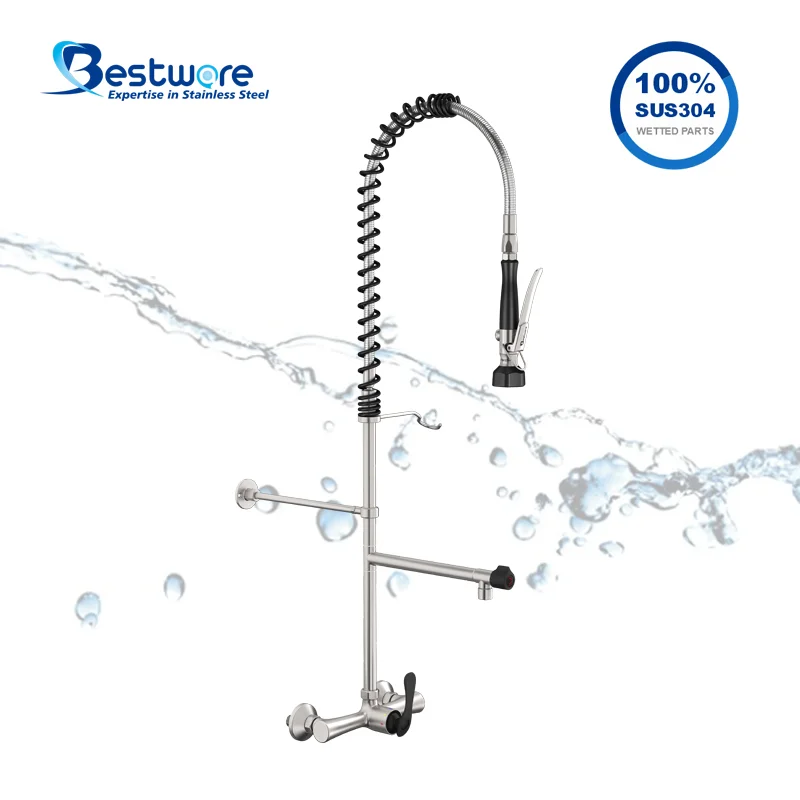
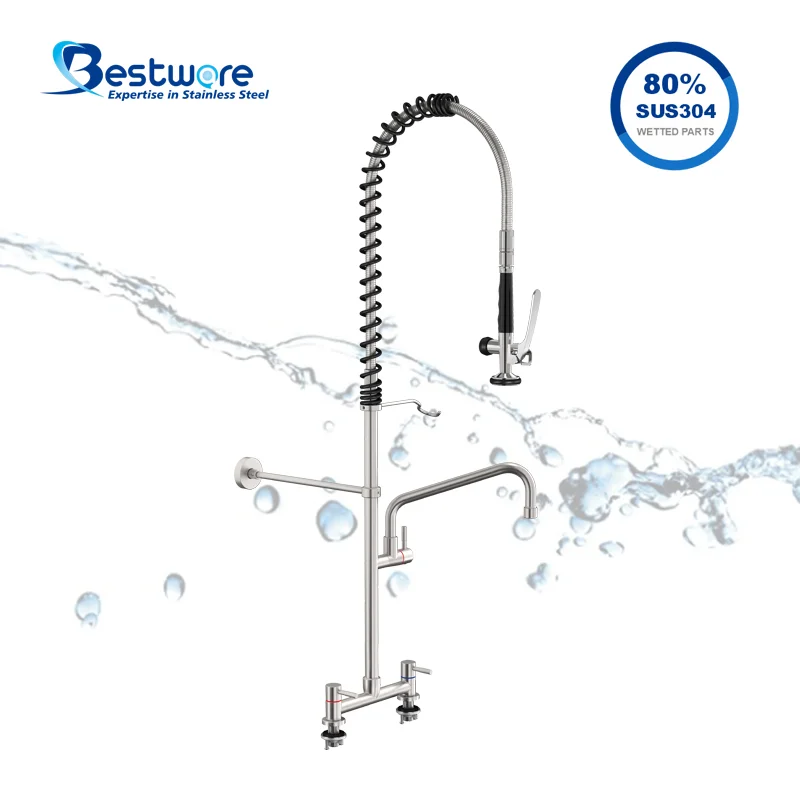
In high-frequency and high-intensity commercial kitchen environments, a spray valve must provide not only basic cleaning capability, but also long-term durability, operational comfort, and continuous-use efficiency. Bestware's integrated dual-function spray valve is specifically optimized for the real needs of modern commercial kitchens. Today, Bestware spray valves have already been adopted by multiple internationally recognized brands in real operational environments, proving their stability and continuous cleaning efficiency under high-frequency and high-intensity use conditions.
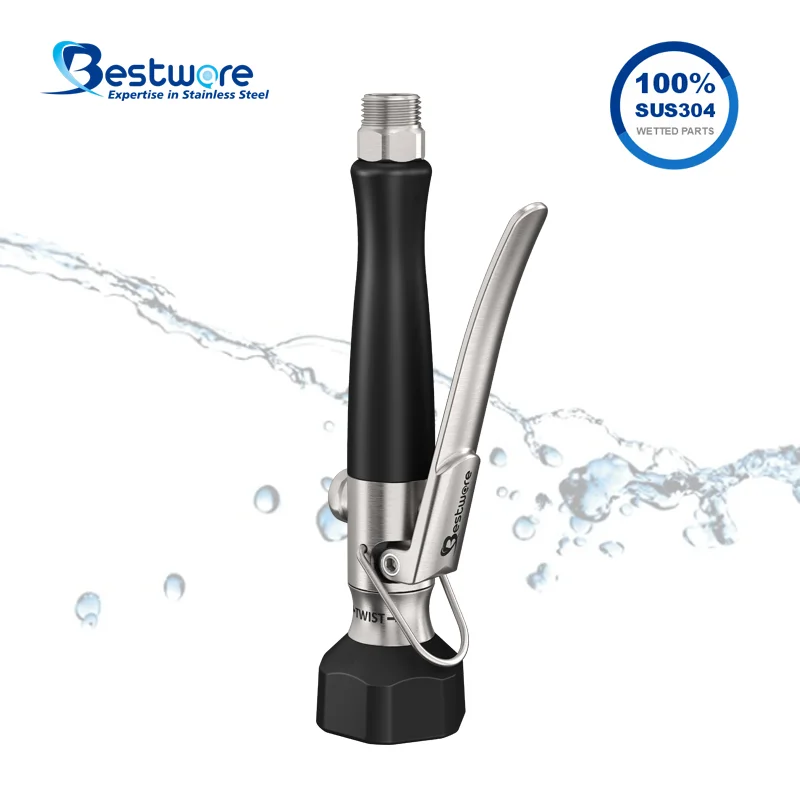
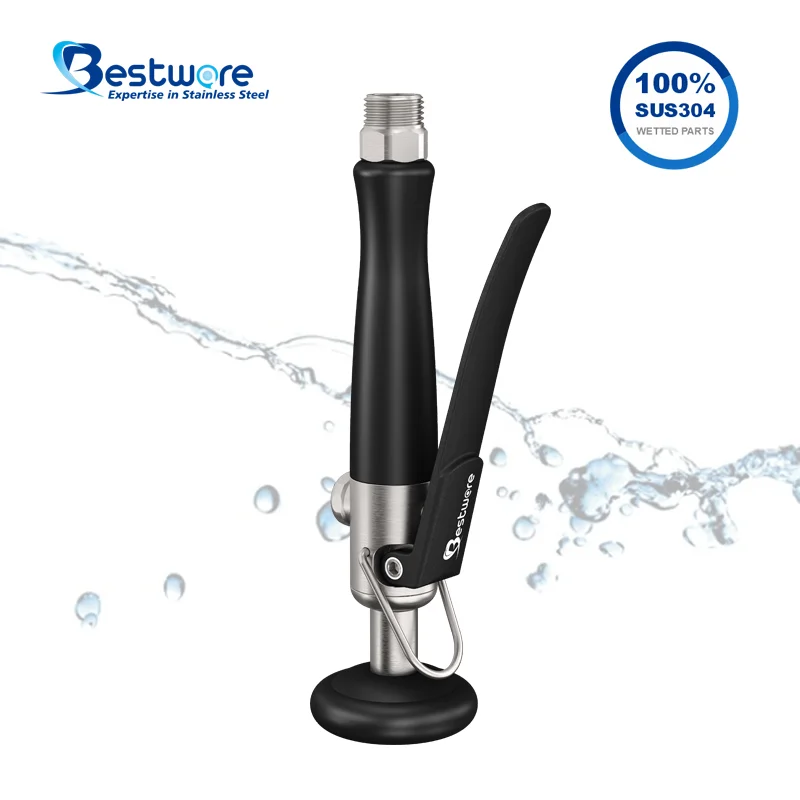
In traditional cleaning workflows, different levels of residue often require different spray nozzles or tools, resulting in frequent operational interruptions. Bestware spray valves feature a patented dual-function rotary switching structure that integrates powerful washing and large-area washing into a single device. Users can quickly switch water flow modes through a twist of the knob without disassembling or replacing spray nozzles, allowing the cleaning process to remain continuous.
In commercial kitchen cleaning, efficiency depends not only on water pressure but also on water distribution uniformity and coverage performance. Bestware spray valves feature 24 precisely engineered water outlets designed to distribute water more evenly across the target area, improving overall coverage efficiency and rinsing consistency. In practical use, this optimized structure significantly reduces repeated rinsing actions, making the cleaning process more efficient and smoother. When combined with the powerful washing mode, it delivers a more concentrated and stable impact force for stubborn residue removal, with overall cleaning efficiency improved by up to 3 times.
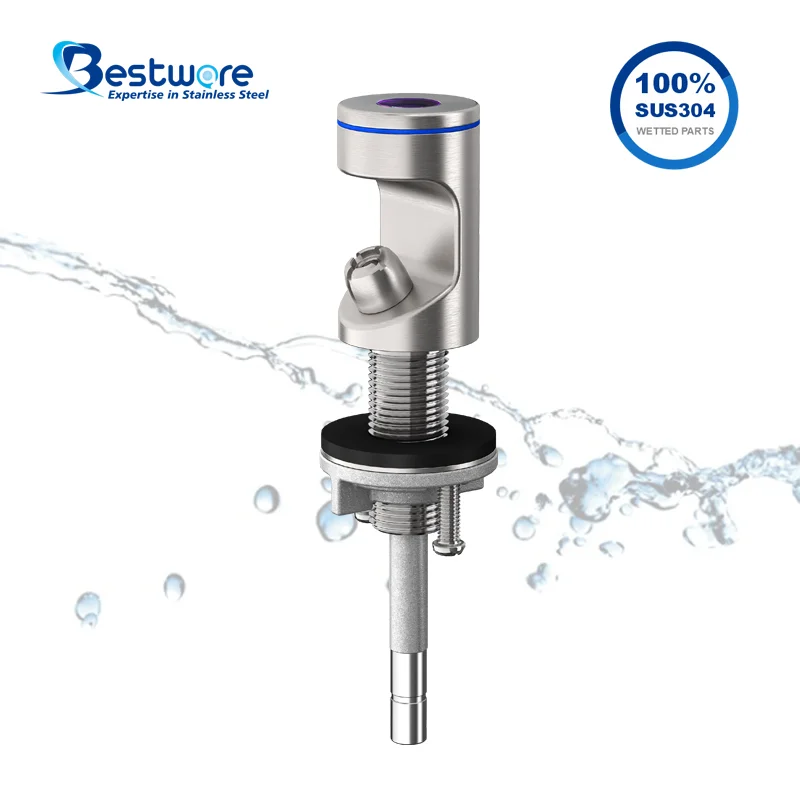
To address the demands of long continuous operation in commercial kitchens, Bestware spray valves incorporate ergonomic optimization and a hydraulic buffering system into the structural design. This significantly reduces the muscle force required during operation. Compared with similar products on the market, overall operating effort can be reduced by approximately 75%, effectively minimizing hand fatigue during prolonged use. At the same time, the internal hydraulic buffering structure helps reduce the impact generated when water flow is suddenly shut off, minimizing water hammer effects on the piping system and improving overall operational stability.
In today's high-frequency commercial kitchen environments, cleaning efficiency has become a critical factor directly affecting overall operational rhythm. The issues caused by traditional spray valves — including frequent spray nozzle replacement, workflow interruptions, and efficiency loss — become increasingly amplified under long-term, high-intensity use conditions. Ultimately, what is affected is not only the cleaning process itself, but also the overall workflow efficiency and serving rhythm of the kitchen. The true value of an integrated dual-function spray valve is not simply "having more functions," but rather its ability to create a more continuous, stable, and efficient cleaning process through structural integration and simplified operation. For commercial kitchens seeking stable operations and higher efficiency, choosing cleaning equipment designed specifically for high-frequency usage environments is essentially an investment in overall operational efficiency.
2025/11/21 0:00:00
One-stop Solution Provider of Stainless Steel Commercial Faucets
Email: business@bestware-stainless.com
after-sales@bestware-stainless.com
Tel: +86 18929047065
WhatsApp: +86 18929047065


WeChat: +86 18929047065


Website: www.bestware-stainless.com(Global Site)
www.bestware-sparkling.com(Water Dispenser)
Add: Block 8, No. 6, Jianda Nan Road, Jiangmen, Guangdong, China
Copyright © Bestware Hardware Production Co., Ltd. All Rights Reserved.
(2).webp)
(1).webp)