Date: 2026-07-25
As global awareness of drinking water safety and public health continues to grow, regulatory authorities around the world are strengthening requirements for products that come into contact with drinking water. As one of the world's largest and most influential markets, the European Union has been continuously upgrading its regulatory framework for drinking water safety. The EU Drinking Water Directive (DWD) has now entered a new implementation phase, accompanied by increasingly comprehensive hygiene requirements for Drinking Water Contact Materials (DWCM).Under this evolving regulatory framework, products that come into direct contact with drinking water—including bathroom faucets, kitchen faucets, drinking water taps, valves, and other components within water supply systems—are subject to stricter requirements for material safety and hygienic performance. Manufacturers must now demonstrate not only product durability and functionality but also that the materials used will not adversely affect drinking water quality throughout the product's service life.At the same time, the role of materials within drinking water systems is being re-evaluated. From the water source to the point of use, drinking water passes through pipelines, fittings, valves, faucets, and numerous other components. The corrosion resistance, chemical stability, and long-term performance of these materials can all influence water quality, either directly or indirectly.As a result, material selection is no longer simply an engineering decision—it has become a key factor in regulatory compliance. This shift is driving growing industry interest in materials that offer superior corrosion resistance, excellent hygienic properties, and long-term stability.Among the available options, stainless steel has attracted increasing attention from faucet manufacturers and buyers alike. Thanks to its excellent corrosion resistance, stable material properties, and the ability to meet performance requirements without relying on lead-containing additives, stainless steel is becoming an increasingly preferred material for drinking water applications.This article explores how the latest developments under the EU Drinking Water Directive are reshaping material requirements, why material selection has become an industry priority, and why stainless steel is emerging as a preferred solution for today's and tomorrow's drinking water systems.
The EU Drinking Water Directive (DWD) is one of the European Union's core legislative frameworks for safeguarding public drinking water quality. Its objective is to ensure that drinking water remains safe and meets consistent health standards throughout the entire supply chain—from the water source to the end user.The Directive establishes comprehensive requirements covering water quality, monitoring procedures, and the materials used in products that come into contact with drinking water. Together, these requirements form an essential part of the EU's drinking water safety framework.One of the Directive's primary objectives is to reduce potential health risks associated with substances migrating from materials into drinking water. At the same time, harmonizing technical requirements across EU Member States helps reduce trade barriers and facilitates the free movement of compliant products within the European market.
As the EU Drinking Water Directive enters its implementation phase, drinking water contact materials are gradually transitioning toward a harmonized EU-wide compliance framework.In the future, products intended for sale within the European Union that come into contact with drinking water must comply not only with general product safety requirements but also with the EU's unified regulations governing drinking water contact materials.
· Introduction of the EU Positive List
The European Union is establishing a Positive List that specifies which metals, alloys, organic materials, additives, and other substances are permitted for use in drinking water contact products.Only materials included on this list may be used in products intended for the EU market. Materials not included must undergo evaluation and approval before they can be used.Manufacturers should therefore review all materials used in drinking water applications—including brass, stainless steel, plastics, rubber components, and sealing materials—to verify that they comply with the EU Positive List requirements. Material declarations and supporting documentation from suppliers should also be obtained and maintained.
· Unified Compliance Requirements for Market Access
As the new regulatory framework is progressively implemented, faucets, valves, and other drinking water contact products exported to the European Union must demonstrate compliance with the Drinking Water Directive and its supporting legislation.This typically includes the following requirements:
|
No. |
Compliance Requirement Description
|
Description |
|
1 |
EU Positive List |
All metals, alloys, organic materials, and additives used in the product must be included on the EU's approved Positive List |
|
2 |
Migration and Hygienic |
Products must undergo standardized testing for metal release, chemical migration, and hygienic performance to ensure they do not compromise drinking water quality |
|
3 |
Conformity Assessment |
Products must complete the required conformity assessment procedures to demonstrate compliance with EU drinking water contact material regulations |
|
4 |
Declaration of Conformity (DoC) |
Manufacturers must issue a Declaration of Conformity confirming that the product complies with the EU Drinking Water Directive and its implementing legislation |
It is important to note that there is currently no single "DWD Certification" or "DWD Certificate." Instead, market access is achieved by completing the required material assessments, product testing, conformity assessment procedures, and technical documentation in accordance with the Directive and its supporting regulations.For manufacturers exporting to Europe, compliance will increasingly depend not only on the finished product itself but also on robust material management, testing procedures, and comprehensive technical documentation that demonstrate ongoing conformity with EU requirements.
· Certification During the Transition Period (2027–2032)
Between 2027 and 2032, the EU will be in a transition period as it moves toward a harmonized regulatory framework for drinking water contact materials.During this phase, manufacturers are expected to prepare the necessary material documentation, testing reports, and technical files in accordance with the EU Drinking Water Directive and its implementing legislation. At the same time, they may still need to obtain country-specific approvals depending on the target market or customer requirements.Examples include:
|
No. |
Target Market |
Common Drinking Water Approval |
Typical Application |
|
1 |
Germany |
KTW-BWGL |
Frequently required for products sold in Germany |
|
2 |
France |
ACS |
Commonly requested for products entering the French market |
|
3 |
Netherlands |
Kiwa ATA |
Often required for the Dutch market |
|
4 |
Belgium |
Belgaqua |
Commonly required for products sold in Belgium |
|
5 |
United Kingdom |
WRAS |
Widely recognized for products supplied to the UK market |
Although the EU is moving toward a unified compliance system, these national approvals are expected to remain relevant during the transition period. Manufacturers should therefore develop certification strategies based on both EU requirements and the expectations of their target markets.
· Unified Conformity Assessment After 2033
Once the transition period ends at the close of 2032, the European Union is expected to progressively adopt a harmonized conformity assessment system for drinking water contact materials.Instead of relying primarily on individual national approval schemes, manufacturers will be required to demonstrate compliance through a unified framework that includes:
· Material compliance verification
· Product testing
· Conformity assessment
· Declaration of Conformity (DoC)
This represents an important step toward greater regulatory consistency across the EU while simplifying market access for compliant products.
Overall, the implementation of the Drinking Water Directive is reshaping not only how drinking water contact materials are regulated, but also how products are tested, documented, and approved. Companies that begin preparing early will be better positioned to meet future market requirements and maintain smooth access to the European market.
To prepare for the evolving regulatory landscape, manufacturers should consider the following actions:
|
No. |
Area |
Recommended Action |
|
1 |
Materials |
Verify that all drinking water contact materials comply with the EU Positive List |
|
2 |
Products |
Complete the required migration and hygienic performance testing |
|
3 |
Documentation |
Establish comprehensive technical documentation and prepare a Declaration of Conformity (DoC) |
|
4 |
Certification |
Plan country-specific certifications such as ACS, KTW-BWGL, and Kiwa ATA where applicable during the transition period |
|
5 |
Long-Term Planning |
Prepare for the future EU-wide conformity assessment framework |
Taking a proactive approach to compliance today can help reduce future regulatory risks while improving market readiness.
Many people assume that drinking water safety depends solely on the quality of the water treatment process. While water treatment is undoubtedly essential, the materials that water comes into contact with after leaving the treatment plant also play a significant role.As drinking water travels through pipelines, valves, faucets, and other system components, it remains in continuous contact with these materials. If they lack sufficient chemical stability or corrosion resistance, they may gradually affect water quality over time.For this reason, the EU Drinking Water Directive places increasing emphasis on the safety and performance of drinking water contact materials.
· Metal Migration
Over time, some materials may release trace amounts of metallic elements into drinking water through natural migration processes. Although the amount released may be very small, controlling material composition and stability is essential for maintaining consistent water quality.
· Corrosion Resistance
Materials with inadequate corrosion resistance may deteriorate under different water conditions or prolonged exposure to moisture. Corrosion can increase the likelihood of contamination and reduce the long-term reliability of the water system.
· Long-Term Material Stability
Drinking water systems are designed for many years of service. Materials should therefore maintain their structural integrity and performance throughout their expected lifespan without significant degradation.
· Variations in Water Chemistry
Water quality varies considerably from region to region. Factors such as water hardness, pH, mineral content, and disinfectant levels can all influence how materials perform over time.
Drinking water safety depends not only on effective water treatment but also on every material that comes into contact with the water throughout the distribution system. As regulations continue to evolve, drinking water contact materials are no longer viewed simply as structural components—they have become a critical factor in protecting water quality and ensuring regulatory compliance.
As the EU Drinking Water Directive enters a new phase of implementation, products that come into contact with drinking water are expected to meet increasingly stringent safety and hygiene requirements.For faucet manufacturers, material selection is no longer determined solely by mechanical performance, durability, or cost. It has become a key consideration for ensuring drinking water safety, achieving regulatory compliance, and meeting evolving market expectations.As a result, more manufacturers are reassessing the overall performance of different materials to prepare for future regulatory and market developments.
|
No. |
Comparison |
Stainless Steel |
Brass Alloys |
|
1 |
Material Safety |
Naturally lead-free, reducing the risk of lead migration from the material itself |
Composition varies by alloy. Some brass grades may contain added lead and must comply with applicable regulatory limits |
|
2 |
Corrosion Resistance |
Excellent corrosion resistance, making it well suited for long-term contact with drinking water |
Generally offers good corrosion resistance, but performance depends on alloy composition and water conditions |
|
3 |
Hygienic Performance |
Smooth, dense surface that is easy to clean and less likely to accumulate contaminants |
Good hygienic performance, although it is influenced by material quality and surface finishing |
|
4 |
Long-Term Stability |
Maintains stable performance over extended periods with minimal degradation caused by corrosion |
Long-term performance depends on alloy formulation, manufacturing quality, and operating conditions |
|
5 |
Sustainability |
Fully recyclable and well aligned with sustainable manufacturing practices |
Also recyclable, but material selection should take both environmental and regulatory requirements into account |
As drinking water regulations continue to evolve, material selection is no longer evaluated solely on mechanical properties or manufacturing cost. Manufacturers must also consider factors such as safety, corrosion resistance, hygienic performance, and long-term regulatory compliance.With its balanced combination of these characteristics, stainless steel is increasingly being recognized as one of the preferred materials for drinking water contact products.
As regulatory requirements become more stringent and consumer expectations continue to rise, manufacturers are re-evaluating the materials used in drinking water systems.Among the available options, stainless steel is gaining momentum because it offers a combination of performance, durability, and compliance advantages that align well with the future direction of the industry.
· Better Prepared for Future Regulations
As the European Union moves toward harmonized requirements for drinking water contact materials, manufacturers are placing greater emphasis on materials that are well suited to long-term regulatory compliance.Thanks to its stable composition and excellent material properties, stainless steel is increasingly viewed as a future-ready solution for drinking water applications.
· Meeting Consumers' Expectations for Safer Drinking Water
Today's consumers care about more than just whether their drinking water is treated properly. They also want confidence that the products delivering the water—such as faucets and valves—will not negatively affect its quality.As awareness of health and hygiene continues to grow, products manufactured from safe and reliable materials are becoming increasingly attractive to both consumers and commercial buyers.
· Reliable Performance Throughout the Product's Lifetime
Faucets remain in continuous contact with water for many years. Their durability and corrosion resistance have a direct impact on product lifespan, maintenance requirements, and long-term reliability.Because stainless steel offers excellent resistance to corrosion and wear, it performs consistently across a wide range of residential, commercial, and institutional applications.
· Supporting Sustainability Goals
Sustainability has become an important consideration throughout the plumbing and sanitary industry.Stainless steel is highly recyclable and known for its long service life, helping reduce material waste and supporting the circular economy. These characteristics align closely with Europe's broader sustainability objectives and green manufacturing initiatives.
· Expanding Applications Across the Industry
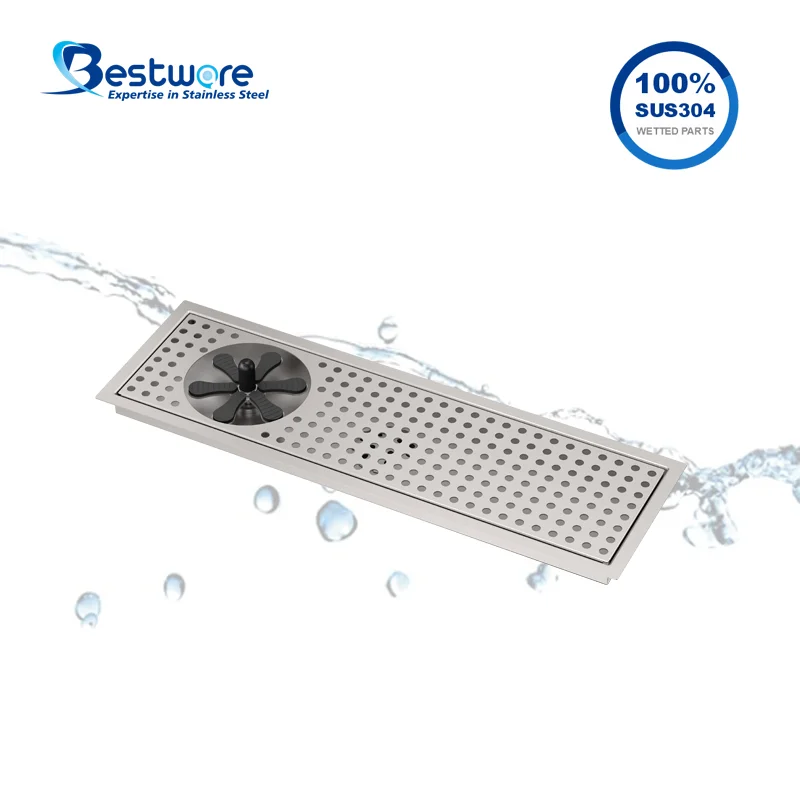
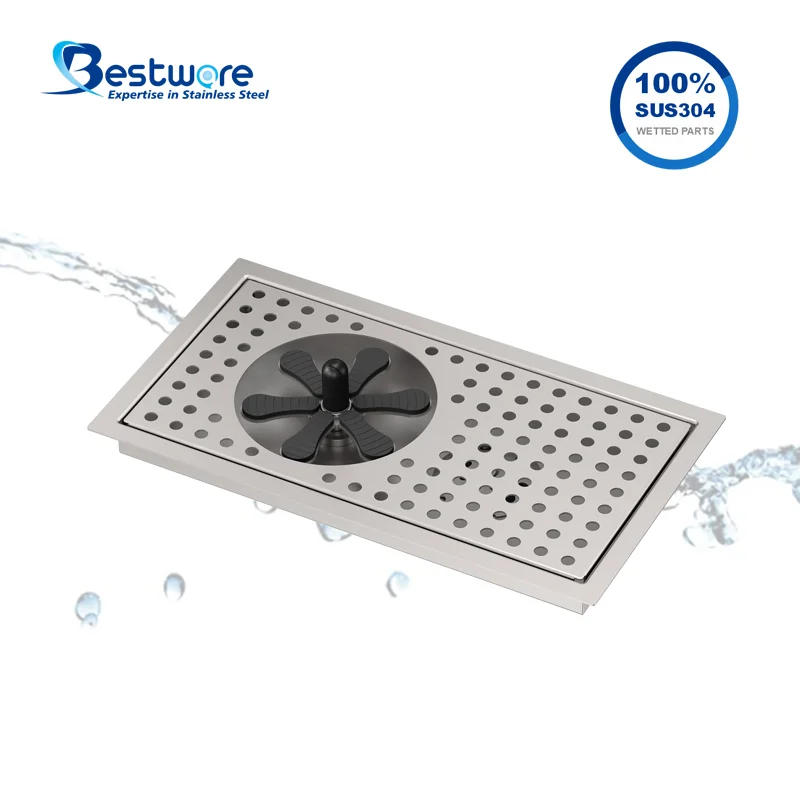
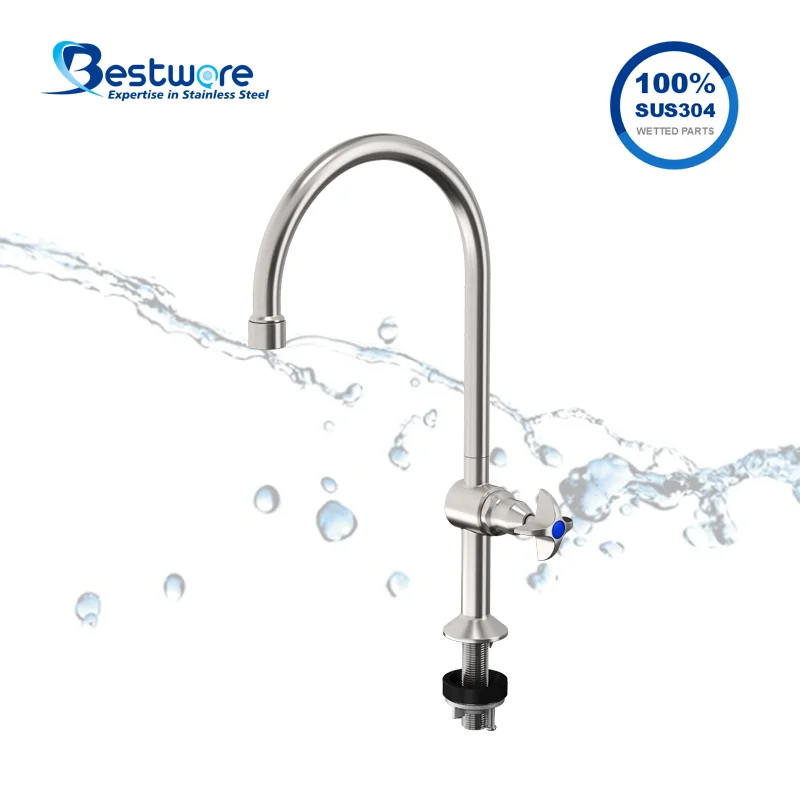
The use of stainless steel has expanded well beyond drinking water faucets.Today, it is increasingly found in kitchen faucets, commercial foodservice equipment, public drinking water systems, healthcare facilities, and other environments where hygiene, durability, and corrosion resistance are essential.As demand for safer, more sustainable products continues to grow, stainless steel is expected to play an even more significant role across the drinking water industry.
Driven by regulatory developments, changing market expectations, and sustainability goals, stainless steel is evolving from an alternative material into a strategic choice for many drinking water contact products. Its combination of safety, durability, and long-term reliability positions it as one of the key materials shaping the future of the industry.

As the regulatory framework for drinking water contact materials continues to evolve across the European Union, manufacturers that proactively adapt to these changes will be better positioned to remain competitive in the global market.Rather than waiting until new requirements become mandatory, companies can benefit from incorporating compliance considerations into product development, material selection, and quality management at an early stage.
· Stay Informed About Regulatory Developments
EU drinking water regulations are continuing to evolve. Manufacturers should closely monitor updates to the Drinking Water Directive, its implementing legislation, and the harmonized requirements for drinking water contact materials.Staying informed allows businesses to anticipate regulatory changes, minimize compliance risks, and make timely adjustments to product development strategies.
· Choose Materials That Align with Future Compliance Requirements
Material selection should consider more than cost or manufacturing efficiency.During the product design stage, manufacturers should evaluate factors such as material safety, corrosion resistance, hygienic performance, durability, and long-term regulatory compliance. Selecting appropriate materials early can reduce redesign costs and simplify future certification efforts.
· Strengthen Product Testing and Certification
Comprehensive product testing is becoming increasingly important for demonstrating compliance with drinking water regulations.Manufacturers should establish testing programs that address migration performance, hygienic characteristics, and other applicable regulatory requirements. Where necessary, relevant certifications should also be planned according to the intended export markets.A well-prepared compliance strategy can significantly improve the efficiency of entering international markets.
· Work with Experienced Supply Chain Partners
Reliable suppliers play an important role in regulatory compliance.Working with partners that have extensive experience in drinking water contact materials, quality management systems, and international regulatory requirements can help improve product consistency, documentation quality, and long-term compliance.
By planning material selection, product validation, and regulatory compliance in advance, manufacturers can not only meet future market requirements more efficiently but also strengthen their competitiveness in an increasingly demanding global marketplace.
The implementation of the EU Drinking Water Directive and its supporting regulations for drinking water contact materials marks an important shift in the industry's approach to product compliance.Today, compliance extends far beyond product performance alone. Material safety, hygienic performance, and lifecycle reliability have become equally important considerations for manufacturers seeking access to the European market.As regulatory requirements continue to evolve, companies that proactively optimize material selection, strengthen product validation, and establish robust compliance processes will be better equipped to meet future market expectations while enhancing their long-term competitiveness.Ultimately, products built on stable, compliant, and well-documented material solutions are likely to gain a stronger competitive advantage in an increasingly regulated global marketplace.
· Bestware: Supporting Compliance Through Advanced Material Solutions
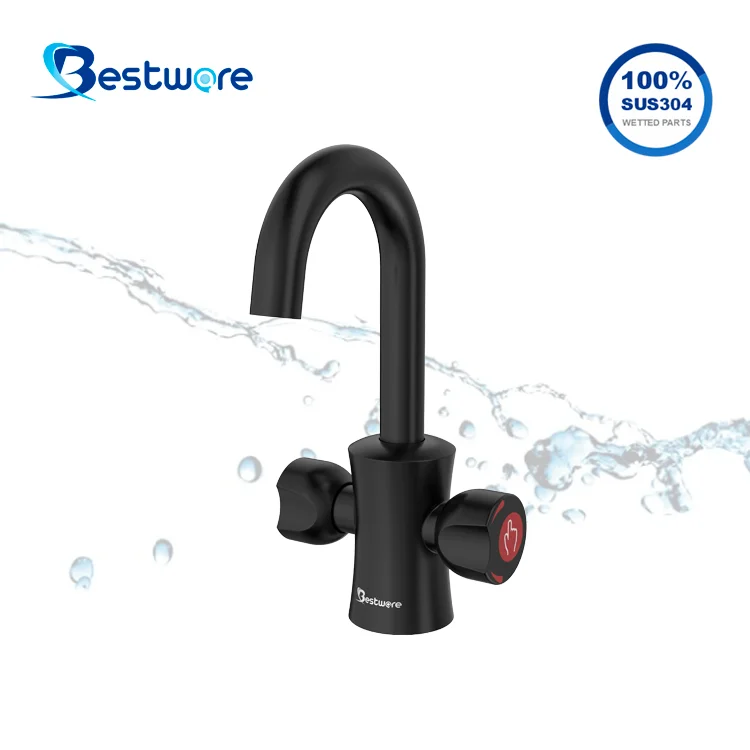
As regulations governing drinking water contact materials continue to evolve worldwide, material compliance has become an essential foundation for successful international market access.At Bestware, we closely monitor regulatory developments across Europe and North America to ensure our products are aligned with the latest industry requirements.For drinking water applications, we prioritize the use of 304 and 316L stainless steel, both widely recognized for their excellent corrosion resistance, hygienic properties, and suitability for drinking water contact. Our commitment to lead-free material solutions further enhances product safety, durability, and long-term performance.In addition, selected Bestware products have obtained internationally recognized certifications, including NSF and Lead-Free, providing customers with greater confidence when serving different global markets.Looking ahead, we will continue to follow the latest developments in the EU Drinking Water Directive and related regulations for drinking water contact materials, continuously refining our material solutions and product designs to help customers navigate evolving compliance requirements with confidence.
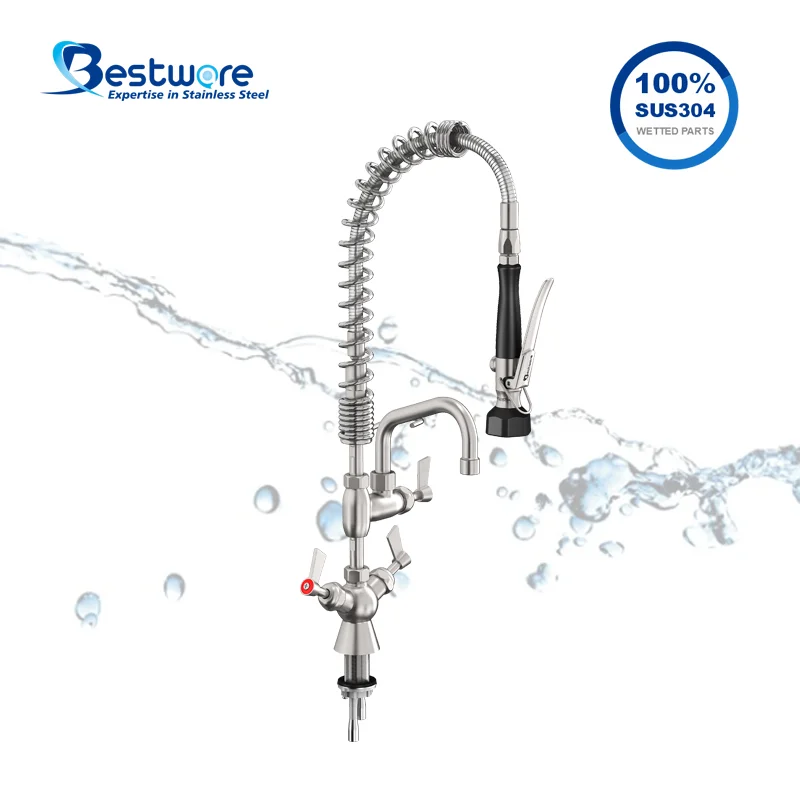
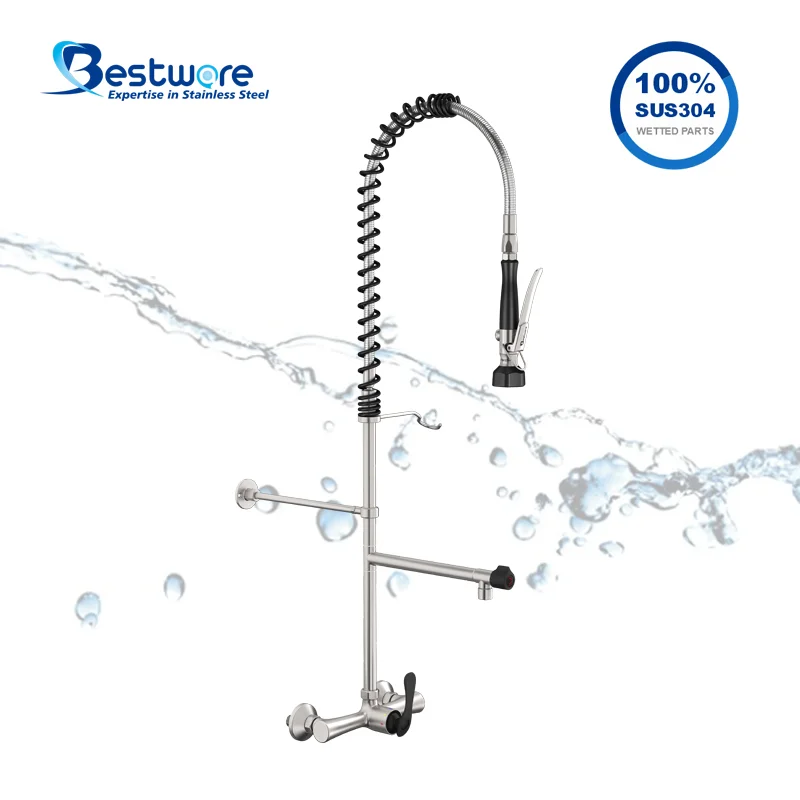
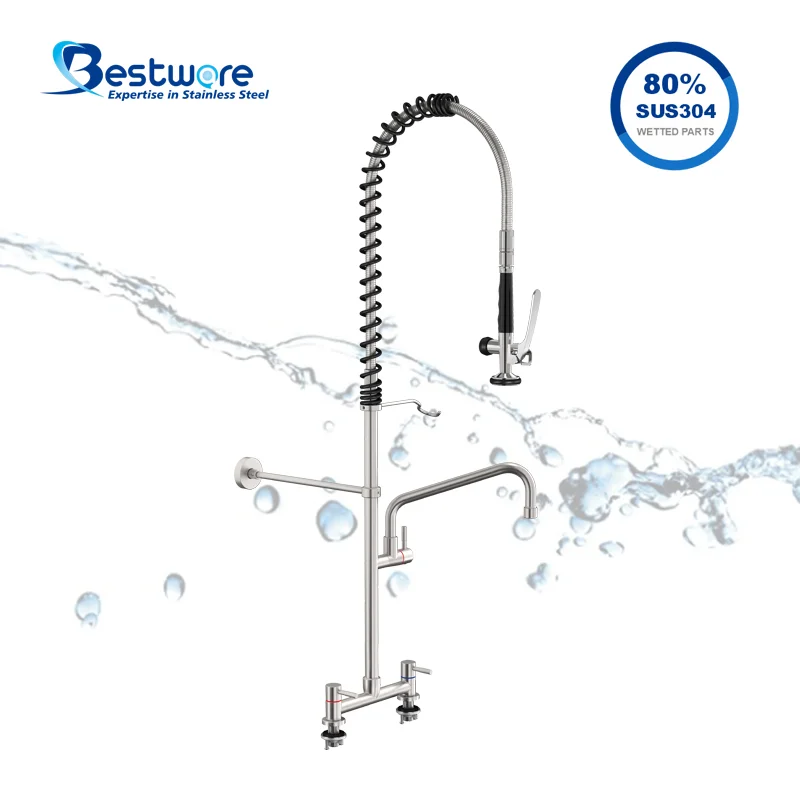
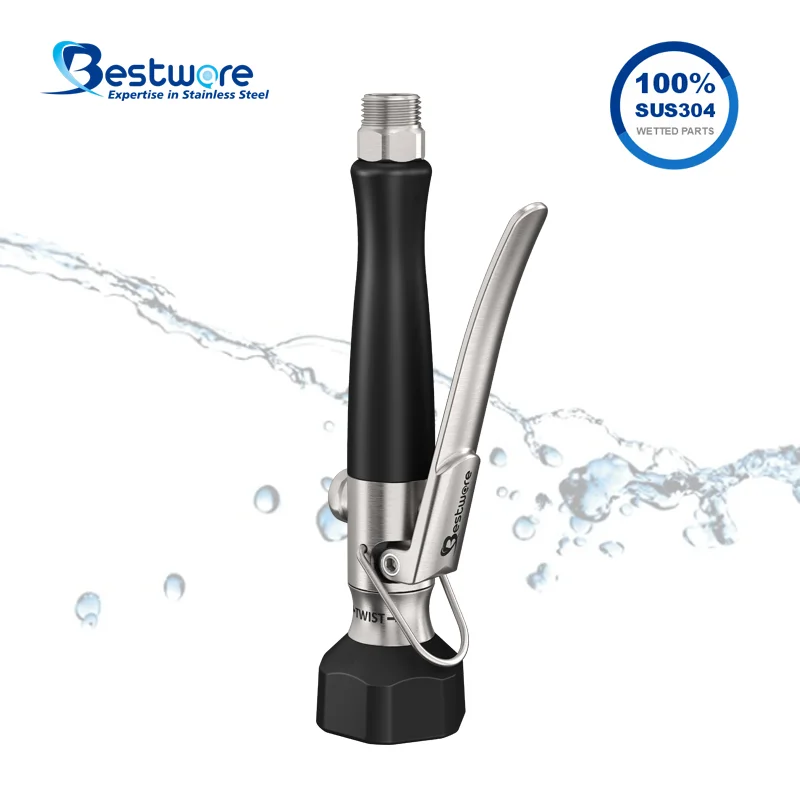
One-stop Solution Provider of Stainless Steel Commercial Faucets
Email: business@bestware-stainless.com
after-sales@bestware-stainless.com
Tel: +86 18929047065
WhatsApp: +86 18929047065


WeChat: +86 18929047065


Website: www.bestware-stainless.com(Global Site)
www.bestware-sparkling.com(Water Dispenser)
Add: Block 8, No. 6, Jianda Nan Road, Jiangmen, Guangdong, China
Copyright © Bestware Hardware Production Co., Ltd. All Rights Reserved.
(2).webp)
(1).webp)