Date: 2025-10-15
In commercial settings, faucets are essential fixtures that endure high-frequency use. Daily tasks often involve repetitive motions, intensive exertion, and prolonged standing, placing high physical demands on users. Whether a faucet is ergonomically designed directly affects user comfort and operational efficiency. At Bestware, we follow a human-centered philosophy, integrating ergonomic principles into every detail of our products to reduce physical strain, optimize motion paths, delivering seamless and efficient daily operations.
Across various commercial settings—whether in kitchens, handwashing stations, or public drinking areas—operators endure physical strain that tends to go unnoticed but gradually accumulates over time. These hidden stressors typically manifest in three ways:
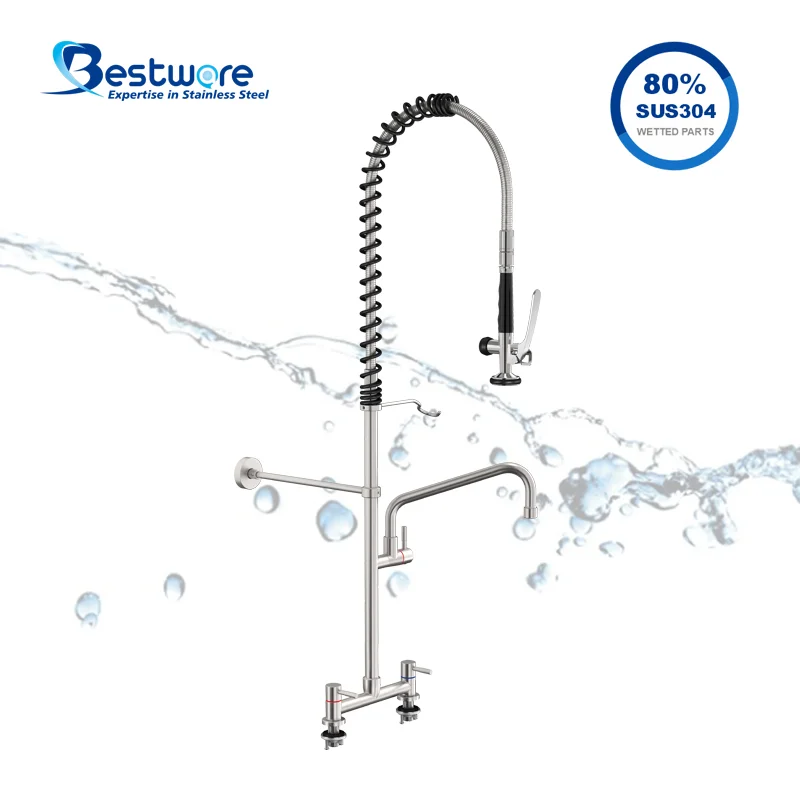
Take pre rinse faucets as an example. During peak hours, dishwashers may grip and swing the spray valve hundreds of times. This continuous cycle of gripping, spraying, and resetting can lead to chronic fatigue and soreness in the forearms, wrists, and shoulders.
If knee-operated faucets are installed at improper heights, users may have to lift their legs excessively or shift their posture unnaturally to activate them, resulting in stiff movements. Similarly, drinking bubblers with low spout positions force users to bend and lower their heads repeatedly, increasing strain on the lower back. These subtle discomforts accumulate over time, gradually disrupting both physical comfort and workflow rhythm.
In public spaces, if a sensor faucet lacks sensitivity or has a delayed response, users are often forced to wave their hands repeatedly or change positions just to activate water flow. These repeated tentative movements not only waste time, keep the user's arm suspended in mid-air, resulting in brief but noticeable strain in the shoulders and neck.
At Bestware, we adhere to a human-centered philosophy, with a strong focus on integrating ergonomics into product design, which reflects our deep respect for and commitment to user needs. To relieve the strain caused by repetitive, high-frequency operations, we optimize our products based on actual usage movements—refining structure, dimensions, operational feel, and response speed—so that every action aligns more naturally with the human body.
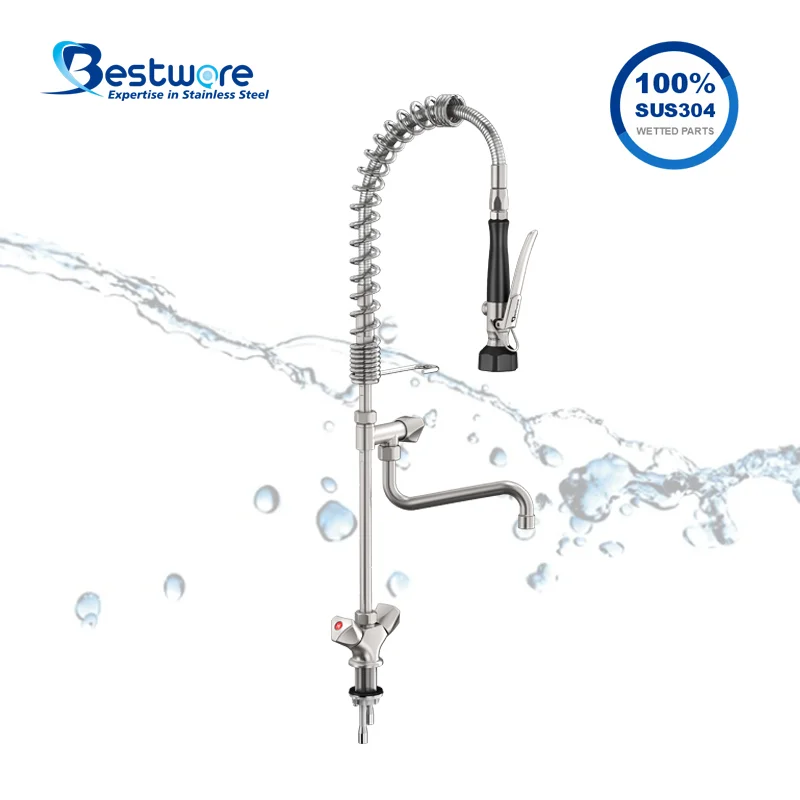
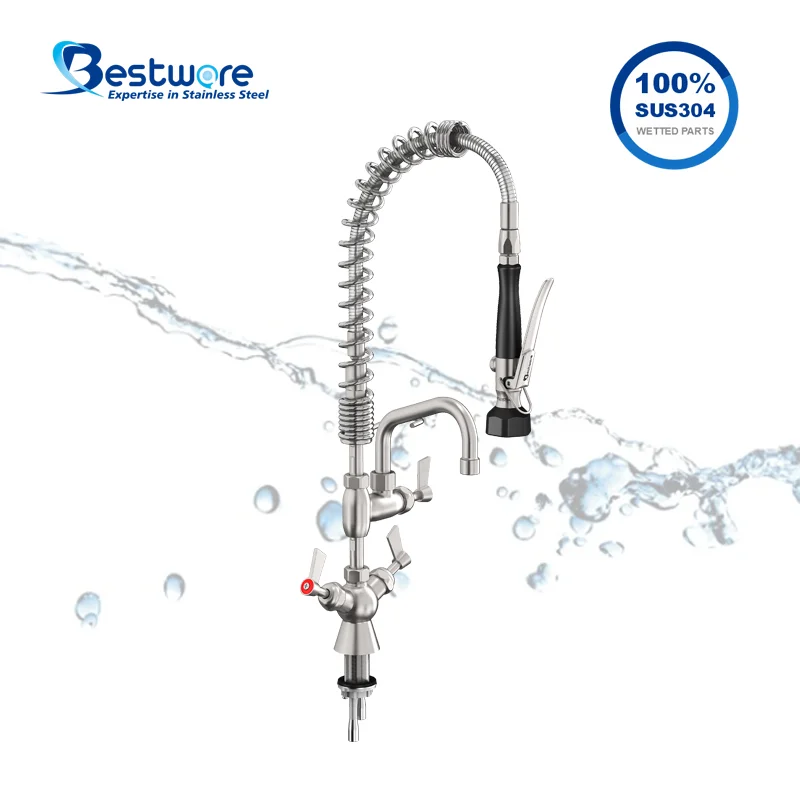
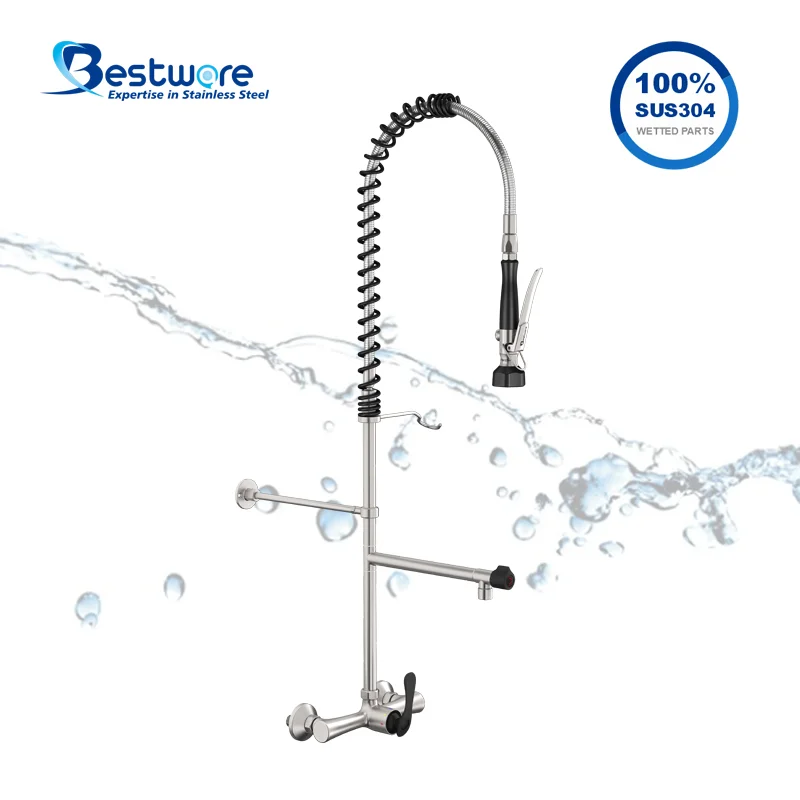
Bestware's pre rinse faucets are thoughtfully engineered with ergonomic enhancements that follow the natural motion paths of the upper limbs.
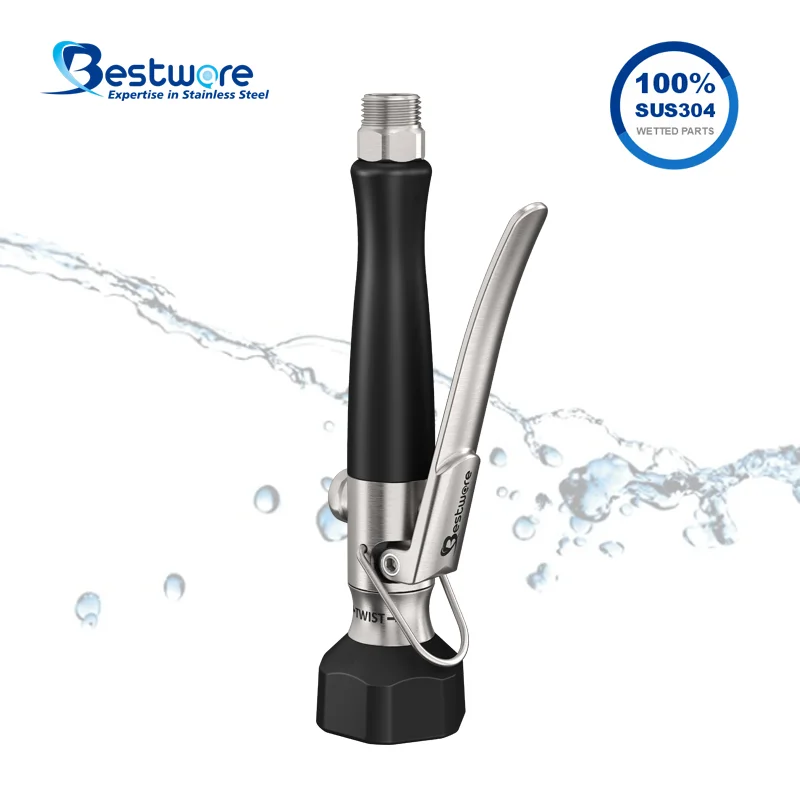
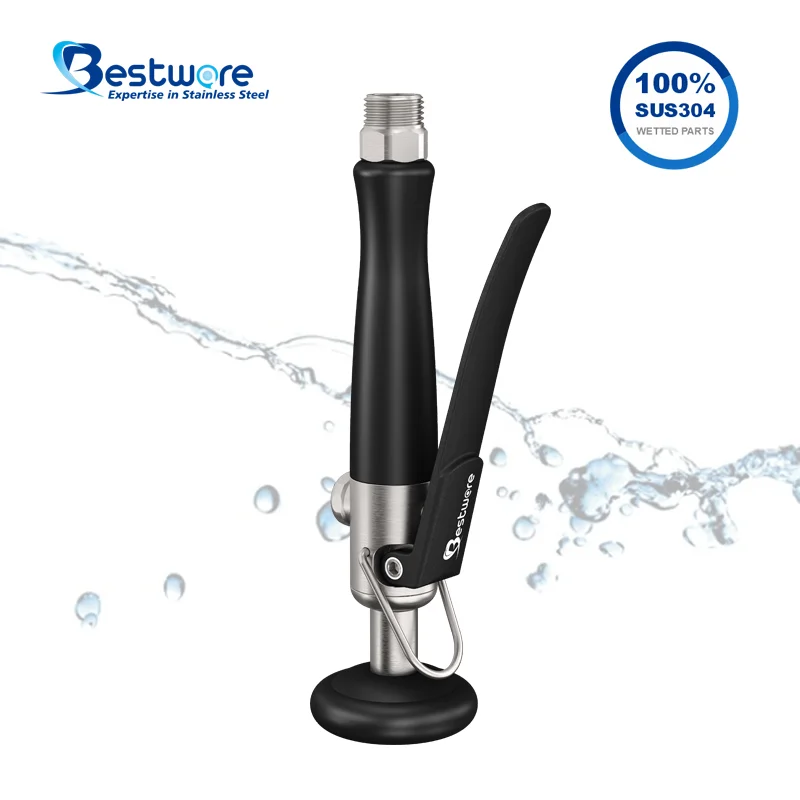
The spray valve features an integrated hydraulic cushioning mechanism that effectively reduces wrist strain during frequent on-off cycles. The ergonomic grip is designed to contour to the palm's natural shape, minimizing the gripping force required for prolonged use. The spray valve also features a continuous flow mode designed to relieve finger and forearm fatigue from constant pressing. In addition, the dual-function spray valve allows users to easily switch between powerful washing and large-area washing, supporting both precise and high-volume cleaning tasks. The spray head features 24 precisely angled water outlets that deliver a broad, evenly distributed stream, improving cleaning efficiency.
Both ends of the hose are fitted with universal joints and 360° swivel connectors, which work together with an external stainless steel spring to dynamically adapt to natural reach angles and arm motion of a standing user. This design enables smoother spray valve movement while reducing operational resistance and pulling strain.
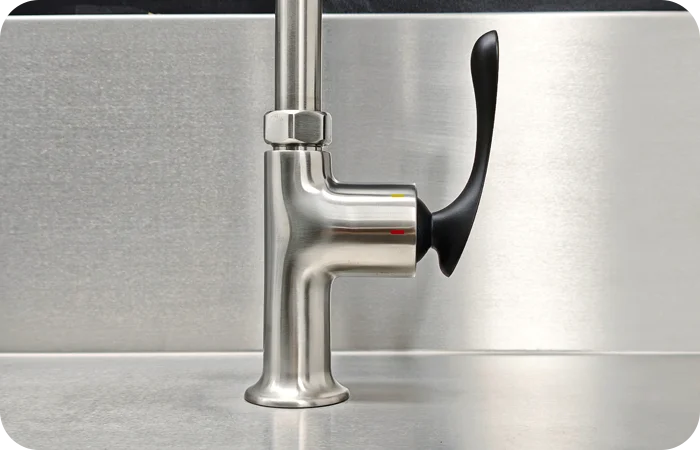
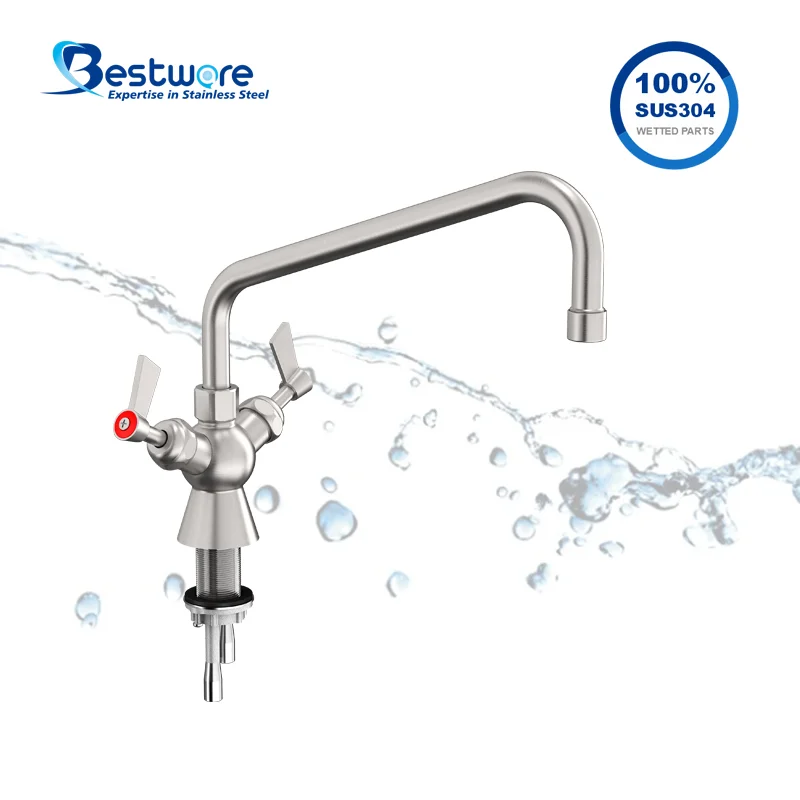
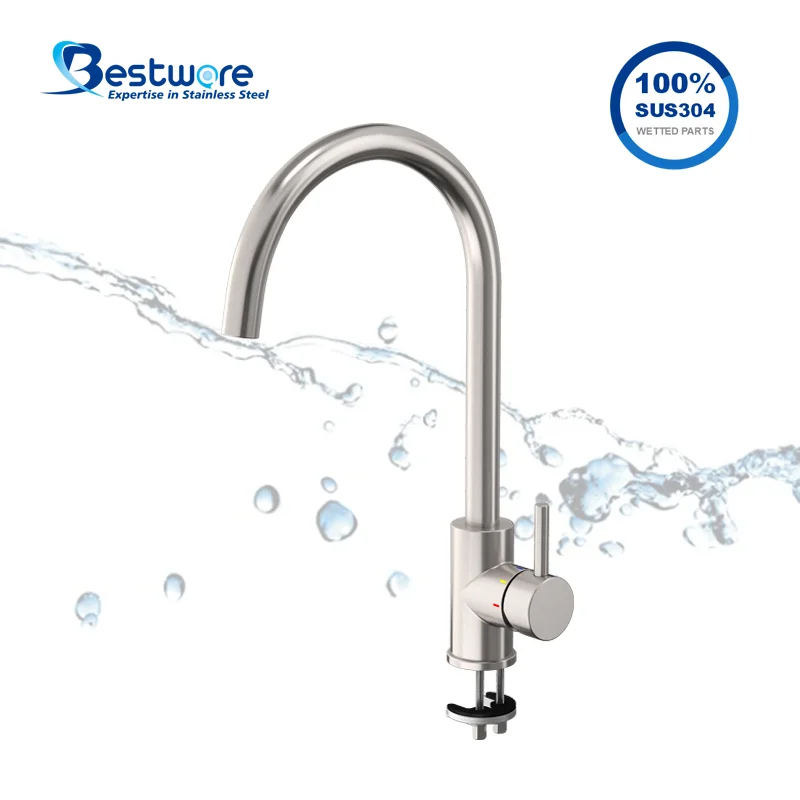
In our Affordable Luxury faucet, the handle is ergonomically refined in both curvature and thickness at high-frequency grip areas to better fit the hand's contour, providing a more natural and comfortable grip.
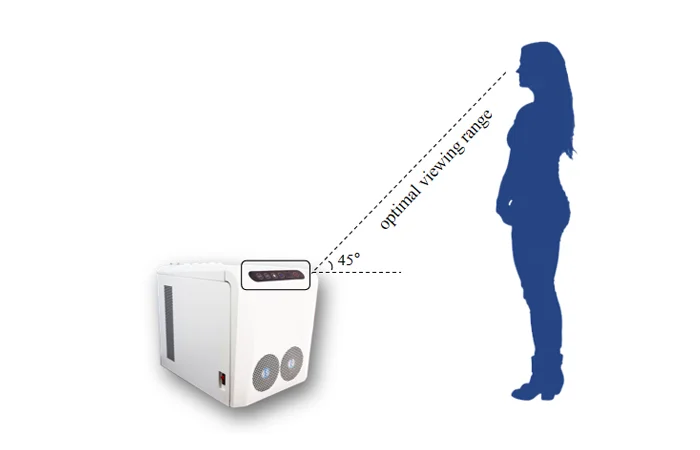
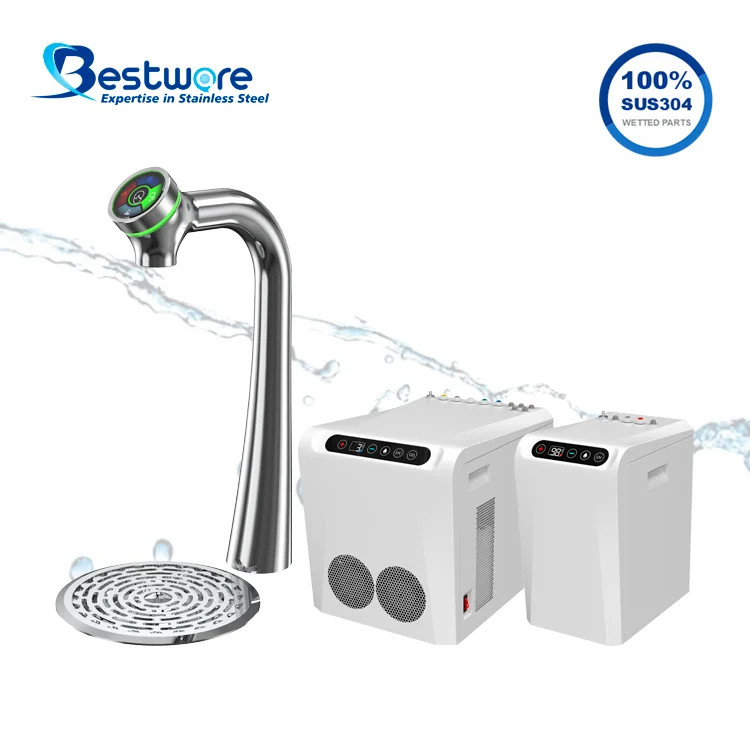
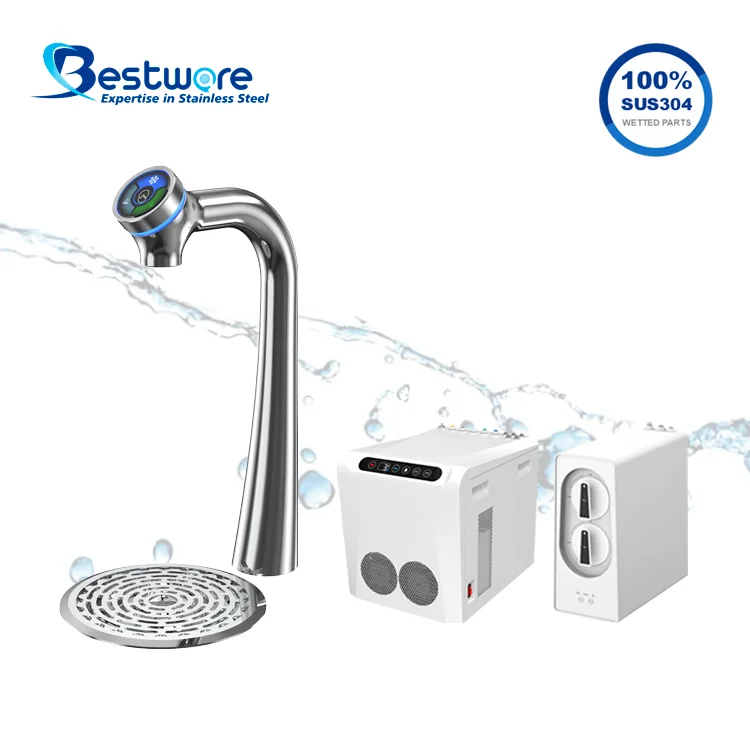
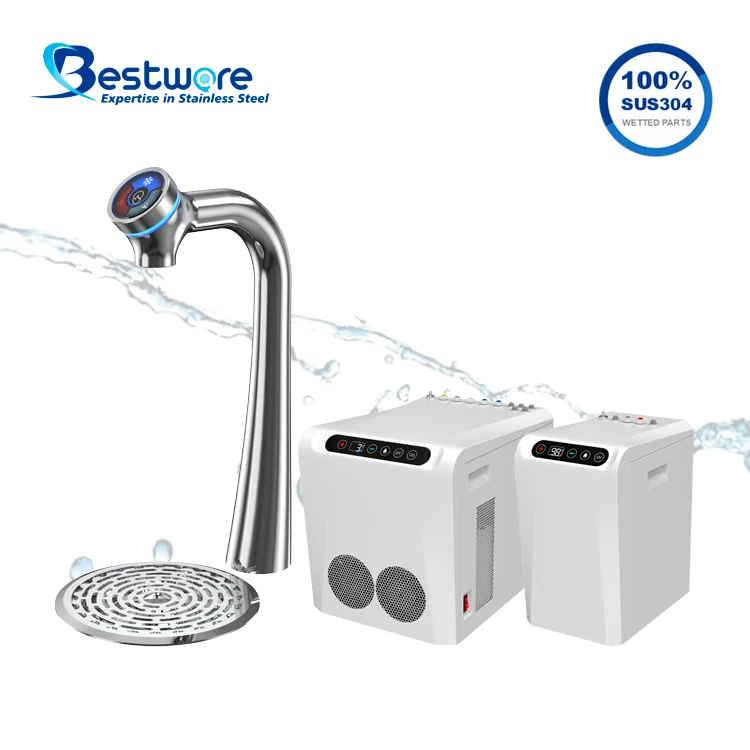
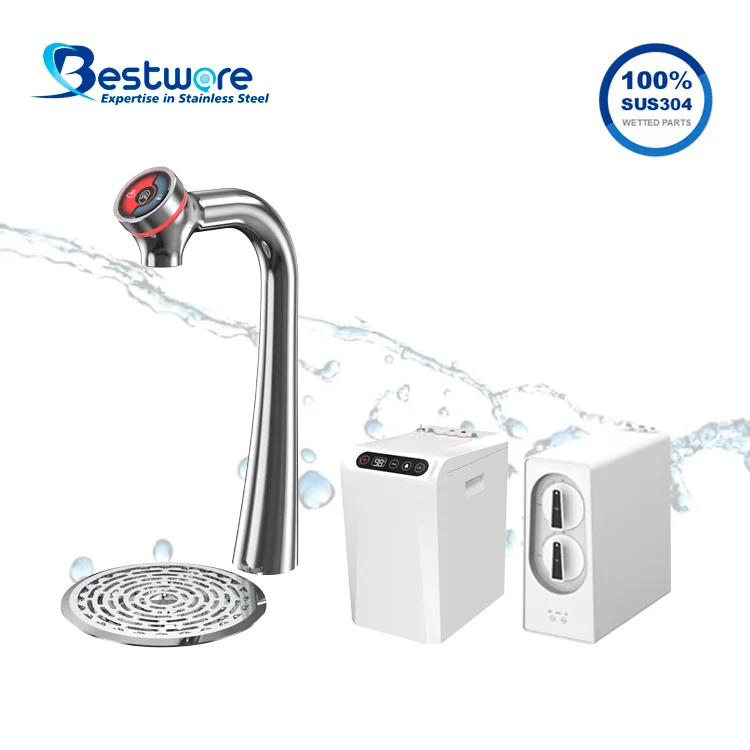
The control panel of the commercial sparkling water dispenser is set at a 45° ergonomic angle, bringing interface information closer to the user's natural line of sight. This allows operators to adjust the temperature and monitor real-time status without excessive bending or tilting, enhancing interaction efficiency while reducing neck and lower back strain for an improved operational comfort.
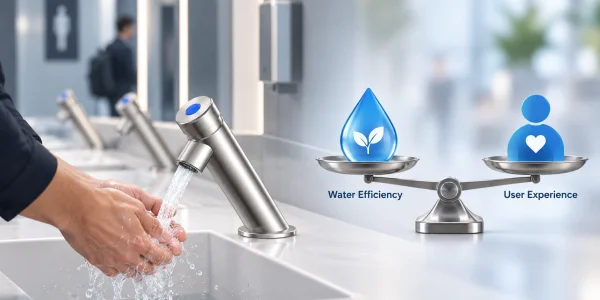
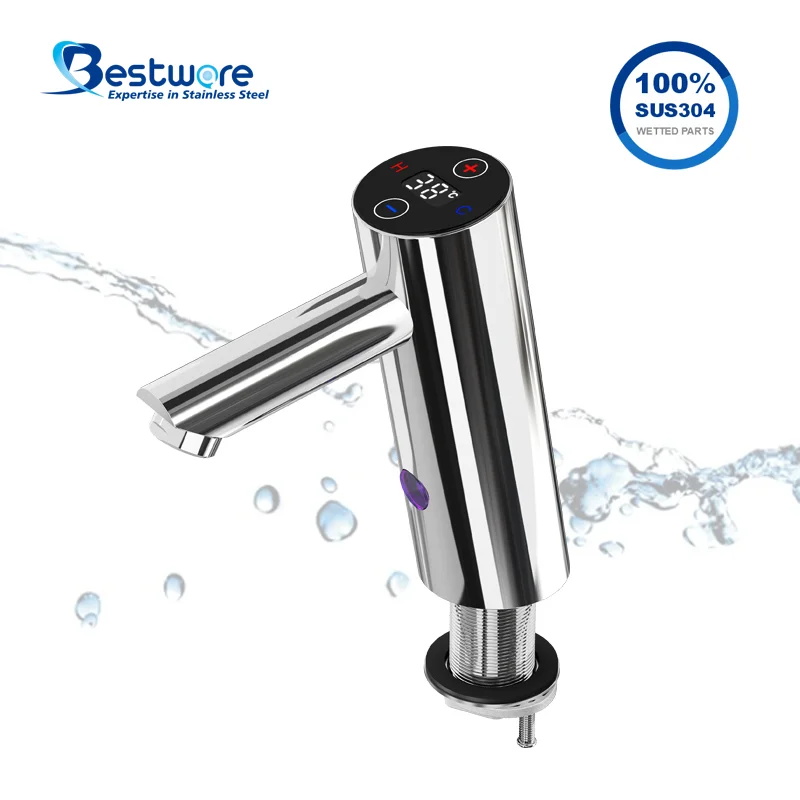
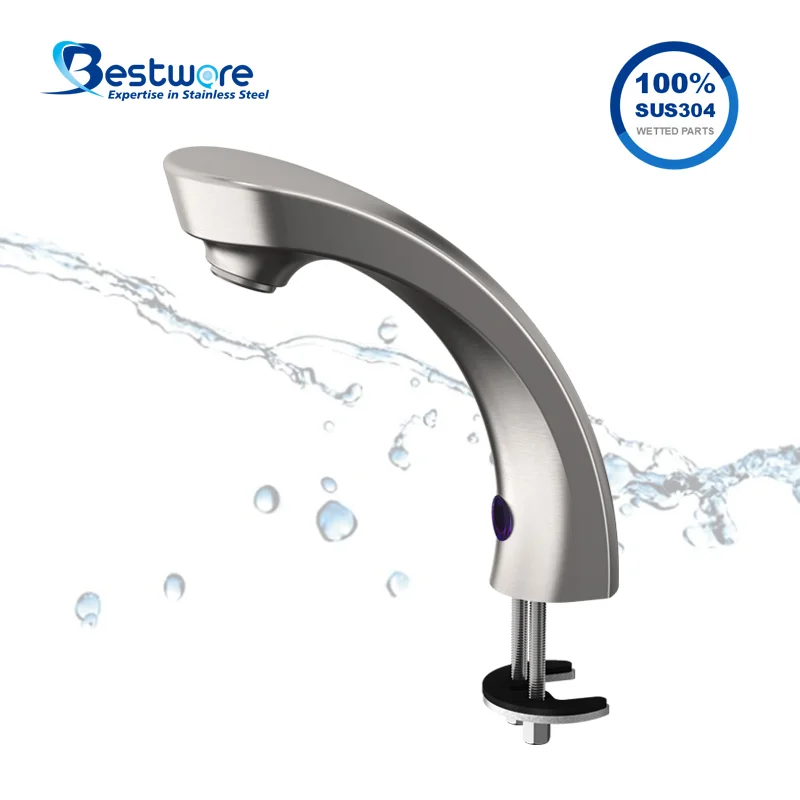
Bestware's sensor faucets are precisely engineered around the water activation angle and the hand's natural resting position to optimize the handwashing motion. The sensor is positioned at the optimal handwashing location, activating instantly when the palm is extended. This eliminates the need for users to wave their arms back and forth to locate the sensing point, reducing prolonged arm suspension and minimizing muscle strain.
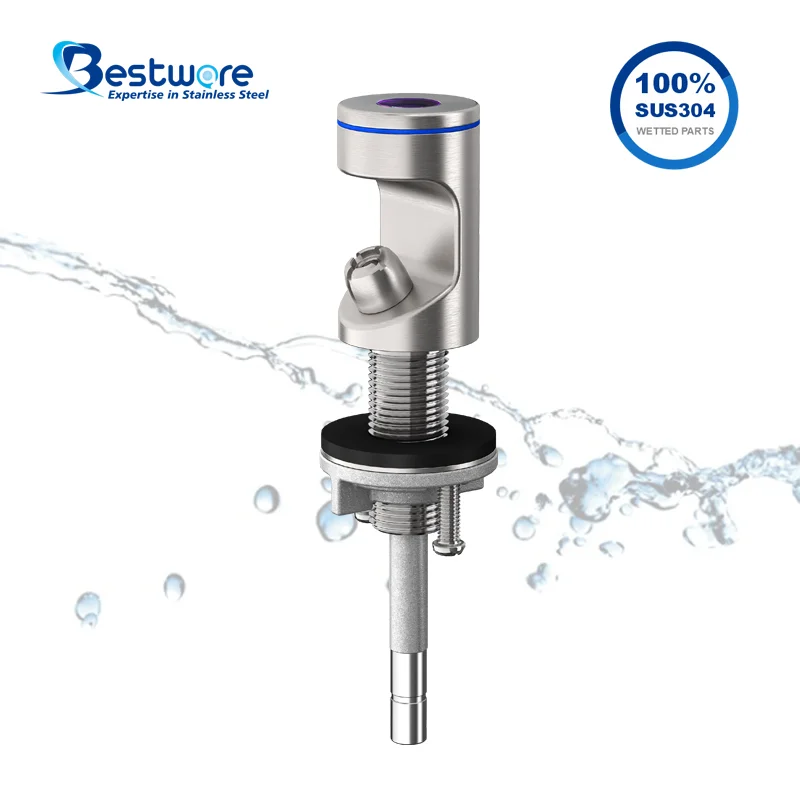
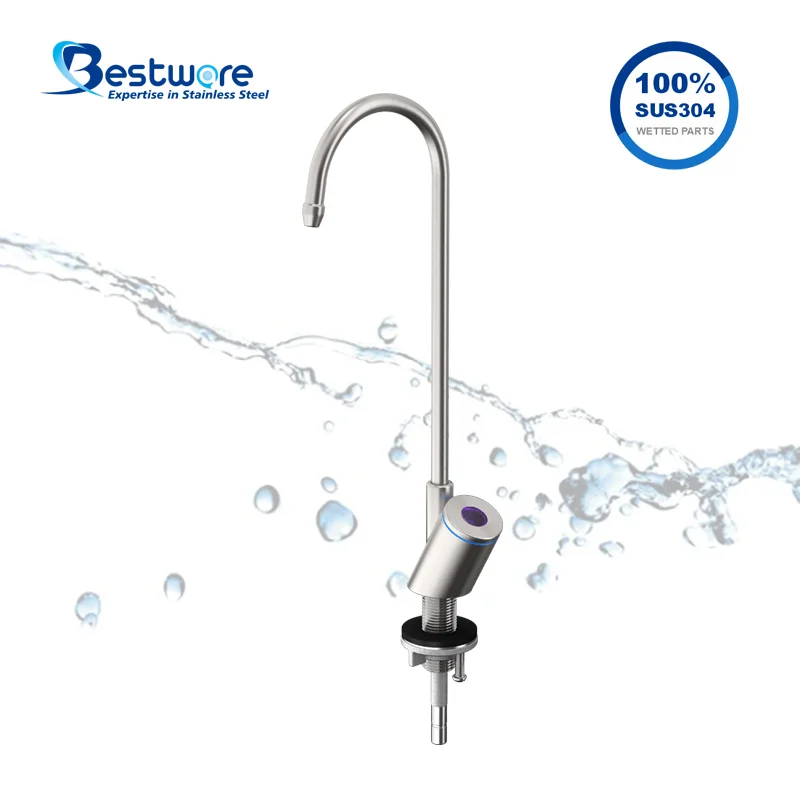
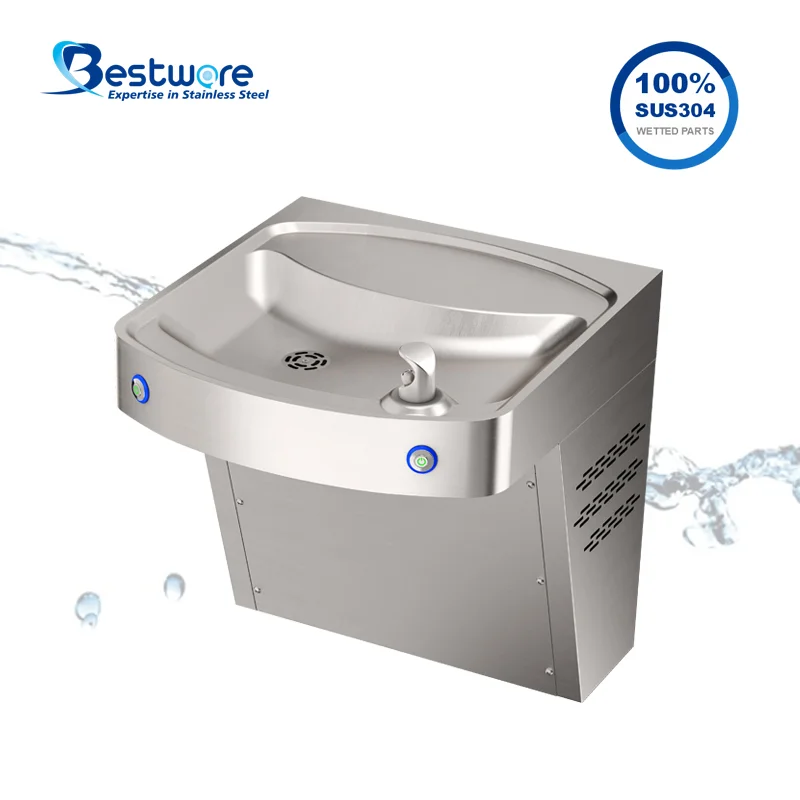
Bestware's sensor drinking bubblers are designed around user posture and operating habits, optimizing the outlet angle and flow rate to make the drinking motion smoother and more natural—minimizing unnecessary bending. The sensor-activated water flow requires no physical contact or prolonged pressing, ensuring a more hygienic and effortless experience.
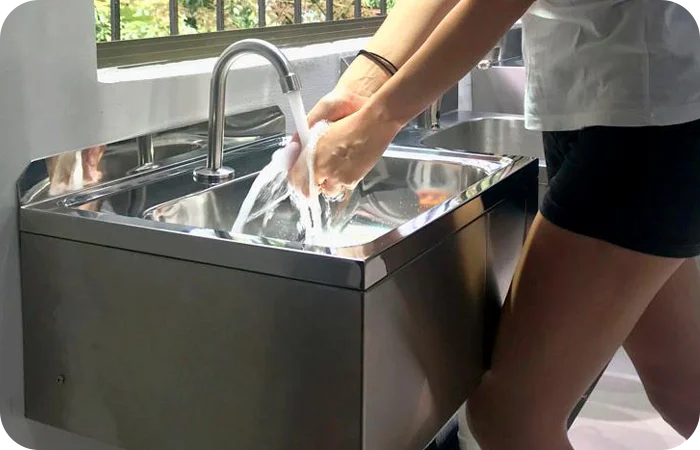
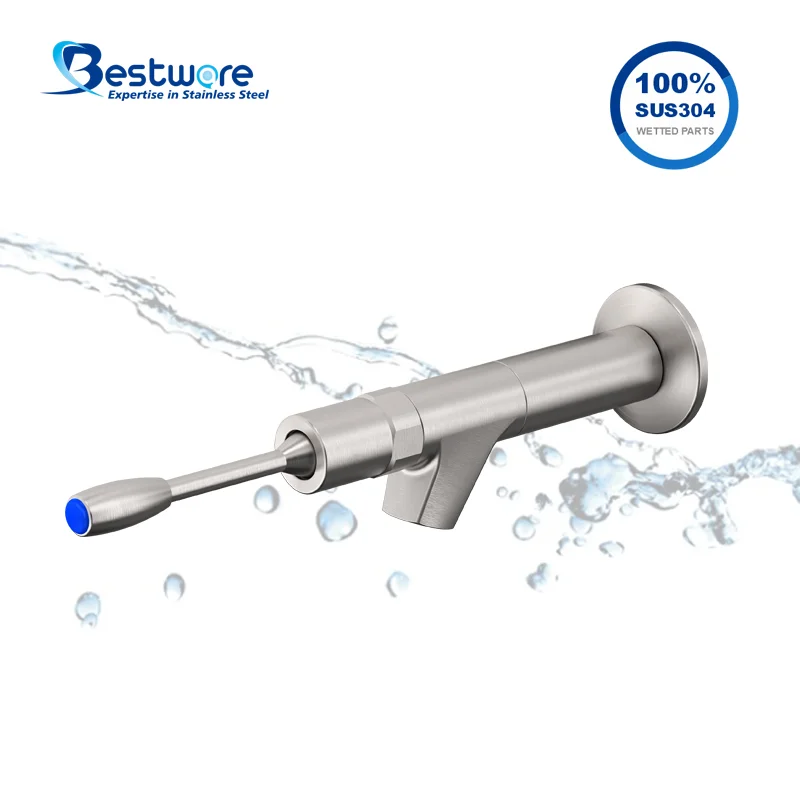
Traditional knee operated faucets often require users to raise their legs excessively due to improper installation. Bestware's knee operated faucet addresses this pain point by precisely optimizing the activation angle and contact height. Through refined panel dimensions and sensitivity adjustments, the faucet enables natural operation—activating with a light touch and stopping immediately upon release. This ergonomic approach minimizes lower limb strain caused by awkward postures and enhances operating comfort.
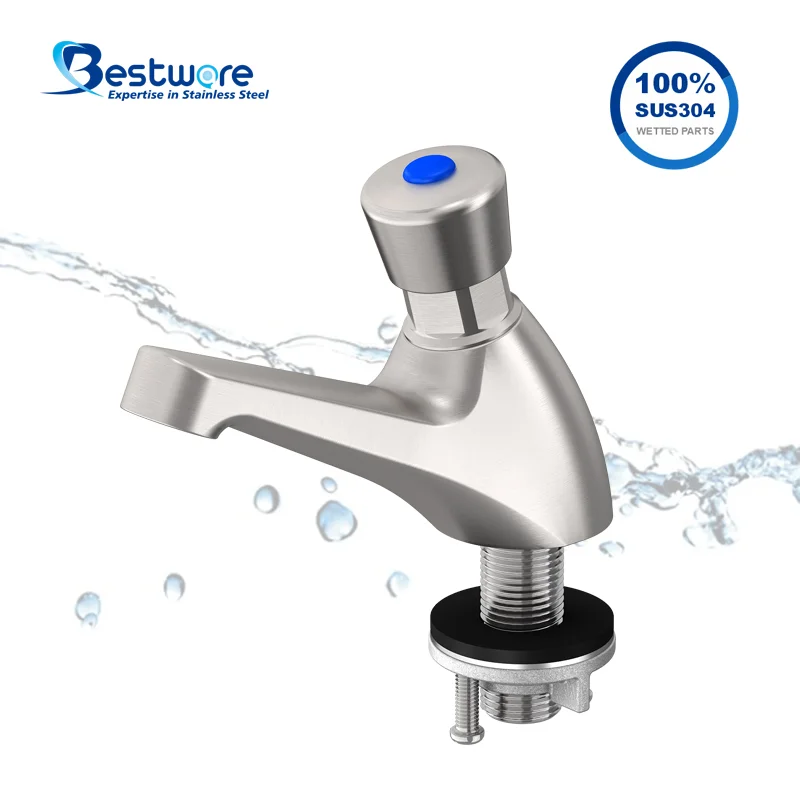
Bestware's metering faucet replaces the traditional vertical press mechanism with an ergonomically angled activation that aligns with the palm's natural downward motion and curvature. This design reduces pressing effort by up to 50%, delivering a smoother, more comfortable user experience. Even in high-frequency usage environments, it helps minimize hand muscle tension and fatigue.
In commercial equipment procurement, ergonomics is often seen as a value-added feature rather than a strict requirement. However, in high-intensity commercial environments, the hidden costs of neglecting ergonomics are often the true culprits behind inefficiency and rising expenses. At Bestware, ergonomic design is not just about ease of use—it is a fundamental design principle aimed at helping users achieve truly quantifiable value at the operational level.

Ergonomic design effectively reduces fatigue caused by repetitive tasks and prolonged standing, ensuring consistent output during peak hours. Take pre rinse faucets as an example: an ergonomically designed spray valve minimizes the need for frequent posture adjustments and repetitive gripping, enhancing operational efficiency and minimizing staffing demands—helping businesses reduce labor costs.
The durability of a faucet depends not only on materials and craftsmanship but also on how well the design aligns with user's operating habits. Poorly designed products can lead to hose jamming or twisting due to unnatural movements, or excessive force on knee panels caused by unresponsive triggers, accelerating wear and increasing the risk of accidents such as slips or burns. Bestware addresses these issues through ergonomic design optimization, reducing misuse and structural strain caused by design flaws. This not only improves operational safety but also significantly extends product lifespan and lowers maintenance costs, delivering long-term, reliable operating value for commercial users.
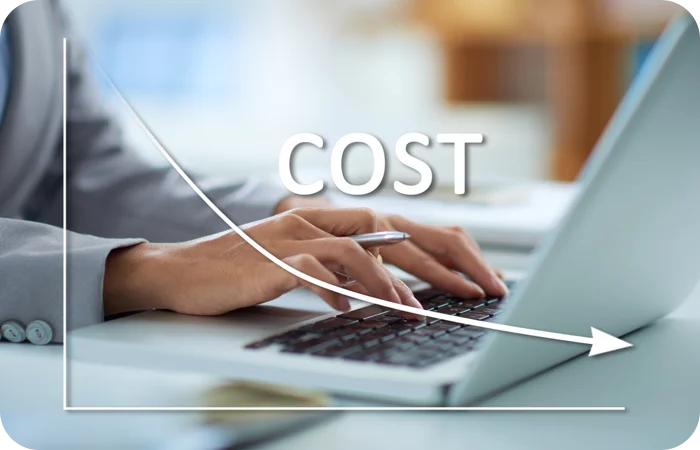
In high-intensity commercial environments, employee turnover is often closely tied to physical comfort on the job. Poorly designed equipment can lead to fatigue and discomfort, becoming a hidden driver of staff attrition. By providing a smoother, more effortless operational experience, Bestware enhances the physical comfort of the workstation, encouraging greater employee retention. This helps businesses reduce turnover-related costs such as training and staffing fluctuations.
In service-oriented commercial settings, the user interaction experience with equipment is becoming an implicit evaluation criterion of a brand's professionalism. Bestware's ergonomic design reinforces brand recognition by delivering value on two levels: on the one hand, operation aligned with natural movement ensures smooth and efficient workflows. On the other hand, thoughtful human-machine interaction reflects a deep understanding of real-world usage scenarios. This allows customers to consistently reinforce their trust in the service provider with every use.
Behind every high-frequency task lies a demand for exceptional equipment design. Guided by the human-centered philosophy, Bestware transforms ergonomic optimization into sustainable business value—not only enhancing operational efficiency and user comfort, but also delivering safer and more stable performance. When equipment is truly aligned with ergonomic principles, efficiency and professionalism naturally follow as a natural outcome.
One-stop Solution Provider of Stainless Steel Commercial Faucets
Email: business@bestware-stainless.com
after-sales@bestware-stainless.com
Tel: +86 18929047065
WhatsApp: +86 18929047065


WeChat: +86 18929047065


Website: www.bestware-stainless.com(Global Site)
www.bestware-sparkling.com(Water Dispenser)
Add: Block 8, No. 6, Jianda Nan Road, Jiangmen, Guangdong, China
Copyright © Bestware Hardware Production Co., Ltd. All Rights Reserved.
(2).webp)
(1).webp)