
Date: 2025-10-27
The quality of a product is the lifeline of a company, while after-sales service acts as an extension of that lifeline—the former being the foundation, the latter a complement. When product quality is controlled at the source and defects are eliminated through stringent standards, the pressure on after-sales service can be significantly reduced. Conversely, if quality control is lax, even if the after-sales team goes all out to remedy issues, it cannot prevent frequent failures from eroding trust. Only when a brand builds its foundation on quality can after-sales service become an added value. Relying on after-sales support to compensate for quality shortcomings is putting the cart before the horse, which inevitably leads to a vicious cycle of "poor quality – excessive service demand – rising costs – eroding reputation." Therefore, product quality must always take precedence over service. By channeling resources toward R&D and quality assurance, a company strengthens its foundation so that after-sales service can become a strategic driver of brand value instead of remaining a frantic fire brigade.
Take car purchasing as an example—vehicle quality is the core determinant of the driving experience, not the overly marketed after-sales capabilities. The rigorous quality control and mature engineering accumulated by brands like Toyota and Honda ensure that their vehicles rarely experience malfunctions during normal use. Owners need only perform basic maintenance, without wasting time or money on repeated repairs. In contrast, cars of inferior quality—even those promising "lifetime warranties" or other appealing after-sales policies—cannot hide the inconvenience of frequent breakdowns: Multiple service visits mean owners must often take time off work, pay high parts replacement costs, and even face potential safety risks from sudden failures. Truly high-quality vehicles minimize defect rates through strict pre-delivery testing rather than relying on after-sales teams to "fix problems after they occur." Instead of being swayed by grand after-sales promises, consumers should prioritize vehicles with proven quality and low failure complaints—because a worry-free driving experience ultimately protects both time and financial investment.
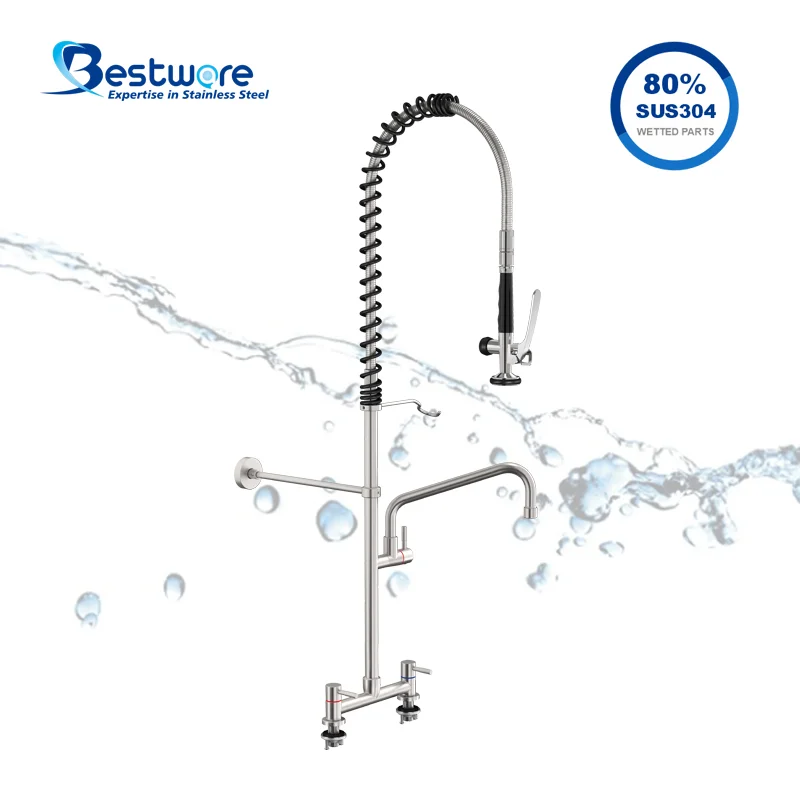
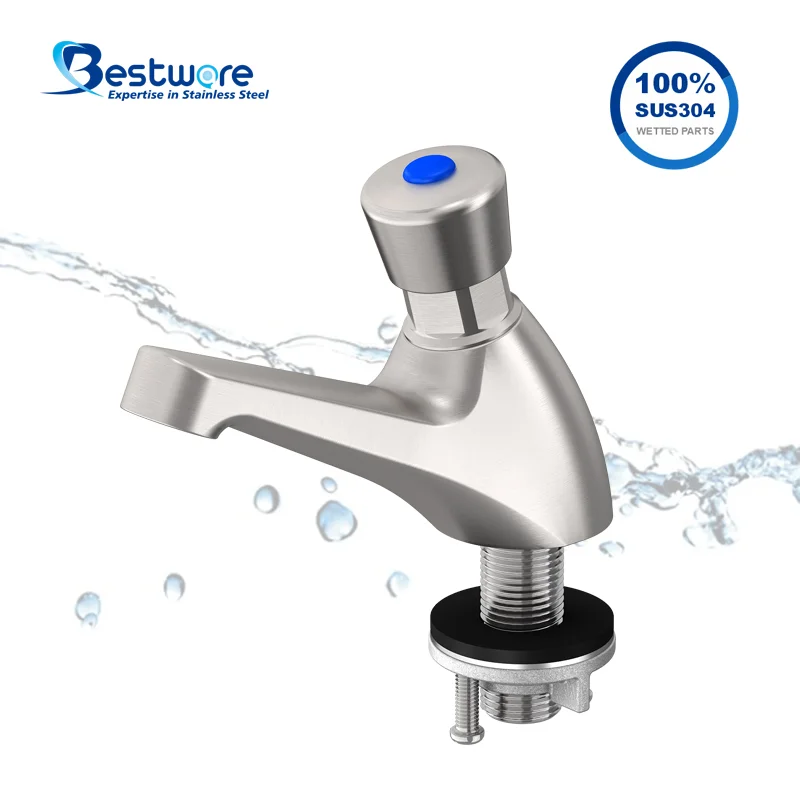
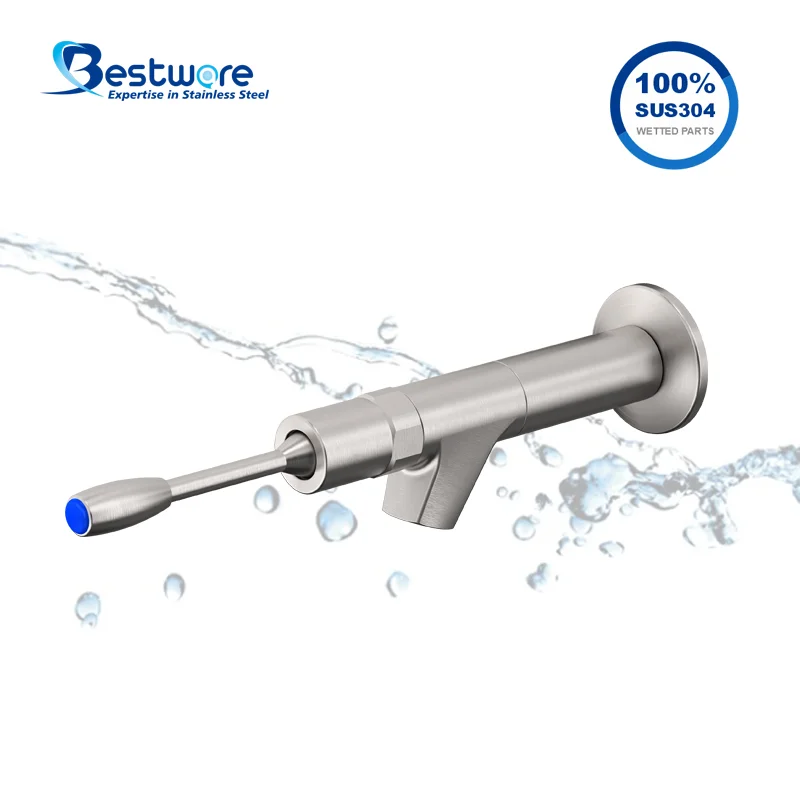
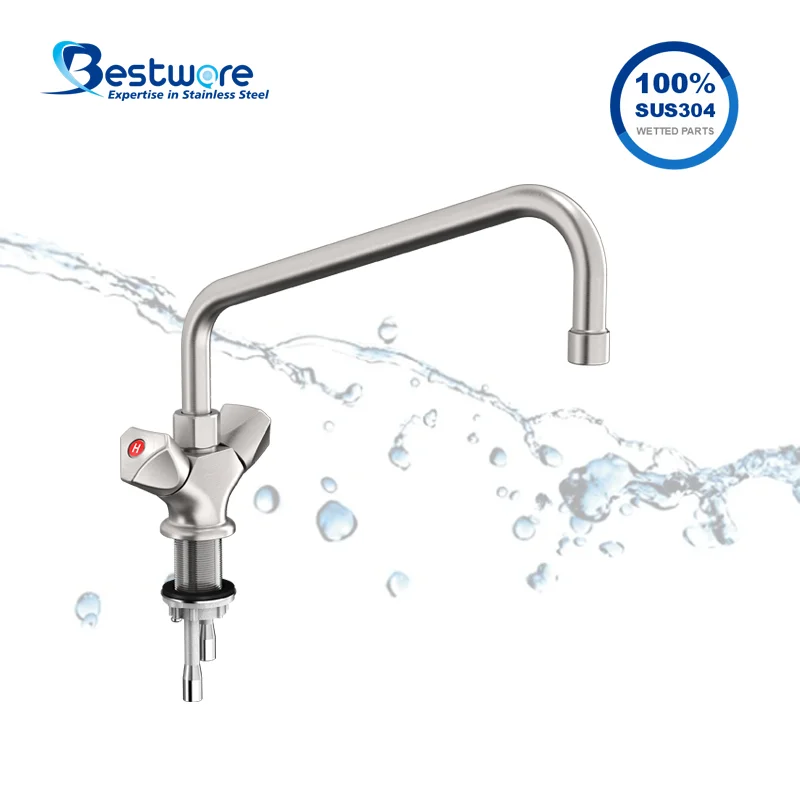
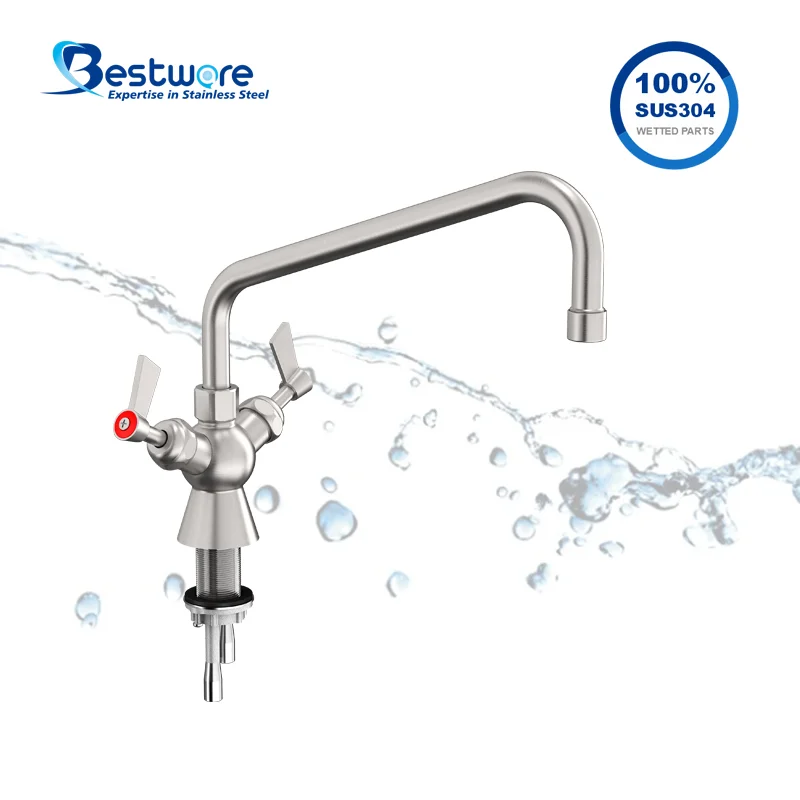
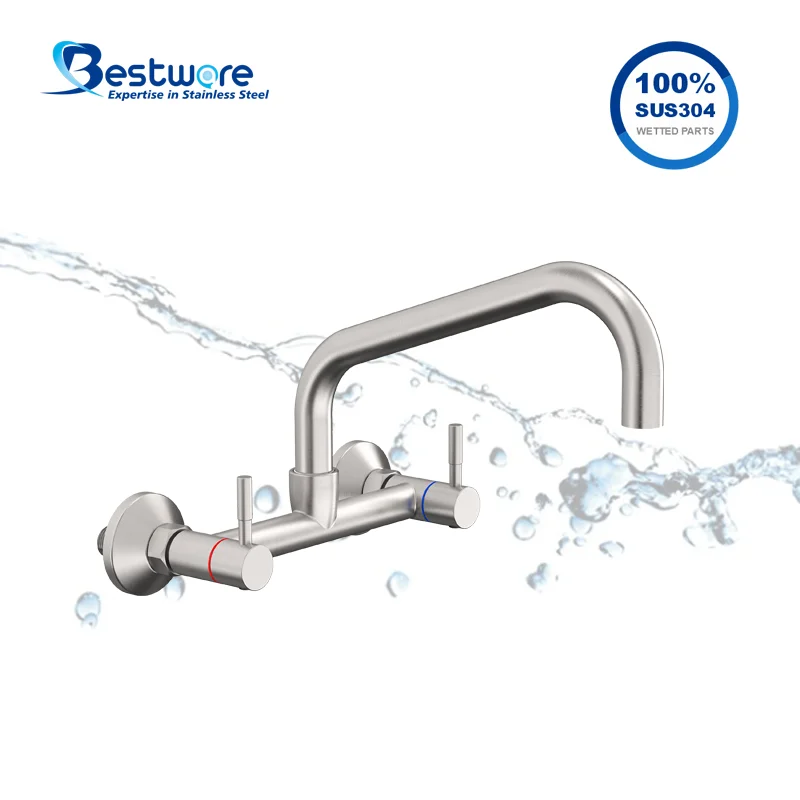
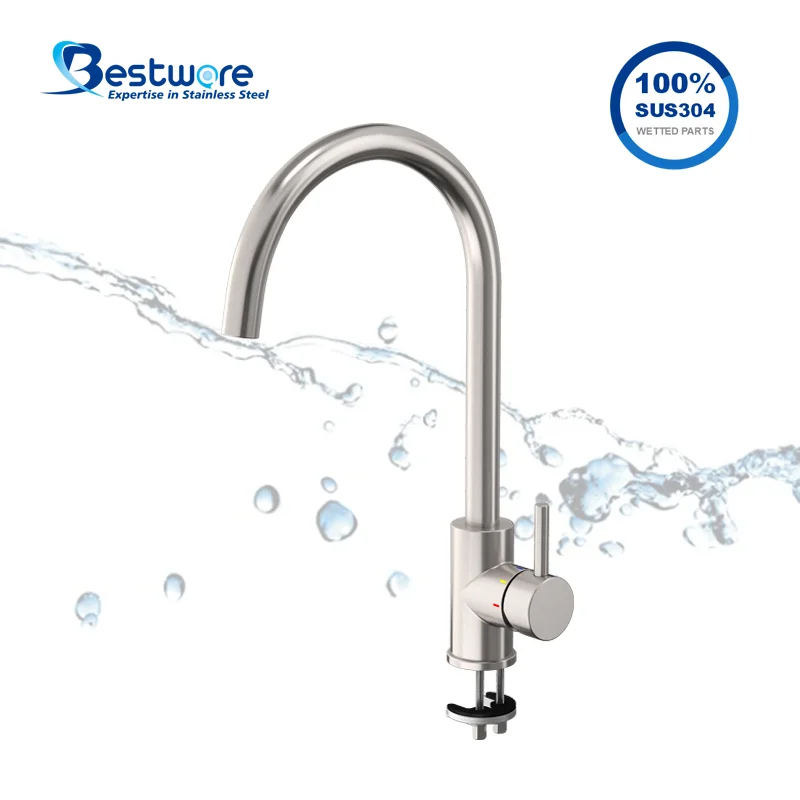
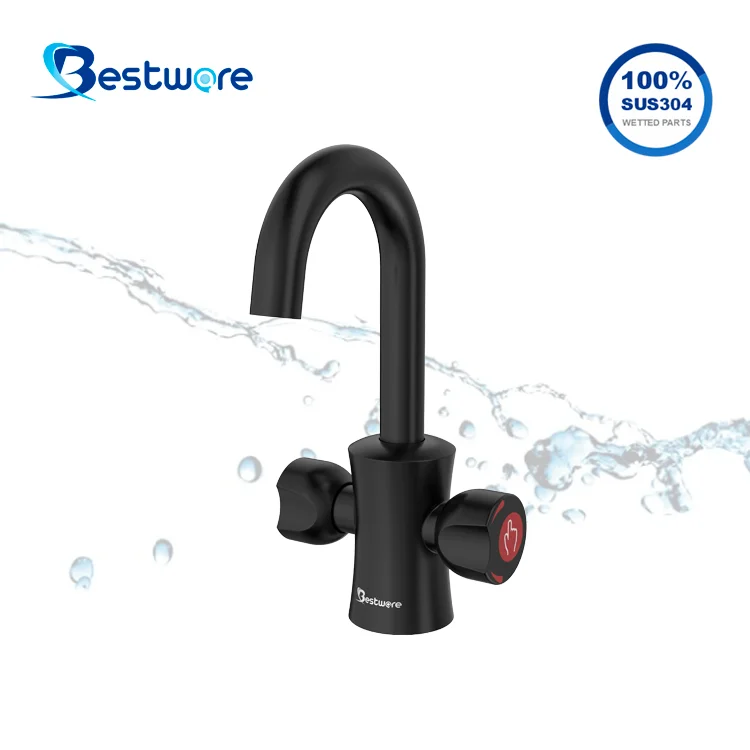
This example reveals a clear truth: outstanding products must minimize failure rates through rigorous quality management rather than depending heavily on after-sales support. The same principle applies to commercial and public faucets. In commercial and public settings, faucets are high-usage durable products whose quality directly determines long-term operating costs and user experience. Many brands attempt to compensate for quality deficiencies with seemingly considerate after-sales service. However, frequent maintenance not only consumes excessive manpower and resources, but also disrupts normal business operations.
Commercial and public faucets typically have a long service life—ranging from four to ten years—but once they exceed the warranty period, repair costs can rise sharply. This is mainly due to two factors. First, faucets are precision-engineered industrial products with highly intricate internal components, meaning repairs require specialized tools and skilled technicians, which makes the process technically demanding. Second, regions such as Europe and North America have long faced the challenge of persistently high labor costs, which make manpower the dominant expense in repair services—often accounting for the majority of the total cost.
As a result, users frequently face a difficult choice: opting for repair can lead to cumulative service costs that exceed the price of purchasing a new unit, creating an economic paradox: repairing costs more than replacing. On the other hand, replacing the product outright avoids high service expenses but leads to the waste of the original equipment resources.This cost inversion fundamentally stems from inadequate quality control during production, which necessitates greater time and financial investment in after-sales service.

Image by photoroyalty on Freepik
Based on our years of industry experience, the root causes of after-sales problems in commercial and public faucets can be traced to three key aspects: structural design, manufacturing standardization, and material selection.
The impact of these three factors on after-sales issues varies significantly: structural design defects account for as much as 65%, manufacturing standardization problems 25%, and material-related issues only 10%. This clearly reveals the core logic behind the frequency of after-sales incidents: the primary causes are structural design deficiencies during R&D and insufficient production standardization.

Image by pressfoto on Freepik
Bestware's Advantages and Measures
To address the three root causes of after-sales issues mentioned above, Bestware focuses on minimizing failure rates and service frequency from the source. The company implements targeted and effective measures in three key aspects:
At the R&D stage, a scientifically engineered structural design is the foundation for reducing after-sales frequency. Guided by the concept of "zero-defect design," Bestware systematically plans the overall service life of each faucet through:
Precisely design the dimensional tolerances of each component to ensure a perfect fit at every connection point, preventing looseness caused by excessive gaps or wear resulting from overly tight assembly.
Adopt standardized compression ratio controls for rubber seals (e.g., maintaining compression between 15%–20%) to prevent deformation and premature aging due to over-compression.
Design easy-to-assemble and disassemble structures to minimize the risk of component damage during installation.
Conduct simulated fatigue tests to determine the optimal elasticity coefficient and service life of springs, thereby reducing switch failure caused by spring fatigue.
Such scientific designs ensure precise internal coordination, minimizing abnormal friction and effectively reducing wear risks from the outset.
Standardized manufacturing is the key to translating design concepts into consistent product performance. Bestware achieves this through:
Implementing full-process quality inspections to ensure every component meets design specifications.
Utilizing high-precision CNC equipment to maintain dimensional tolerances within ±0.05 mm.
Applying polishing and electroplating processes to achieve a surface roughness of Ra ≤ 0.8 μm, effectively reducing the risk of scale buildup and corrosion.
Standardized production ensures that products fully adhere to the design specifications, preventing performance degradation caused by process variations.
Although material quality directly affects after-sales frequency, it serves primarily as a "remedial factor." Bestware prioritizes:
Rigorously tested for sealing performance through 200,000 open-close cycles.
3.2 High-Grade 304/316 Stainless Steel
Featuring a hardness rating (HV ≥ 200) that is 150% higher than brass (HV ≤ 80) and offering three times greater corrosion resistance.
It should be emphasized that material advantages must be based on scientific design—for instance, even stainless steel may leak if structural design is inadequate.
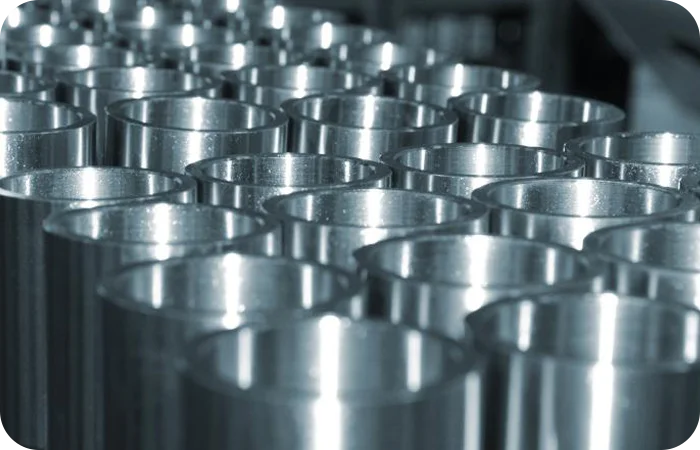
Image by onlyyouqj on Freepik
Bestware has always regarded "scientific structural design and standardized production" as the key to quality improvement—focusing on preventing after-sales issues at the root rather than relying on remedial service. This approach has significantly reduced our after-sales frequency compared with competitors, effectively lowering users' service costs. These inherent advantages also help offset the limitations of Bestware's current after-sales coverage in certain countries.
At present, Bestware's expansion in some overseas markets is still in its early stage, and the construction of a comprehensive after-sales service network will take time. Nevertheless, we have made the development of a global after-sales system a top priority. Going forward, we will continue to increase resource investment, accelerate the localization of service networks, enhance response efficiency, and strengthen technical training. We also sincerely invite more partners to join us in building a robust, systematic service ecosystem that provides sustainable support for our long-term market development.

Image by snowing on Freepik
Bestware relies on improving product quality to reduce after-sales frequency from the source, achieving after-sales costs and service incidents significantly lower than industry averages, effectively mitigating the temporary limitations of after-sales networks in certain overseas markets. We believe that true after-sales service is not about "fixing failures" but about "minimizing their occurrence." Choosing Bestware means opting for "quality prevention" over "after-sales remediation," reducing service frequency by at least 50%. At the same time, Bestware is steadily enhancing its overseas after-sales service system, working closely with partners to address remaining gaps and provide greater assurance to customers. In short, choosing Bestware is a smart and forward-looking decision.
One-stop Solution Provider of Stainless Steel Commercial Faucets
Email: business@bestware-stainless.com
after-sales@bestware-stainless.com
Tel: +86 18929047065
WhatsApp: +86 18929047065


WeChat: +86 18929047065


Website: www.bestware-stainless.com(Global Site)
www.bestware-sparkling.com(Water Dispenser)
Add: Block 8, No. 6, Jianda Nan Road, Jiangmen, Guangdong, China
Copyright © Bestware Hardware Production Co., Ltd. All Rights Reserved.
(2).webp)
(1).webp)
.webp)