
Date: 2025-10-27
For many buyers, price is the primary consideration and often plays a decisive role in the purchasing decision—a perfectly understandable reality. After all, when budgets are limited, products that deliver better value are naturally more appealing. When it comes to industrial or commercial products with long service lives—such as commercial faucets, drinking water dispensers—it is essential to move beyond a price-driven mindset and uncover the deeper value that truly defines the product.
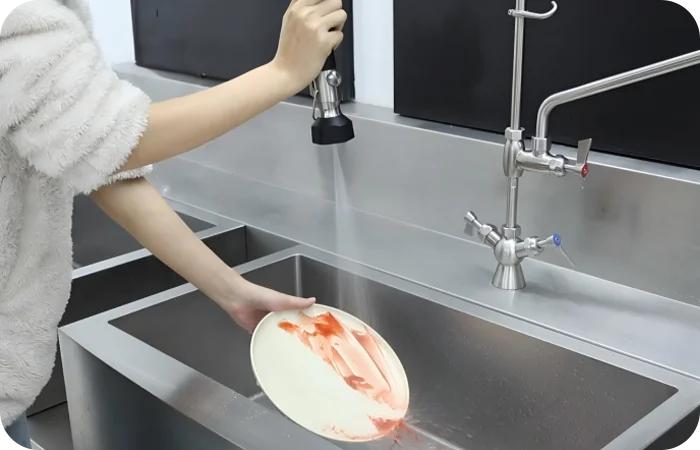
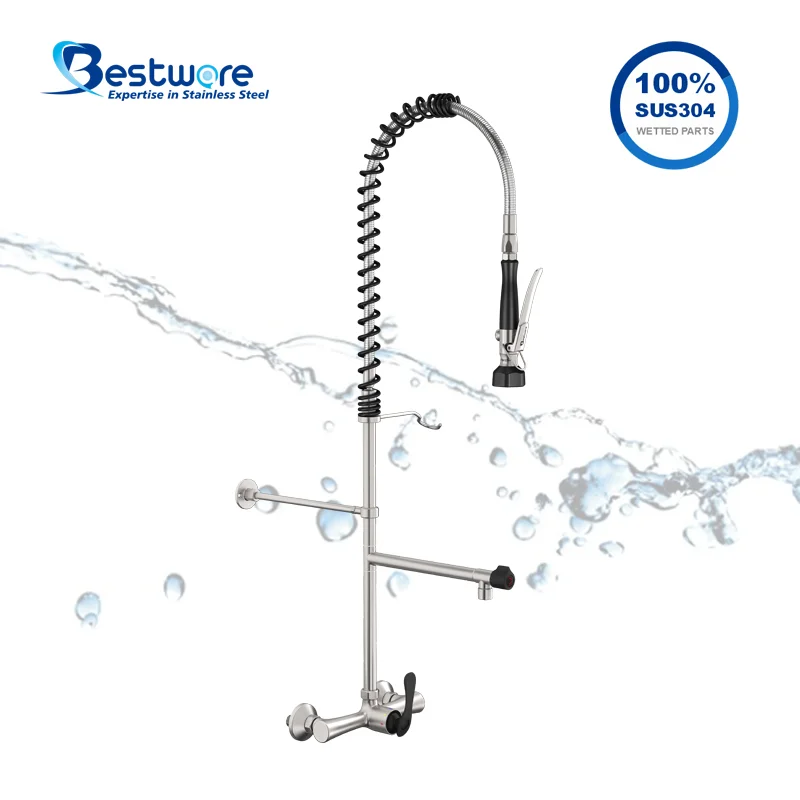
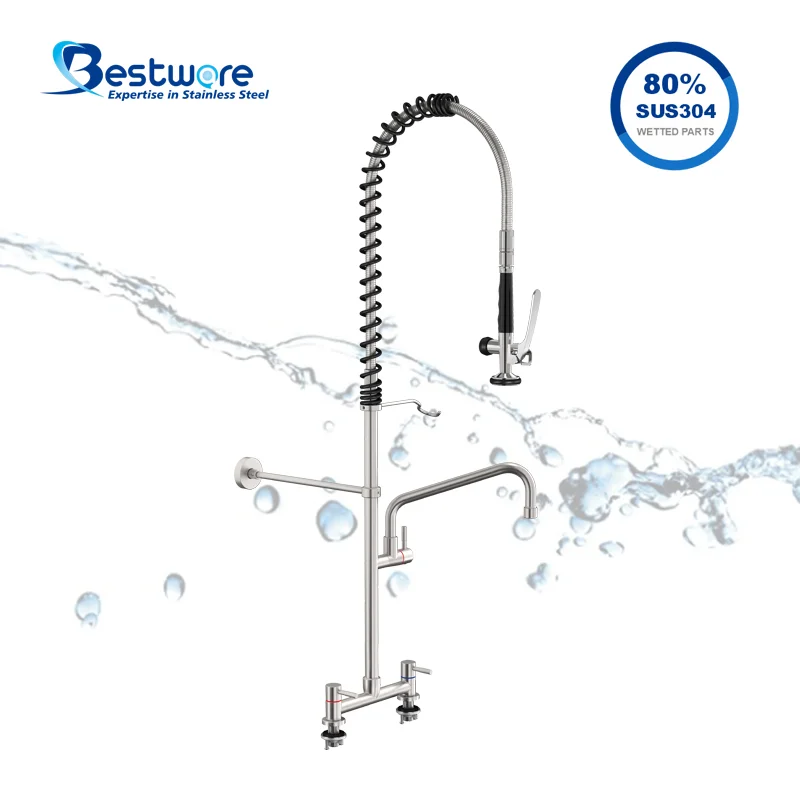
In commercial settings, usage efficiency and durability are two key factors that require particular attention when evaluating product value. First, usage efficiency has a direct and significant effect on operating costs and business outcomes. Take commercial pre rinse faucets as an example: a high-performance faucet, with its perfect ergonomic design and efficient water flow control, can complete more cleaning tasks in less time. This advantage is especially evident in high-usage environments such as commercial kitchens and food service areas where employees can spend less time on rinsing and focus more on cooking or service, greatly improving labor efficiency. Additionally, efficient rinsing operations result in faster turnover of dishware and a cleaner dining environment, enhancing customer satisfaction and increasing return visits, thereby generating tangible business gains. Secondly, durability means a longer service life, lower maintenance frequency and costs. Once the warranty period ends, repair costs can be high, especially in regions like Europe and North America where labor costs are high. The cost of several repairs may exceed that of purchasing a new unit, creating an economic paradox where repairing becomes less cost-effective than replacement. A well-built faucet can withstand long-term, high-intensity use, reducing replacement and after-sales service costs caused by frequent failures. That's why purchase decisions shouldn't be based on price alone. Instead, buyers should take a long-term view, evaluating the product's durability, efficiency, and functionality to select products that deliver greater value over time.
We all understand that the creation of a premium product is never an easy feat—it is the result of relentless refinement and dedication. From the very beginning, during the conceptual stage, R&D teams devote immense effort and resources. They invest heavily in market research, engage directly with frontline users to gather insights and data, and closely monitor industry dynamics and trend analyses to sketch out the initial product concept. While this process may appear straightforward, in reality it demands sharp insight and extensive experience. This wealth of experience is built through countless project implementations, brainstorming sessions, and solution discussions. Every exchange of ideas and subsequent design iterations demands substantial investments of time, capital, and technical expertise.
As the initial product concept takes shape, the design team embarks on a challenging journey of creation. They refine every detail of the blueprint, where each line drawn and every dimension defined directly determines both the product's functional performance and its aesthetic expression. Take commercial faucets as an example. Designers must address diverse usage requirements. From an ergonomic perspective, the product must deliver comfort and ease of use. At the same time, it needs to withstand the demanding, high-intensity environments of commercial settings, ensuring durability and stability over time. To achieve this balance, the design team never works in isolation. They collaborate closely with R&D and production teams. The R&D department contributes technical expertise to ensure design feasibility, while the production team provides critical insights from a process perspective, helping refine the design for cost efficiency and manufacturing effectiveness. Throughout this process, all teams devote substantial time and effort, continually balancing creative imagination with practical feasibility and making ongoing adjustments.
The R&D phase is a critical stage in steering a product toward excellence. To develop a competitive commercial faucet, the professional R&D team conducts extensive market research. They thoroughly examine the strengths and weaknesses of existing products, carefully analyze user feedback, and use these insights to guide technical development. To identify the most suitable solutions, the team explores multiple approaches and conducts repeated experiments and tests. This process not only involves substantial compensation for senior R&D personnel but also requires investment in advanced testing equipment and maintenance. Every expenditure is made to ensure the product achieves technological leadership and superior performance. This unwavering pursuit of innovation makes R&D costs a significant component of the overall product cost.

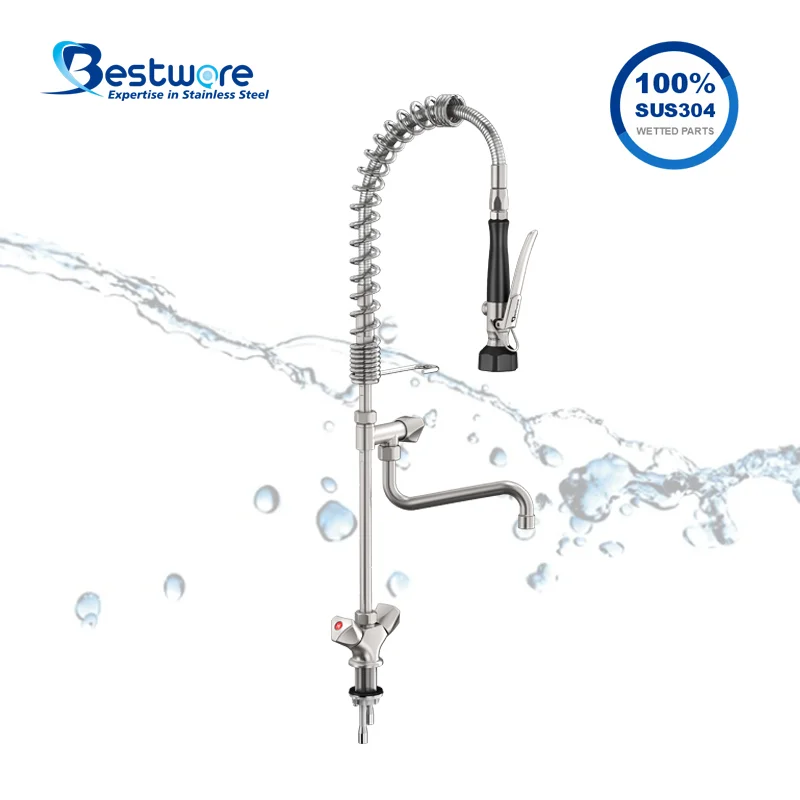
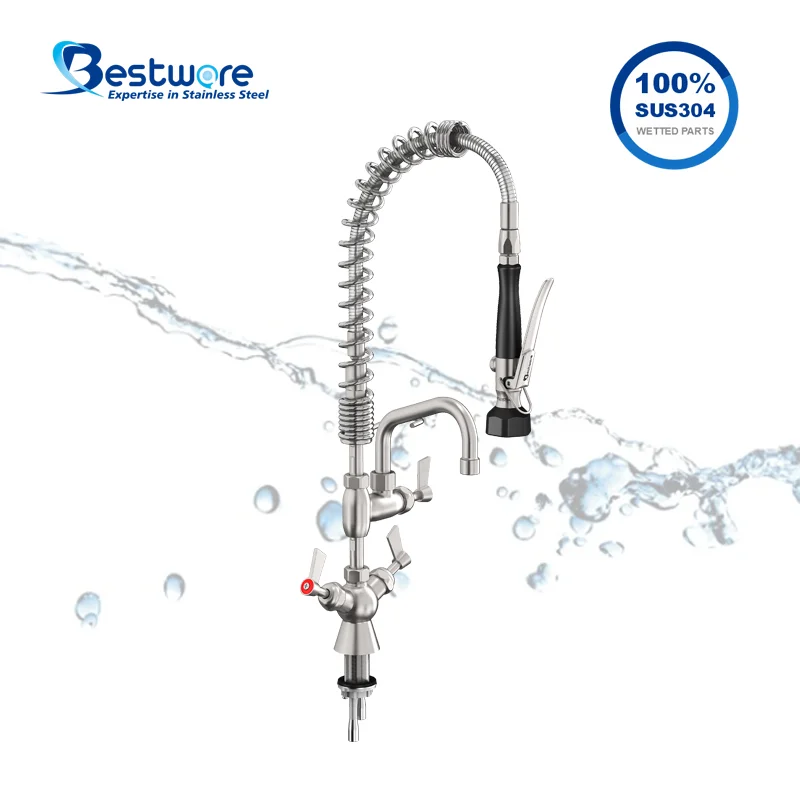
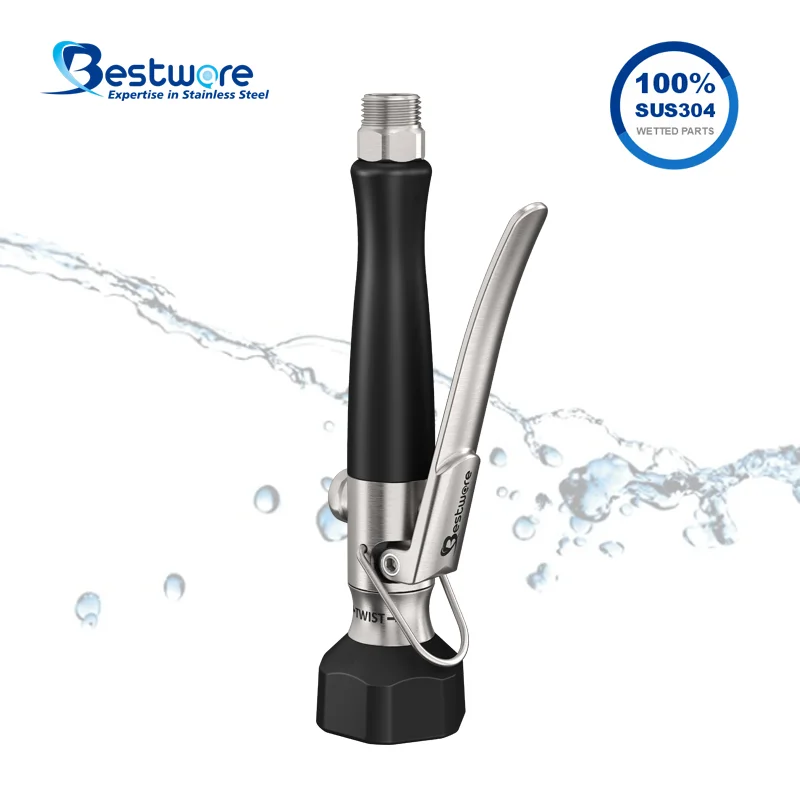
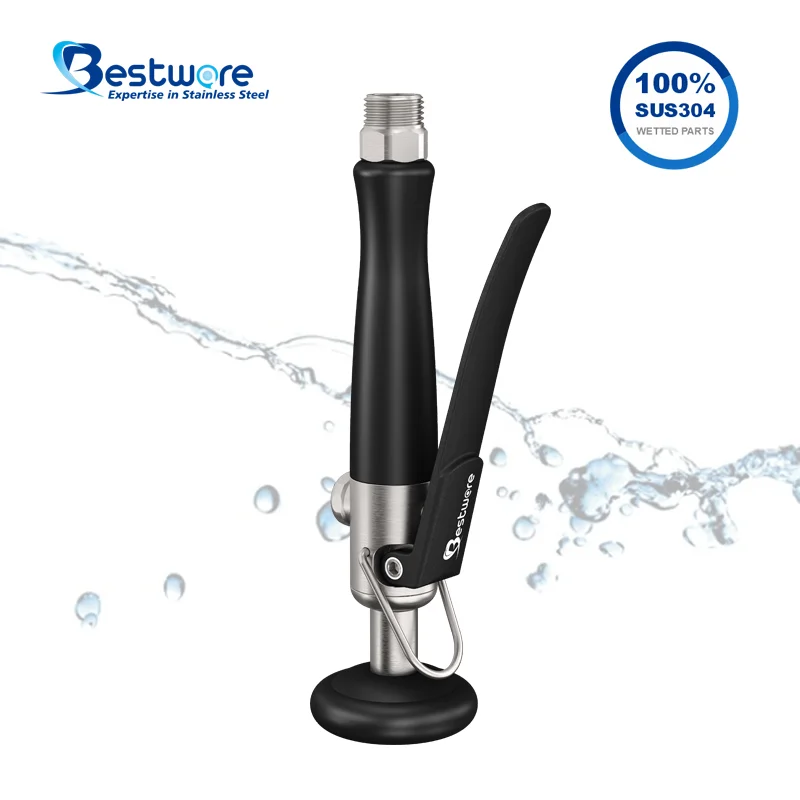
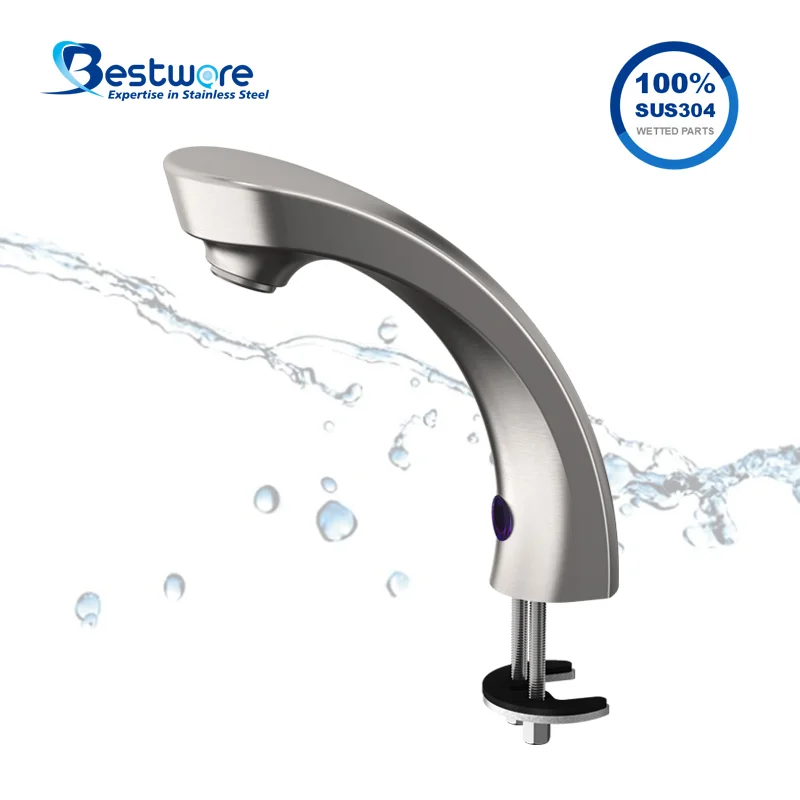
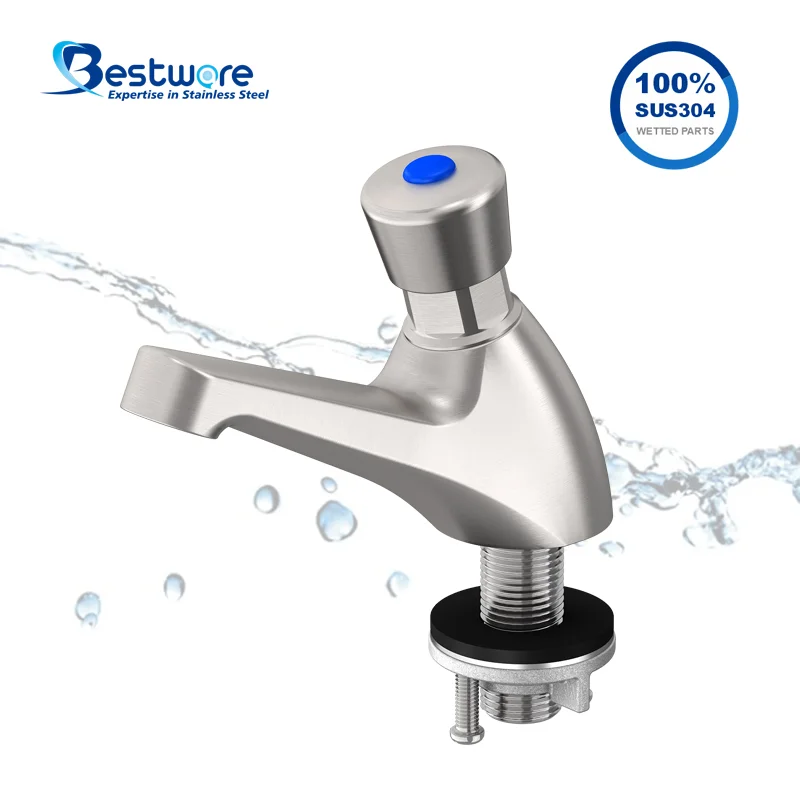
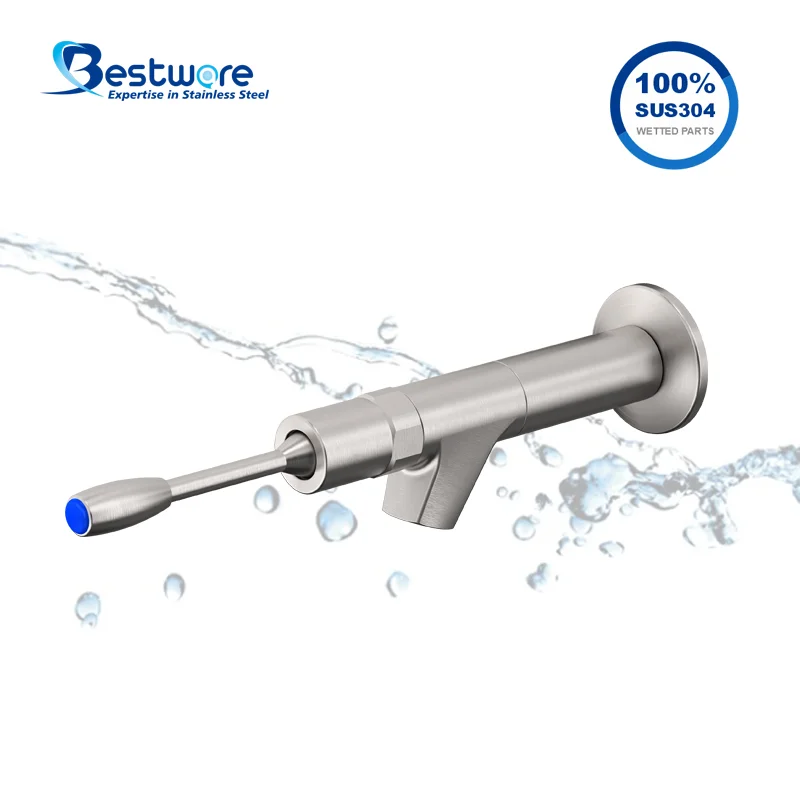
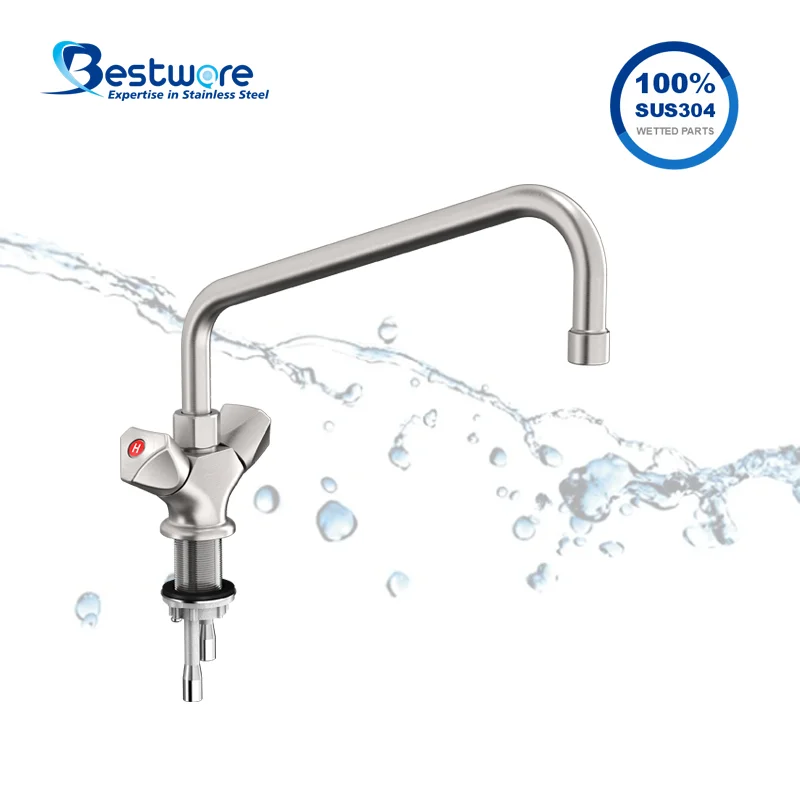
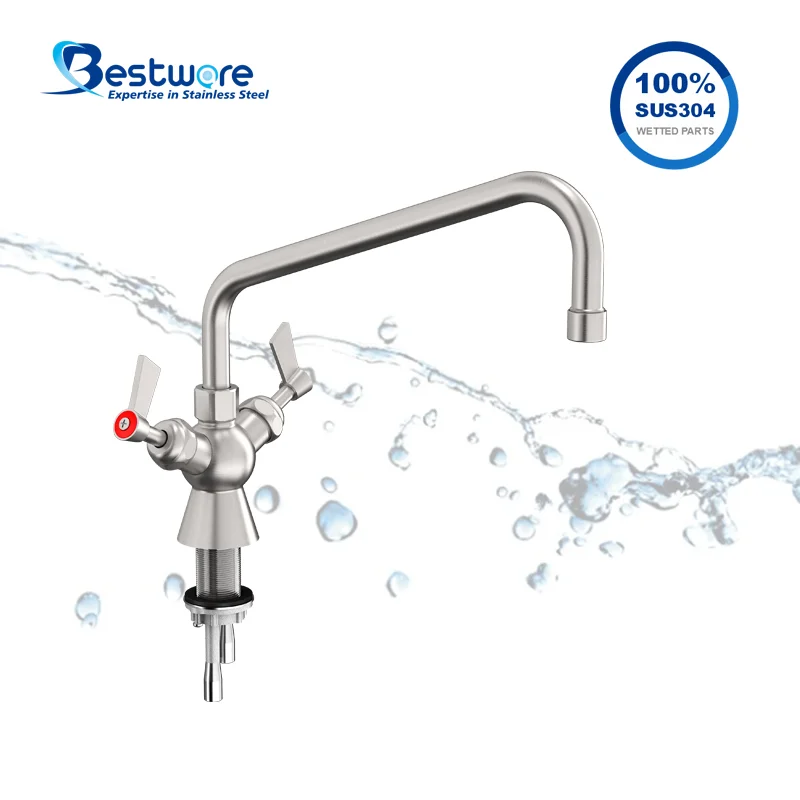
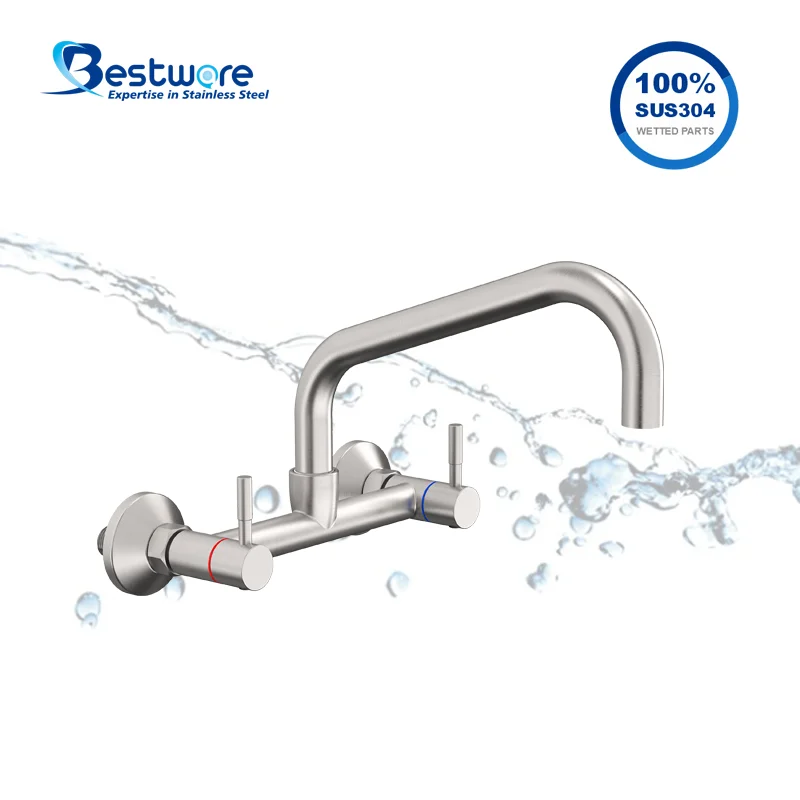
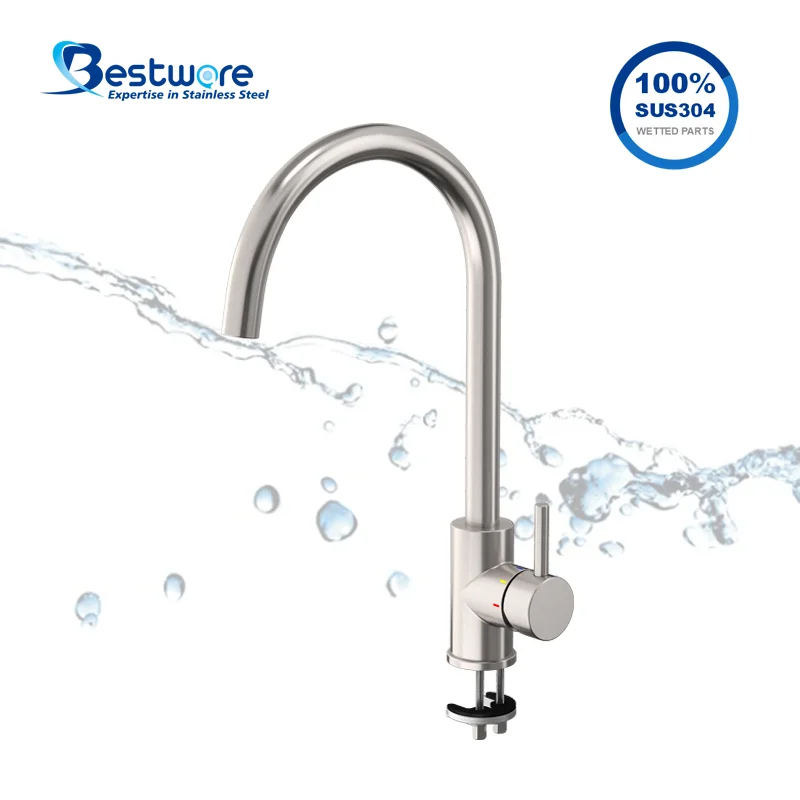
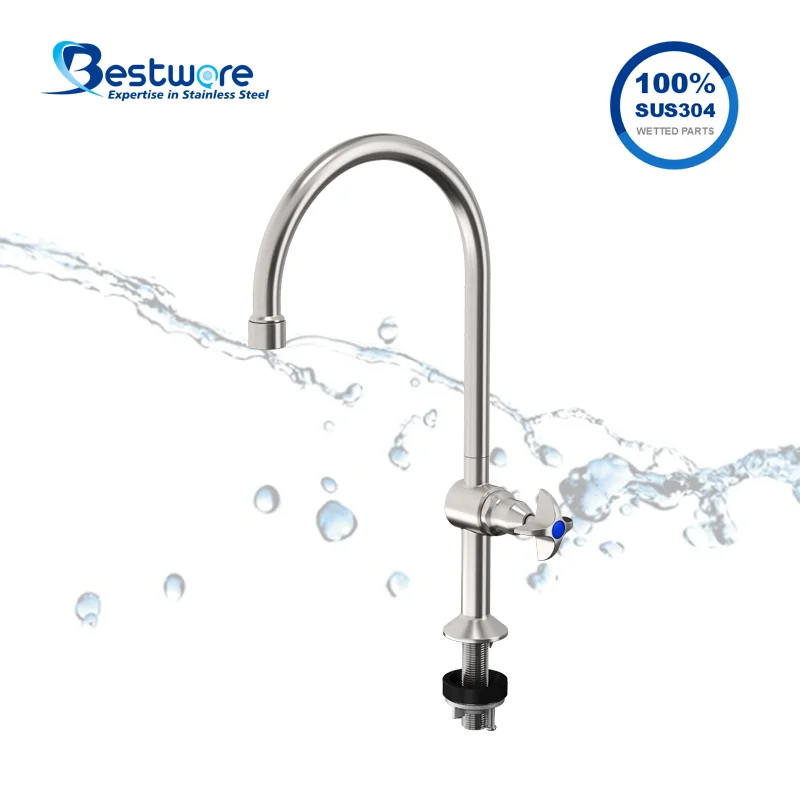
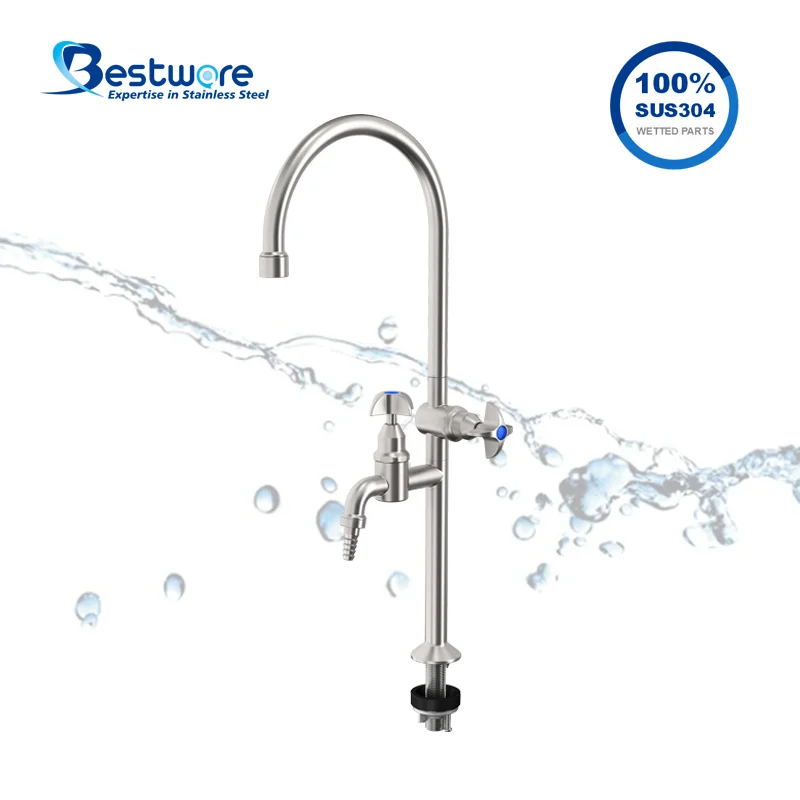
The production stage transforms design concepts into tangible products. Achieving high-precision manufacturing requires companies to make substantial investments in advanced production equipment and manufacturing technologies. At the same time, high-quality raw materials form the foundation for product excellence. Take commercial faucets as an example: food-grade stainless steel is selected to ensure durability and stability. This premium stainless steel is inherently more expensive and harder to process than brass, demanding skilled technicians, precision machinery, and additional consumables during manufacturing. From raw material procurement and machining to final assembly, every step adheres to rigorous quality control processes, ensuring that each product leaving the factory meets high-quality standards.

Image by rawpixel.com on Freepik
When all these factors are considered, it becomes clear that premium products inevitably involve higher costs and prices. However, this price does more than simply cover the investment of human resources, technology, and capital in R&D and production—it also represents a commitment to delivering high-quality, reliable performance to users.
From a long-term perspective, low-quality products can create numerous negative consequences for both sellers and end users. They not only undermine the seller's business reputation but also deliver a poor user experience. What's more, the hidden costs behind such products are often overlooked.
Most hidden costs stem from failure-related costs. Specifically, they include repair and replacement costs caused by product quality issues, additional operating expenses from customer complaints and returns, and indirect business losses incurred during product downtime. Take stainless steel commercial faucets as an example—low-cost products are especially problematic. Many of these are made with inferior materials such as brass or zinc alloy, whose durability falls far short of stainless steel (304). They simply cannot withstand the heavy-use and high-wear commercial environments over time, leading to loose structures, frequent leaks, and significantly higher maintenance demands. In addition, cheap products often suffer from design flaws. Poor ergonomics make them tiring to operate over long periods, while their low cleaning efficiency extends task times. This not only hampers productivity but also drives up labor costs.
lmage by brgfx on Freepik
Low-cost products often attract price-conscious buyers with the promise of affordability. Yet once put into use, a host of quality issues inevitably surface. Product failures force users to spend additional time and money on repairs and replacements, and in some cases even disrupt normal business operations, reducing efficiency and affecting profitability. What initially seems like a shortcut through low prices often proves to be a thorn-covered path. In the end, users realize that the hidden costs they pay far exceed the product's purchase price—leaving them worse off than before.
Have you ever noticed those overlooked details in past product transactions? Though seemingly minor, they may catch you by surprise when calculating total costs. As the old saying goes, "It's the pebble in your shoe that defeats you on the road." Hidden costs are just like that pebble—they quietly erode your business over time.
Clearly, the most effective way to save money is to invest in high-quality products. Paying more for premium quality ultimately delivers greater long-term economic benefits. By comparison, we believe customers can recognize that Bestware products deliver far greater long-term value than their initial cost, making them a truly cost-effective choice. Choosing Bestware means choosing both quality and value—ultimately, it's a choice that saves money.
At the same time, high quality should not automatically mean high prices. While maintaining uncompromising standards, Bestware continuously works to enhance operational efficiency, leveraging economies of scale and refined management to reduce production costs. This allows us to offer competitive pricing to customers without compromising on quality.
We believe that investing in equipment shouldn't be based solely on purchase price. A careful assessment of total lifecycle costs, operational reliability, and after-sales support is crucial. By taking these factors into account, you can maximize the long-term value of your equipment and avoid unexpected costs from an unsuitable choice.
2025/10/27 0:00:00
2025/10/25 0:00:00
One-stop Solution Provider of Stainless Steel Commercial Faucets
Email: business@bestware-stainless.com
after-sales@bestware-stainless.com
Tel: +86 18929047065
WhatsApp: +86 18929047065


WeChat: +86 18929047065


Website: www.bestware-stainless.com(Global Site)
www.bestware-sparkling.com(Water Dispenser)
Add: Block 8, No. 6, Jianda Nan Road, Jiangmen, Guangdong, China
Copyright © Bestware Hardware Production Co., Ltd. All Rights Reserved.
(2).webp)
(1).webp)

.webp)