Date: 2025-11-22
Nowadays, bottled sparkling water has become a common choice for daily hydration due to its convenience. However, its typical packaging—glass bottles, plastic bottles, and metal cans—reveal significant drawbacks and pose serious environmental threats. The emergence of sparkling water dispensers offers a practical and highly promising solution. By eliminating the production, transportation, and disposal of pre-packaged bottled water, sparkling water dispensers effectively remove single-use glass, plastic, and metal packaging waste, significantly reducing carbon emissions.
Glass bottles may appear eco-friendly, but they carry numerous drawbacks. From a production standpoint, glass manufacturing is highly energy-intensive. Making glass requires large quantities of raw materials such as silica sand, soda ash, and limestone. The extraction of these materials not only damages natural landscapes and ecosystems but also consumes substantial amounts of energy during refining and processing. For instance, producing a standard 500 ml glass bottle consumes enough energy to power an ordinary car for several kilometers.
In terms of transportation, glass bottles are much heavier than plastic bottles or metal cans, significantly increasing energy consumption during shipping. Transporting the same volume of bottled water in glass requires more fuel due to the bottles' weight, resulting in considerably higher carbon emissions. Moreover, glass bottles are prone to breakage during transit, causing product loss and generating large amounts of glass fragments, which require additional resources and energy to handle.
Although glass bottles are theoretically recyclable, actual recycling rates are low. Many glass bottles are discarded after use and end up in landfills. Because glass decomposes very slowly in the natural environment, it occupies land resources for extended periods and can potentially contaminate soil and groundwater.
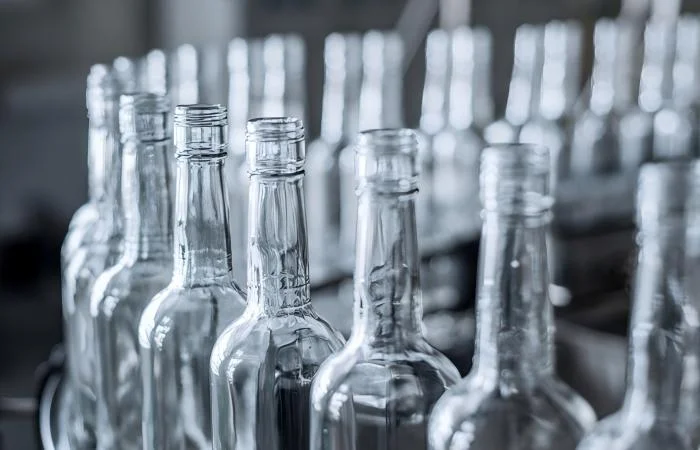
Plastic bottles present even more pressing issues. Their primary raw material is petroleum, a non-renewable fossil fuel. The mass production of plastic bottles has steadily increased demand for petroleum, exacerbating resource scarcity and energy shortage.
Plastic bottles take an extremely long time to decompose in the natural environment—often hundreds of years. During this extended degradation process, bottles gradually break down into microplastics, which can enter soil, water sources, and oceans, causing serious damage to ecosystems. When marine life ingests microplastics, they enter the food chain, potentially posing long-term risks to human health.
Recycling rates for plastic bottles are also far from ideal. Although many regions provide collection points, incomplete recycling systems and high processing costs mean that vast quantities of bottles are still improperly discarded, contributing to the alarming "white pollution" problem. It is estimated that hundreds of billions of plastic bottles are produced globally each year, yet only a small fraction is effectively recycled, with the majority ending up in the environment, causing significant resource waste and environmental contamination.
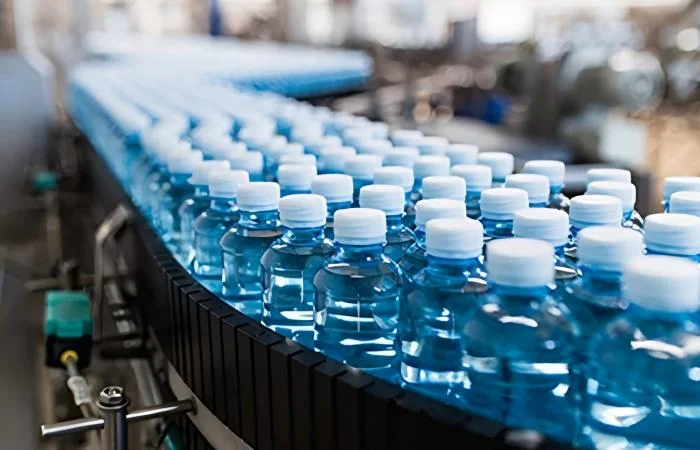
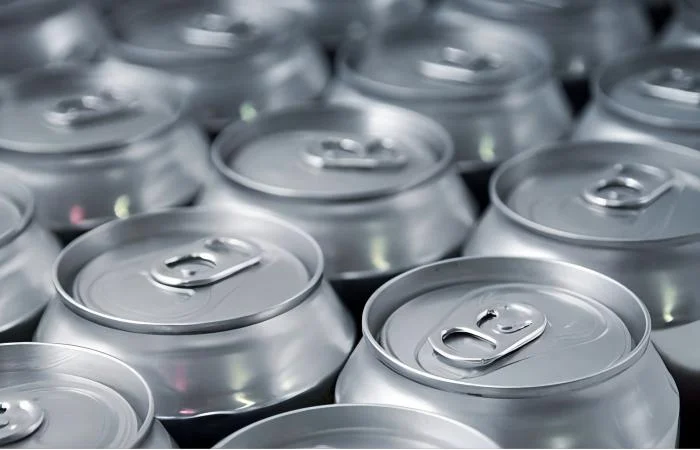
Metal cans—most commonly aluminum—also account for a portion of bottled water packaging, but they come with several notable drawbacks. From a production standpoint, metal can manufacturing is highly energy-intensive. For example, producing aluminum requires extracting bauxite and refining it through complex processes to obtain material suitable for cans. This process consumes large amounts of energy and generates significant waste and emissions, causing environmental pollution. Additionally, the raw materials required to produce metal cans are relatively expensive, keeping production costs consistently high and indirectly increasing the overall cost of bottled water.
In terms of transportation, metal cans are lighter than glass bottles but still heavier than plastic bottles. Transporting large quantities of metal cans consumes energy and generates carbon emissions. Moreover, metal cans are prone to deformation or damage during transit, resulting in product loss and resource waste.
Although metal cans are theoretically recyclable, the real-world recycling process faces numerous challenges. On one hand, imperfect recycling systems mean many metal cans never enter formal recycling streams and are improperly discarded into the environment. On the other hand, recycling metal cans requires complex sorting, cleaning, and smelting procedures, all of which are costly. To maximize profits, some recycling companies may handle cans improperly, leading to insufficient resource reuse and potential secondary environmental pollution.
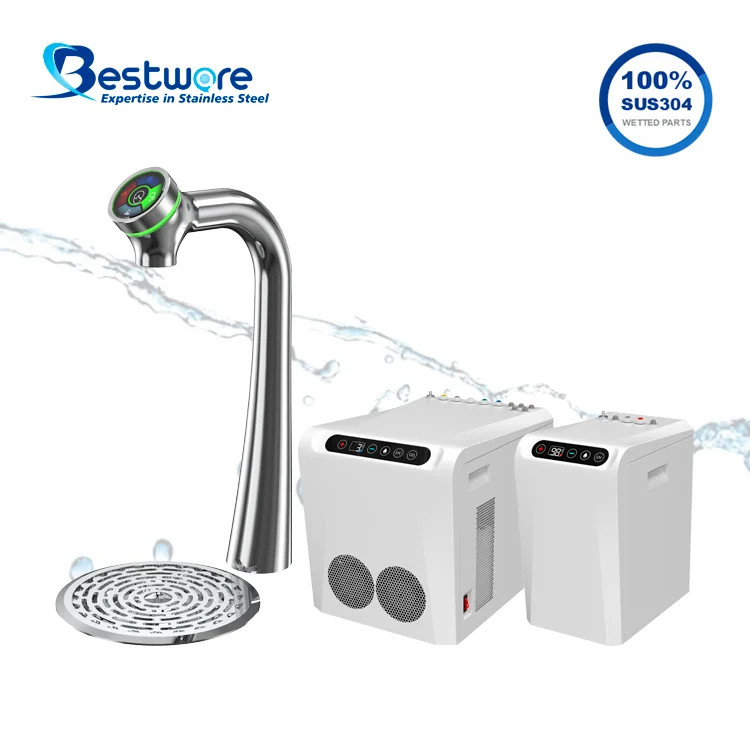
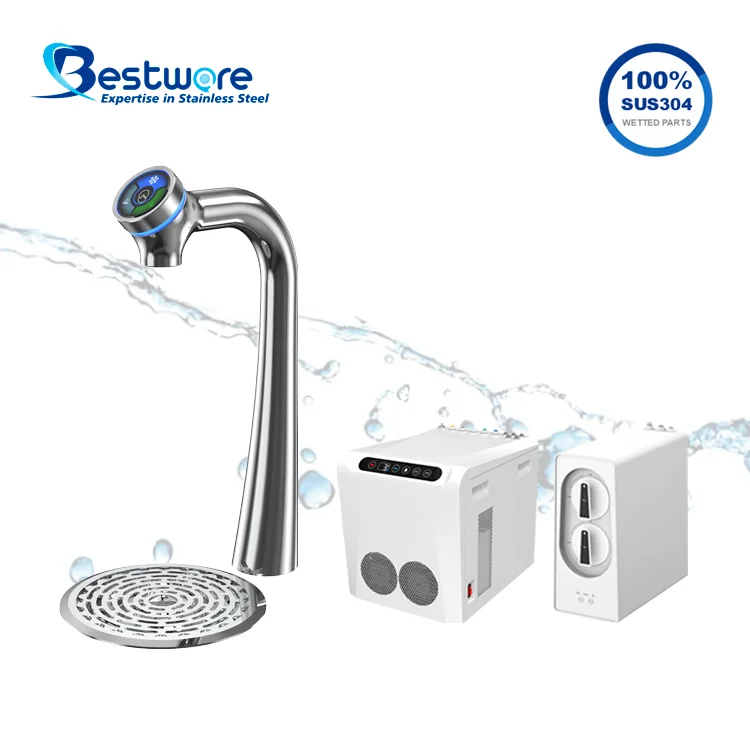
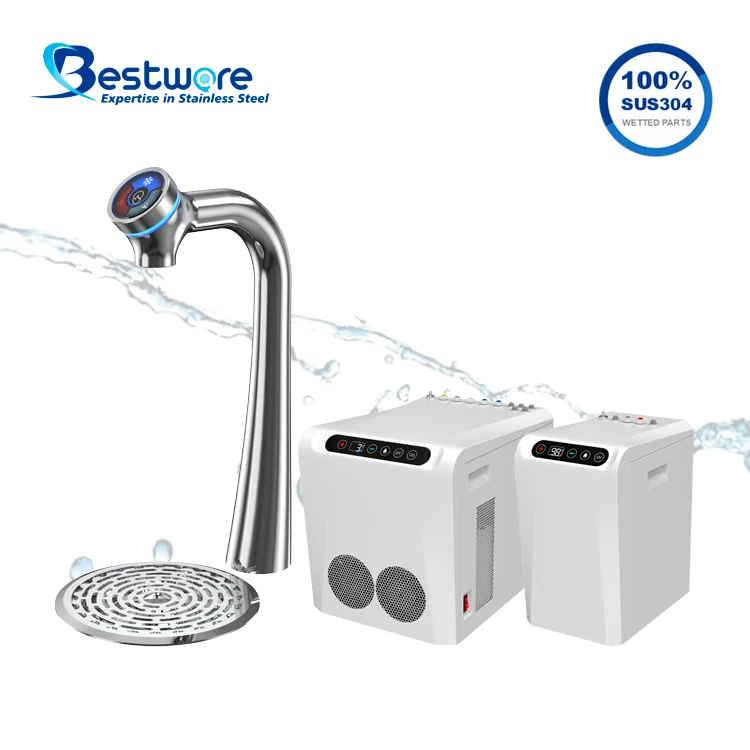
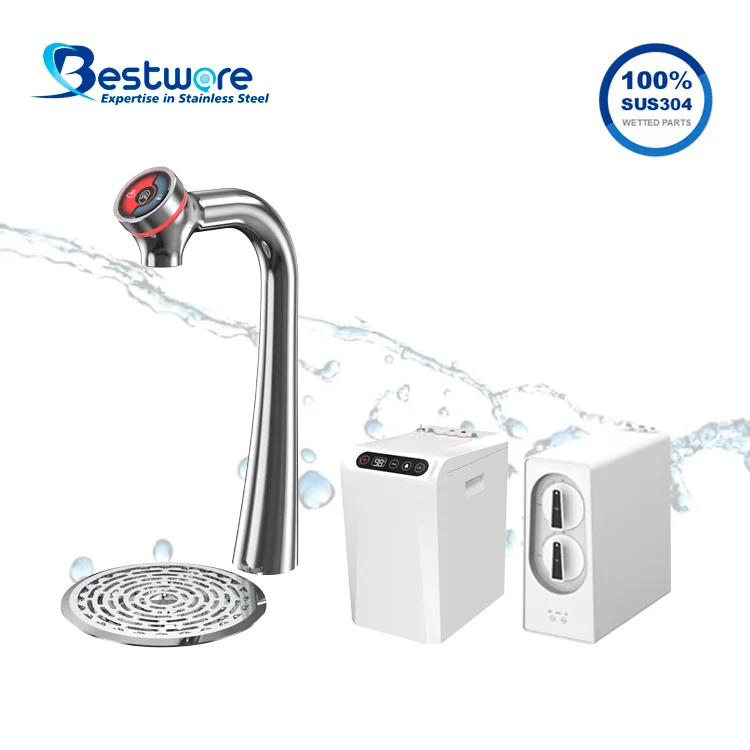
The emergence of sparkling water dispensers provides an effective solution to the packaging waste associated with glass bottles, plastic bottles, and metal cans. By using a dispenser, users can prepare sparkling water on demand without purchasing pre-packaged bottled water. This eliminates the production, transportation, and disposal of glass, plastic, and metal packaging, fundamentally cutting the waste generated by single-use containers.
For example, in a household or office, purchasing several bottles of water each week generates a significant amount of glass, plastic, and metal waste over a year. With a sparkling water dispenser, users only need reusable containers to hold the sparkling water dispensed by the machine, significantly reducing the use of packaging materials. These reusable containers can be used long-term with just regular cleaning, making them both environmentally friendly and cost-effective.
Using a sparkling water dispenser can significantly lower carbon emissions. As mentioned earlier, the production, transportation, and disposal of glass bottles, plastic bottles, and metal cans generate substantial carbon emissions. By bypassing these steps, sparkling water dispensers reduce energy consumption and greenhouse gas emissions.
In terms of production, manufacturing a sparkling water dispenser is relatively straightforward and requires far fewer raw materials and energy compared with producing glass bottles, plastic bottles, or metal cans. Moreover, sparkling water dispensers have a long service life. A reliable unit can operate for many years, which further reduces the environmental impact per unit of use.
Regarding transportation, because consumers no longer need to purchase large quantities of bottled water, transported volume is reduced, decreasing energy use and carbon emissions during transportation. Additionally, having a sparkling water dispenser allows users to make sparkling water on demand and adjust it to their preferences at any time, avoiding over-purchasing and the associated waste, which indirectly reduces carbon emissions from handling leftover bottled water.
The widespread adoption of sparkling water dispensers not only helps address current environmental challenges but also promotes the awareness and practice of sustainable development principles. By using a sparkling water dispenser, individuals gain a more tangible awareness of how their consumption habits impact on the environment, strengthening environmental consciousness and fostering greener consumption habits.
As more people opt for sparkling water dispensers, the demand for glass bottles, plastic bottles, and metal cans will steadily decline. This shift encourages manufacturers to adjust their production strategies, reduce dependence on non-renewable resources, and steer the industry toward sustainable development. At the same time, the use of sparkling water dispensers supports the growth of related green industries—such as the production and distribution of reusable containers—helping establish a positive and sustainable value chain.
Glass bottles, plastic bottles, and metal cans, as common packaging formats for bottled water, have numerous drawbacks throughout their production, transportation, and disposal, causing significant environmental harm. The emergence of sparkling water dispensers offers an innovative and effective solution to these issues. By eliminating the production, transportation, and disposal of pre-packaged bottled water, sparkling water dispensers can remove single-use glass, plastic, and metal packaging waste, reduce carbon emissions, and advance sustainable development.
Each of us should take proactive action by choosing sparkling water dispensers, leaving behind the environmental challenges posed by bottled water, and collectively contributing to a greener, more sustainable future. Let us begin with a single bottle of sparkling water, ushering in a new era of environmental responsibility and playing our part in building a better tomorrow for our planet.
Note
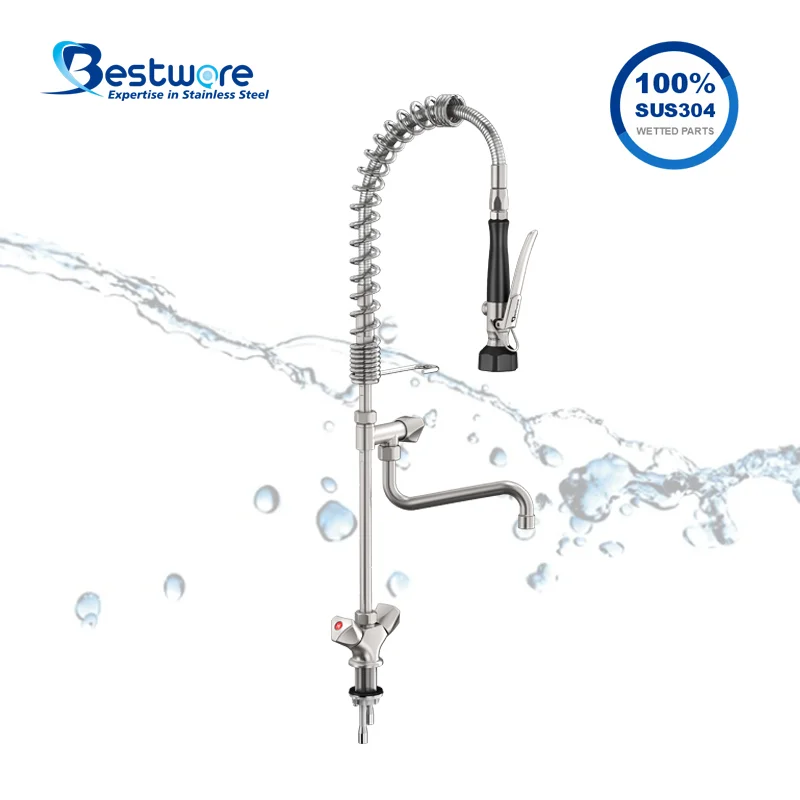
Bestware is a premier solution provider of commercial sparkling water dispensers in China, covering design, production, installation, and after-sales service. We also support OBM and OEM services to meet the personalized needs of diverse clients. Whether for standard or customized production, Bestware leverages its professional team and extensive experience to deliver high-quality, environmentally friendly drinking solutions to users worldwide.
2025/10/25 0:00:00
One-stop Solution Provider of Stainless Steel Commercial Faucets
Email: business@bestware-stainless.com
after-sales@bestware-stainless.com
Tel: +86 18929047065
WhatsApp: +86 18929047065


WeChat: +86 18929047065


Website: www.bestware-stainless.com(Global Site)
www.bestware-sparkling.com(Water Dispenser)
Add: Block 8, No. 6, Jianda Nan Road, Jiangmen, Guangdong, China
Copyright © Bestware Hardware Production Co., Ltd. All Rights Reserved.
(2).webp)
(1).webp)