Date: 2026-03-26
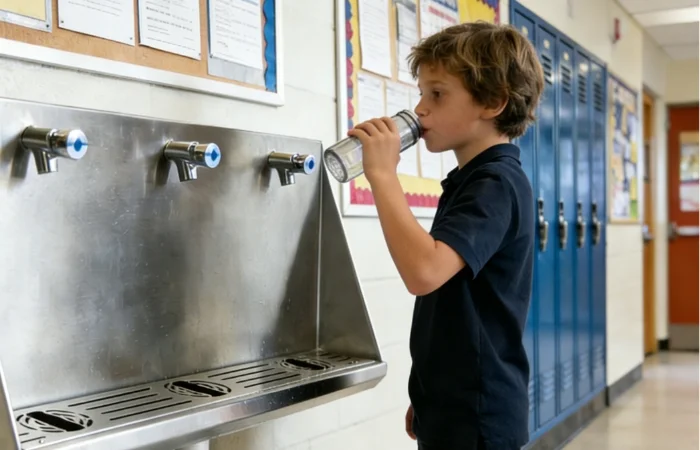
With the continuous upgrading of campus infrastructure, health, safety, and sustainability have become core considerations in public facility construction. Public drinking water systems, as highly frequently used equipment in campus environments, are evolving from “basic functionality” to “efficiency, safety, and durability.”
Bottle Fillers, as an important component of modern campus drinking water systems, are increasingly installed in teaching building corridors, libraries, cafeterias, and public activity areas due to their convenience, hygiene, and efficient water refilling capability. Campuses represent a typical high-frequency usage environment, where a single drinking point may be used hundreds or even thousands of times per day. Under such usage intensity, the selection criteria for bottle fillers go far beyond “smooth water flow” and require comprehensive evaluation from multiple dimensions, including durability, stability, hygiene, and user experience.
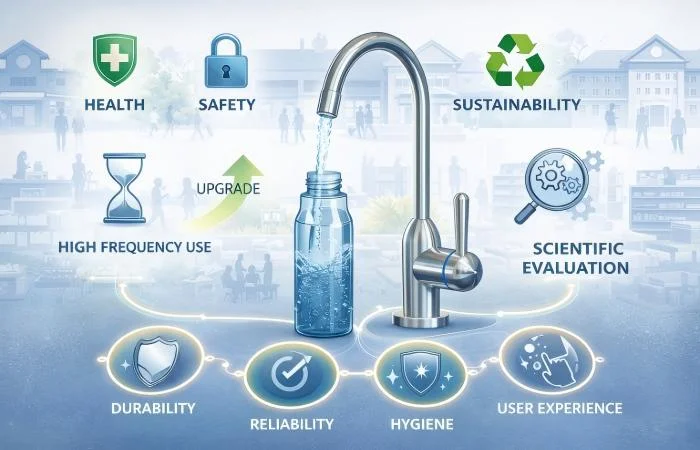
Campus drinking water environments differ significantly from office or residential settings. High-frequency usage brings the following challenges:
In campus environments, bottle fillers are subject to frequent opening and closing cycles, which not only impose higher requirements on valve lifespan but also challenge overall structural strength, material corrosion resistance, and system stability. If the product lacks sufficient material quality or structural design, it may lead to accelerated wear, performance degradation, or even frequent failures, thereby affecting continuous operation and increasing replacement costs.
From young students to adult staff, bottle fillers must accommodate different levels of strength, usage habits, and operational understanding. Excessive operating force or poor design may negatively impact usability for children and certain user groups, potentially leading to misuse or increased wear on the equipment.
Frequent shared use increases the risk of cross-contact, making bottle fillers potential carriers for bacterial accumulation. At the same time, water stagnation caused by intermittent usage or prolonged inactivity may introduce potential water quality risks. Therefore, reducing direct contact and optimizing internal waterway design have become key directions in campus facility upgrades.
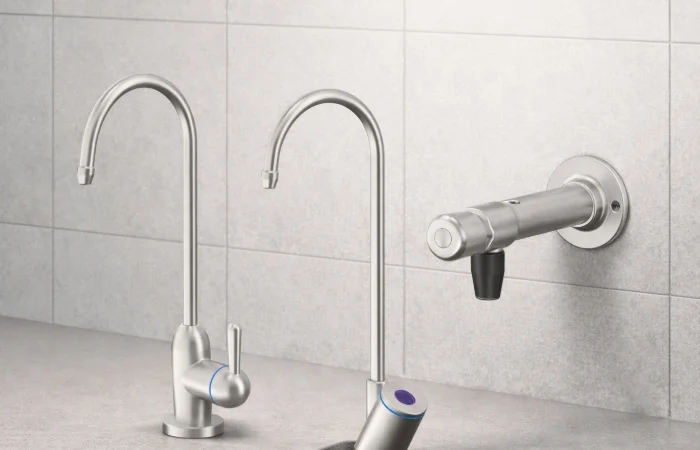
The type and installation method of bottle fillers are the most fundamental and critical decisions in the selection process.
From the control method perspective, they are mainly divided into manual and sensor types:
· Manual Type: In high-frequency usage scenarios, manual structures offer higher stability and durability due to their simplicity, making them suitable for areas with extremely high usage intensity
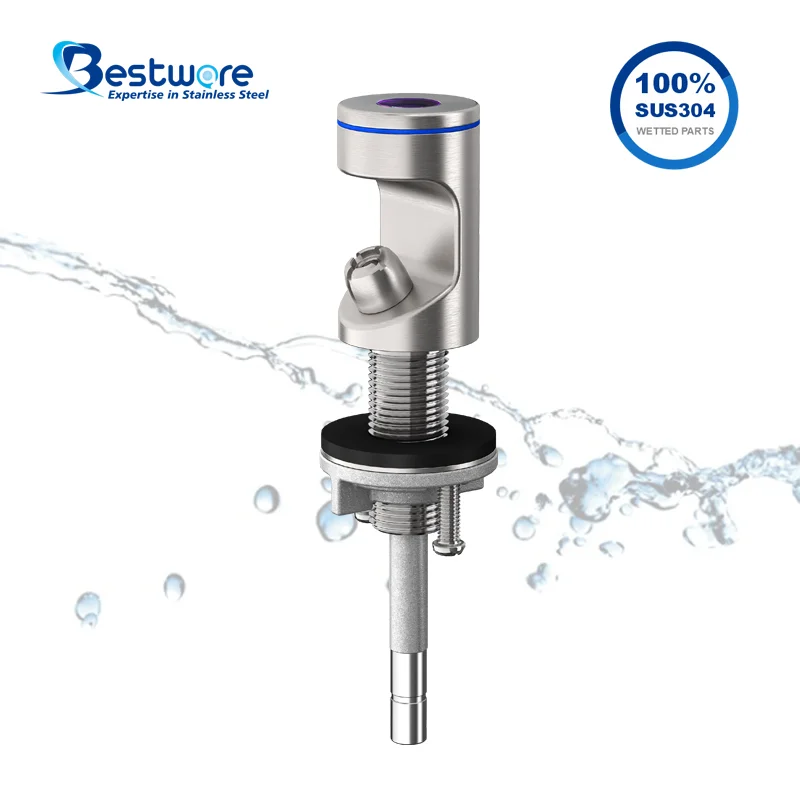
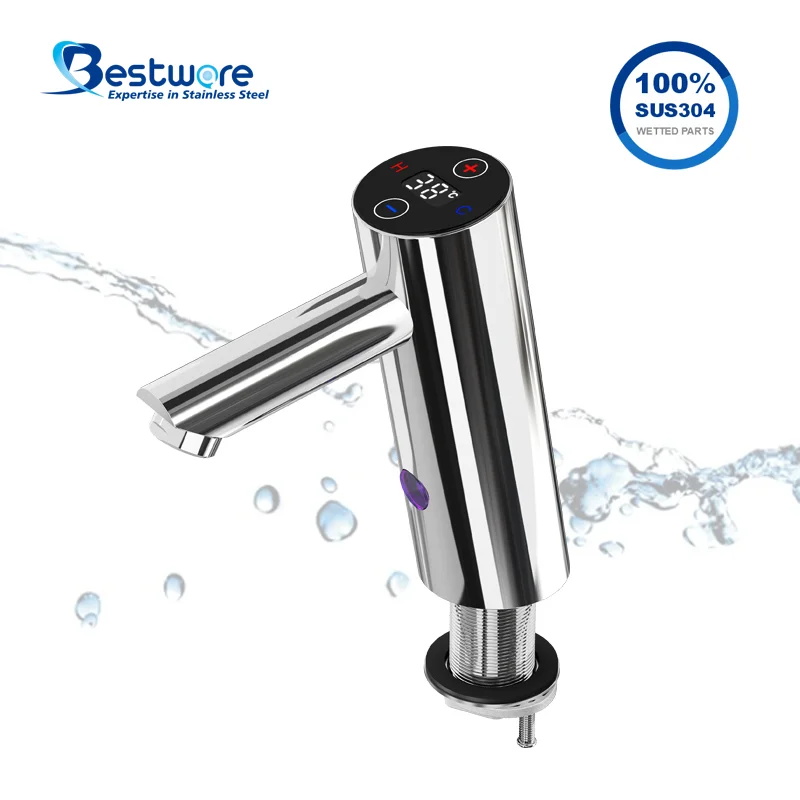
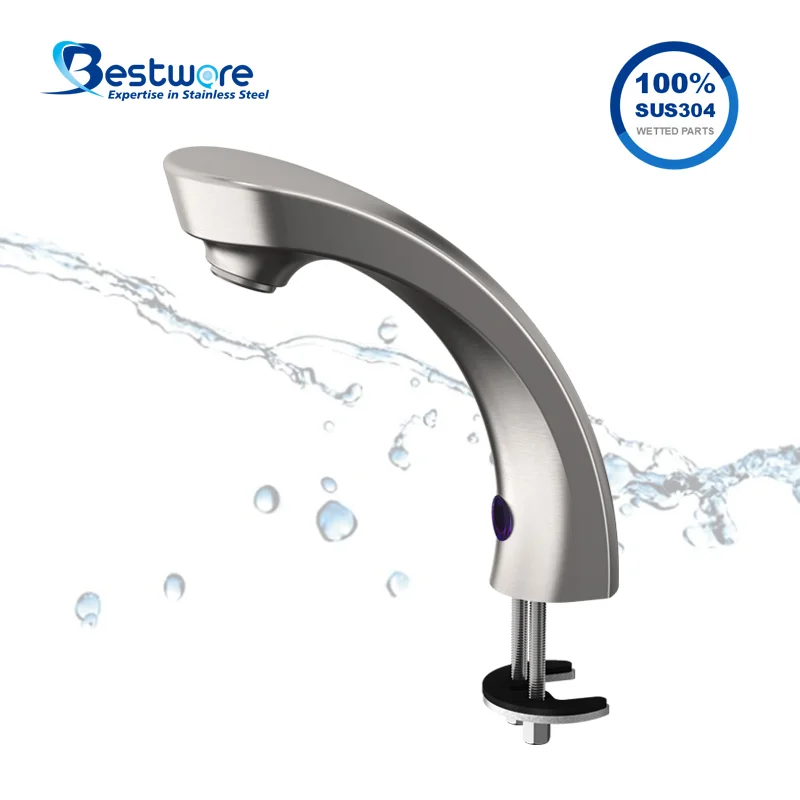
· Sensor Type: In environments with higher hygiene requirements, sensor operation enables touchless water dispensing, effectively reducing cross-contact
From the installation perspective, they are mainly divided into wall-mounted and deck-mounted types:
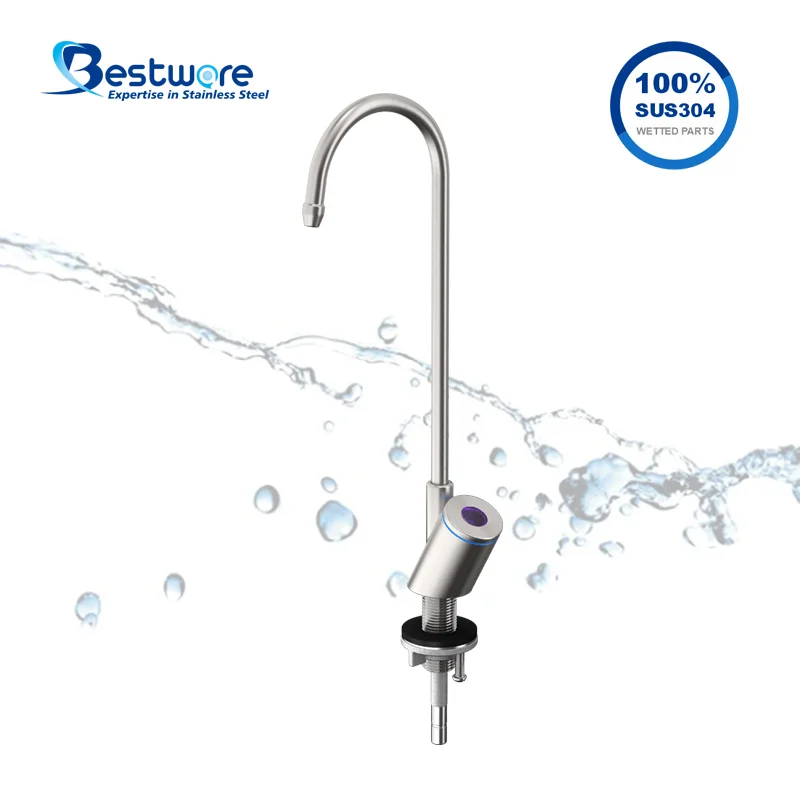
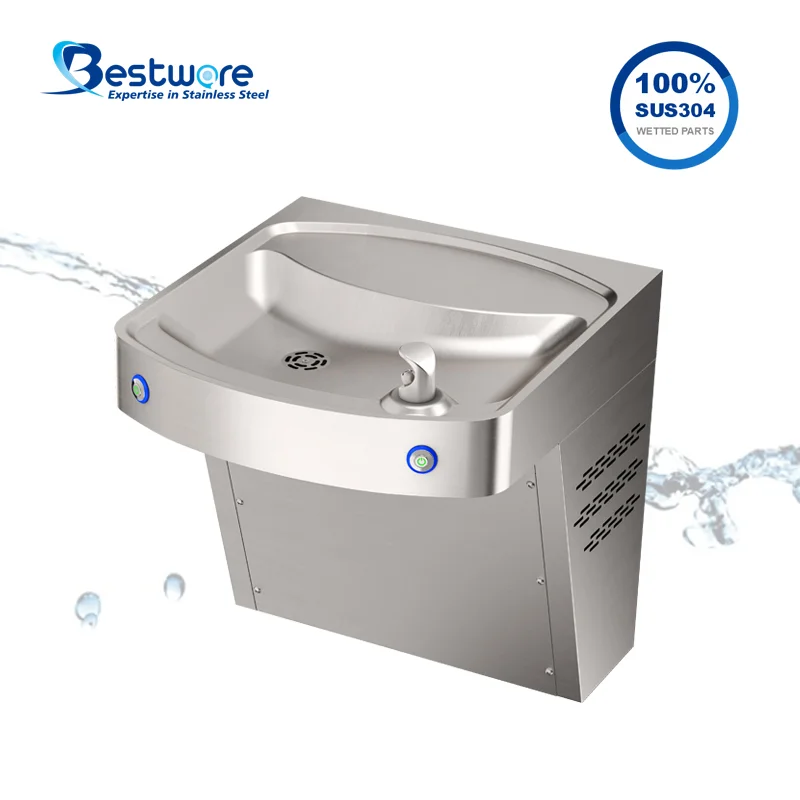
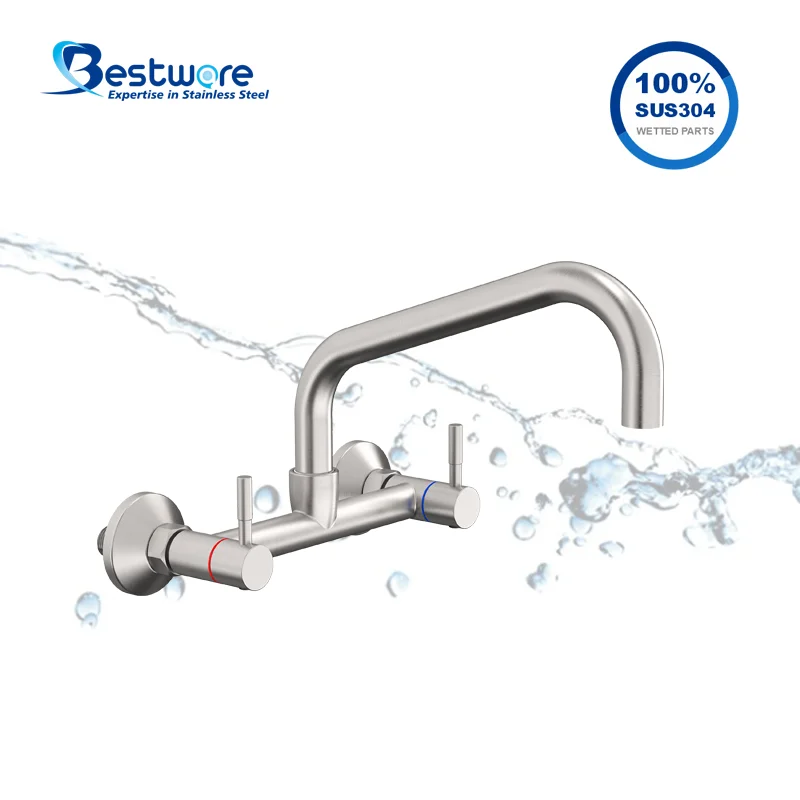
· Wall-mounted: More conducive to cleaning and maintenance, suitable for high-frequency public areas
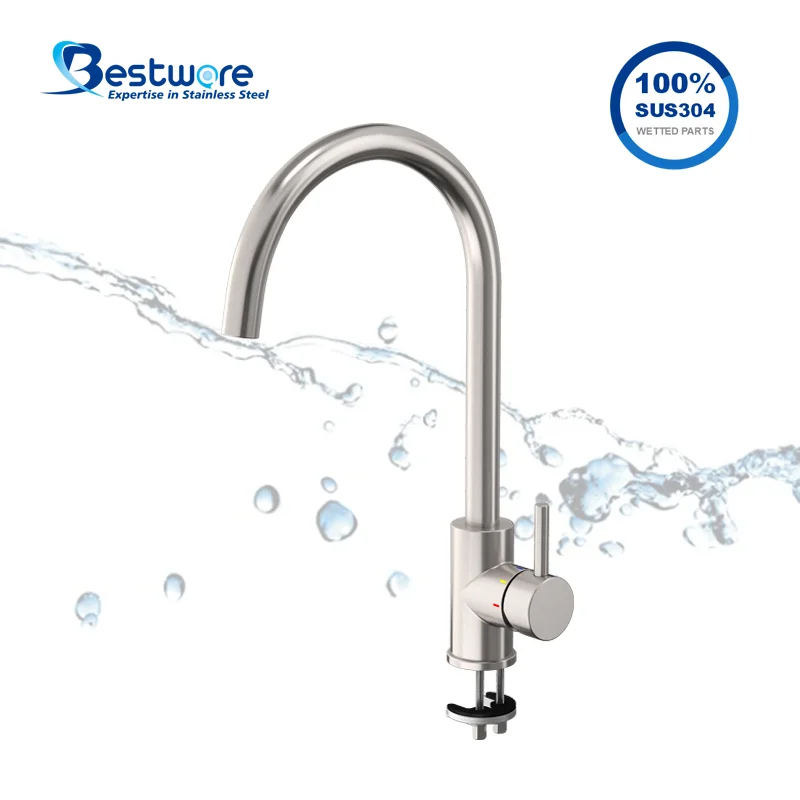
· Deck-mounted: More suitable for integrated spaces combined with drinking stations or sinks
In high-frequency campus environments, materials and structural design directly determine product lifespan. High-quality bottle fillers are typically made of food-grade 304 stainless steel, offering lead-free safety, corrosion resistance, and recyclability, ensuring long-term performance under intensive use. At the same time, structural design and manufacturing processes are equally important. For example, integrated construction and CNC precision machining can effectively reduce wear, loosening, and leakage risks.

In multi-user environments, user experience directly impacts both operational efficiency and product lifespan.
Key considerations include:
· Whether the operating force is appropriate, avoiding difficulty for children or certain users
· Whether water response is fast and stable, minimizing waiting time or misoperation
· Whether the control method is intuitive, reducing the learning curve
In public drinking scenarios, hygiene performance has become as important as durability.
Key design directions include:
· Sensor-based water dispensing to reduce direct contact
· Automatic flushing mechanisms to prevent water stagnation during periods of inactivity
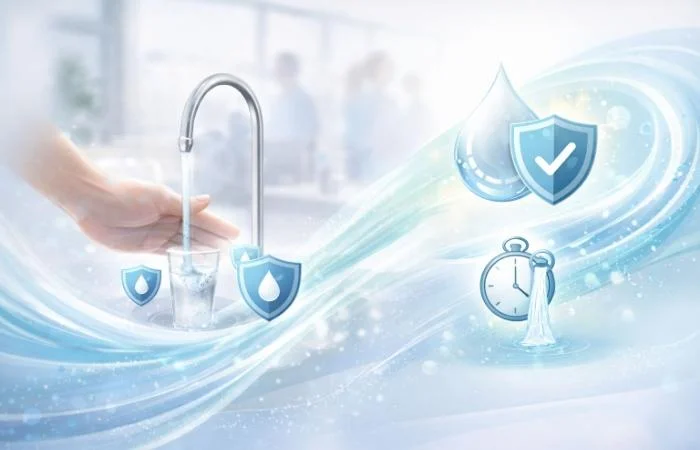
To address the core challenges of high-frequency public drinking water environments, Bestware adopts a systematic product design approach:
· Full range made of food-grade SUS304 stainless steel, ensuring lead-free safety, corrosion resistance, and suitability for long-term public use
· Integrated structure combined with CNC precision machining to reduce leakage risks
· Sensor models equipped with solenoid valves with a lifespan exceeding 1 million cycles, meeting long-term high-frequency operation requirements
· Manual models utilize stainless steel slow-opening valve structures, maintaining smooth operation and stability over time
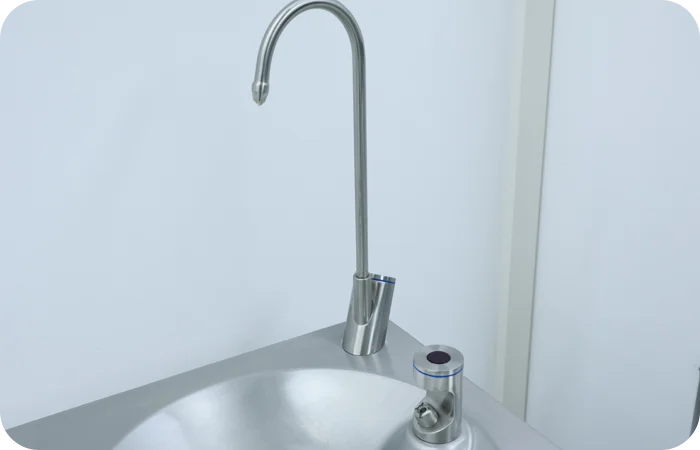
· Structural optimization reduces operating force by over 50%, improving usability for children and different user groups
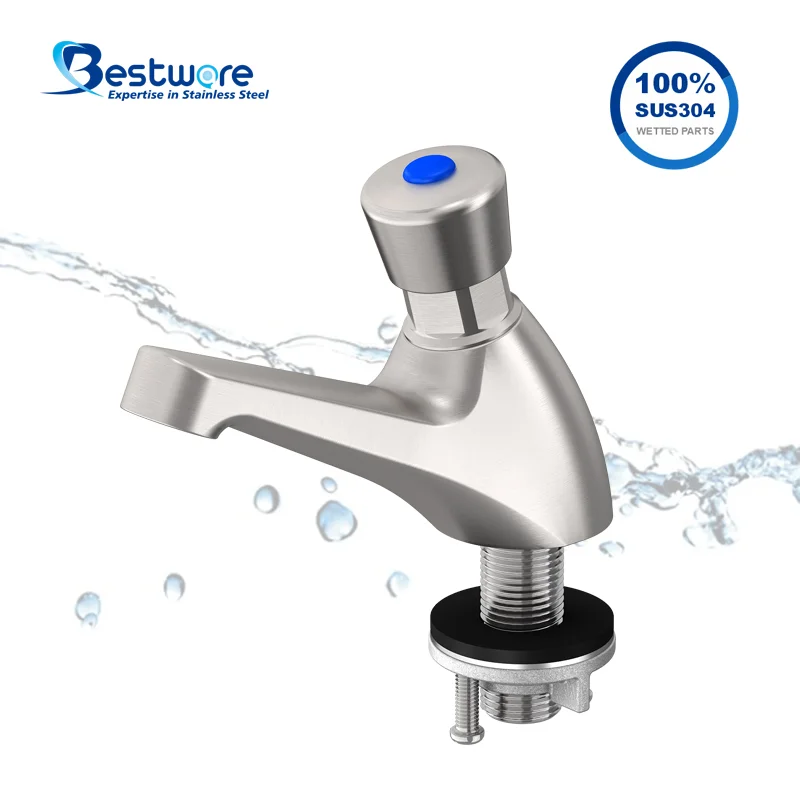
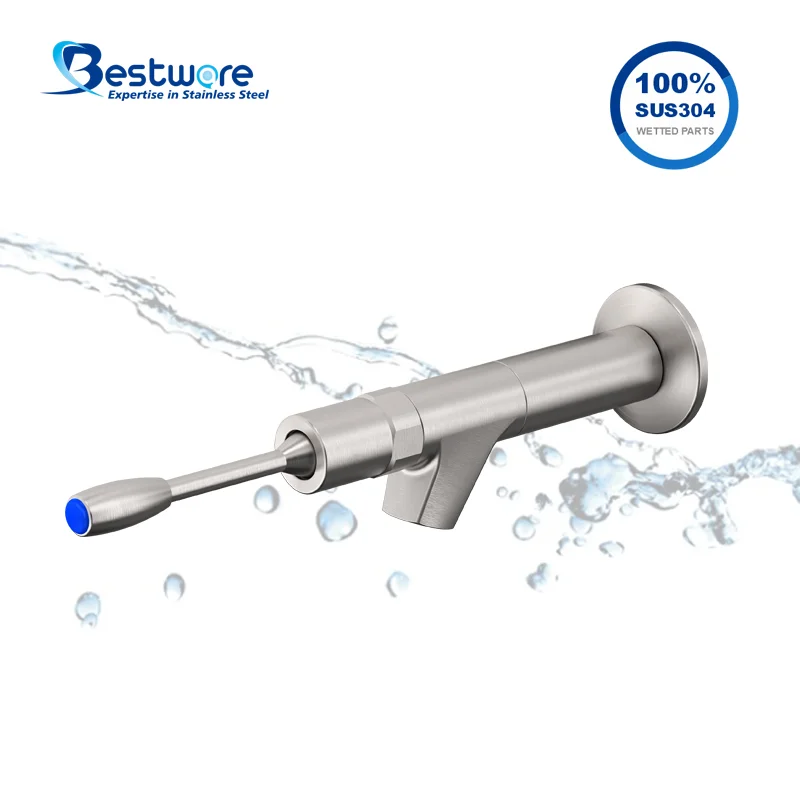
· Multiple operation options available, including push-button, lever, and vandal-resistant handles, adapting to various application scenarios
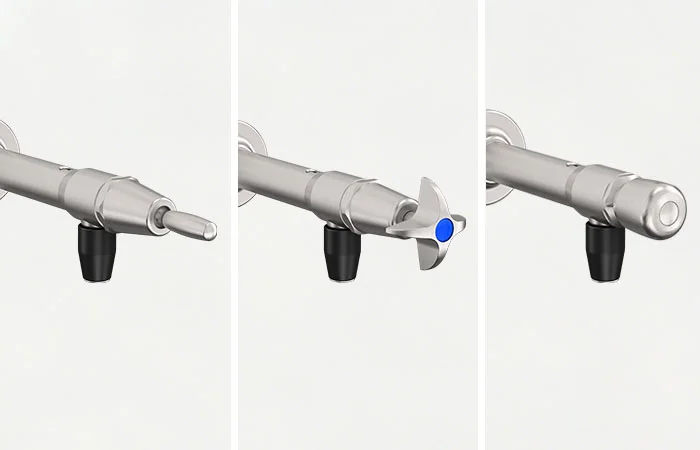
· Sensor-based dispensing reduces direct contact and minimizes cross-use risks
· Integrated 24-hour automatic flushing function effectively prevents water stagnation and improves overall water quality safety
The selection of bottle fillers for campus environments is essentially a systematic response to multiple challenges under high-frequency usage conditions. From choosing the appropriate type and installation method to evaluating materials, structural durability, user experience, and hygiene control, each factor directly corresponds to real-world operational demands. As public drinking water standards continue to improve, bottle fillers are evolving from basic water dispensing devices into comprehensive solutions integrating durability, stability, and hygiene safety. Products with systematic design capabilities and high-performance specifications will increasingly become the mainstream choice for future campus drinking water system development.
2025/10/27 0:00:00
One-stop Solution Provider of Stainless Steel Commercial Faucets
Email: business@bestware-stainless.com
after-sales@bestware-stainless.com
Tel: +86 18929047065
WhatsApp: +86 18929047065


WeChat: +86 18929047065


Website: www.bestware-stainless.com(Global Site)
www.bestware-sparkling.com(Water Dispenser)
Add: Block 8, No. 6, Jianda Nan Road, Jiangmen, Guangdong, China
Copyright © Bestware Hardware Production Co., Ltd. All Rights Reserved.
(2).webp)
(1).webp)