Date: 2026-06-24
In commercial kitchens, food preparation areas, and dishwashing stations, manual faucets are used extensively for daily cleaning tasks. To improve flexibility, many models feature a swivel spout that allows users to direct water across a wider working area.For years, a common assumption has been that a larger swivel range provides greater convenience and versatility. As a result, 360° swivel faucets became a popular choice in many commercial applications. However, real-world experience has shown that a larger rotation angle does not always translate into a better user experience.When a faucet can rotate too far, the water stream may be directed outside the intended sink area, increasing the risk of splashing, countertop water accumulation, and a less organized workspace. These issues can affect both cleanliness and workplace safety.To address these concerns, many commercial manual faucets now incorporate controlled swivel designs, such as a 150° rotation limit. This approach maintains sufficient flexibility for everyday tasks while providing better control over the water flow area.So, how should the swivel angle of a manual faucet be selected? What are the advantages and limitations of 360° and 150° swivel designs? This article explores the key considerations behind different swivel-angle configurations and how they affect everyday performance.
Compared with standard basin faucets, manual faucets are often required to serve larger washing areas and support more frequent use. Whether in commercial kitchens, school cafeterias, or food processing facilities, staff regularly clean dishes, cookware, food ingredients, and various containers throughout the day.To improve operational efficiency and convenience, many manual faucets are equipped with swivel spouts. The swivel function allows users to adjust the water outlet position according to specific cleaning requirements, extending the effective coverage area of the faucet.For example, in wide sinks or double-bowl sink configurations, users can easily direct water to different sections without constantly repositioning items being washed. This helps streamline workflows and improve productivity.A suitable swivel range also allows users to adapt the water direction to different tasks. Washing large pots and pans may require a broader range of movement, while rinsing food ingredients often benefits from more precise water placement. The swivel feature provides the flexibility needed to accommodate these varying requirements.For these reasons, swivel functionality has become an important feature of modern manual faucet designs. However, the presence of a swivel function does not necessarily mean that a larger swivel angle is always better. As user needs and workplace requirements evolve, more attention is being paid to achieving the right balance between flexibility and control.

Before evaluating the ideal swivel angle for a manual faucet, it is important to understand why 360° swivel designs became widely adopted in the first place.For applications that require broad cleaning coverage or multiple workstations, a larger swivel range can provide significant operational flexibility. As a result, 360° swivel manual faucets have long been a common choice in kitchens and wash areas.
|
No. |
Advantage |
Description |
|
1 |
Wider Coverage Area |
The spout can be positioned across a larger working range, reaching more cleaning zones |
|
2 |
Greater Flexibility |
Users can freely adjust the outlet direction according to different operational needs |
|
3 |
Suitable for Double-Bowl Sinks |
Water can be easily directed between sink compartments without moving equipment or containers |
|
4 |
Adaptable to Specialized Layouts |
Larger sinks and unique workstation configurations can benefit from the expanded movement range |
|
5 |
Increased Versatility |
A single faucet model can accommodate a wider variety of installation environments and user preferences |
Although 360° swivel designs offer excellent flexibility, this does not necessarily mean that a larger rotation angle is the best solution for every application.
A wider swivel range certainly provides greater freedom of movement, but that does not mean it is suitable for every application. In many fixed workstations, excessive rotation can actually make water control more difficult and negatively affect workspace cleanliness.
In single-bowl sink applications, rotating the faucet too close to the sink edge can cause the water stream to miss the main washing area, increasing the likelihood of splashing beyond the sink.
In high-traffic environments such as school cafeterias or employee dining facilities, multiple users may operate the same faucet throughout the day. If one user leaves the faucet in an unusual position, the next user may unknowingly direct water in the wrong direction when turning it on, leading to unwanted water accumulation on countertops.
Cleanliness is a critical requirement in food processing facilities. A faucet with unrestricted movement is more likely to direct water outside designated washing zones, making workspace management more difficult.
In compact washing stations, an excessive swivel range may increase the likelihood of contact with adjacent equipment, containers, or work surfaces, reducing operational efficiency.
For these reasons, swivel-angle design should consider not only flexibility but also water control, workplace cleanliness, and the practical requirements of the application. In many situations, a well-balanced swivel range is more valuable than simply maximizing rotational freedom.
While swivel functionality enhances usability, it is a common misconception that more rotation is always better. Once the swivel angle exceeds what is practical for the workspace, it can introduce several operational and hygiene-related challenges.
A faucet with excessive rotation can easily direct water toward the edge of the sink or beyond it. As a result, users may need to repeatedly readjust the faucet position during operation, reducing both efficiency and precision.
When water is directed away from the optimal impact area within the sink, it is more likely to strike sink edges or countertops, creating splashes. This issue becomes even more noticeable under high water pressure or strong flow conditions.
Water that splashes beyond the sink cannot be effectively contained and may collect on surrounding surfaces. Over time, this can reduce overall cleanliness and create areas that require frequent cleaning.
More countertop water means more time spent wiping and maintaining the work area. In commercial kitchens and other high-use environments, this additional maintenance can significantly impact overall efficiency.
If accumulated water is not removed promptly, nearby floors and work areas may become slippery. In busy environments with frequent foot traffic, this can create potential safety risks.
Although a larger swivel range may appear to offer greater freedom, it can also lead to less controlled water delivery, increased maintenance requirements, and additional safety concerns. Therefore, selecting a faucet should focus on suitability for the intended application rather than the maximum possible rotation angle.
In manual faucet design, the goal is not to maximize rotation but to achieve the right balance between coverage and control. This is one of the main reasons why 150° swivel designs have become increasingly popular in recent years.
|
No. |
Advantage
|
Description
|
Benefit
|
|
1 |
Better Control of Water Coverage |
The controlled swivel range keeps water directed within the primary sink area |
Improves accuracy and reduces user error |
|
2 |
Reduced Splashing |
Water is less likely to be directed outside the sink |
Minimizes overflow and splash-related issues |
|
3 |
Cleaner Work Area |
Water remains concentrated where it is needed |
Reduces countertop cleaning requirements |
|
4 |
Improved Safety |
Less water escapes the sink area |
Helps reduce slip and fall risks |
The growing popularity of the 150° swivel design stems from its emphasis on control rather than unrestricted movement. By balancing coverage, precision, and safety, it offers a practical solution for many commercial washing applications.
The widespread adoption of 150° swivel manual faucets is not about limiting movement—it is about providing the right amount of movement for real-world operations. These faucets offer sufficient flexibility for multi-zone cleaning while reducing the risks associated with excessive rotation.
Commercial kitchens require faucets that can withstand continuous, high-frequency use for tasks such as washing ingredients, rinsing cutting boards, and cleaning cookware. A controlled swivel range helps maintain efficient and predictable operation.
School cafeterias are used by staff with varying levels of experience and training. Equipment in these environments benefits from designs that minimize operational errors and promote consistent use.
Central kitchens rely heavily on standardized workflows and process consistency. A controlled swivel range helps ensure that equipment performs uniformly across different workstations.
Food processing environments often impose strict hygiene requirements, including greater control over where water is directed. Limiting unnecessary water spread helps support sanitation management and workplace cleanliness.
In general, 150° swivel manual faucets are particularly well suited for environments characterized by high usage frequency, multiple operators, and strict hygiene standards. Their primary advantage lies not in maximizing flexibility, but in delivering a more stable, controlled, and predictable user experience.
When selecting a manual faucet, the key consideration is not choosing the largest swivel angle available, but identifying the design that best matches the intended application, usage frequency, and hygiene requirements.The two most common swivel configurations on the market today are 150° and 360°, each offering distinct advantages.
|
No. |
Comparison Factor |
150° Swivel Faucet |
360° Swivel Faucet |
|
1 |
Swivel Range |
Controlled rotation within a defined range |
Full rotational movement |
|
2 |
Water Control |
More predictable and easier to manage |
Greater flexibility but requires more user control |
|
3 |
Splash Prevention |
Helps keep water within the sink area |
Higher potential for splashing when improperly positioned |
|
4 |
Cleaning Requirements |
Cleaner countertops and less water accumulation |
Greater likelihood of water buildup around the sink |
|
5 |
Typical Applications |
Commercial kitchens, cafeterias, central kitchens, and other high-use environments |
Residential kitchens or applications requiring maximum flexibility |
The most important principle is simple: the application should determine the design—not the other way around. A 150° swivel angle is not a limitation; it is an optimization that prioritizes efficiency, control, and safety.
The swivel angle of a manual faucet is ultimately about finding the right balance between operational flexibility and water control. While a larger rotation range can provide greater freedom of movement, it may also increase the likelihood of water misdirection, splashing, countertop water accumulation, and additional cleaning or safety concerns.By contrast, a 150° swivel design keeps water focused within the primary sink area while still providing sufficient flexibility for everyday tasks. This makes it easier to control, helps maintain a cleaner workspace, and contributes to a safer working environment.As a result, 150° swivel manual faucets are becoming an increasingly popular choice in commercial kitchens, school cafeterias, central kitchens, and food processing facilities. When selecting a faucet, the goal should not be to maximize the swivel angle, but to choose a design that best aligns with operational needs, hygiene requirements, and workplace conditions.A properly matched swivel range can deliver a more efficient, reliable, and user-friendly cleaning experience.
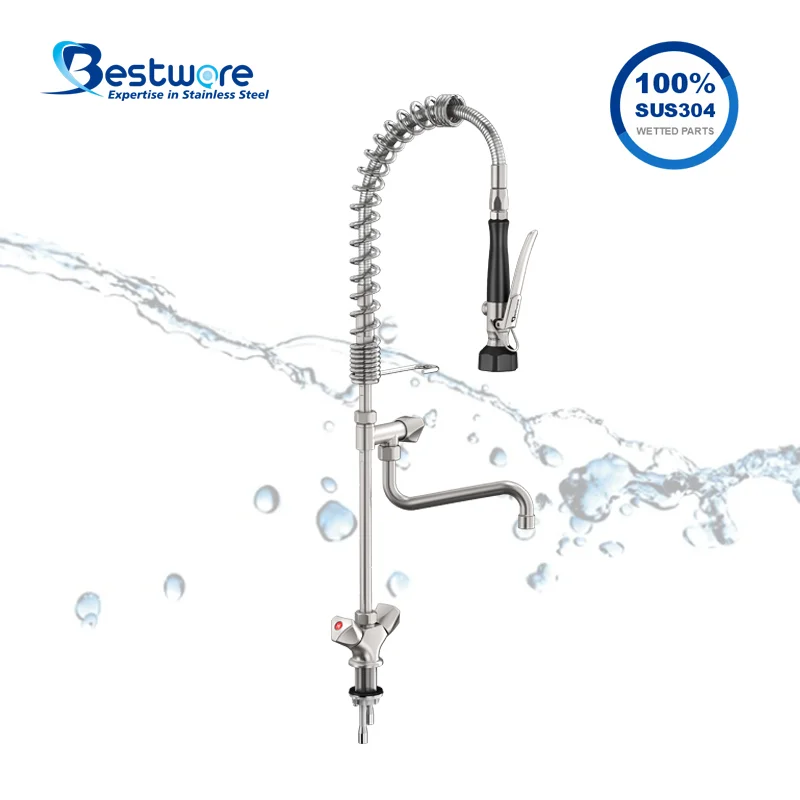
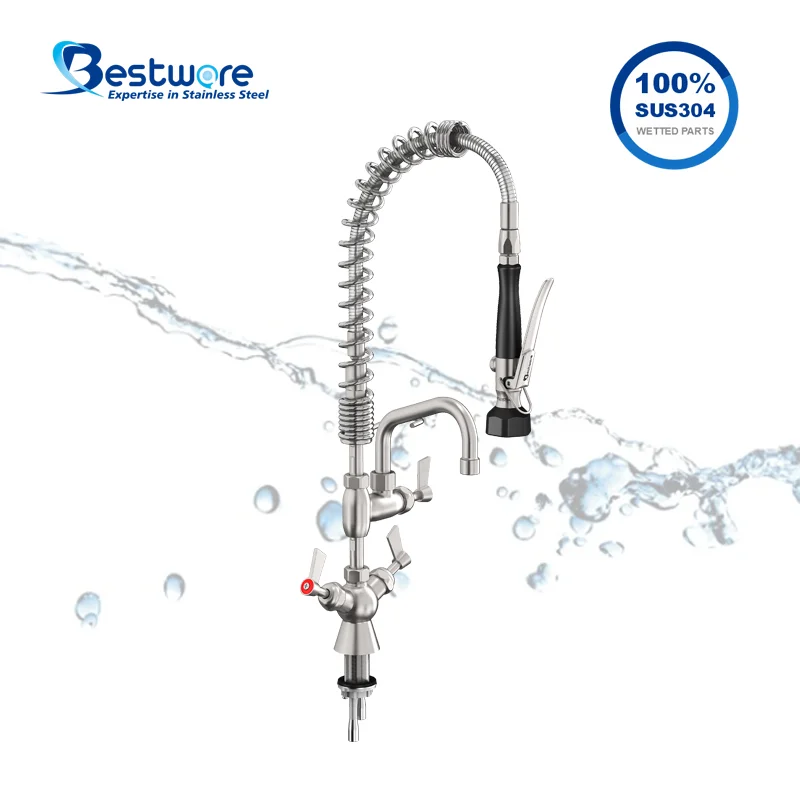
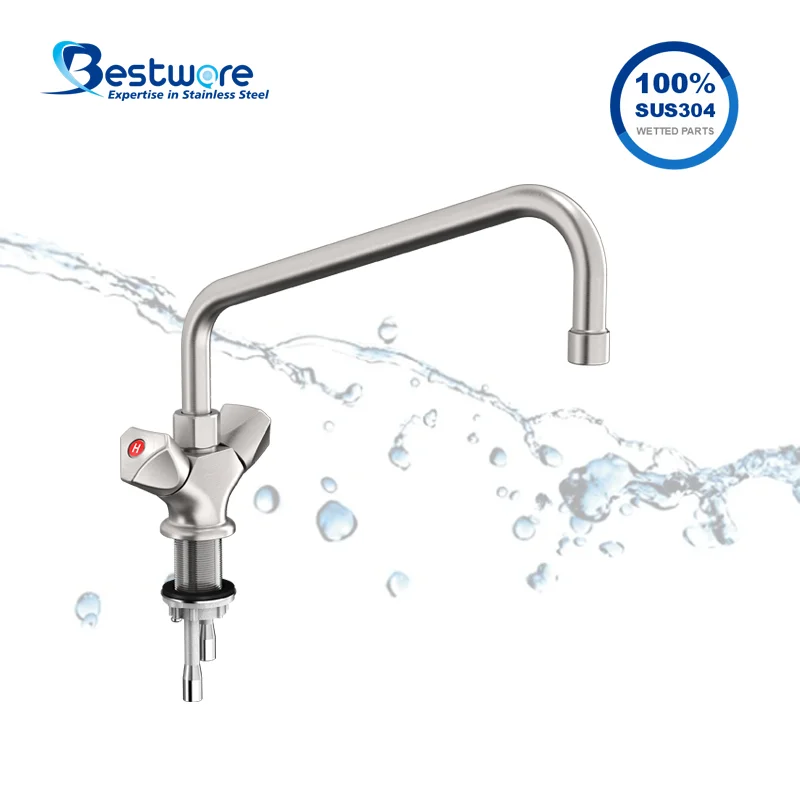
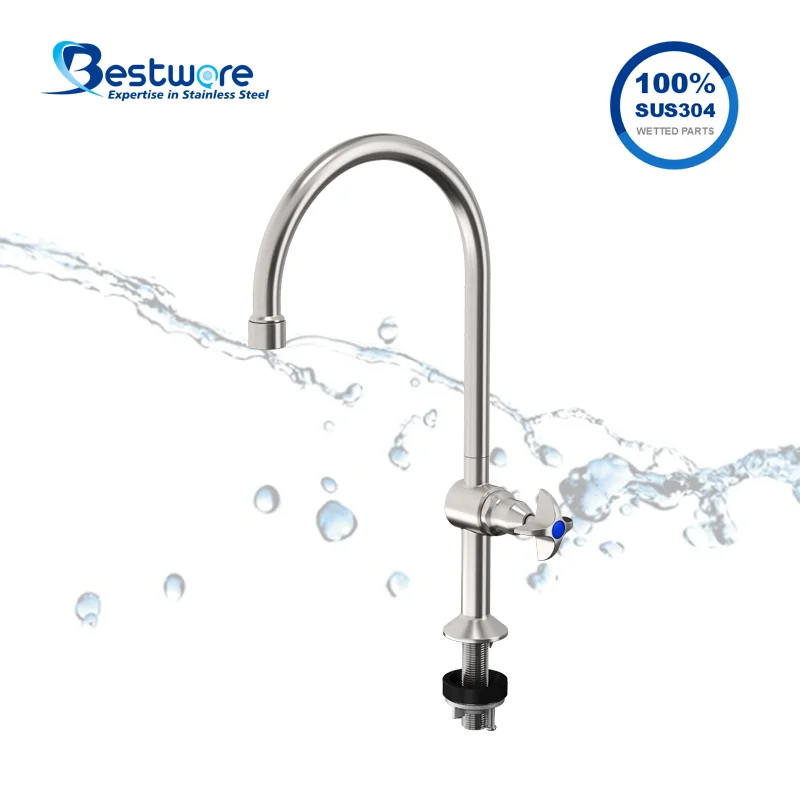
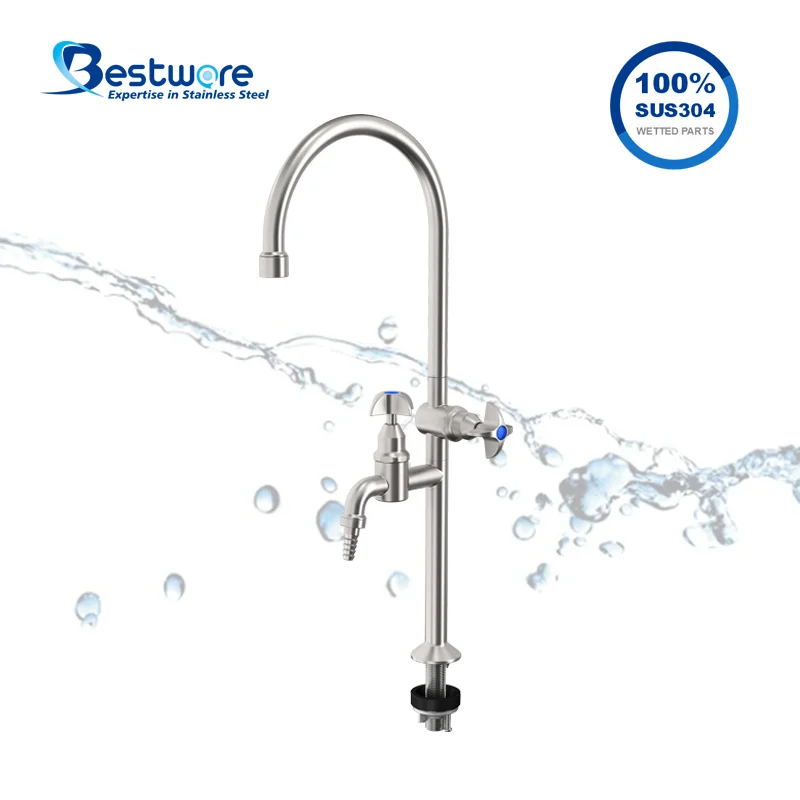
Bestware manual faucets feature a scientifically engineered 150° limited-swivel design that balances operational flexibility with precise water control. By helping reduce splashing, water accumulation, and slip hazards, the design supports safer and more efficient washing operations in demanding commercial environments.Rather than pursuing maximum rotation for its own sake, Bestware focuses on practical performance tailored to the needs of cafeterias, central kitchens, food processing facilities, and other high-use applications. The result is a cleaner, safer, and more productive workspace for everyday operations.
One-stop Solution Provider of Stainless Steel Commercial Faucets
Email: business@bestware-stainless.com
after-sales@bestware-stainless.com
Tel: +86 18929047065
WhatsApp: +86 18929047065


WeChat: +86 18929047065


Website: www.bestware-stainless.com(Global Site)
www.bestware-sparkling.com(Water Dispenser)
Add: Block 8, No. 6, Jianda Nan Road, Jiangmen, Guangdong, China
Copyright © Bestware Hardware Production Co., Ltd. All Rights Reserved.
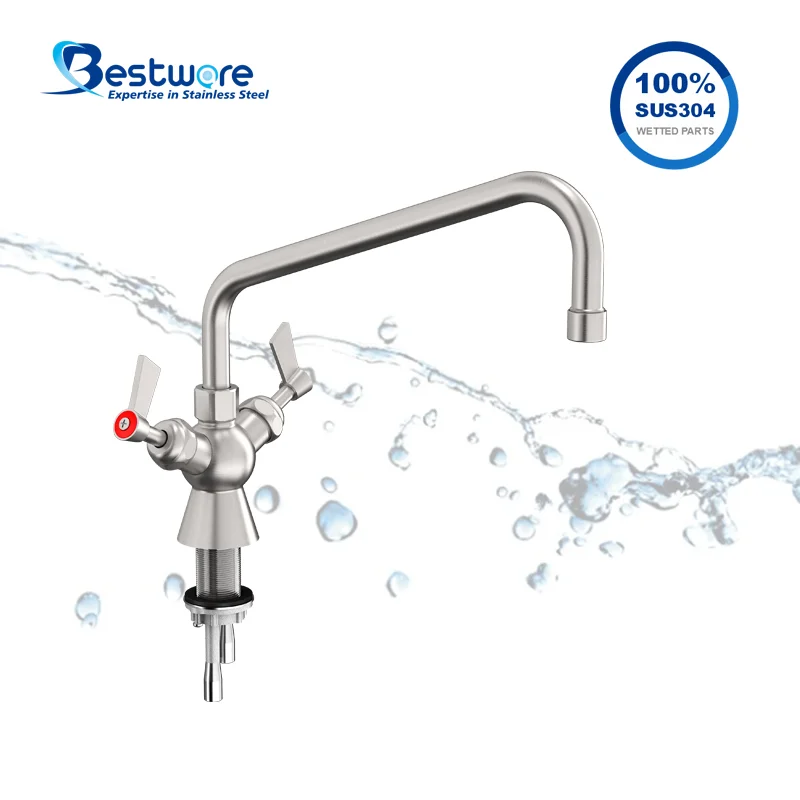
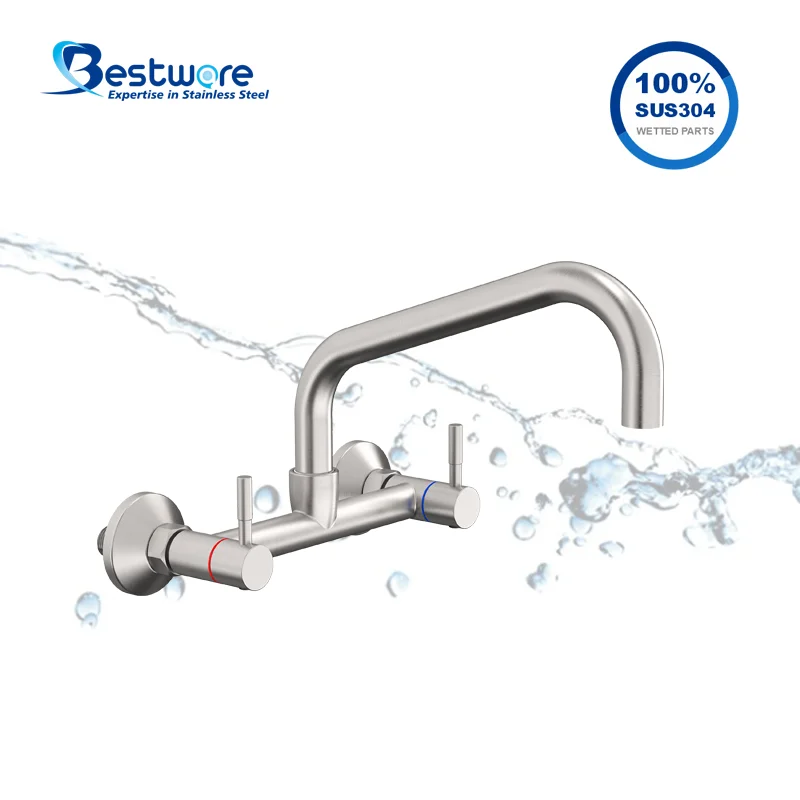
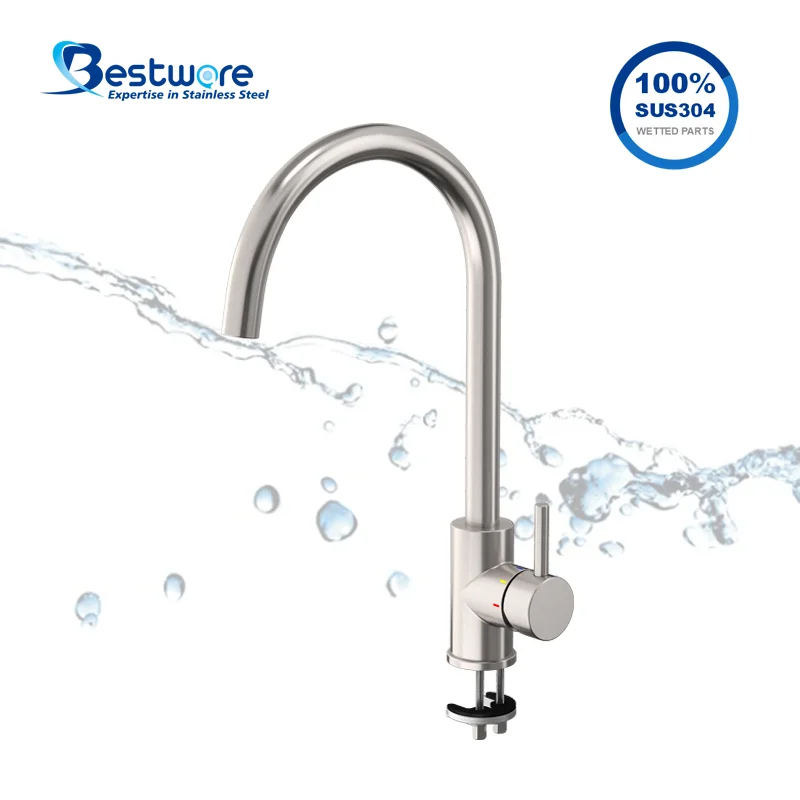
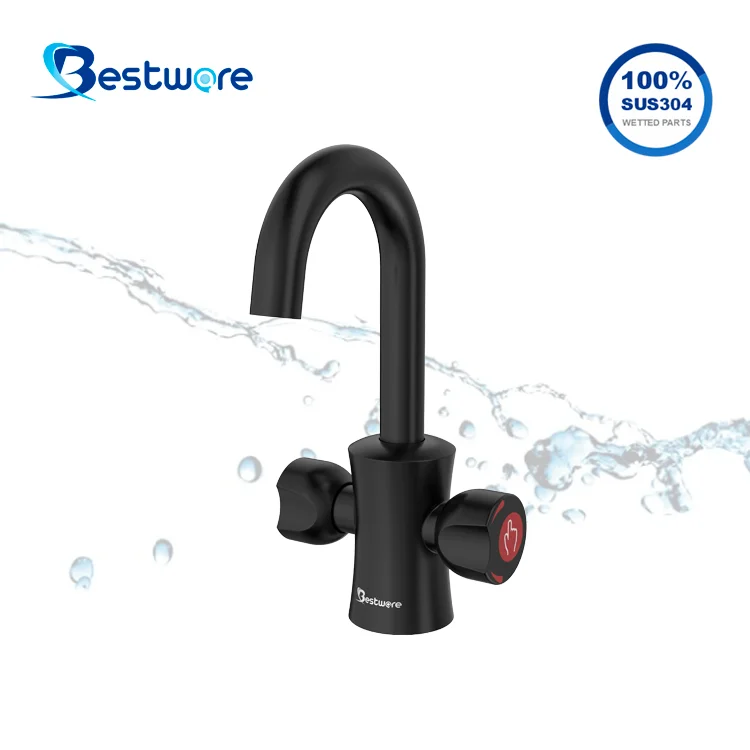
(2).webp)
(1).webp)