Date: 2026-11-13
Laboratory faucets are regularly exposed to specific chemical environments and may come into contact with acids, alkalis, chlorine-based cleaners, and other chemical reagents during daily use. These substances can react with metal surfaces, damage the passive film, cause surface corrosion and localized damage, and even affect the proper functioning of internal components. Different chemicals affect metals in different ways, and the extent of corrosion also depends on factors such as concentration, temperature, and exposure time. Understanding the corrosive effects of common chemicals helps identify the material-related risks that laboratory faucets may face.
A wide range of chemical reagents are used in laboratories. When different substances come into contact with metal, they may affect the material surface and its protective layer through various chemical reactions.
The effects of acidic substances on metals depend on the type and concentration of the acid. For example, chloride ions in hydrochloric acid can easily damage the passive film on stainless steel, leaving localized areas of the metal unprotected and increasing the risk of pitting corrosion. Nitric acid, on the other hand, is an oxidizing acid that can promote the formation of a passive film on stainless steel under certain conditions. However, this does not mean corrosion cannot occur at different concentrations or under different operating conditions. When acidic reagents remain on faucet surfaces for extended periods or repeatedly come into contact with metal components, they may gradually affect the surface condition of the material.
Common alkaline reagents include sodium hydroxide and potassium hydroxide. In general, stainless steel offers a certain degree of resistance to many common alkaline environments. However, some metal materials may still corrode under conditions involving high concentrations, elevated temperatures, or prolonged exposure. Therefore, the fact that a chemical is alkaline alone is not enough to determine whether it is safe for faucet materials. Actual operating conditions must also be taken into account.
Chlorine-based cleaners and chlorine-containing solutions are among the corrosive agents that require particular attention in laboratory environments. Chloride ions can damage the passive film on stainless steel, causing corrosion to concentrate in localized areas and resulting in pitting.
If chlorine-containing liquids remain in threaded connections, joints, or other hard-to-clean areas, they may create localized corrosive conditions and increase the risk of crevice corrosion. This type of corrosion may not immediately cause visible changes across a large surface area, but it can gradually penetrate deeper into the material.
Oxidizing substances such as hydrogen peroxide and hypochlorites may react with metal surfaces. Some oxidizing conditions can help form a protective oxide film, but strong oxidizing agents may also accelerate material corrosion under certain concentrations and temperatures.
Therefore, the effects of oxidizing substances on faucet materials should be evaluated based on their specific chemical composition and exposure conditions. They cannot simply be classified as either beneficial or harmful.
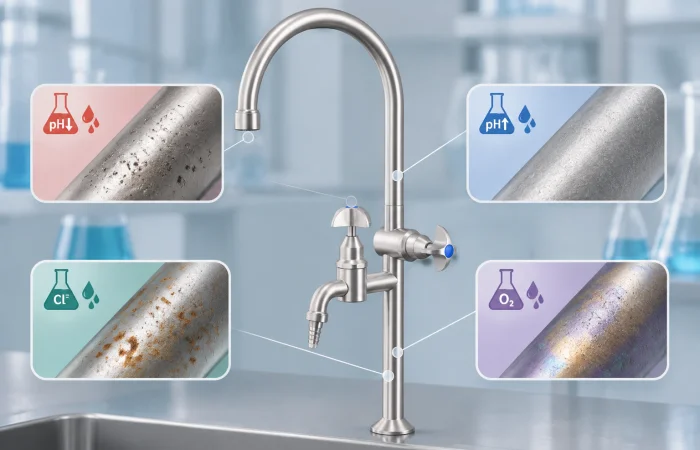
The effects of chemicals on materials are not limited to surface changes. As corrosion progresses, it may affect a faucet's appearance, structural integrity, and overall performance.
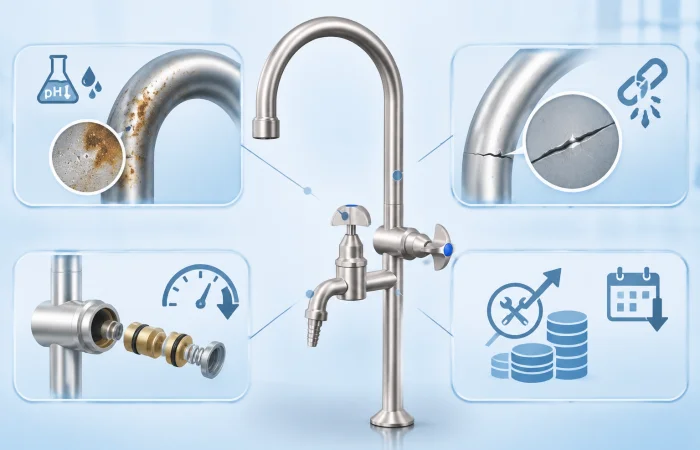
When metal surfaces come into contact with chemical reagents, they may develop discoloration, spots, stains, or localized corrosion marks. For example, when stainless steel is exposed to incompatible chemicals, its original finish may become dull, and brown rust stains may even appear.
It is important to note that surface discoloration does not necessarily indicate severe metal corrosion. Some marks may simply be chemical residues or surface deposits. However, if they are not removed promptly, they may increase the risk of subsequent corrosion.
Pitting and crevice corrosion usually occur in small, localized areas and may not be easy to detect visually at an early stage. As corrosion deepens, pits may form on the metal surface, resulting in gradual material loss. If corrosion occurs on the faucet body, at connection points, or in load-bearing areas, it may weaken the local structural integrity and increase the risk of further damage.
A faucet consists of more than just its external metal body. It also contains components such as cartridges, connectors, and seals. If chemicals affect these components through direct contact, residue buildup, or improper cleaning practices, they may cause surface damage, increased operating resistance, or reduced sealing performance. When the cartridge or sealing components can no longer function properly, problems such as stiff operation, incomplete shutoff, or dripping may occur.
In the early stages of corrosion, cleaning or inspection may be sufficient. However, if localized damage continues to develop, individual components or even the entire faucet may need to be replaced. In laboratories with high usage frequency, equipment repairs and replacements not only increase procurement costs but may also disrupt the continuity of routine laboratory and cleaning operations.
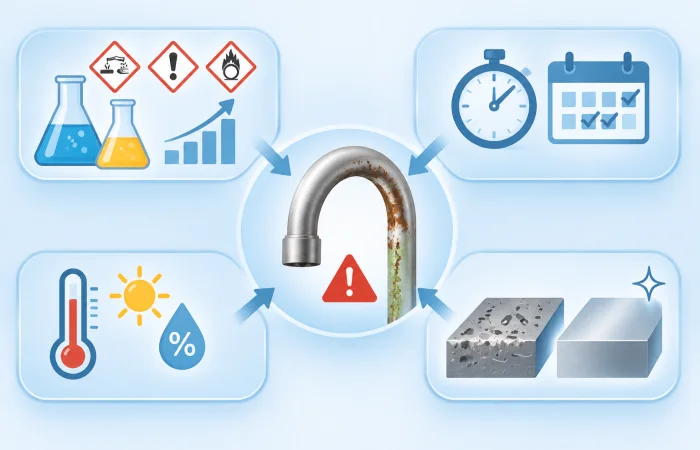
Even when faucets are made from the same material, the actual degree of corrosion can vary significantly between laboratory environments. In addition to the chemicals themselves, the following factors should also be considered.
Different chemicals have different corrosive effects on metals. The same reagent may also exhibit different corrosion characteristics at different concentrations. Chlorine-containing solutions, strong acids, and strong alkalis in particular require material compatibility assessments based on their specific composition and concentration.
Occasional contact with chemical reagents can have different effects on materials compared with prolonged immersion or repeated exposure. If chemicals splash onto a faucet surface and are not cleaned off promptly, the residues may remain in contact with the metal, increasing the likelihood of corrosion.
Higher temperatures may accelerate certain chemical reactions, making corrosion more pronounced. In addition, factors such as humidity, liquid residue, and ventilation conditions may also influence corrosion on metal surfaces.
Scratches, manufacturing defects, or damage to protective layers on faucet surfaces may make localized areas more vulnerable to chemical attack. Threaded connections, joints, and other areas where liquids can accumulate may also create localized conditions that are unfavorable to corrosion resistance.
When selecting laboratory faucets, buyers should look beyond appearance and basic functionality. The suitability of the product's materials and construction should also be evaluated in relation to the chemicals used in the actual laboratory environment.
Before purchasing, identify the main chemical reagents used in the laboratory, including acids, alkalis, chlorine-containing solutions, and other specialized chemicals. Their concentrations, temperatures, and exposure conditions should also be established. Use this information to confirm material compatibility with the supplier, rather than relying solely on general descriptions such as "stainless steel" or "corrosion-resistant."
A faucet's corrosion resistance depends not only on its external body but also on key components such as the cartridge and connectors. Buyers should understand the specific materials used in the main components, particularly those that are in prolonged contact with water or may be exposed to chemical residues, and confirm that they are suitable for the intended environment.
Factors such as scratches, burrs, manufacturing defects, and the potential for liquid accumulation around connection points can all affect product performance in actual operating environments. Products with well-designed structures and properly finished surfaces are generally easier to clean and maintain.
If a laboratory frequently uses highly corrosive reagents or operates under special conditions, it is advisable to conduct a material compatibility assessment before purchasing. Sample testing may also be necessary for verification.
Test conditions should closely reflect the actual operating environment, including the types and concentrations of chemicals, temperature, and exposure time.
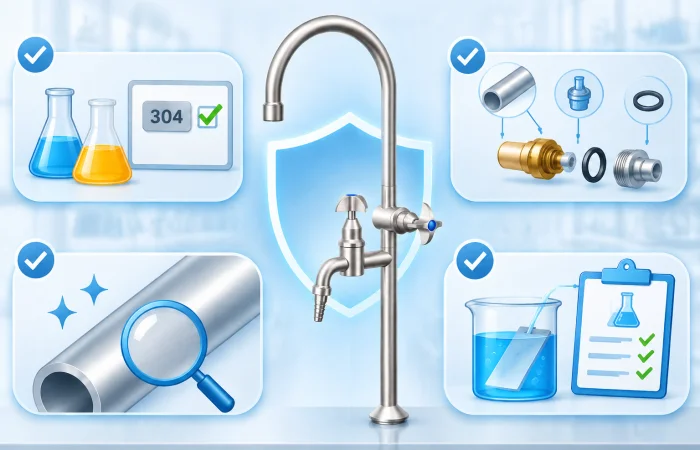
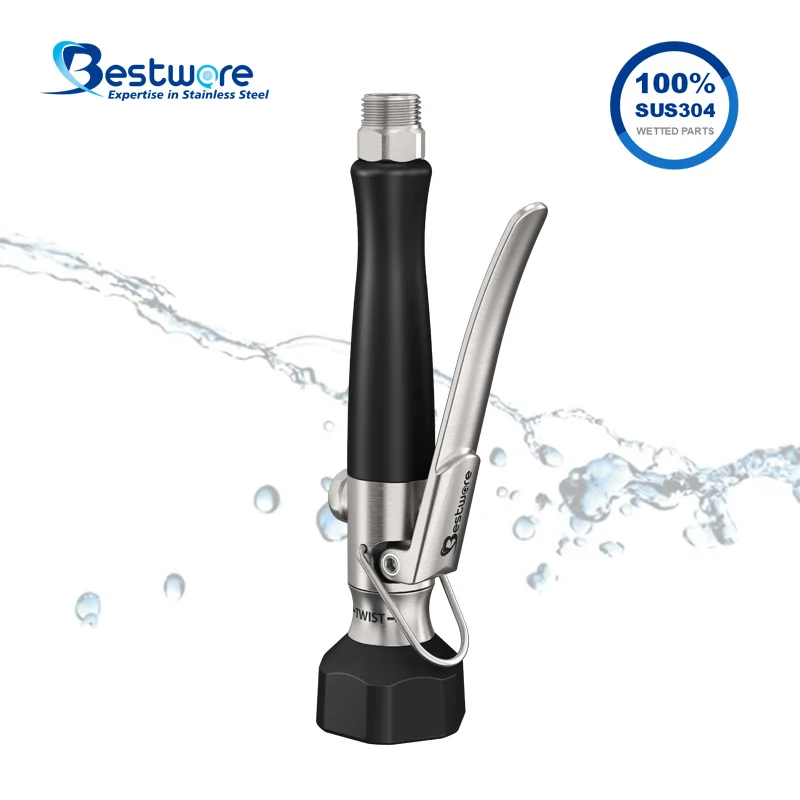
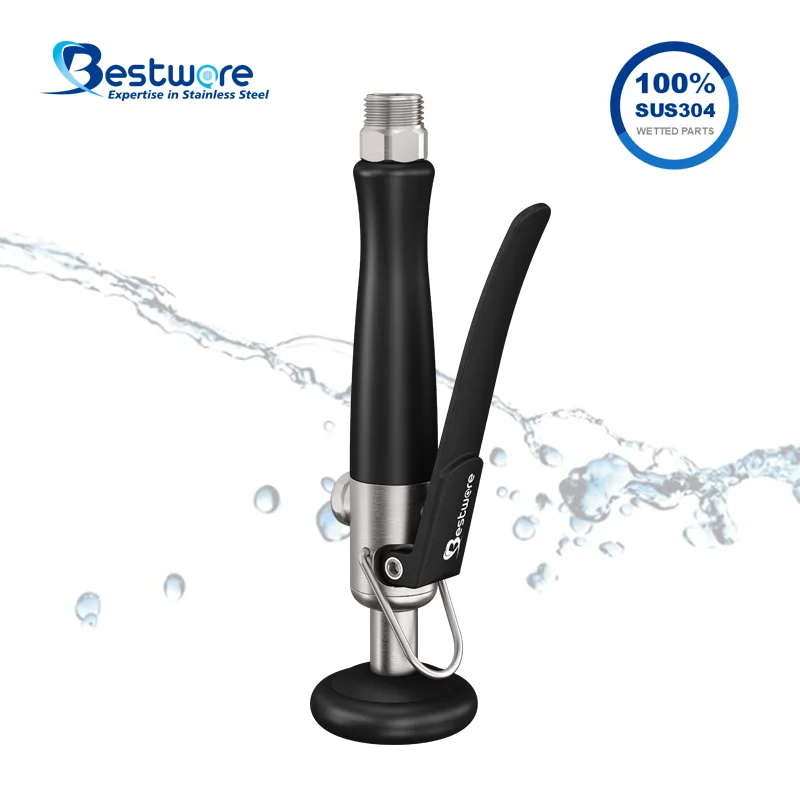
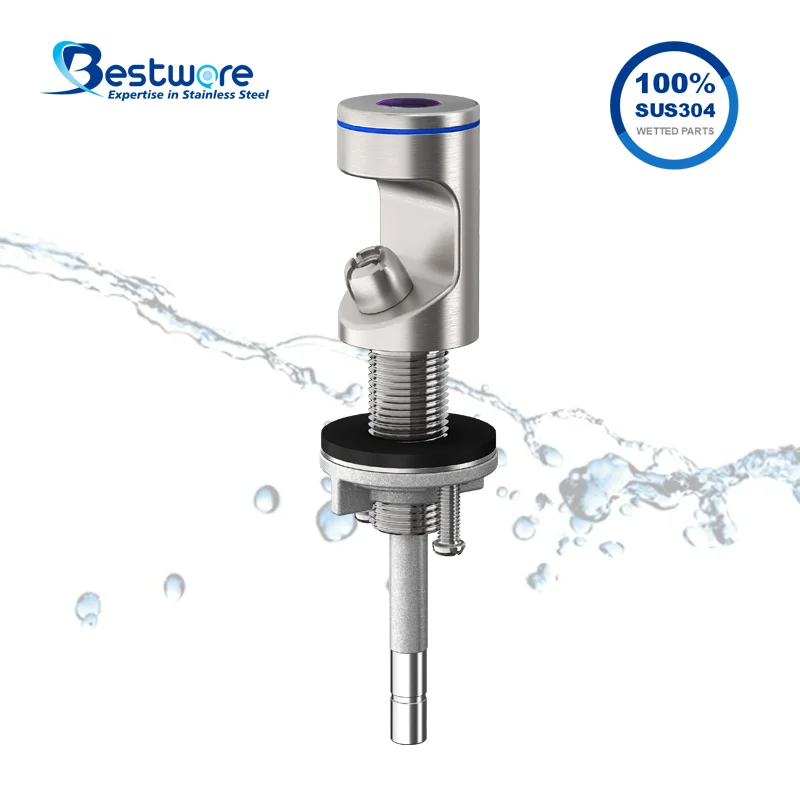
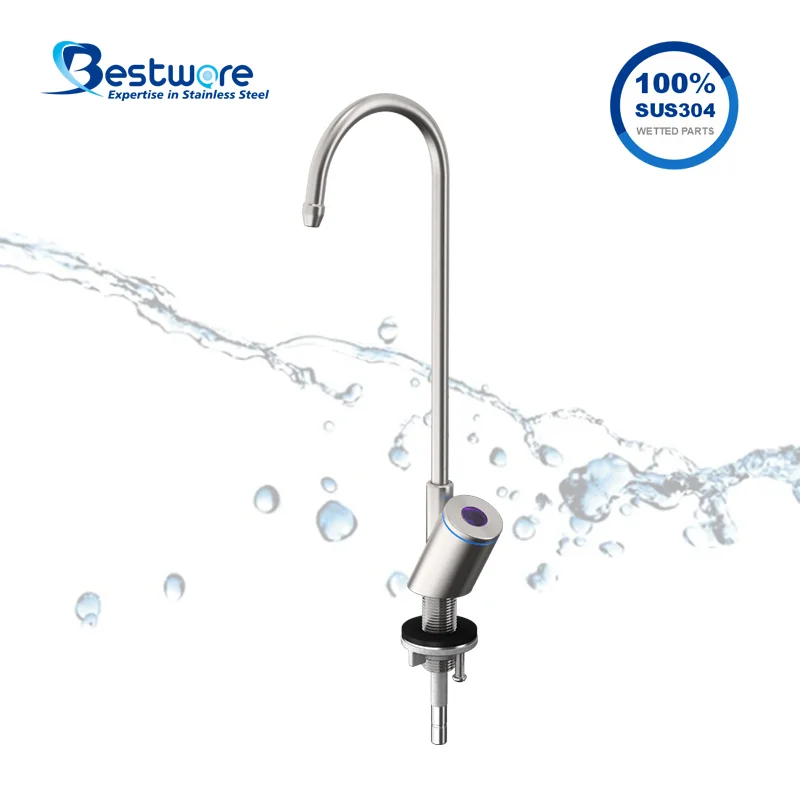
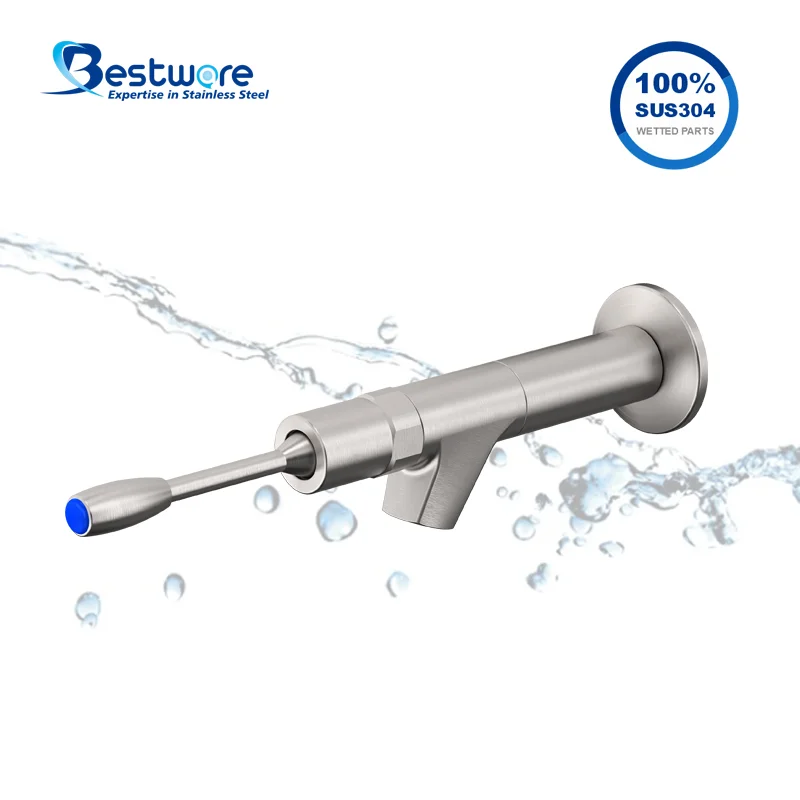
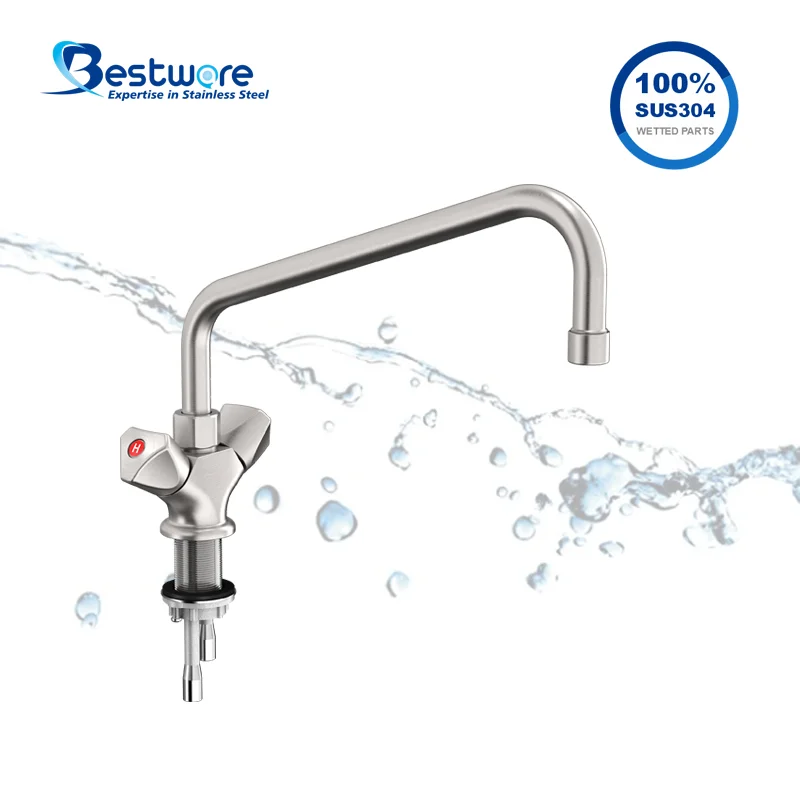
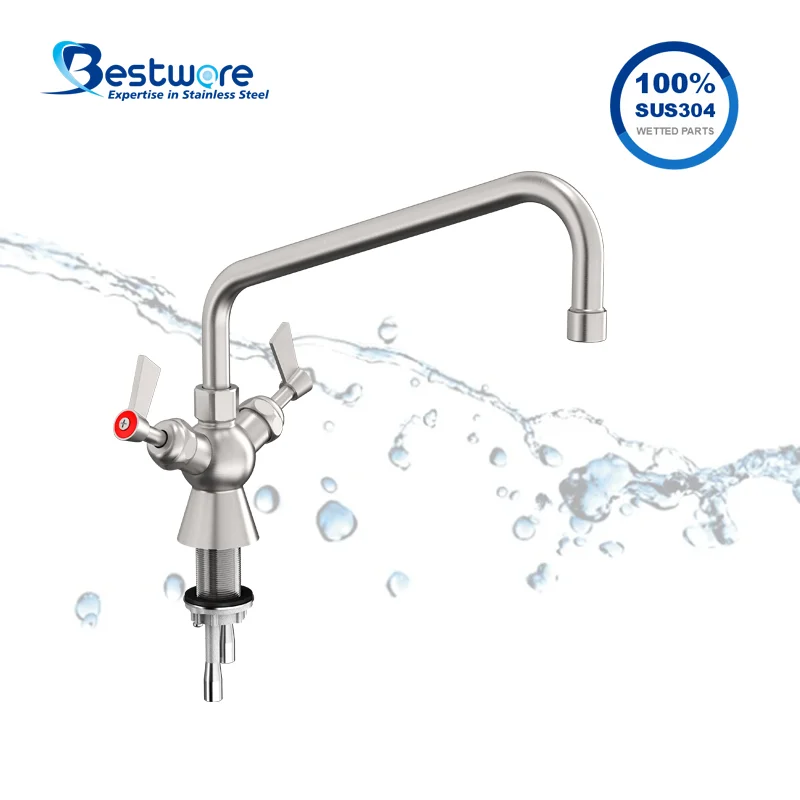
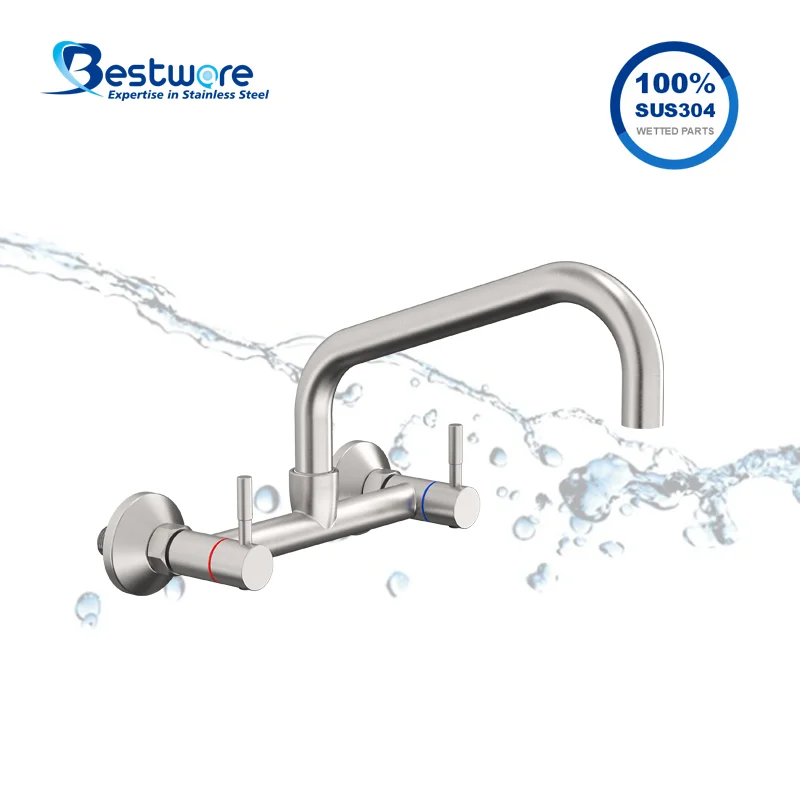
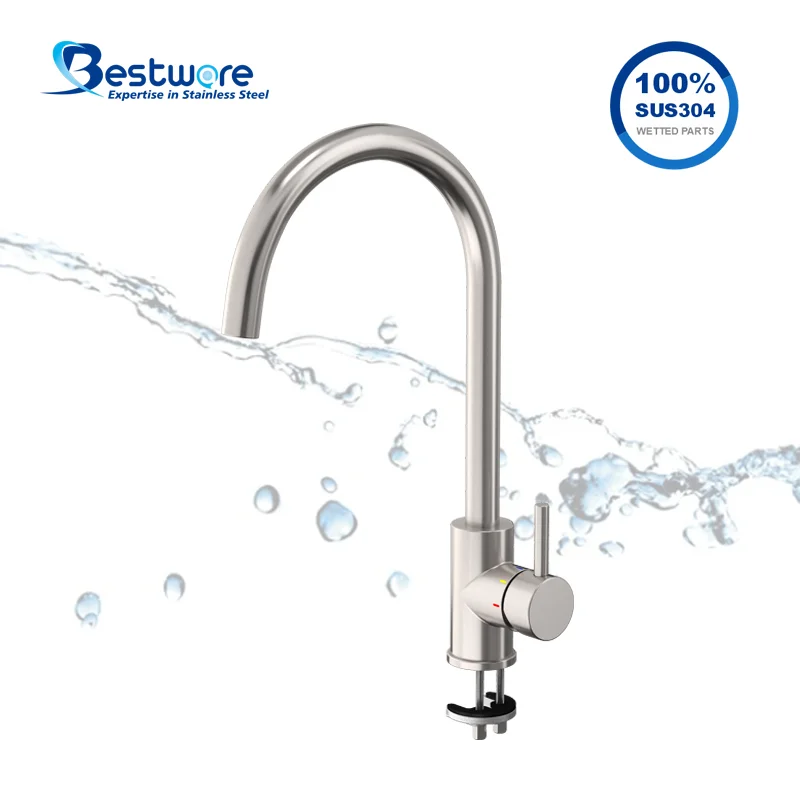
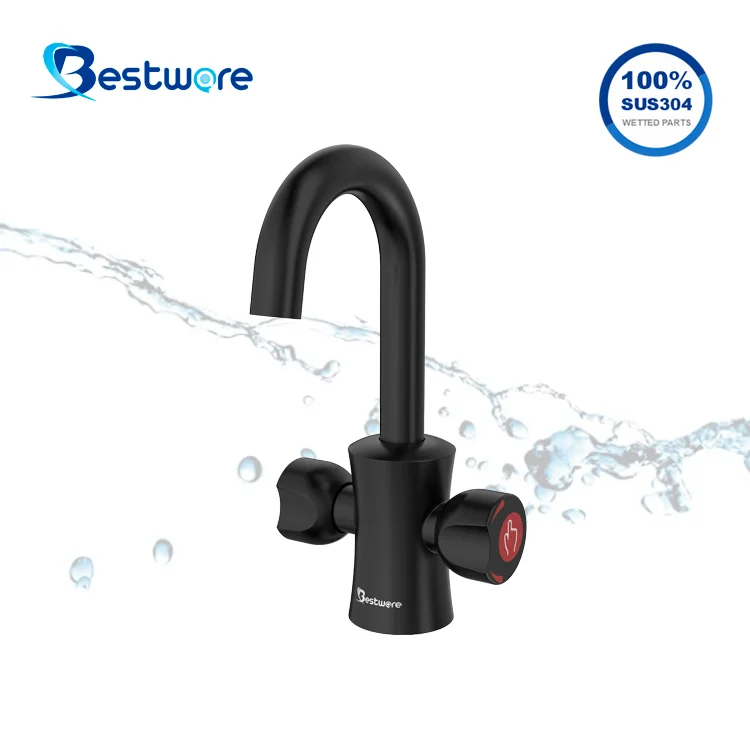
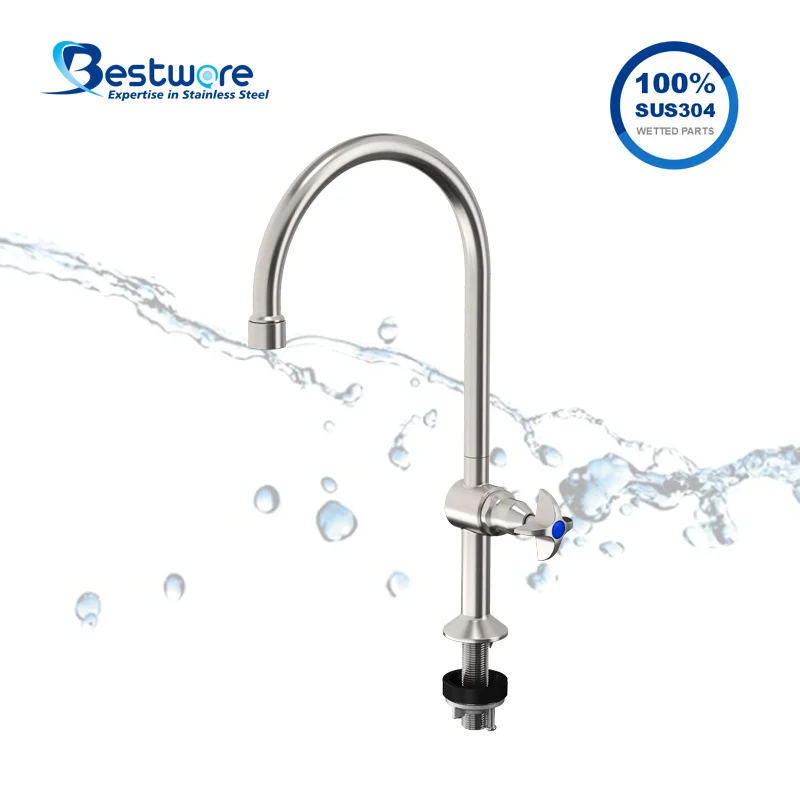
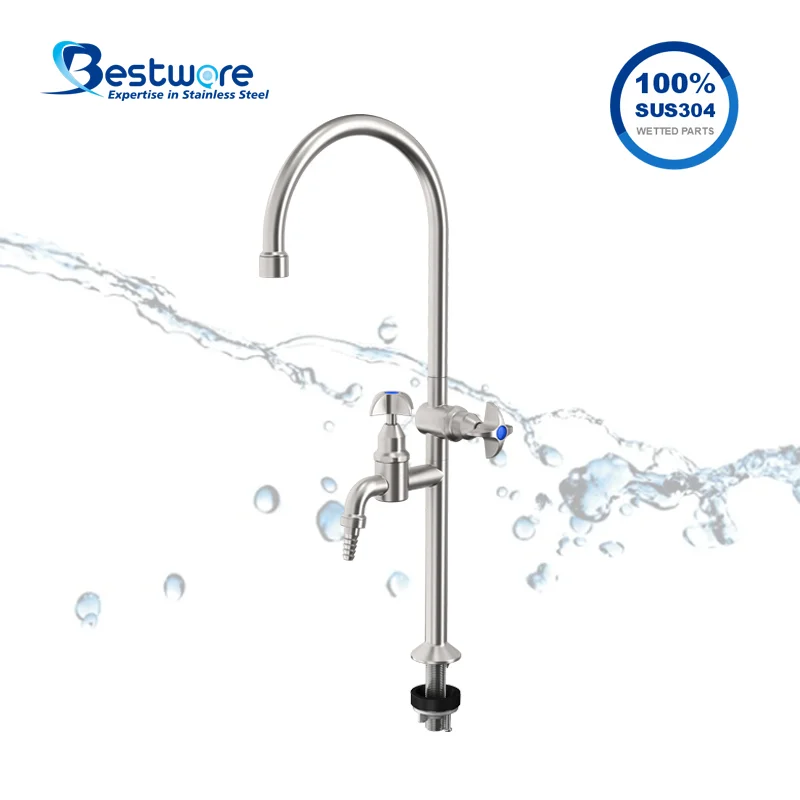
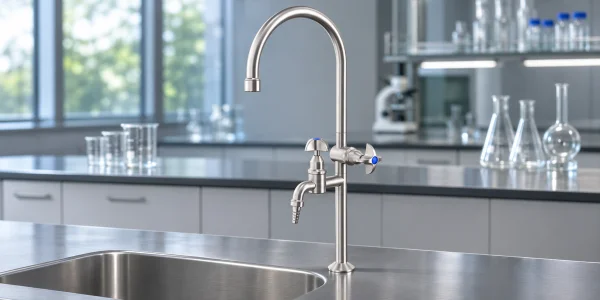
To meet laboratory requirements for material reliability and everyday performance, Bestware laboratory faucets feature a lead-free 304 stainless steel body and a stainless steel cartridge. The selected body material helps meet corrosion-resistance requirements in conventional laboratory environments while reducing reliance on lead-containing materials.
In terms of internal construction, the cartridge has undergone testing of up to 200,000 operating cycles to verify its reliability over repeated use. For laboratory applications where faucets are frequently turned on and off, reliable cartridge performance helps reduce maintenance issues caused by component wear.
However, 304 stainless steel is not suitable for every chemical environment. When strong acids, high-concentration chlorine-containing solutions, or other specialized chemical reagents are involved, material compatibility should still be confirmed based on the specific chemical composition and operating conditions before selecting a suitable product.
The effects of chemicals on laboratory faucet materials can range from surface discoloration to pitting, crevice corrosion, and structural damage, potentially affecting sealing performance and service life. When purchasing laboratory faucets, buyers should consider not only the body material but also the types and concentrations of chemicals involved, exposure time, temperature, and internal product construction. By matching material properties to the actual laboratory environment, buyers can more accurately assess a faucet's corrosion resistance and reduce future maintenance and replacement costs.
One-stop Solution Provider of Stainless Steel Commercial Faucets
Email: business@bestware-stainless.com
after-sales@bestware-stainless.com
Tel: +86 18929047065
WhatsApp: +86 18929047065


WeChat: +86 18929047065


Website: www.bestware-stainless.com(Global Site)
www.bestware-sparkling.com(Water Dispenser)
Add: Block 8, No. 6, Jianda Nan Road, Jiangmen, Guangdong, China
Copyright © Bestware Hardware Production Co., Ltd. All Rights Reserved.