Date: 2026-05-12
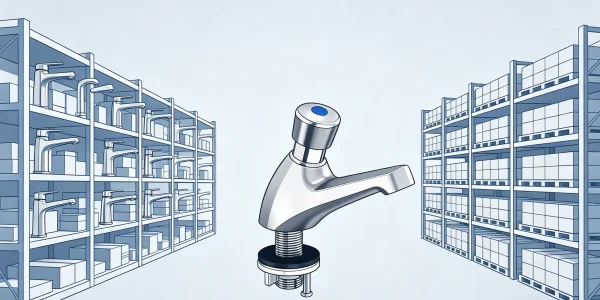
Metering faucets have long become a standard fixture in high-traffic water-use environments such as schools, shopping malls, hospitals, airports, and commercial kitchens. Compared with traditional manual faucets, the biggest advantage of a metering faucet is that users only need to press it once to activate water flow, which automatically shuts off after a preset duration, helping reduce water waste caused by taps being left running. However, during actual use, many people have the same question: if a metering faucet is pressed repeatedly, will the water flow time continue to accumulate? For example, if a faucet is set to run for 6 seconds per cycle, will pressing it several times result in 20 or 30 seconds of continuous water flow? Many users assume that metering faucets operate using a “cumulative timing” system. In reality, most commercial metering faucets do not work by endlessly adding time together. Instead, they use a “cycle refresh” logic that is far more suitable for public and commercial environments.

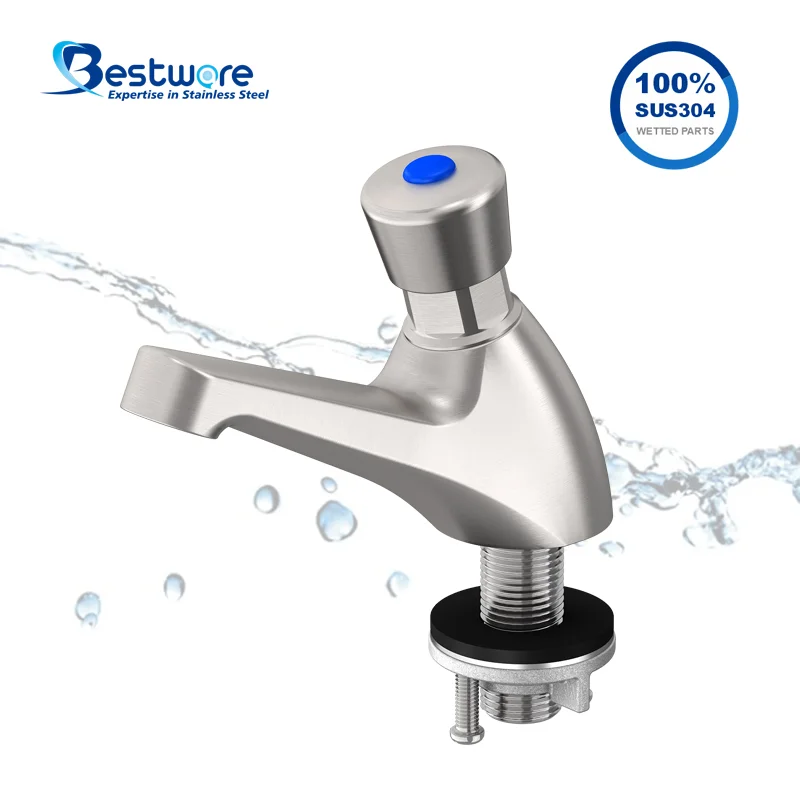
A metering faucet is essentially a self-closing faucet. When the user presses the button, the internal valve cartridge is activated, allowing water to flow while the internal mechanical timing system begins operating. Once the preset duration is reached, the valve automatically resets and the water flow stops. Compared with traditional manual faucets, the biggest advantage of metering faucets is their ability to control water usage per cycle, reducing unnecessary waste in public areas caused by taps being left on. As a result, metering faucets have become an important part of water-saving systems in high-frequency commercial environments.
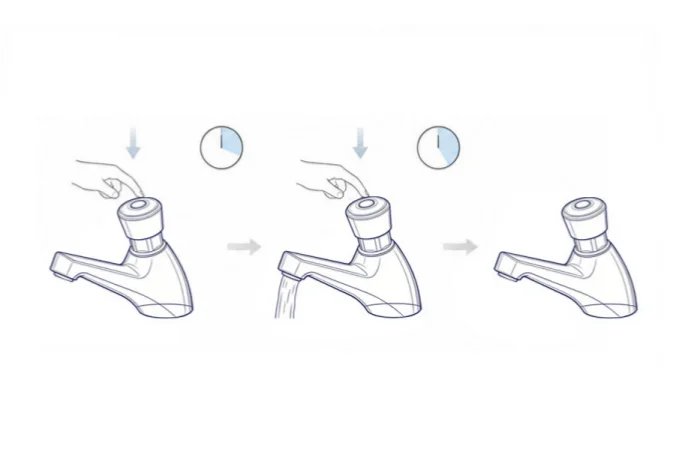
Many users mistakenly believe that metering faucets can “accumulate” water flow time because they naturally interpret the mechanism as “one press equals additional time,” similar to how microwave timers or electronic countdown systems work. In reality, most commercial metering faucets do not function this way. For example, if a metering faucet is configured for an 8-second flow cycle and the user presses it again during the fifth second, the faucet does not add the remaining 3 seconds to a new 8-second cycle. Instead, it simply restarts a fresh 8-second cycle from that moment. This means that even with repeated pressing, the faucet will not continue running indefinitely. This design is actually an important part of modern commercial water-saving logic.
Public environments are very different from residential settings. They involve much higher usage frequency, more complex user groups, and limited real-time supervision. If metering faucets truly operated using a cumulative flow system, several practical problems would quickly emerge.
The first issue is water waste. If every press continuously added more flow time, users could easily keep the faucet running for extended periods simply by pressing it repeatedly. In schools, parks, or public restrooms, children or curious users may repeatedly press the faucet out of habit or curiosity, resulting in excessive water consumption and wet floors. Secondly, cumulative flow systems can easily be abused. In some public facilities, users may intentionally keep water running or occupy wash stations for long periods. If the faucet allowed unlimited time accumulation, it would effectively lose its automatic water-saving purpose. From a structural perspective, most mechanical metering faucets rely on hydraulic damping systems, spring-reset mechanisms, and mechanical timing cartridges. These components are typically engineered around fixed operating cycles. Prolonged high-frequency cumulative operation can accelerate cartridge wear, reduce reset stability, and shorten sealing lifespan.

For commercial projects, cycle-refresh logic is therefore considered a more stable and practical design approach. It allows users to wash comfortably without frequent interruptions while still effectively preventing uncontrolled long-duration water flow.
When selecting metering faucets, many buyers focus only on price or single-cycle flow duration. However, for real commercial projects, long-term stability, user experience, and maintenance costs are often far more important.
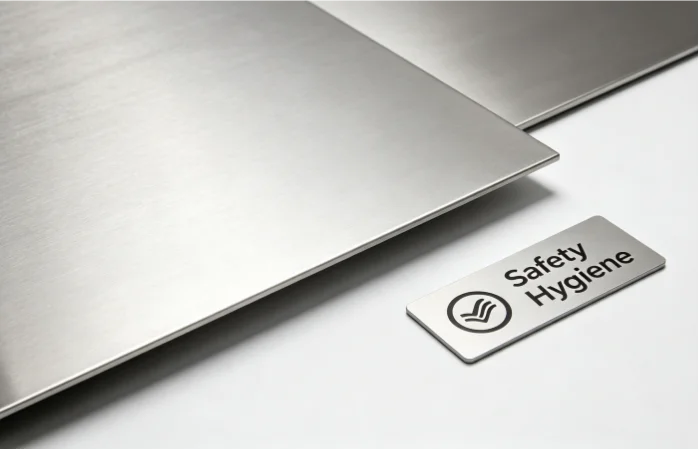
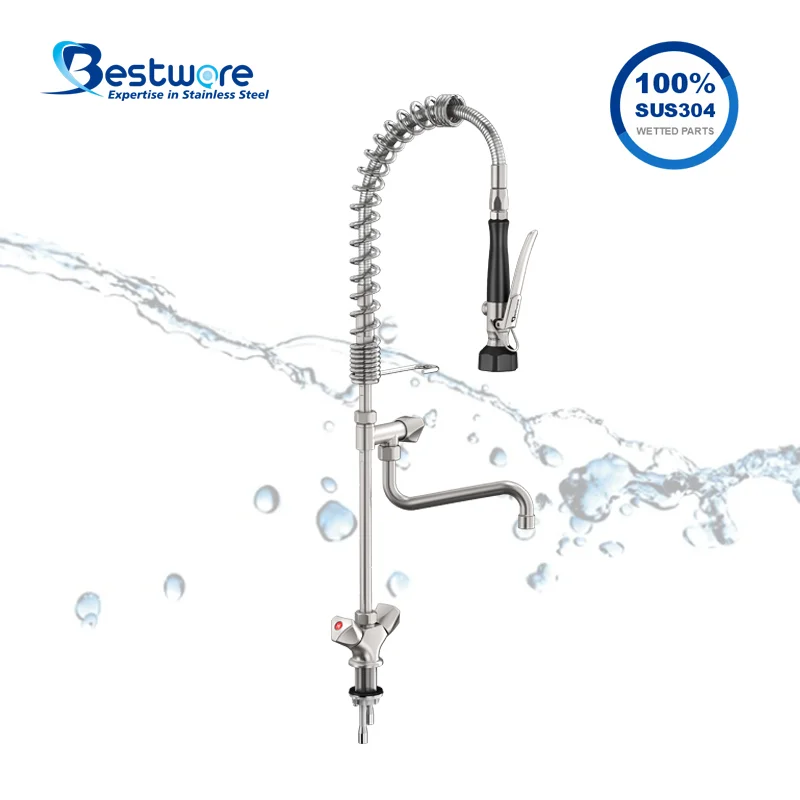
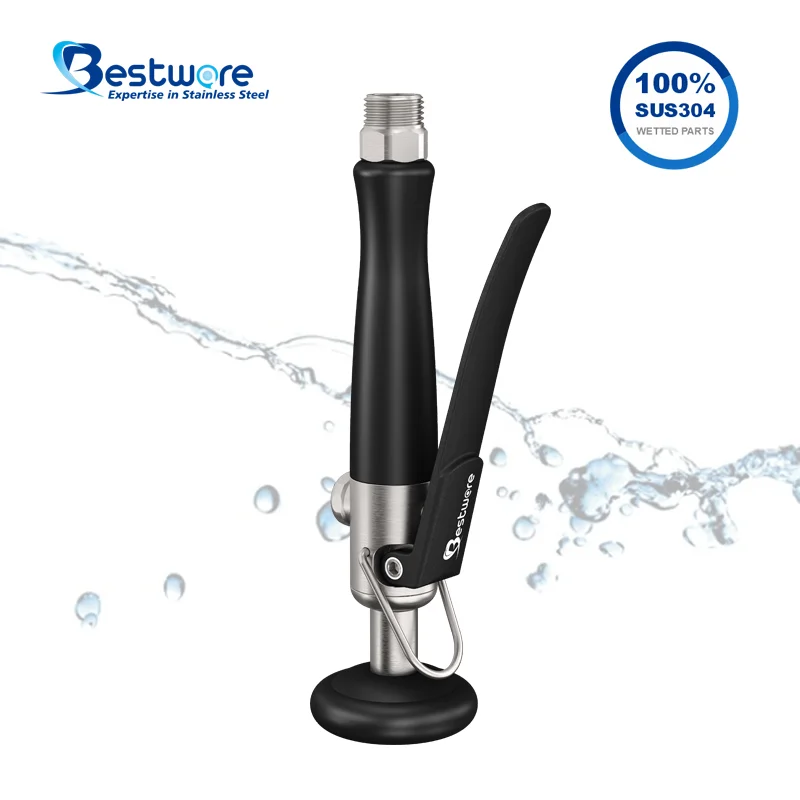
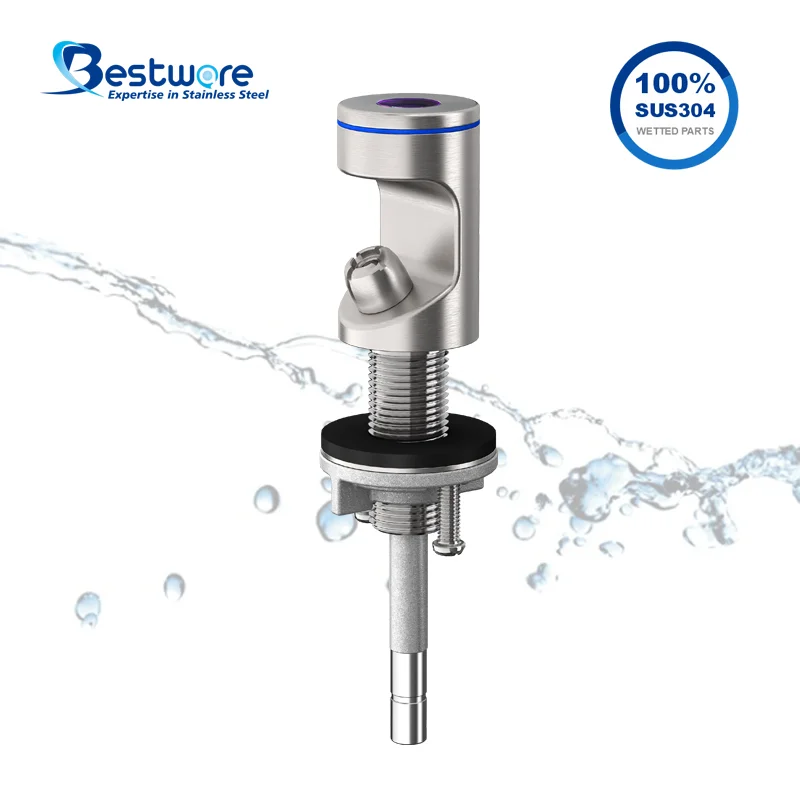
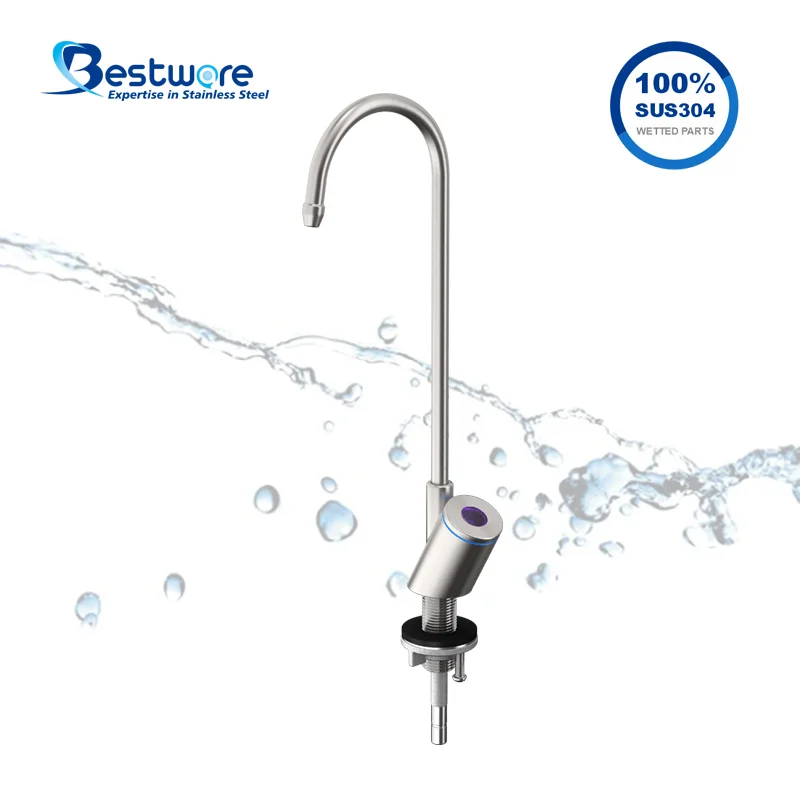
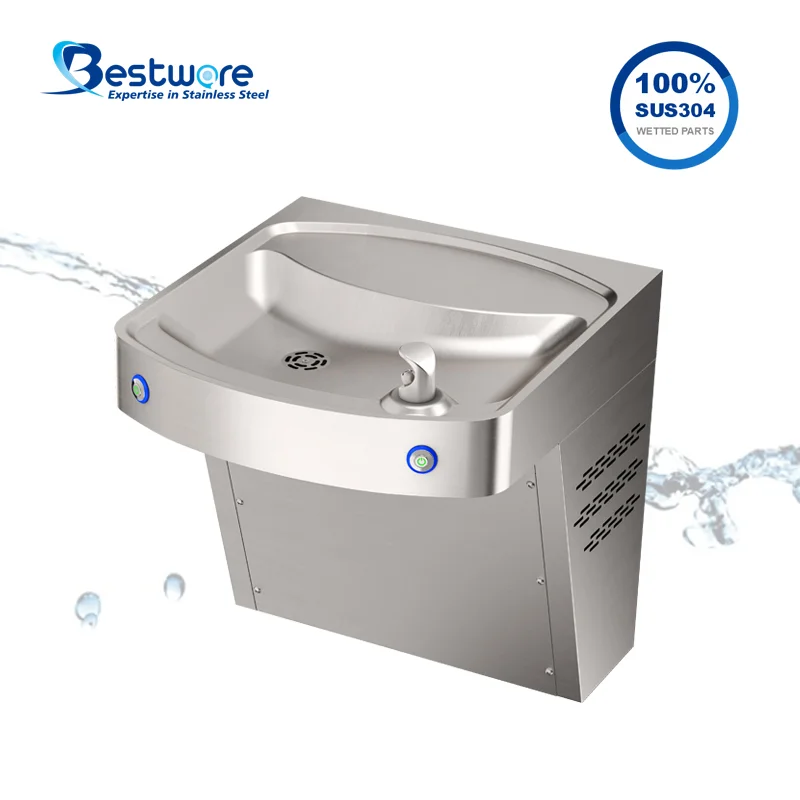
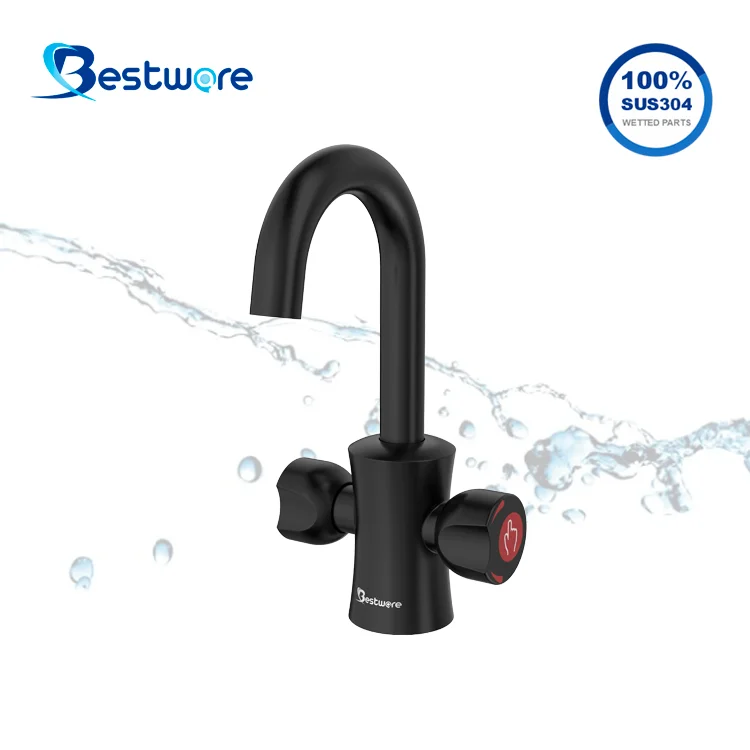
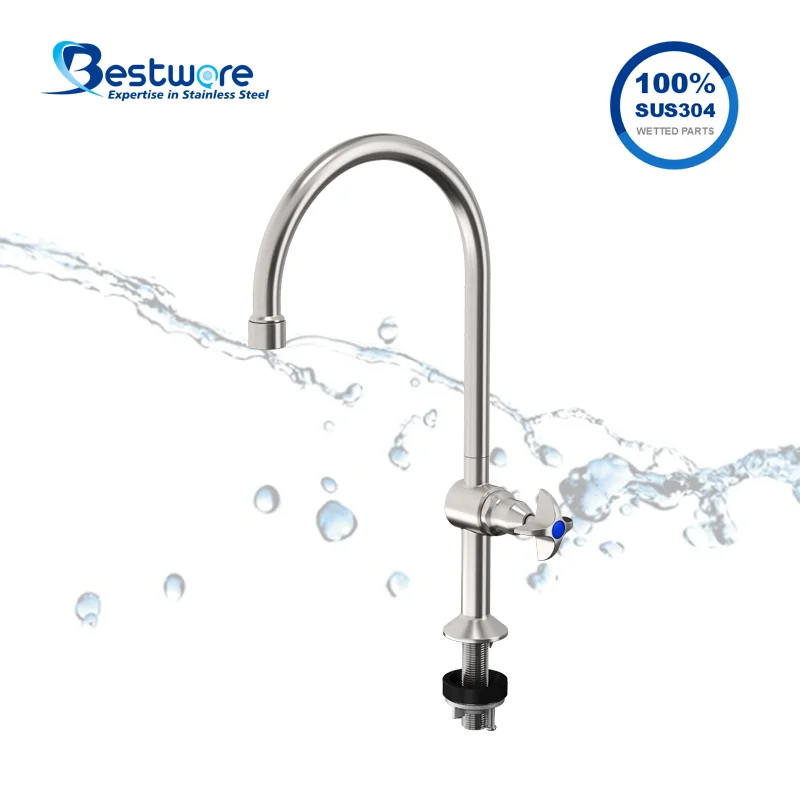
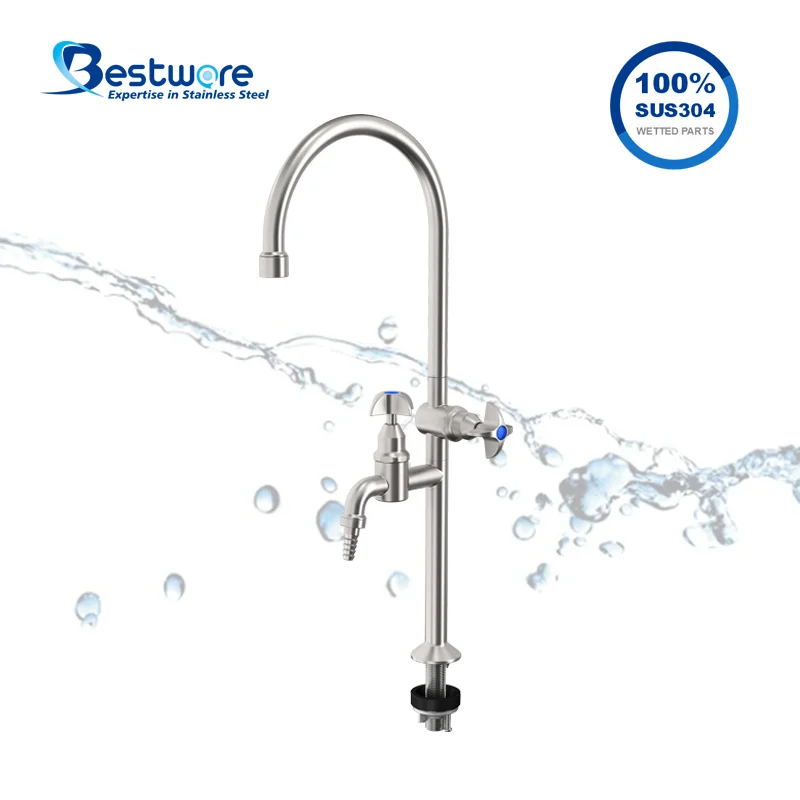
For example, in high-frequency usage environments, traditional brass faucets can gradually develop corrosion, wear, and increased maintenance requirements after prolonged exposure to water. As a result, more high-end commercial projects are now shifting toward food-grade SUS304 stainless steel metering faucets. Take Bestware commercial metering faucets as an example. They are manufactured entirely from lead-free food-grade SUS304 stainless steel, making them significantly more suitable for high-frequency and high-wear commercial environments compared with traditional brass constructions. In addition, SUS304 stainless steel offers excellent corrosion resistance, durability, and recyclability, making it better aligned with modern public space requirements for hygiene, safety, and sustainability.
Beyond material selection, user experience is also becoming increasingly important in commercial projects. Traditional metering faucets often require relatively high activation force, which can be inconvenient for children, elderly users, or people with limited hand strength. Modern commercial metering faucets are now moving toward easier activation designs. Bestware metering faucets, for example, reduce the required pressing force by more than 50%, improving comfort while also reducing fatigue during frequent daily use.
In recent years, more commercial projects have started adopting adjustable-time metering faucets because different environments require different water flow durations. For example, schools usually prioritize maximum water-saving efficiency and therefore prefer shorter flow cycles. Hospitals and commercial kitchens, on the other hand, often require longer rinse times to meet hygiene and cleaning demands. With fixed-time products, it is difficult to satisfy all application scenarios effectively.
As a result, adjustable-time functionality is gradually becoming an important trend in commercial metering faucet design. Bestware metering faucets support adjustable flow durations from 6 to 16 seconds and utilize precision control technology to maintain smooth, stable, and splash-resistant water flow under different timing settings. This design not only improves project adaptability but also helps contractors reduce model variety, lowering inventory pressure and maintenance complexity. For commercial projects, the ability for one faucet model to adapt to multiple applications often delivers greater long-term value than simply choosing the lowest-priced option.
The question, “Does repeatedly pressing a metering faucet extend the water flow time?” actually reflects the core design philosophy behind commercial metering faucets. For most commercial metering faucets, the operating logic is not based on unlimited cumulative flow. Instead, they utilize a cycle-refresh system that is better suited for public and commercial environments. Each press restarts a new flow cycle rather than continuously adding more total running time. The purpose of this design is not to restrict users, but to create a balance between water-saving efficiency, public management, and long-term product stability. As commercial environments continue demanding higher standards for water conservation, durability, and user experience, modern metering faucets are evolving rapidly. From traditional brass structures to food-grade SUS304 stainless steel, from fixed timing to adjustable flow duration, and from high-force activation to easy-press operation, commercial metering faucets are no longer just automatic shut-off devices. They are gradually becoming more advanced and professional public water management solutions.
2026/4/30 0:00:00
One-stop Solution Provider of Stainless Steel Commercial Faucets
Email: business@bestware-stainless.com
after-sales@bestware-stainless.com
Tel: +86 18929047065
WhatsApp: +86 18929047065


WeChat: +86 18929047065


Website: www.bestware-stainless.com(Global Site)
www.bestware-sparkling.com(Water Dispenser)
Add: Block 8, No. 6, Jianda Nan Road, Jiangmen, Guangdong, China
Copyright © Bestware Hardware Production Co., Ltd. All Rights Reserved.
.webp)
(7).webp)
(6).webp)
(5).webp)