Date: 2026-06-05
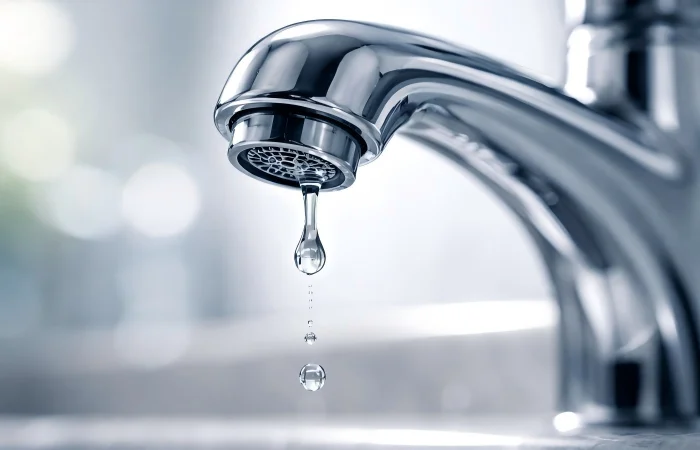
A dripping faucet may seem like a minor issue, but if left unaddressed for a long time, it can waste water and increase utility costs. According to the U.S. Environmental Protection Agency (EPA), a leaking faucet that is not repaired promptly can waste thousands of gallons of water each year. In many cases, however, issues such as leaks, stiff handle operation, or irregular water flow are not caused by a faulty faucet as a whole, but by wear or failure of the internal cartridge. As a key component affecting faucet performance and service life, a cartridge's type, material, and quality directly influence its sealing performance, durability, and overall user experience. Understanding the various cartridge types, operating principles, and performance differences can help users make more informed decisions when selecting and maintaining a faucet.
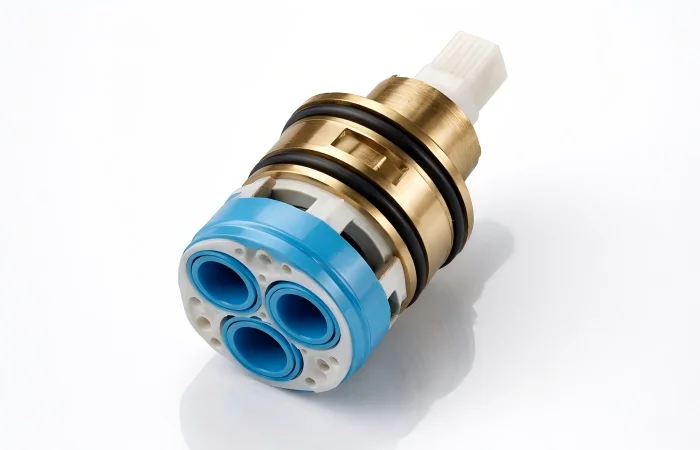
A faucet cartridge is the core component that controls water flow and temperature within a faucet. Responsible for turning the water on and off and regulating flow rate, it plays a crucial role in overall faucet performance and is often referred to as the “heart” of the faucet. It directly affects the faucet's user experience, sealing performance, and service life. For commercial pre rinse faucets, cartridge performance plays a critical role in overall operation and reliability.
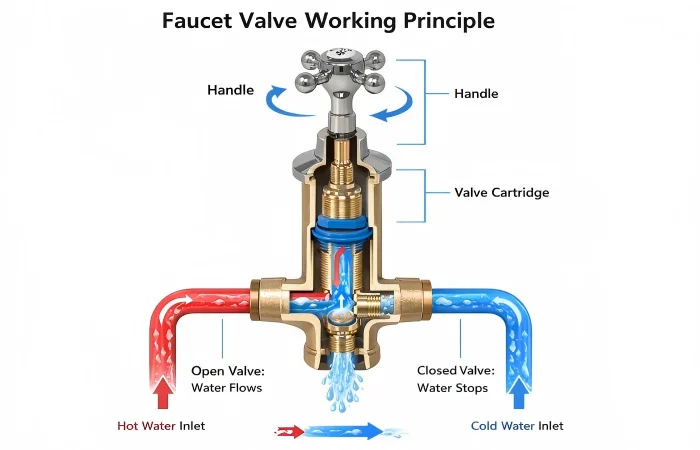
The cartridge is installed inside the faucet and connected to the external handle. When the user turns, lifts, or presses the handle, the cartridge moves accordingly to control the opening, closing, and flow rate of the internal water passage. Simply put, when the handle is opened, the cartridge opens the internal passage, allowing water to flow through the faucet and out of the outlet. When the handle is closed, the passage is sealed, and the water flow stops immediately. For pre rinse faucets equipped with both hot and cold water supplies, the cartridge not only controls the on/off function and water flow rate but also regulates the mixing ratio of hot and cold water, allowing users to adjust the water temperature. For cold-water-only pre rinse faucets, the cartridge is primarily responsible for controlling the opening and closing of water flow as well as regulating the flow rate. Through this operating mechanism, the cartridge enables precise control of both water flow and temperature, ensuring smooth handle operation, stable water delivery, and reliable sealing performance. In general, the higher the quality of the cartridge, the better the faucet's user experience, durability, and overall reliability.
Pre rinse faucets are widely used in commercial environments, where they are often subjected to frequent and continuous operation. Under these demanding conditions, differences in the performance of internal components gradually become apparent, ultimately affecting the faucet's reliability, maintenance requirements, and overall operating costs. Therefore, understanding how cartridge performance influences product performance is essential for evaluating the quality of a pre rinse faucet.
|
NO. |
Key Performance Features |
Details |
|
1 |
Precise Water Flow Control |
It controls the opening and closing of water flow while allowing users to adjust the flow rate according to their specific needs, providing greater flexibility and convenience during use |
|
2 |
Reliable Sealing Performance |
A high-quality cartridge can effectively prevent water from leaking when the faucet is turned off, reducing dripping and improving water efficiency |
|
3 |
Smooth and Effortless Operation |
A high-quality cartridge provides smooth and effortless operation, reducing operating resistance and enhancing the overall user experience |
|
4 |
Wear Resistance and Durability |
High-quality cartridges typically offer excellent wear resistance and a long service life |
|
5 |
Affect the Overall User Experience |
The performance of a cartridge affects more than just leak prevention. It also influences water flow stability, temperature control accuracy, and the maintenance frequency of the faucet |
|
6 |
Maintenance Costs |
In general, the higher the quality of the cartridge, the lower the failure rate, resulting in reduced maintenance requirements and less downtime |
Although the cartridge is hidden inside the faucet, it has a significant impact on the faucet's long-term performance and reliability. A high-quality, dependable cartridge not only helps reduce the likelihood of failures but also lowers maintenance and replacement costs over time, providing a more efficient and stable user experience for commercial kitchens.
Based on their structural design, materials, and functional characteristics, faucet cartridges can be categorized into several types. Each type offers distinct advantages in terms of durability, operating mechanism, sealing performance, and application suitability, making them suitable for different usage requirements and environments.
Brass cartridges are typically made from copper alloy materials and were once widely used in traditional faucet designs. Their construction is relatively robust and durable; however, prolonged use can lead to wear caused by friction, which may gradually affect sealing performance and result in issues such as dripping and less smooth operation. In addition, under the high-frequency usage conditions common in commercial environments, brass cartridges generally offer lower wear resistance than modern ceramic cartridges, often requiring more frequent maintenance and replacement.
Ceramic cartridges are the most widely used type of cartridge in modern pre rinse faucets. They regulate water flow through the relative movement of two precision-engineered ceramic discs, providing excellent wear resistance, reliable sealing performance, smooth operation, and a long service life. Because they can withstand the frequent on-and-off use typical of commercial kitchens, ceramic cartridges have become the standard configuration in most mid-range and high-end pre rinse faucets.
Stainless steel cartridges are manufactured from precision-machined stainless steel components, offering high mechanical strength and excellent corrosion resistance. They can maintain reliable performance under demanding conditions such as frequent operation, challenging water quality, and heavy-duty use. As a result, they are often used in commercial equipment and specialized applications where durability and long-term reliability are critical requirements.
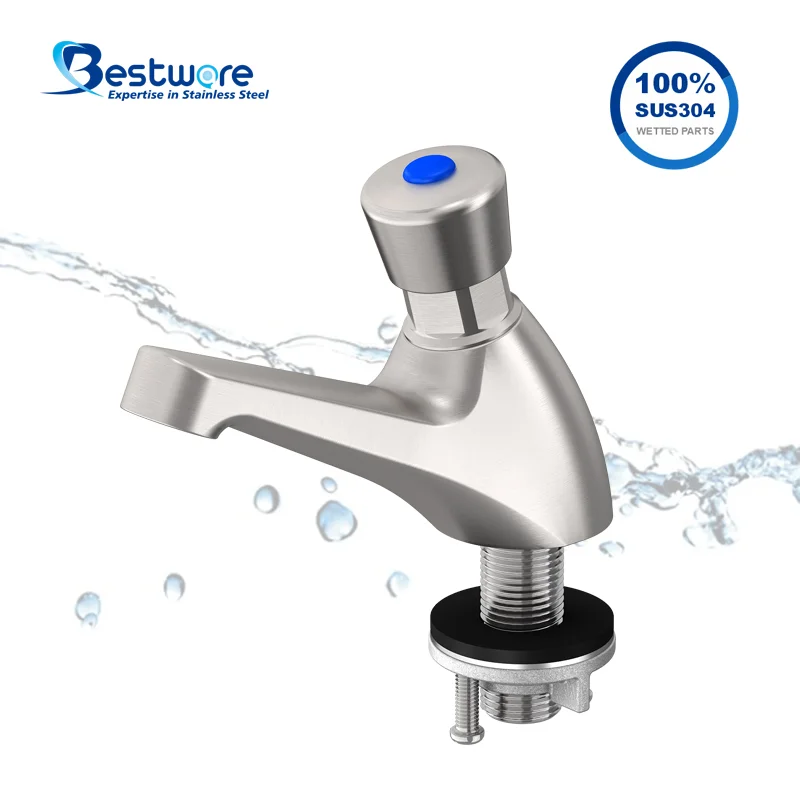
Quarter-turn cartridges typically utilize a 90-degree rotational mechanism, allowing the faucet to be fully opened or closed with only a small turn of the handle. Their quick response and ease of operation help improve efficiency during daily cleaning tasks, making them a common choice in modern pre-rinse faucets.
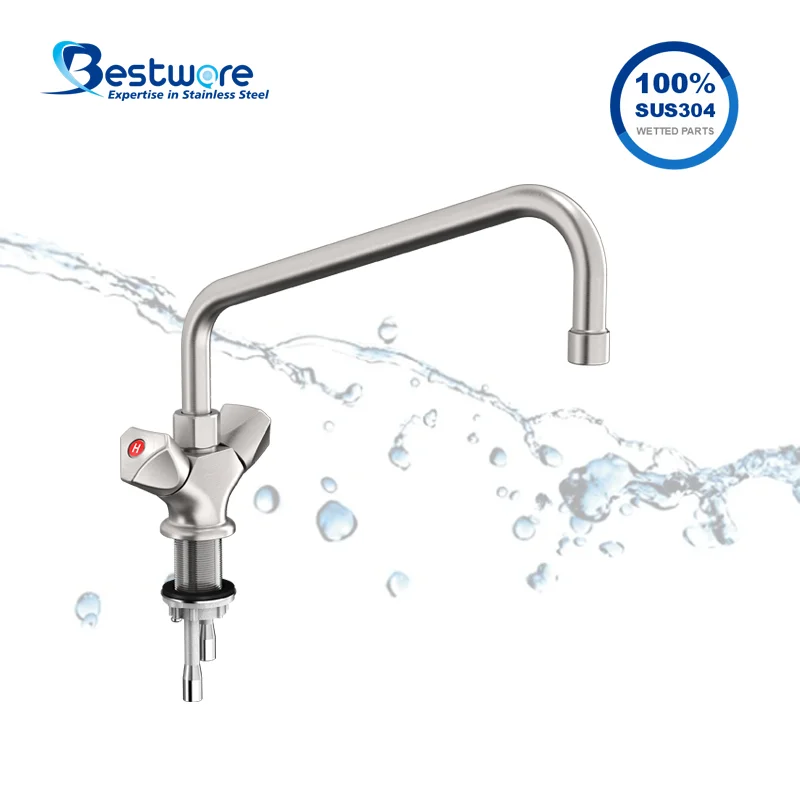
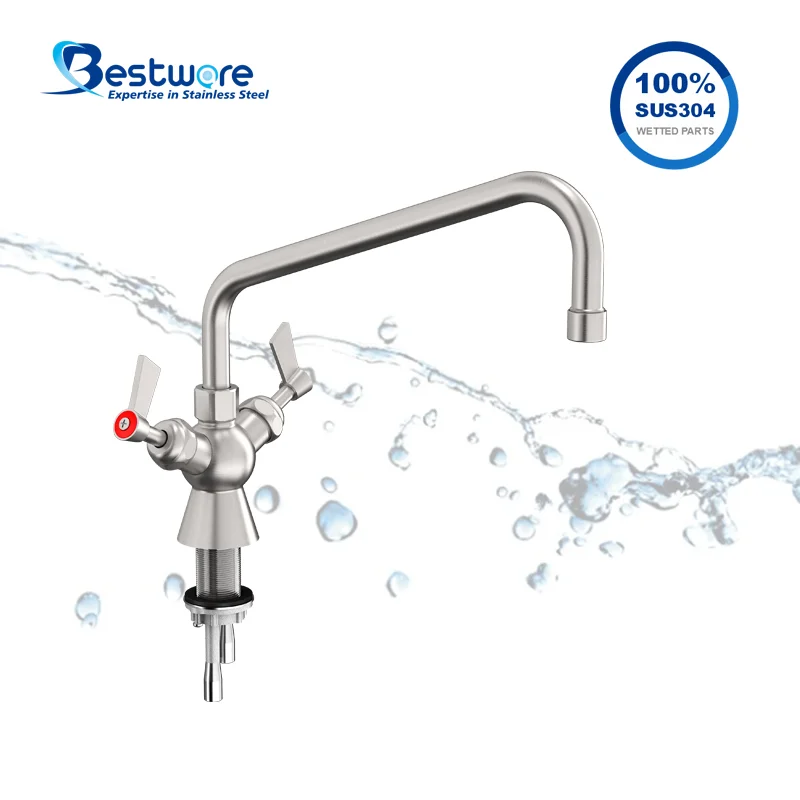
Multi-turn cartridges require the handle to be rotated several turns to gradually open or close the water flow. They offer smooth operation and precise flow adjustment, making them suitable for applications where finer control is desired. In dual-handle hot and cold water faucets, users can also regulate the mixing ratio by adjusting the opening of the hot- and cold-water cartridges, allowing for accurate control of the water temperature. Although they operate more slowly than quarter-turn cartridges, they provide greater precision in both flow and temperature control.
A single-handle mixing cartridge allows users to control water flow, flow rate, and the hot-to-cold water mixing ratio with a single handle. The water volume is adjusted by moving the handle up and down, while the water temperature is regulated by rotating it from side to side. Featuring a compact design and convenient operation, this type of cartridge is widely used in commercial pre rinse faucets equipped with both hot and cold water supplies.
Different cartridge types offer their own design characteristics and application advantages. There is no universally best option—only the one that best suits a particular application. By selecting a cartridge based on actual usage requirements and operating conditions, users can maximize the performance, reliability, and efficiency of a pre rinse faucet.
As a faucet cartridge ages, its performance may gradually decline due to wear, material degradation, or the buildup of debris and mineral deposits. When a cartridge begins to fail, the faucet often exhibits several noticeable symptoms. Recognizing these warning signs early can help users perform timely maintenance or replacement, preventing further issues and minimizing disruptions to normal operation.
· Water continues to drip or leak even when the handle is in the fully closed position.
· The handle becomes stiff, difficult to turn, or no longer operates smoothly.
· Water temperature fluctuates unexpectedly, with inconsistent mixing of hot and cold water.
The faucet experiences a noticeable reduction in water flow, even though the water pressure at other fixtures remains normal.
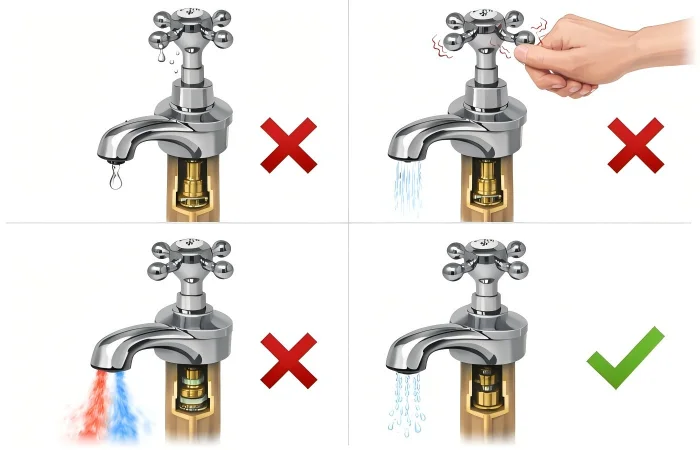
When one or more of the above symptoms occur, the cartridge is often the most likely cause. As the core component responsible for controlling water flow and temperature, any decline in cartridge performance can directly affect the faucet's operation. Fortunately, in many cases, it is not necessary to replace the entire faucet. Replacing the worn or faulty cartridge alone is often sufficient to restore normal performance and functionality.
When a faucet develops problems such as leaking, irregular water flow, or difficult operation, users are often faced with a decision: should they replace the internal cartridge or replace the entire faucet? In many cases, replacing the whole unit is not necessary. Depending on the faucet’s age, overall condition, and the cause of the problem, choosing the appropriate solution can not only restore proper functionality but also help reduce maintenance and replacement costs.
|
NO. |
Troubles hooting Guide |
Suitable Situations |
Key Advantages |
Key Disadvantages |
|
1 |
Replace the cartridge |
The faucet body remains in good condition, with issues limited to leaking, dripping, stiff handle operation, or abnormal temperature control |
Lower cost, faster repair, and extended faucet service life |
Requires a compatible replacement cartridge |
|
2 |
Replace the whole faucet |
The faucet is severely worn, the main body is corroded or damaged, replacement parts are no longer available, or functional upgrades are required |
Full warranty coverage, and the opportunity to upgrade features |
Higher cost and more extensive installation work |
For most common faucet problems caused by cartridge wear, replacing the cartridge is usually sufficient to restore normal operation. Replacing the entire faucet is generally recommended only when the unit is severely aged, extensively damaged, or requires functional upgrades. Before deciding on a repair solution, accurately identifying the root cause of the problem can help avoid unnecessary maintenance expenses and ensure the most cost-effective approach.
Whether replacing a worn cartridge or selecting a more suitable cartridge configuration for a new faucet, the choice of cartridge can have a direct impact on long-term performance and user experience.
|
NO. |
Key Purchasing Factors |
Key Considerations |
Buying Tips
|
|
1 |
Size and specifications |
Cartridge diameter, height, and mounting configuration |
Confirm the original cartridge model and dimensions to ensure compatibility |
|
2 |
Material quality |
Ceramic discs & stainless steel components |
Choose products with excellent wear and corrosion resistance |
|
3 |
Certifications and compliance |
Material safety, drinking water compliance & water efficiency |
Check for compliance with NSF/ANSI 61, low-lead regulations, and water sense standards |
|
4 |
Ease of replacement |
Maintenance and eeplacement parts availability |
Prioritize models with strong compatibility and readily available replacement parts |
|
5 |
Usage frequency |
Average daily on/off cycles |
In high-frequency commercial environments, prioritize long-life stainless steel cartridges |
Proper cartridge selection can improve the overall performance of a faucet and extend its service life. Conducting proper compatibility checks and performance evaluations before purchase helps prevent installation issues and operational problems later on.
Many users hope to find a “universal cartridge” that can fit a wide range of faucets when replacing a worn component. However, most cartridges are designed for specific brands and models. Significant differences may exist in dimensions, connection structures, and internal configurations, meaning that cartridges are not always interchangeable. While some traditional compression cartridges or standardized single-handle faucet designs may offer a certain level of compatibility, modern ceramic cartridges, thermostatic cartridges, and brand-specific cartridges typically require strict matching of the correct specifications and model. If a replacement cartridge only appears similar in shape but differs slightly in size or structure, it may lead to the following issues:
· Slow dripping or seepage occurs around the valve stem area.
· The handle becomes loose, misaligned, or operates abnormally after installation.
· The valve seat or valve body may be damaged due to improper fit during installation.
Therefore, when selecting a replacement cartridge, it is recommended to first confirm the original cartridge model, dimensional specifications, and brand information. If necessary, the old cartridge can be removed for direct comparison and measurement to ensure the new one fits the faucet accurately, helping to avoid issues such as leaks or operational failures after installation.
Even high-quality cartridges will gradually wear over time with continued use. Scale buildup, sand, and mineral deposits in hard water are among the key factors that contribute to cartridge wear and reduced sealing performance. Proper routine maintenance can not only reduce the likelihood of failures but also extend the service life of the cartridge. When a cartridge becomes aged or damaged, timely replacement helps restore normal faucet performance.
|
NO. |
Maintenance Item |
Measures |
Function |
|
1 |
Regular cleaning |
Remove scale, sand, and other impurities |
Reduces wear and ensures smooth operation |
|
2 |
Water quality management |
Install a filter or pre-filtration system |
Reduces the impact of impurities on the cartridge |
|
3 |
Proper use |
Avoid excessive force when opening or closing the handle |
Reduces internal component wear |
|
4 |
Routine inspection |
Check for leaks, stiffness, and other abnormal conditions |
Helps identify potential issues early |
|
5 |
Replace promptly |
Replace the cartridge promptly when it becomes worn or damaged |
Restores normal sealing and operating performance |
|
6 |
Model compatibility |
Verify specifications and dimensions before replacement |
Prevents compatibility issues during installation |
Proper maintenance can effectively slow down cartridge wear, while timely replacement of a worn or failed cartridge helps prevent issues such as leaks and abnormal operation. Developing a habit of regular inspection not only improves user experience but also helps reduce long-term maintenance costs.
As an essential cleaning device in commercial kitchens, the long-term performance of a pre rinse faucet depends heavily on the reliability of its core components. By understanding the structural characteristics, application scenarios, and key selection factors of faucet cartridges, users can more accurately evaluate product quality and make informed decisions based on their actual needs. For commercial environments that prioritize stable operation and efficient management, paying attention to cartridge configuration not only improves equipment reliability but also brings greater convenience for future use and maintenance.
One-stop Solution Provider of Stainless Steel Commercial Faucets
Email: business@bestware-stainless.com
after-sales@bestware-stainless.com
Tel: +86 18929047065
WhatsApp: +86 18929047065


WeChat: +86 18929047065


Website: www.bestware-stainless.com(Global Site)
www.bestware-sparkling.com(Water Dispenser)
Add: Block 8, No. 6, Jianda Nan Road, Jiangmen, Guangdong, China
Copyright © Bestware Hardware Production Co., Ltd. All Rights Reserved.
(2).webp)
(1).webp)