Date: 2025-10-24
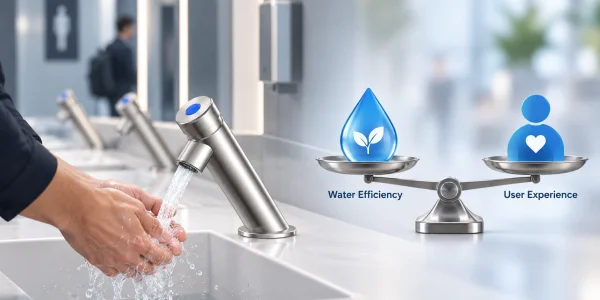
The commercial faucet industry is undergoing a profound transformation, from the meticulous craftsmanship demanded by minimalist aesthetics, to technology redefined through user experience, and stainless steel redefined as a benchmark for health and sustainability. End users are no longer content with products that simply meet functional requirements. Instead, they are redefining value with user experience as the anchor, seeking innovation at the intersection of aesthetics, technology, and materials. At the core of this transformation is a shift from a producer mindset to a user-oriented mindset. Only by transforming technical capabilities into tangible, intuitive experiences can brands truly earn market recognition and respect.
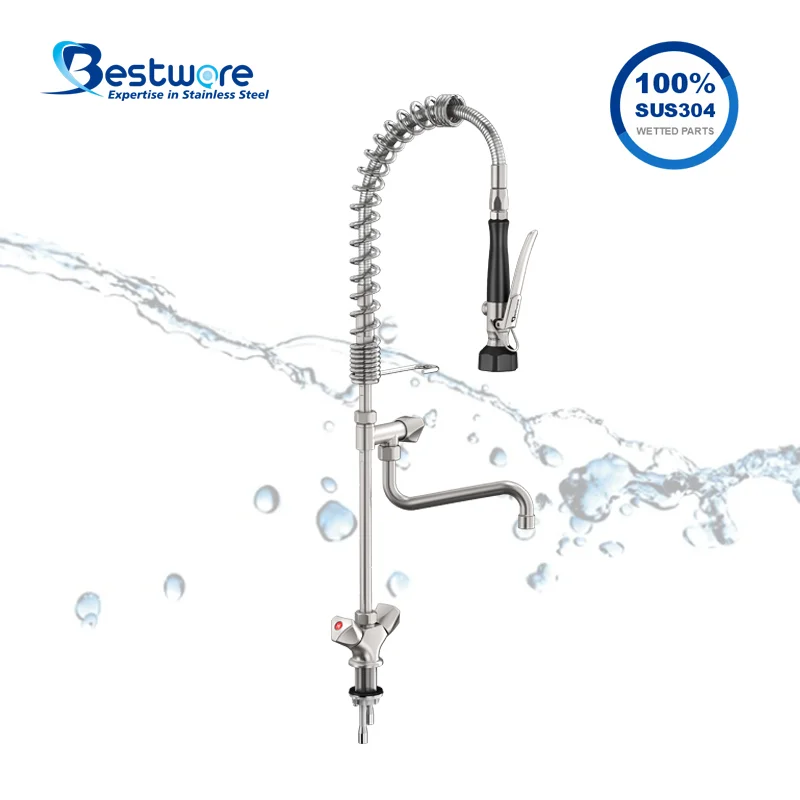
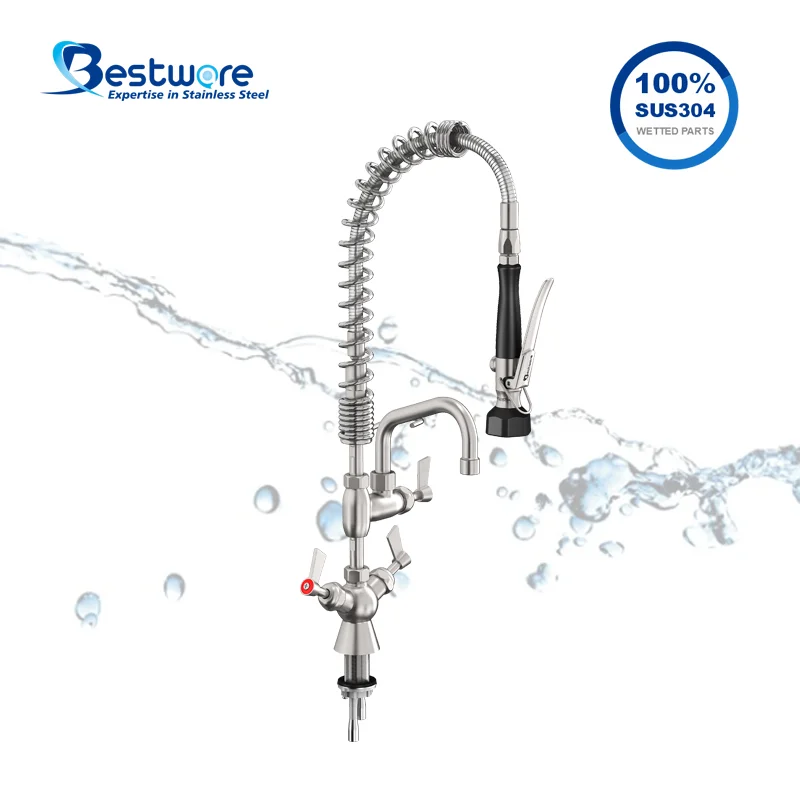
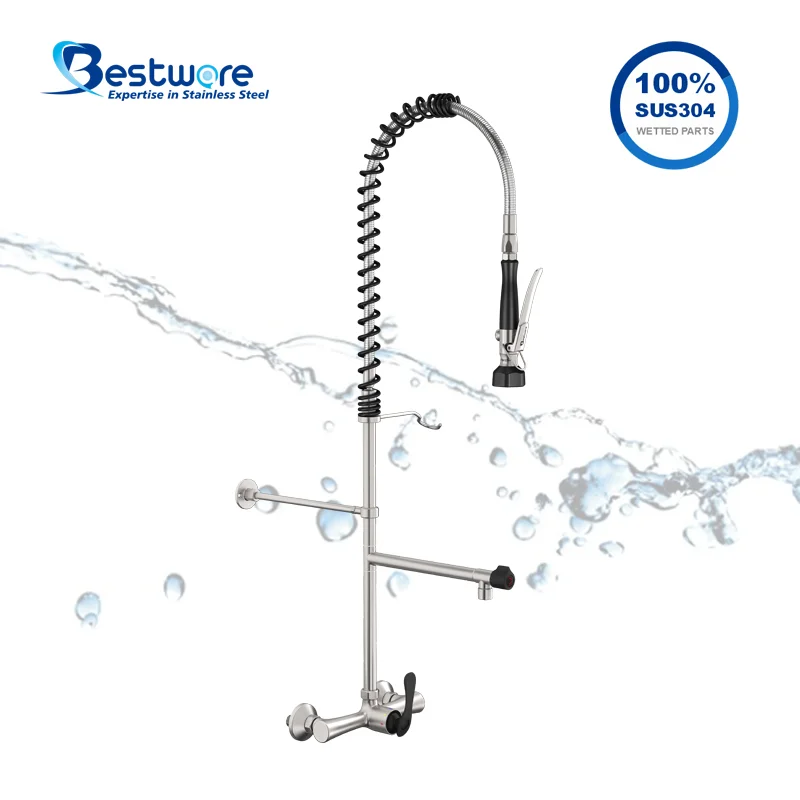
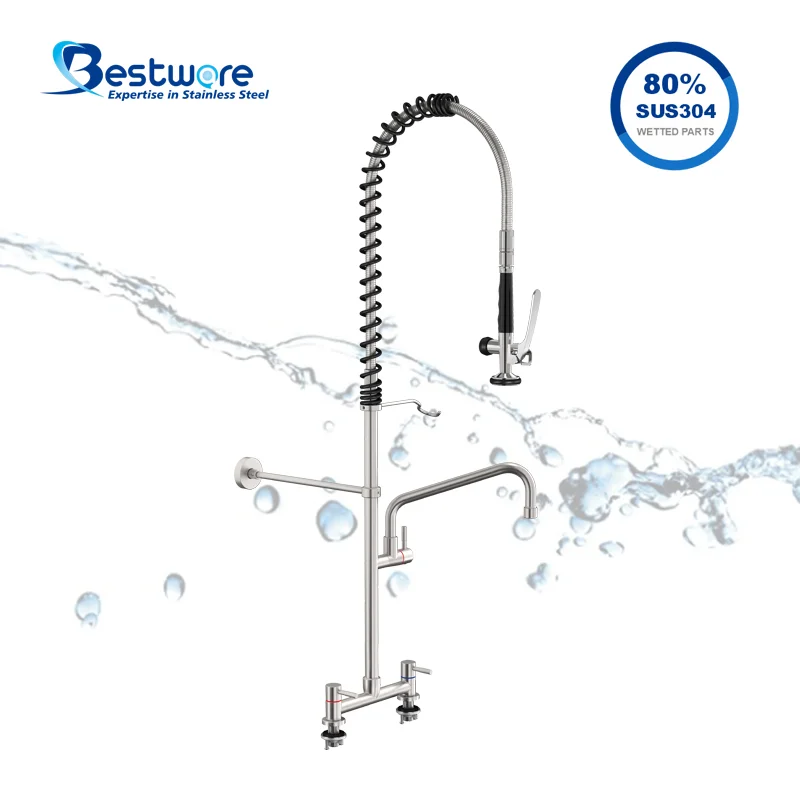
In product design, focusing on the actual experience of end users should be a fundamental principle. However, in the commercial and public faucet industry, this principle is often overlooked. There are two main reasons. First, the purchaser and the end user are typically not the same person. For instance, public faucets in parks or airports are used by the general public rather than those who made the purchase. Likewise, pre rinse faucets are procured by kitchen managers, not the dishwashers who use them daily. This role separation creates an information gap between users and manufacturers, leading to product development that fails to reflect the needs of those who actually operate the faucets. As a result, subpar user experience has become a widespread issue in the industry. For example, in many public parks, more than half of the sensor handwashing faucets suffer from delayed activation or fail to dispense water at all. However, due to frequent malfunctions and high repair costs, park administrators often choose to overlook the issue. Over time, end users grow accustomed to the unreliability and gradually come to accept unstable sensing as the normal state of sensor faucets. This misconception reflects a deeper issue: a lack of in-depth research into actual user experience by manufacturers. A similar issue exists with pre rinse faucets. Some well-known brands have kept the same spray valve structure for decades, despite the fact that prolonged use often leads to wrist fatigue and a poor user experience. The root cause lies in the lack of feedback from end users such as dishwashers, whose real pain points have long gone unheard. Without that feedback, there's been no real effort to reduce muscle strain or improve cleaning efficiency. These phenomena precisely expose the industry's biggest blind spot in demand insight.
Secondly, a widespread "good enough" mindset among manufacturers is another key reason behind the suboptimal user experience in the industry. A typical example is anti-scalding protection in sensor faucets. Integrating this feature internally is not a technical challenge, yet most products on the market still rely on external thermostatic mixing valves. In some countries, such valves are not even commonly adopted, and users are expected to accept scalding risks caused by temperature fluctuations as a normal part of use. Over time, these recurring problems condition the market into believing that such flaws are inherent to sensor faucets and therefore unfixable.
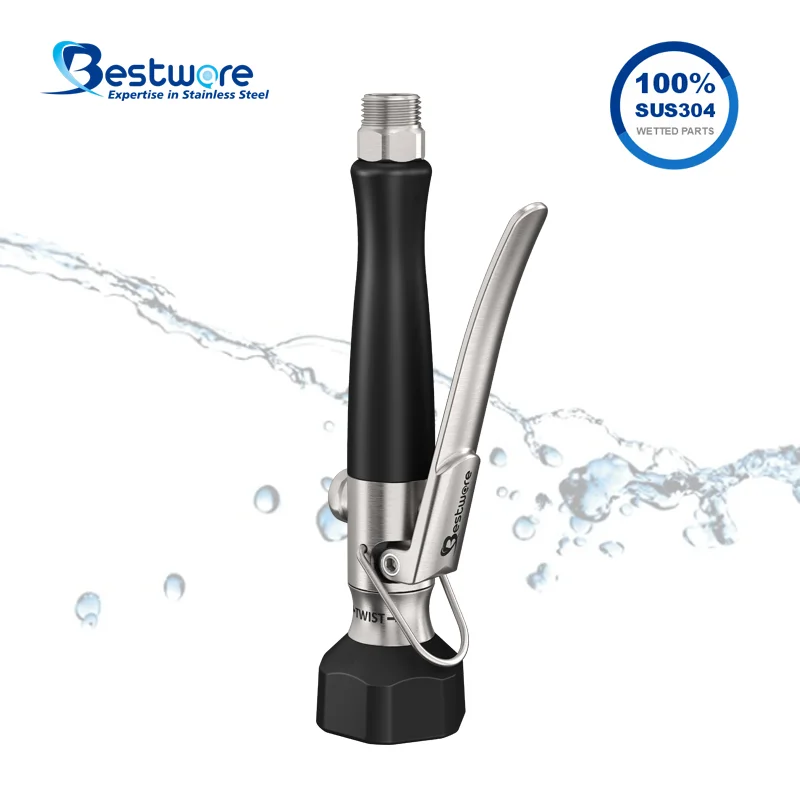
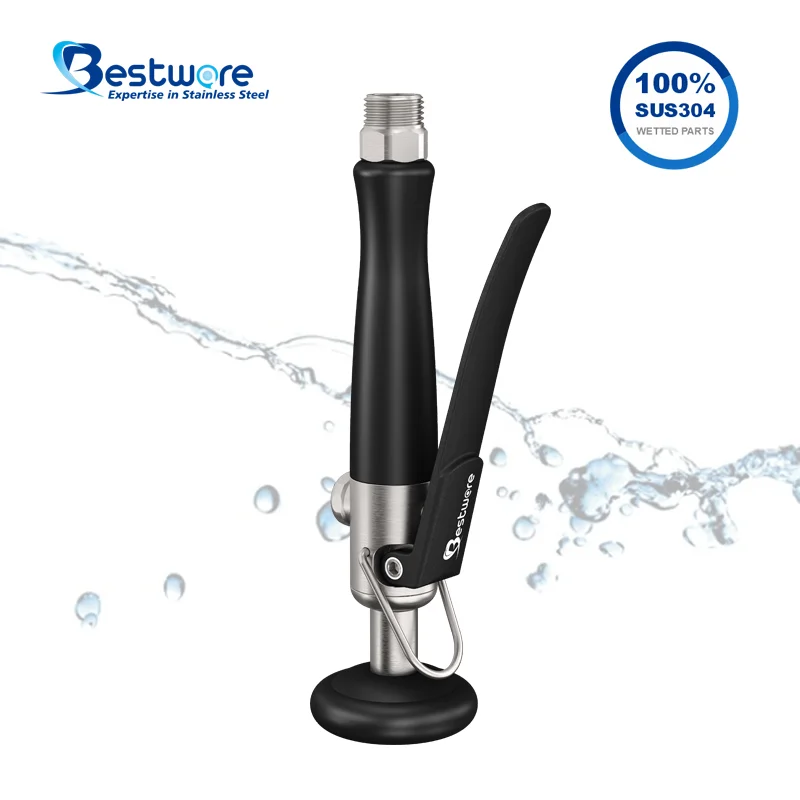
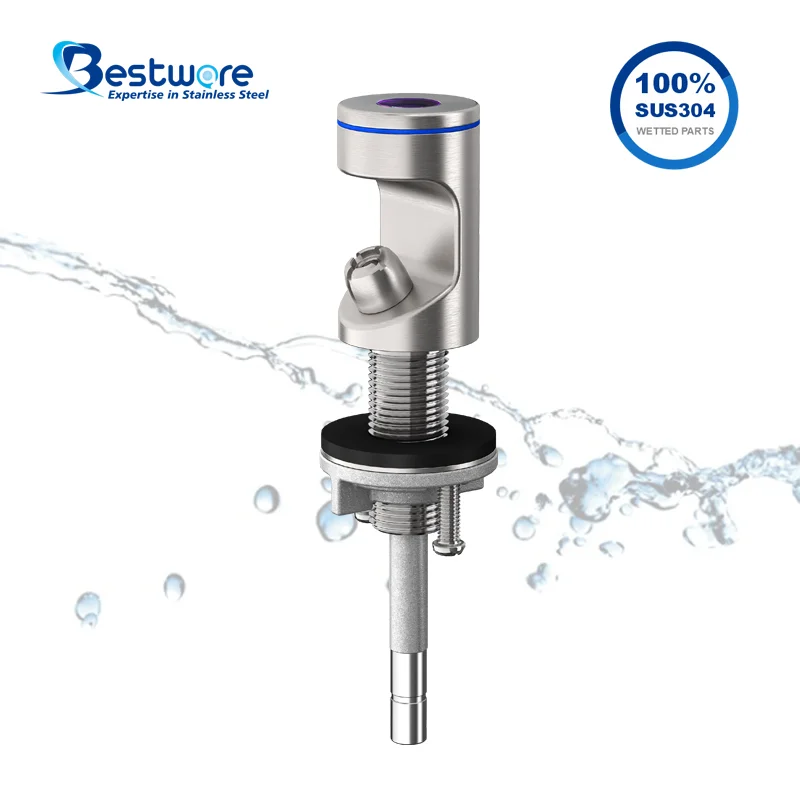
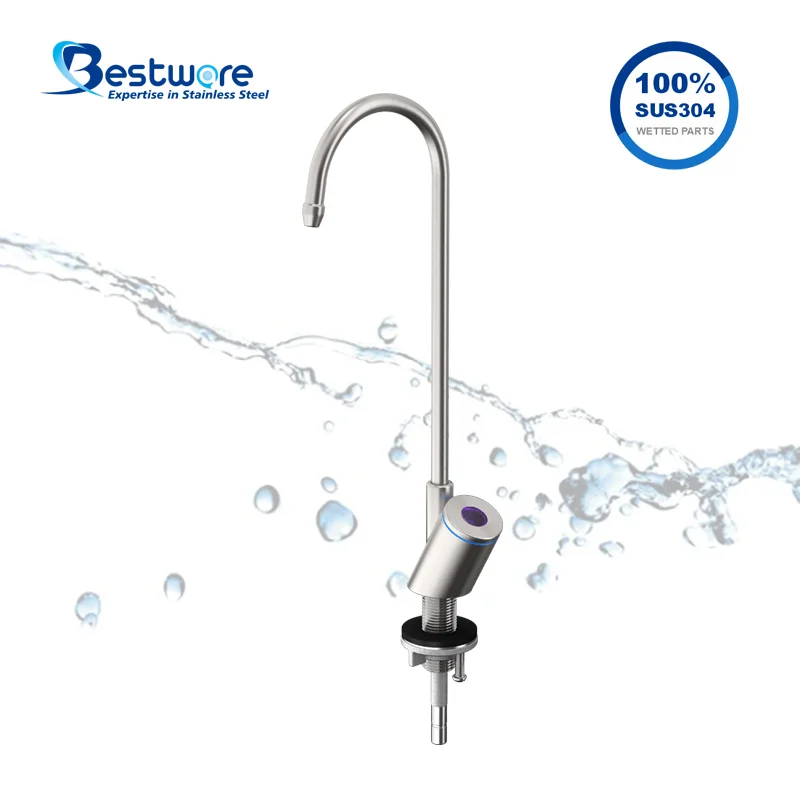
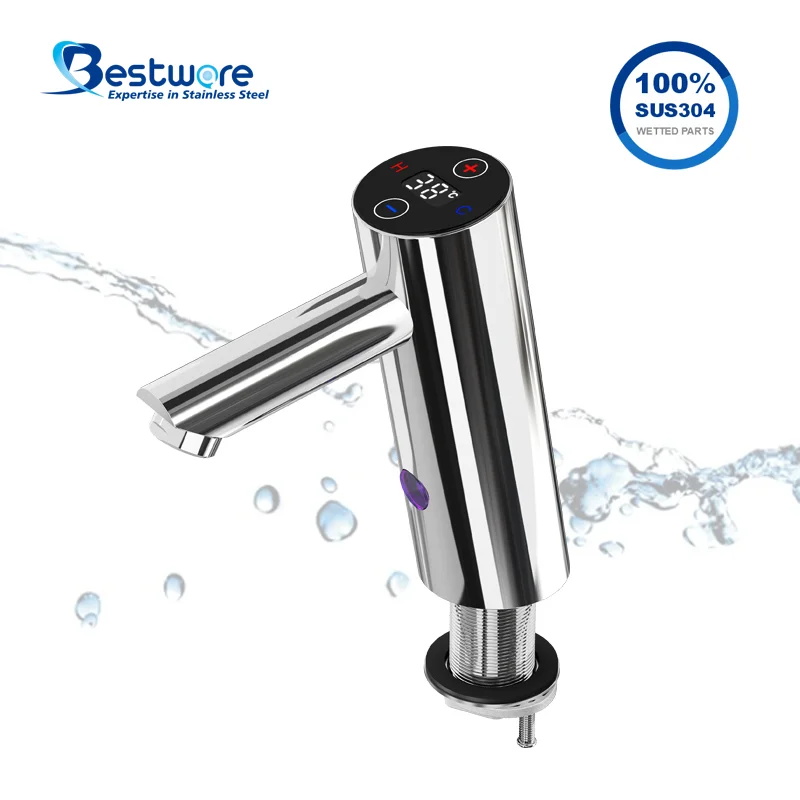
However, at Bestware, we reject the notion that these widespread user experience issues should be accepted as "normal." In fact, we see the industry's biggest blind spot as its greatest opportunity, one that deserves serious attention and targeted improvement. As a pursuer of ultimate user experience, Bestware has conducted extensive field research with frontline dishwashing staff to uncover overlooked pain points, such as poorly angled spray holes and stiff trigger operation in pre rinse faucets. In response, we reengineered the long-standing "industry standard design," innovatively introducing a hydraulic buffer structure and a 360° swivel hose that reduce wrist strain by 70% and significantly boost cleaning efficiency. Similarly, for sensor faucets plagued by slow activation and inconsistent water temperatures, we optimized the sensing algorithm and developed an innovative built-in anti-scald mechanism. By addressing these critical pain points, we achieved 0.2-second rapid response and ±1°C precision temperature control, ensuring both comfort and safety for end users. Such innovations are countless at Bestware.
Technology should always revolve around user experience. At its core, technology exists to improve the user experience, enabling products to better create and satisfy user needs, rather than serving as a self-important technological barrier. After all, in a fast-evolving market landscape, technological advantages are often short-lived, as competitors can quickly catch up through their own breakthroughs. That's why Bestware believes that technological advantage alone is not a true moat. In contrast, the ability to continuously satisfy and enhance the user experience is the key to building lasting competitive strength for manufacturers. The level of user experience refinement directly shapes a brand's market penetration. Manufacturers must take the initiative to listen to users, pay attention to every aspect of the user experience, and turn pain points into drivers of innovation. This is precisely why Bestware has remained at the forefront of the stainless steel revolution in the industry.
Moreover, users often struggle to voice their deeper, unspoken needs. This presents a higher-level challenge for manufacturers: not only must they possess sharp market foresight to anticipate future demand trends, but they must also empower the entire value chain, from need creation to market education, through systematic innovation and technical refinement. In doing so, they can build resonance between product and market even before demand becomes explicit.
From a material performance perspective, stainless steel offers significant advantages. Its hardness allows it to withstand frequent use and impact in heavy-duty environments, effectively extending the faucet's service life while reducing replacement costs and resource waste. Stainless steel is also lead-free and environmentally friendly, eliminating the risk of lead leaching and ensuring water safety at the source. This property plays a vital role in ensuring water safety in commercial foodservice environments. As awareness of health and sustainability continues to grow, this makes stainless steel a standout material choice in the commercial faucet industry.
The changing policy environment has provided strong support for the widespread adoption of stainless steel. In recent years, governments around the world have introduced regulations to protect public health and environmental safety, strictly limiting the use of brass (including lead) in products that come into direct contact with drinking water, such as commercial kitchen faucets, and placing restrictions on traditional chrome-plating processes. These regulatory measures have not only raised the compliance threshold for brass and chrome-plated faucets, but also prompted the industry's shift toward lead-free, environmentally friendly materials.
Driven by both market demand and policy guidance, the adoption of stainless steel in the commercial kitchen faucet sector continues to expand. An increasing number of manufacturers are investing heavily in the research and development of stainless steel products, continuously refining manufacturing processes, and enhancing product performance and external design to meet the market demand for high-quality, eco-friendly commercial kitchen faucets. Stainless steel is poised to replace brass as the next-generation dominant material in the commercial faucet industry, representing an inevitable shift in the sector's evolution.

Image by pikisuperstar on Freepik
In the field of product design, minimalist aesthetic design is emerging as a trend that balances visual appeal with practical value, helping many products stand out in the marketplace. While minimalist designs may appear simple on the surface, they in fact demand high standards in both craftsmanship and functionality.
From a manufacturing perspective, achieving a minimalist appearance is no easy feat. Minimalist design eliminates unnecessary elements, resulting in a cleaner and more direct visual impact. However, this also means that even the slightest imperfection becomes highly visible and magnified. It is much like painting on a blank canvas where any minor flaw stands out starkly. As a result, achieving a minimalist appearance places strict demands on both visual refinement and manufacturing precision.
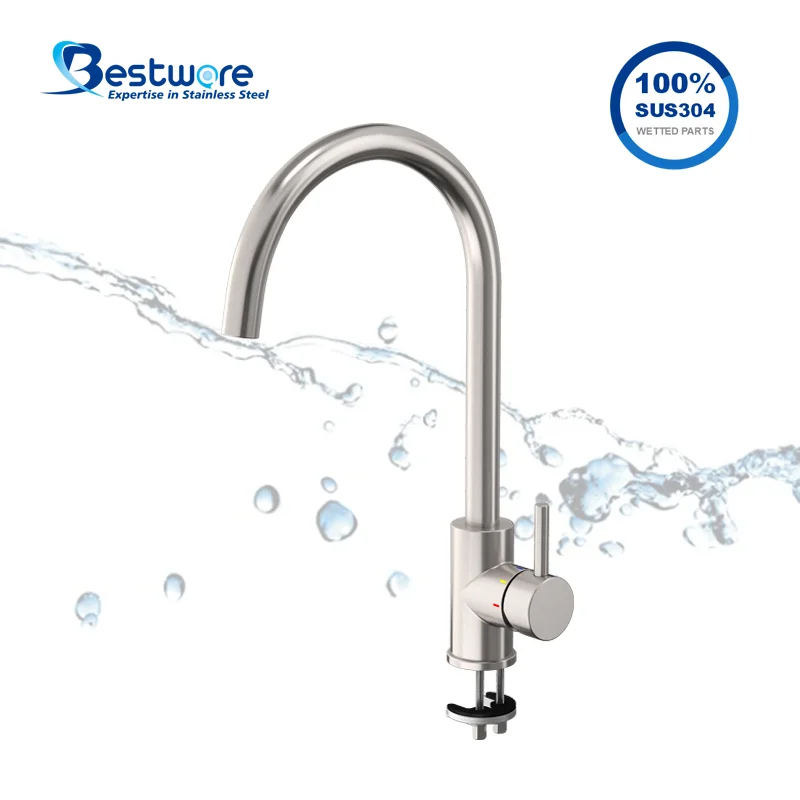
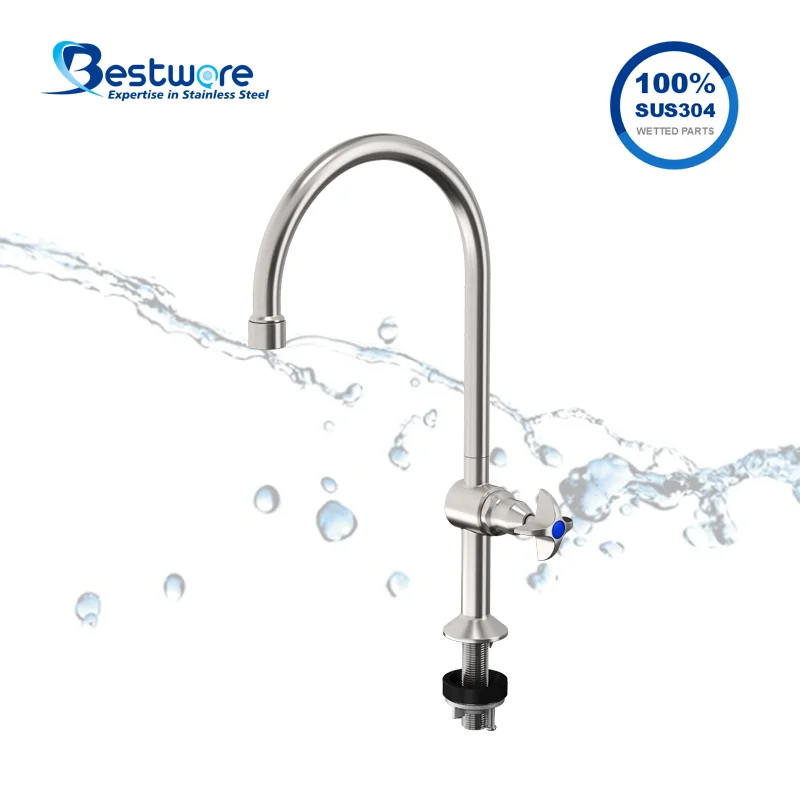
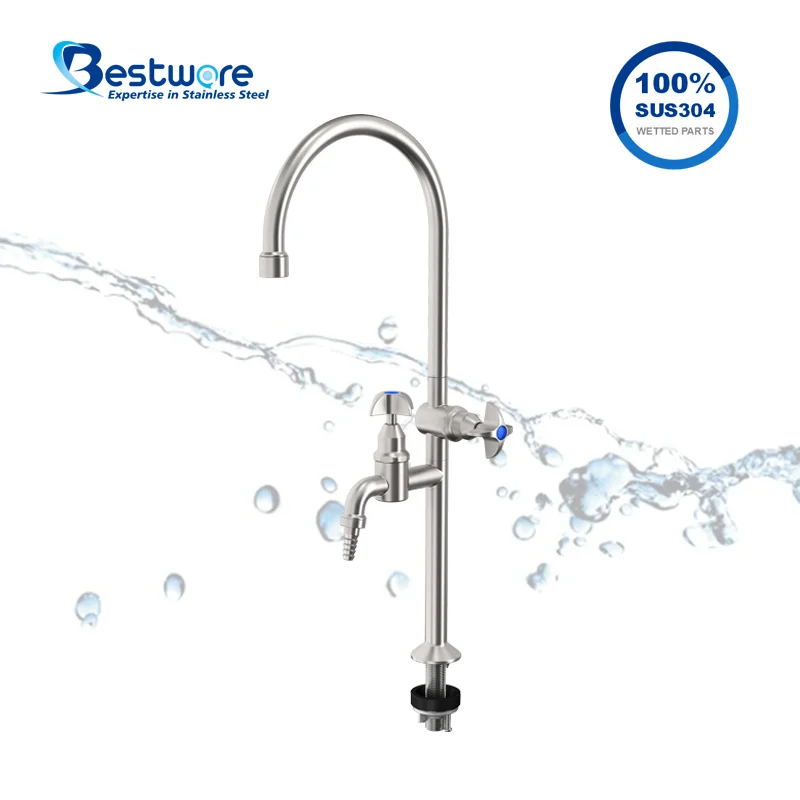
Bestware leverages the refined texture and material purity of stainless steel, combined with precision craftsmanship, to create a minimalist yet appealing appearance. This design approach not only responds to the growing consumer demand for faucets that combine visual appeal and functionality, but also aligns with the trend of open commercial kitchen layouts. In such environments, minimalist and refined designs integrate more naturally into the overall spatial aesthetic without disrupting visual harmony. This focus on spatial adaptability enhances the product's visual coherence in modern commercial spaces and open kitchen settings.
From a functional and structural perspective, minimalism is not merely about reduction. It involves deep optimization while ensuring quality and performance. A well-designed faucet is built on ergonomic principles and optimized through repeated testing and adjustment to ensure an optimal user experience. Ease of installation is also a key indicator of functional design. Simplifying the installation process and reducing installation complexity not only lowers labor costs but also allows average users to complete installation with ease, expanding the product's user base. Ultimately, a faucet truly embodies the integration of minimalist aesthetics and practical functionality when both its appearance and structural design reach minimalist excellence, turning this concept into a tangible, comfortable user experience.
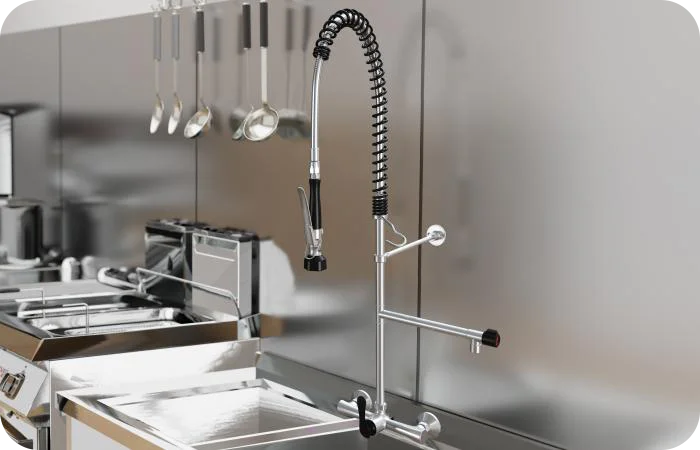
Shifting the focus from a manufacturer's perspective to user needs, and evolving from "functional" to "user-friendly," this transformation is breaking down traditional technological barriers and material inertia, giving rise to a new paradigm centered on stainless steel sustainability, minimalist aesthetics, and user-centered technology. Bestware believes that when manufacturers innovate based on user pain points, optimize experiences through technology, and prioritize health and environmental values, they can turn industry gaps into market opportunities, elevate material advancements into a brand moat, and transform design aesthetics into the vitality of a space. Looking ahead, only manufacturers who truly understand user needs, embrace material innovation, and implement minimalist design principles will be able to reshape industry standards through product value in the "user experience revolution" of commercial faucets. Therefore, a deep and continuous focus on enhancing end-user experience should become a core competitive advantage for manufacturers.
One-stop Solution Provider of Stainless Steel Commercial Faucets
Email: business@bestware-stainless.com
after-sales@bestware-stainless.com
Tel: +86 18929047065
WhatsApp: +86 18929047065


WeChat: +86 18929047065


Website: www.bestware-stainless.com(Global Site)
www.bestware-sparkling.com(Water Dispenser)
Add: Block 8, No. 6, Jianda Nan Road, Jiangmen, Guangdong, China
Copyright © Bestware Hardware Production Co., Ltd. All Rights Reserved.
(2).webp)
(1).webp)