Date: 2025-12-19
In commercial kitchens, public facilities, and food-contact applications, the choice of stainless steel has a direct impact on equipment stability, hygienic safety, and long-term operating costs. Although 304/316 and 201/202 are all classified as austenitic stainless steels, they differ fundamentally in alloy composition, material stability, and suitable applications. Understanding these differences is essential for selecting the right material based on real-world usage requirements.
304 and 316 stainless steel are both austenitic stainless steels. Grade 304 is the most widely recognized "18-8 stainless steel," composed primarily of iron, with approximately 18% chromium and 8% nickel, along with small amounts of manganese, silicon, and carbon. Grade 316 adds approximately 2–3% molybdenum to the 304 composition.
201 and 202 stainless steel also belong to the austenitic family and are iron-based alloys. To reduce material cost, part of the nickel content is replaced with manganese and nitrogen, forming a chromium–manganese alloy system. While they retain an austenitic structure, 201/202 are considered low-nickel austenitic stainless steels.
304/316 stainless steel forms a dense and stable passive film on the surface through the presence of chromium and nickel. This passive film provides excellent resistance to corrosion in humid environments, water exposure, and common acidic or alkaline cleaning agents, helping the material maintain long-term stability and significantly reducing the risk of rust. Grade 316 adds approximately 2–3% molybdenum to the 304 composition, making its passive film more stable in environments containing chloride ions (such as salt water, bleach) or other corrosive chemicals, and providing stronger corrosion resistance.
Due to their lower nickel content, 201/202 stainless steel form a less stable passive film and therefore offer lower corrosion resistance. In high-humidity environments or where cleaning chemicals are frequently used, surface treatments such as coating or electroplating are often required to slow corrosion and extend service life.
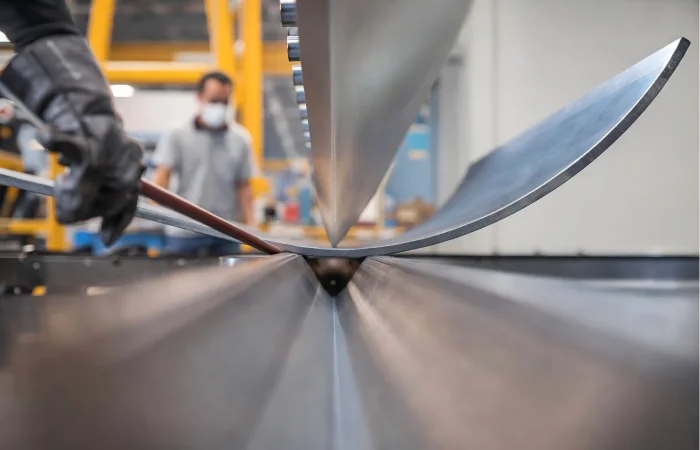
304/316 stainless steel offers excellent toughness and ductility, allowing it to withstand welding, stamping, bending, and other fabrication processes with minimal risk of cracking or material damage. Under long-term mechanical stress or high-frequency use, the material is able to maintain structural integrity, effectively reducing the risk of equipment failure.
201/202 stainless steel has lower toughness. Under prolonged stress or high-pressure conditions, it is more prone to cracking, deformation, or localized corrosion, which can increase maintenance requirements over time.
After polishing and passivation, 304/316 stainless steel presents a smooth surface with low porosity, making it easy to clean and maintain. It complies with food-grade standards such as FDA and NSF, allowing direct contact with drinking water and food, and meeting the requirements of high-hygiene environments.
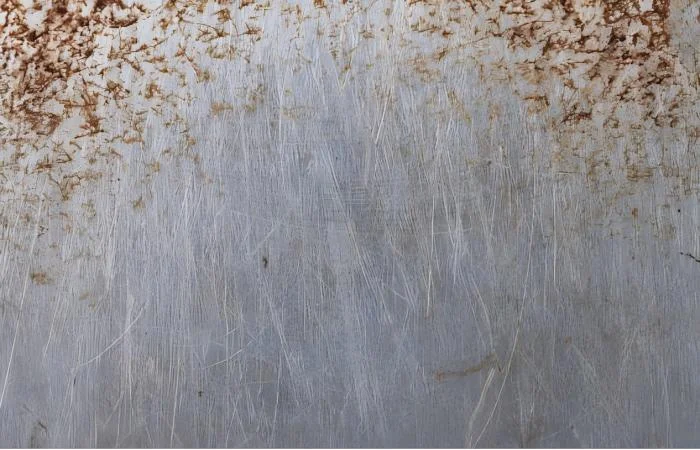
Due to limited corrosion resistance, 201/202 stainless steel is more likely to oxidize and rust over prolonged use, forming small pits on the surface. These areas can easily trap scale, food residue, and bacteria, making the material unsuitable for food, drinking water, or other hygiene-critical applications.
In commercial environments characterized by high-frequency use and strict requirements for hygiene and material stability, selecting 304/316 stainless steel is not merely a material decision—it is a strategic choice that directly impacts operational efficiency. Its superior corrosion resistance, toughness, and ductility allow equipment to maintain structural integrity even under prolonged exposure to moisture, cleaning agents, and heavy-duty conditions. Surfaces that have been properly polished and passivated are easier to clean and offer hygiene assurance, helping reduce compliance risks and strengthen end-user confidence. While the initial investment may be higher, the longer service life, lower maintenance costs, and reduced downtime deliver a superior return on investment over the full lifecycle of the equipment—while also supporting a more reliable product reputation in competitive markets.

In markets where stainless steel products are widely used and price competition is intense, the substitution of lower-grade materials for 304/316 stainless steel has remained a persistent issue. To reduce costs and increase margins, some manufacturers substitute lower-cost materials such as 201 or 202, applying brushed or polished finishes to mimic the appearance of 304/316—and in some cases, selling them outright under the 304/316 label. Because material grades are difficult to identify visually, material substitution and mixed inventory can occur within supply chains. As a result, equipment that is expected to be manufactured from 304/316 may unknowingly be produced using inferior materials.
While these "fake 304/316" products may appear acceptable in the short term, exposure to moisture, acidic or alkaline cleaners, or elevated temperatures often leads to rust spots and corrosion. In food and drinking water applications, this presents not only durability issues but also potential hygiene and safety risks.
In summary, 304/316 stainless steel is better suited for high-frequency, long-term operation, and applications with strict hygiene requirements—such as food service, drinking water systems, and public facilities—where material stability and operational safety must be maintained under complex conditions. By contrast, 201/202 stainless steel, with its more limited corrosion resistance and surface stability, is more appropriate for less demanding applications where environmental and hygiene demands are less stringent.
Note
In material selection, Bestware consistently uses 304/316 stainless steel, does not substitute with inferior materials, and does not compromise in areas invisible to the naked eye. We believe that reliable equipment is built on uncompromising material standards and a genuine respect for our customers' long-term operational safety, maintenance costs, and brand reputation. To learn more about the advantages of Bestware, please click here.
One-stop Solution Provider of Stainless Steel Commercial Faucets
Email: business@bestware-stainless.com
after-sales@bestware-stainless.com
Tel: +86 18929047065
WhatsApp: +86 18929047065


WeChat: +86 18929047065


Website: www.bestware-stainless.com(Global Site)
www.bestware-sparkling.com(Water Dispenser)
Add: Block 8, No. 6, Jianda Nan Road, Jiangmen, Guangdong, China
Copyright © Bestware Hardware Production Co., Ltd. All Rights Reserved.
(2).webp)
(1).webp)