Date: 2025-10-27
Recently, the U.S. Consumer Product Safety Commission (CPSC) announced that kitchen and bathroom faucets from nine brands sold on Amazon were found to have excessive lead leaching. Among them, over 100,000 units from three brands have already been recalled. The remaining six brands were issued public warnings after sellers failed to implement "an acceptable recall plan."

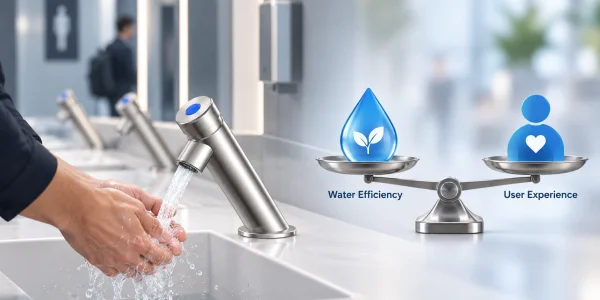
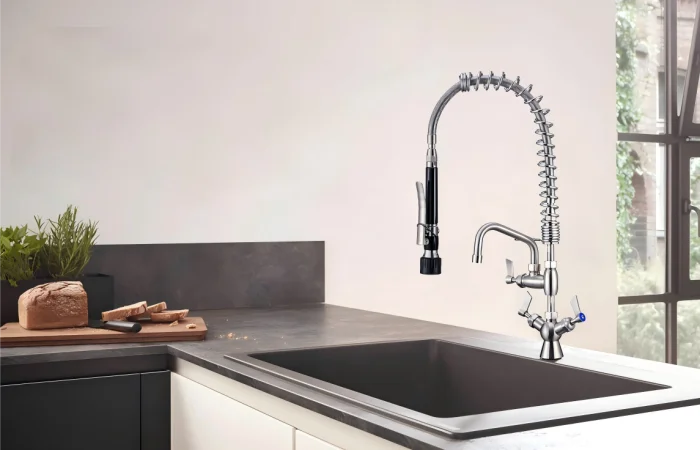
Image by freepik
CPSC Warns Consumers to Immediately Stop Using Certain Chinese-Made Faucets Sold on Amazon.com Due to Dangerous Lead Exposure for Infants, Young Children and Pregnant Women.
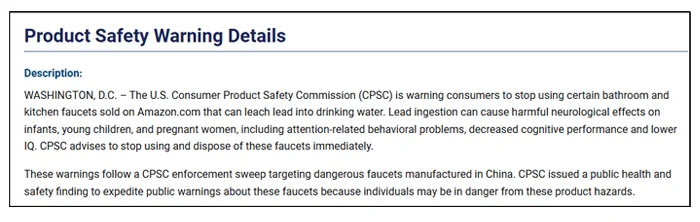
Lead intake may cause harmful neurological effects in infants, young children, and pregnant women, including attention-related behavioral issues, reduced cognitive performance, and lower IQ.
If Lead Is Harmful to the Human Body, Why Is It Still Used in Faucet Materials?
Lead exists in brass alloys in granular form. During machining, these lead particles serve as a lubricant, reducing friction between the tool and the workpiece. Leaded brass containing 2%–4% lead can increase cutting efficiency by 20%–30% and reduce tool wear by 40%–50%, significantly enhancing productivity and extending tool life.
In copper alloy casting, lead lowers the liquidus temperature and improves flowability. When lead content is 1.5%–3%, the mold-filling ability during pouring improves by 15%–25%, allowing better filling of complex molds and reducing casting defects.
Leaded copper alloys are less prone to surface tearing or burrs during machining. Lead particles fill microscopic surface defects, reducing surface roughness and resulting in a smoother finish.
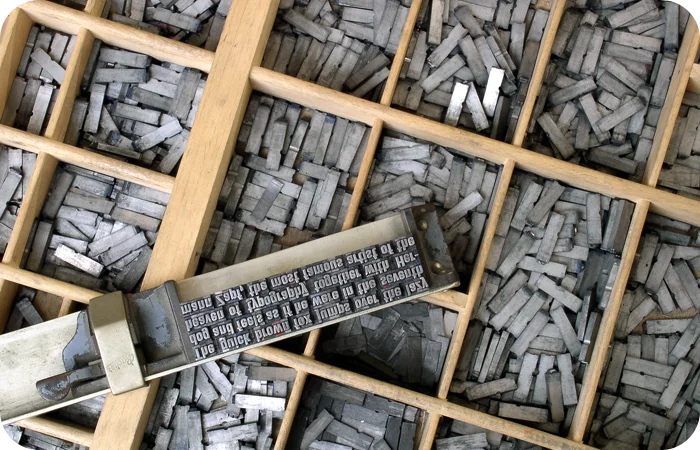
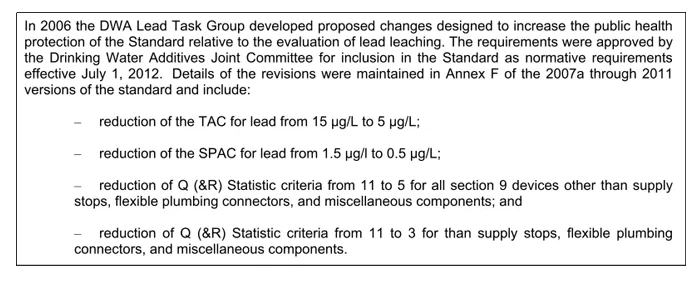
According to GB18145-2014, the allowable lead leaching amount is ≤ 5 μg/L.

Image by wirestock on Freepik
Currently, the EPA recognizes the following three certifications to verify lead-free compliance in plumbing products:
2.1 NSF/ANSI Standard 372
2.2 NSF/ANSI Standard 61, Annex G
2.3 California AB 1953, Section 116875
The specific standards are as follows:
Drinking Water System Components – Lead Content
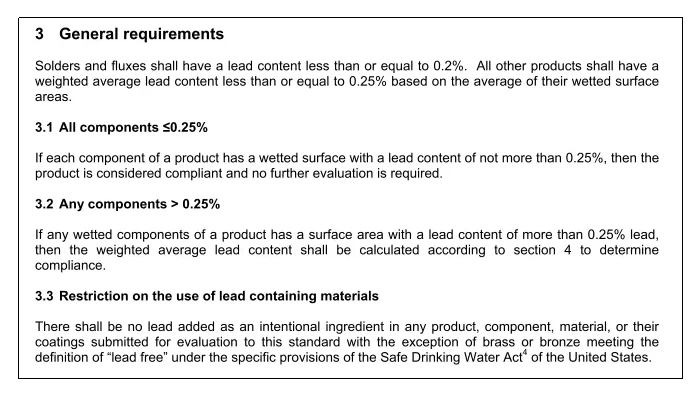
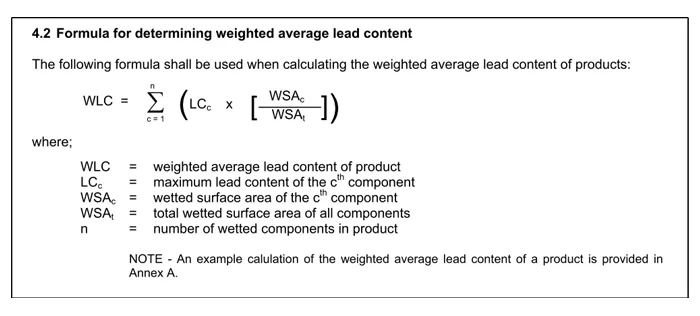
The lead content in solders and flux shall be less than or equal to 0.2%. For all other components, the weighted average lead content shall be less than or equal to 0.25% based on the wetted surface area.
2.1.1 All components ≤ 0.25%
If each component of the product has a lead content of no more than 0.25% on its wetted surface, the product is considered compliant and no further evaluation is required.
2.1.2 Any component > 0.25%
If any wetted component of the product has a lead content exceeding 0.25%, the weighted average lead content must be calculated to determine compliance.
NSF 61 is a U.S. national standard that sets minimum health effect requirements for chemical contaminants and impurities indirectly introduced into drinking water from products, components, and materials used in drinking water systems. It strictly regulates the leaching limits of 17 contaminants, including lead and cadmium, in equipment materials. The lead leaching limit must not exceed 5 μg/L.
AB 1953 California Health and Safety Code
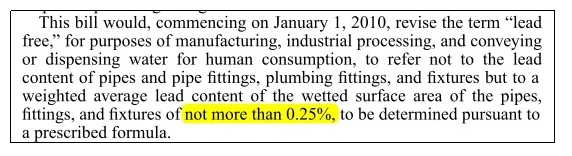
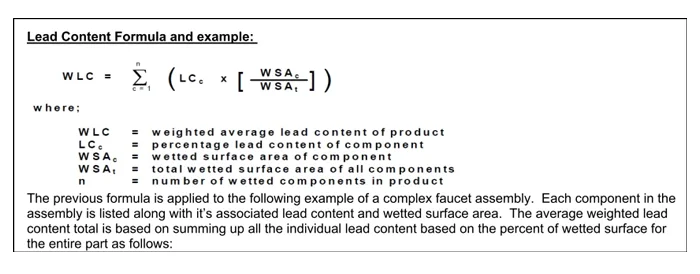
The California Assembly Bill 1953 defines "lead-free" as a weighted average lead content of no more than 0.25% for pipes, fittings, and fixtures used to convey water for human consumption.
The wetted surfaces of pipes, pipe fittings, plumbing fittings, and fixtures must have a lead content of no more than 0.25%, determined by weighted average.
The lead content in solders and flux must not exceed 0.20%.

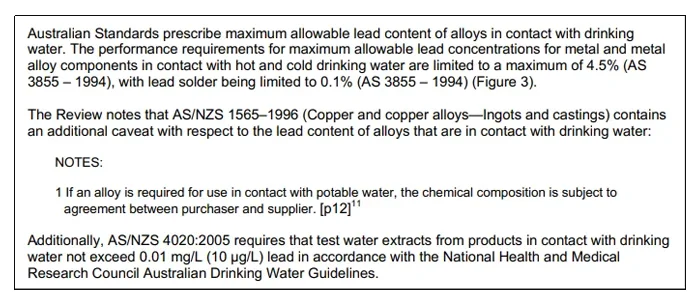
Australia's requirements on lead content in faucets are primarily reflected in the material safety standards for drinking water systems. According to the Australian drinking water safety standards (AS/NZS 3718:2014) and AS/NZS 4020:2018:
Australian standards specify the maximum allowable lead content in alloys that come into contact with drinking water. For metal and metal alloy components in contact with hot and cold drinking water, the maximum allowable lead content is limited to 4.5%, and the lead content in solder is limited to 0.1% (AS3855-1994).
AS/NZS 1565-1996 (Copper and Copper Alloys – Ingots and Castings) provides additional requirements for the lead content in alloys used in drinking water applications.
In addition, AS/NZS 4020:2005 requires that, based on the Australian Drinking Water Guidelines issued by the National Health and Medical Research Council, the lead content in water extract from products in contact with drinking water must not exceed 0.01 mg/L (10 μg/L).
4. Europe: 4MS-Initiative (4MSI)

Image by rawpixel.com on Freepik
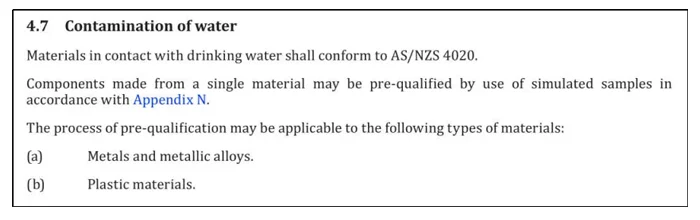
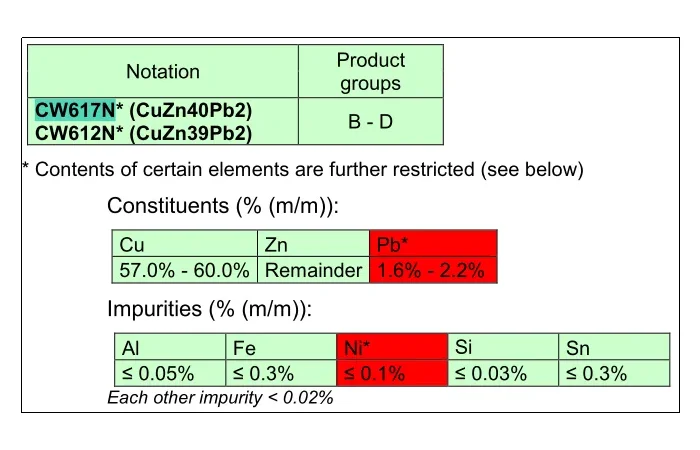
For sanitary products made of copper materials that come into contact with drinking water, the 4MS material standards apply.
Milled brass bar:
CuZn40Pb2 / CW617N
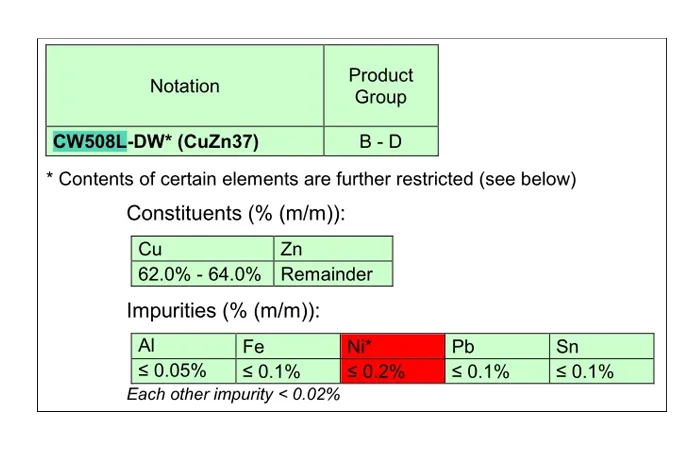
Brass tube:
CuZn37 (CW508L)
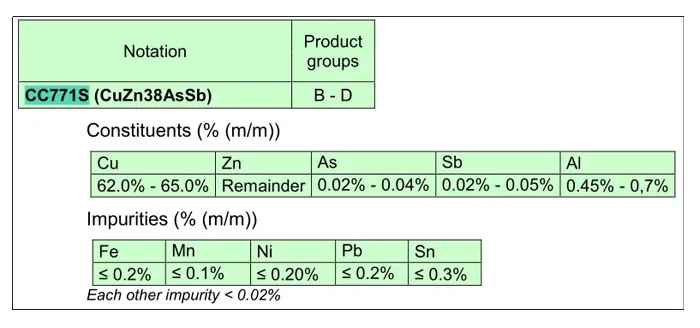
Casting brass:
CC770S / CC771S / CuZn35Al-C
The large-scale Amazon faucet recall has once again sounded the alarm for the entire industry — the health and safety of faucets must never be overlooked.
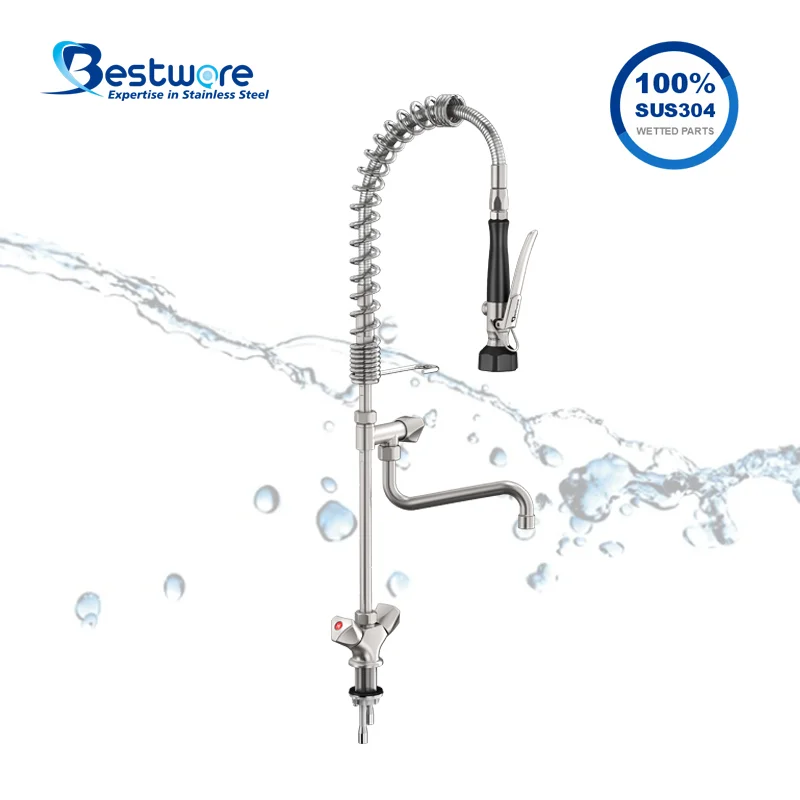
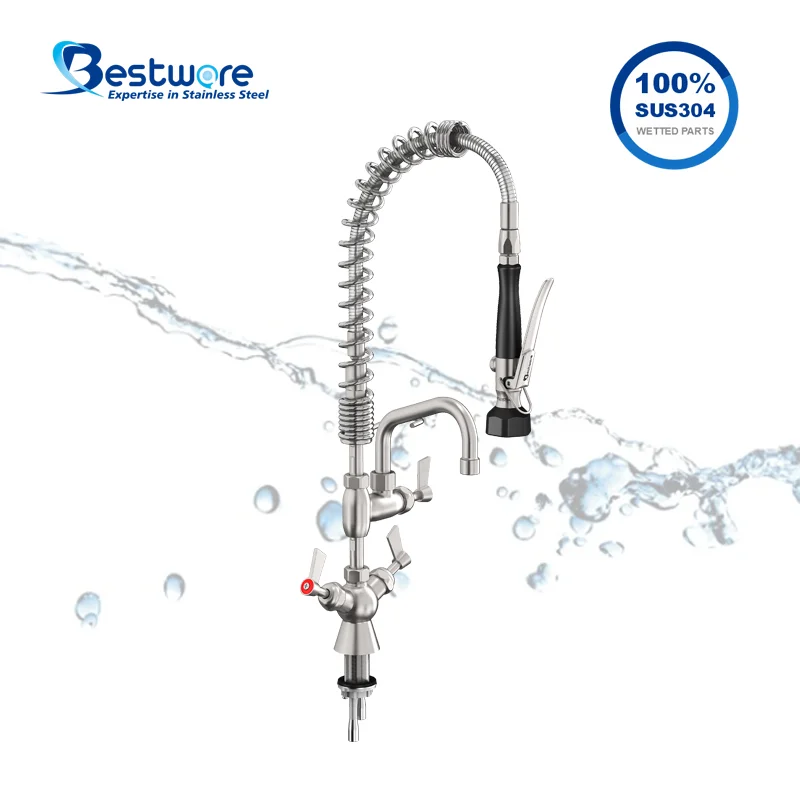
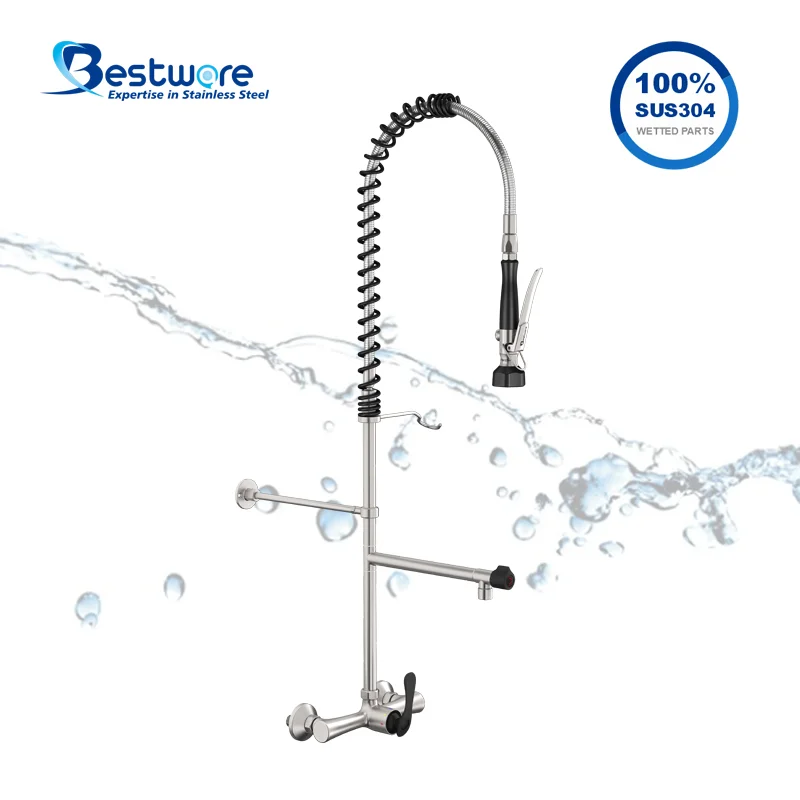
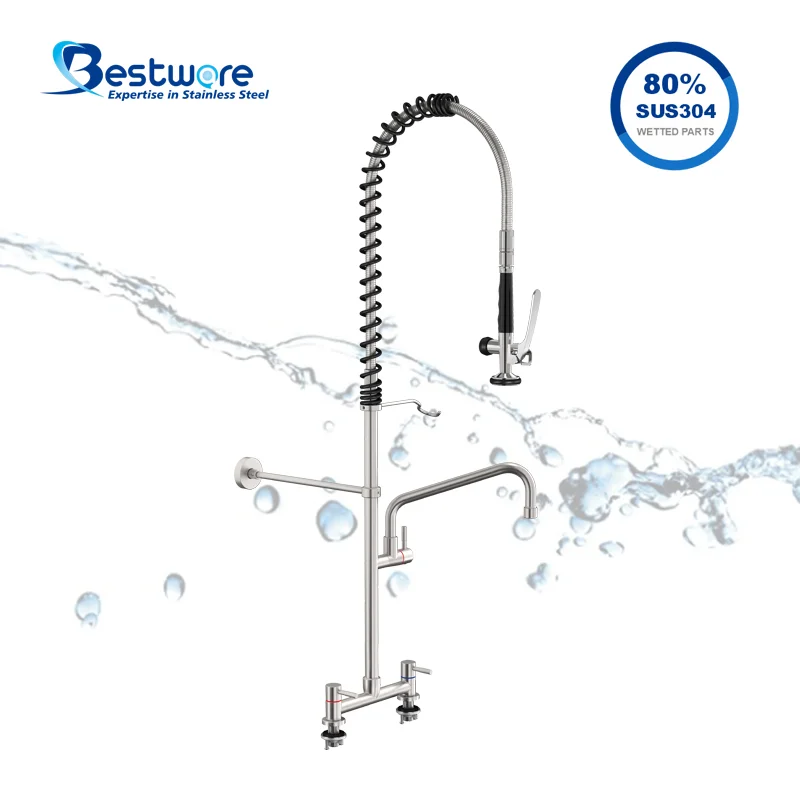
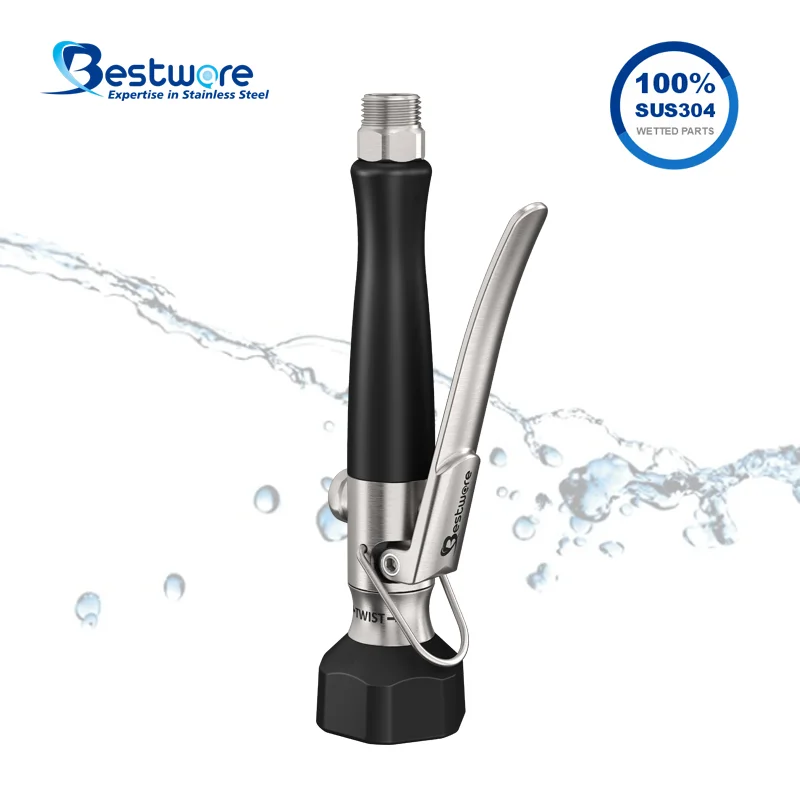
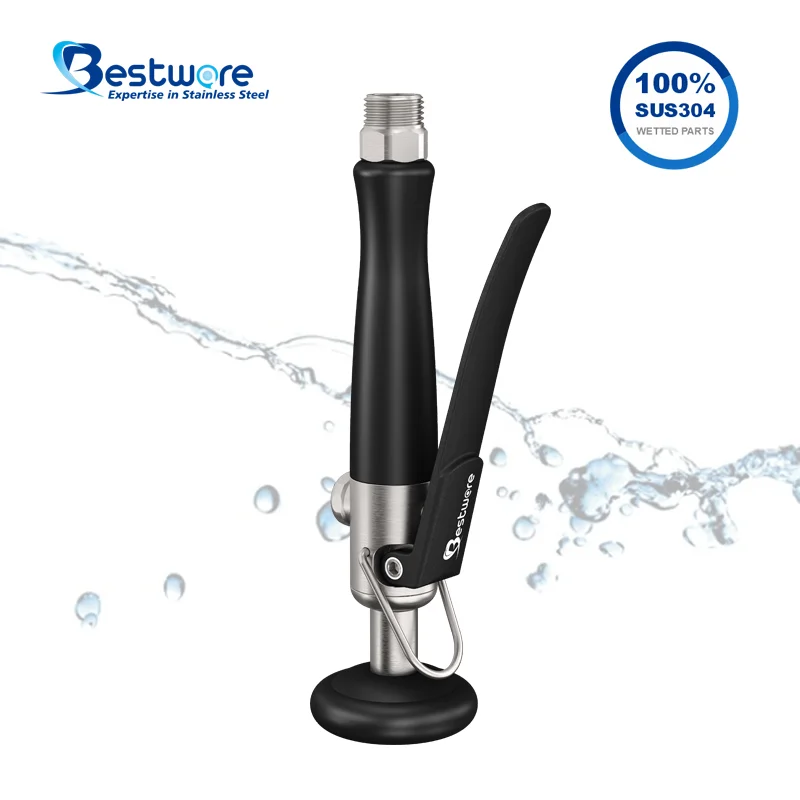
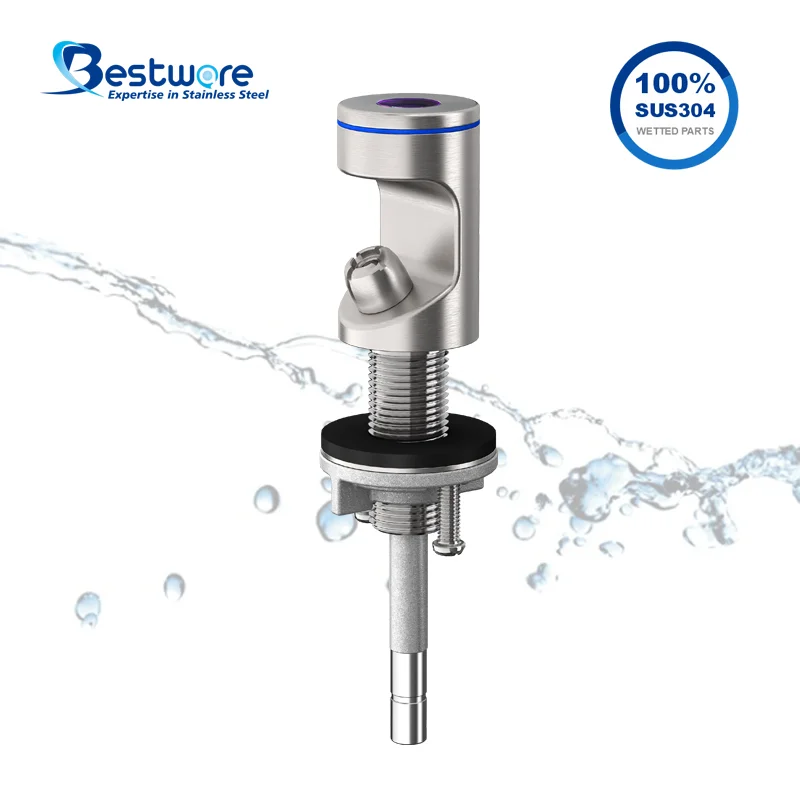
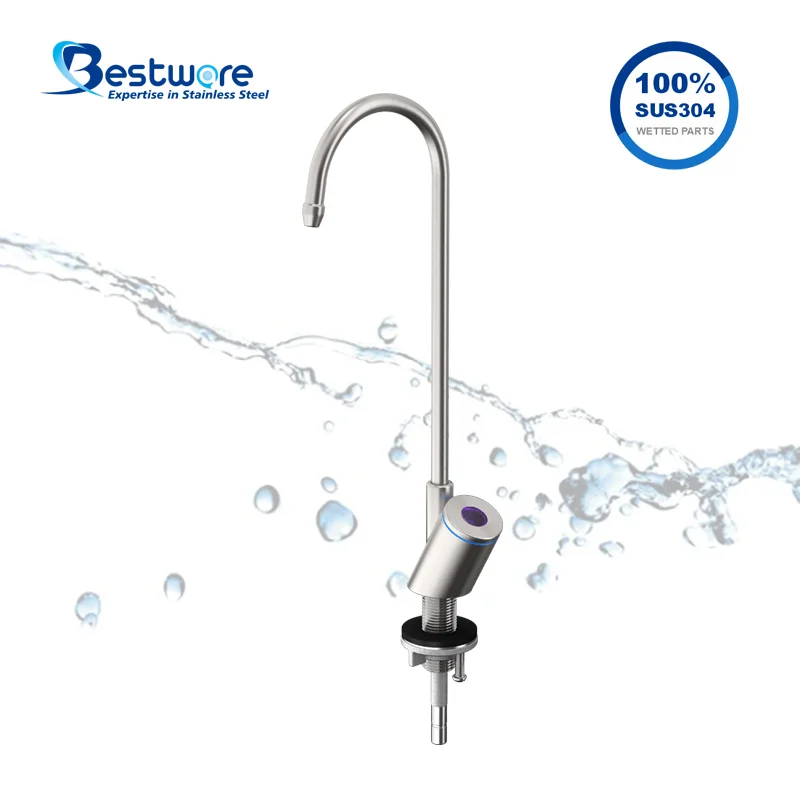
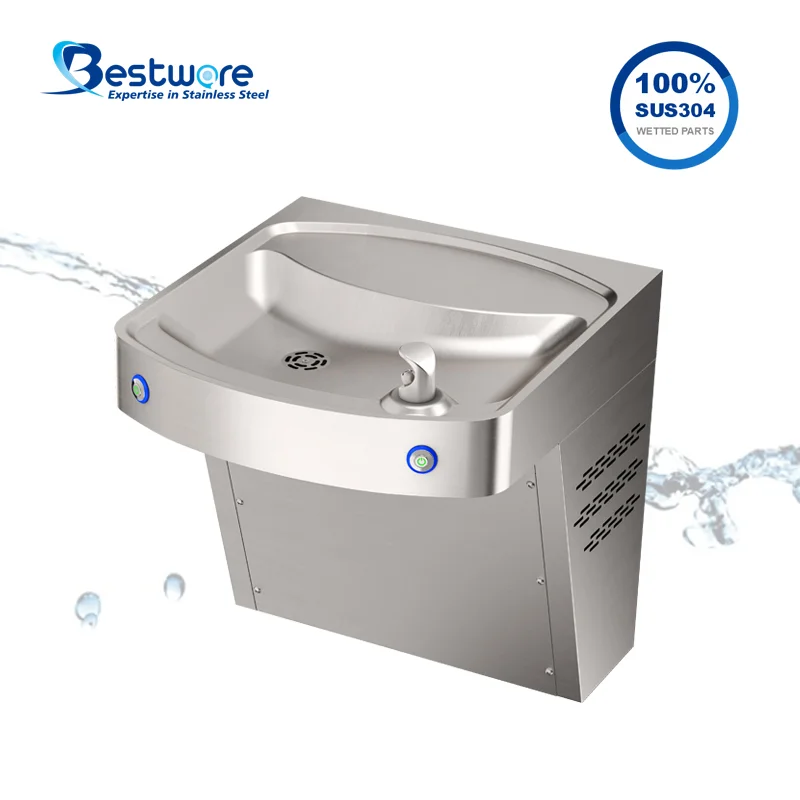
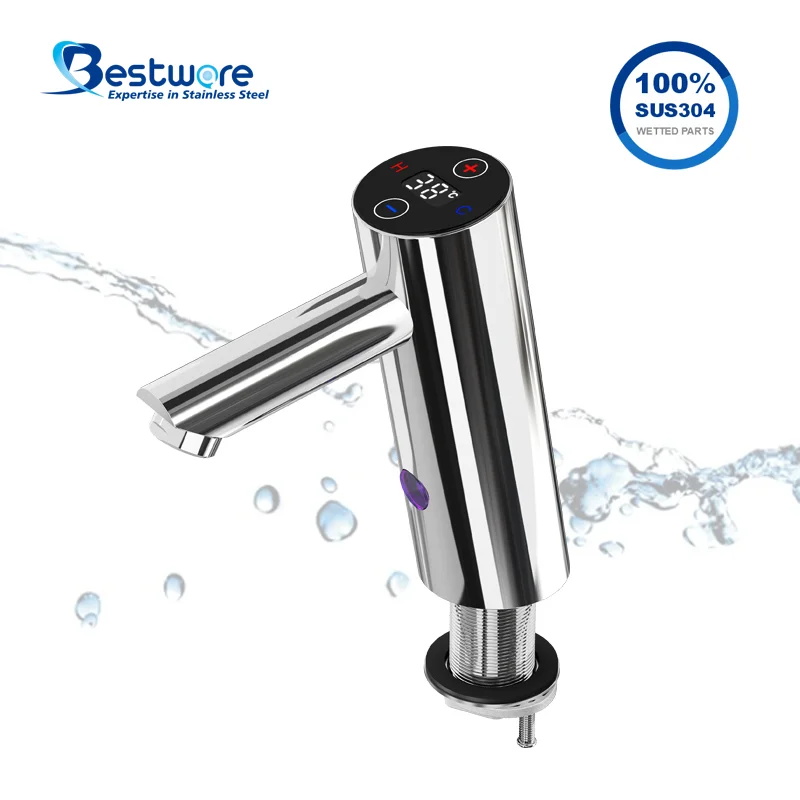
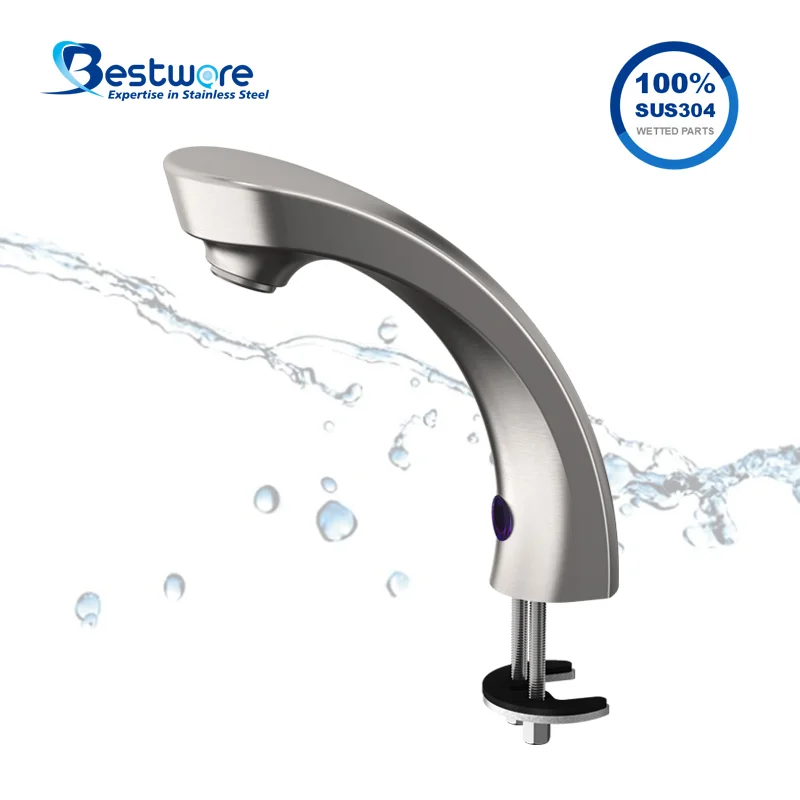
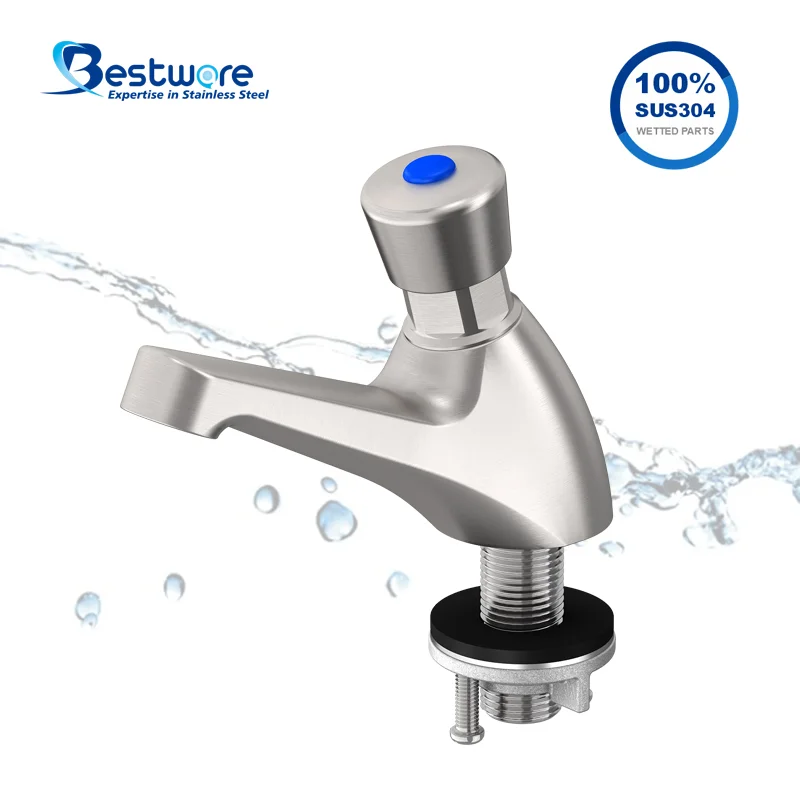
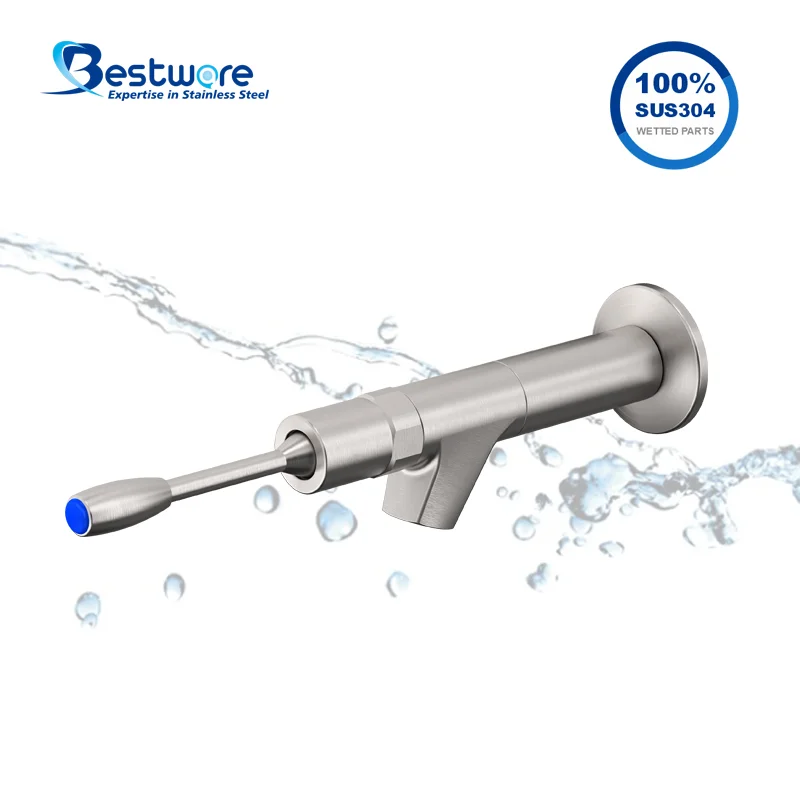
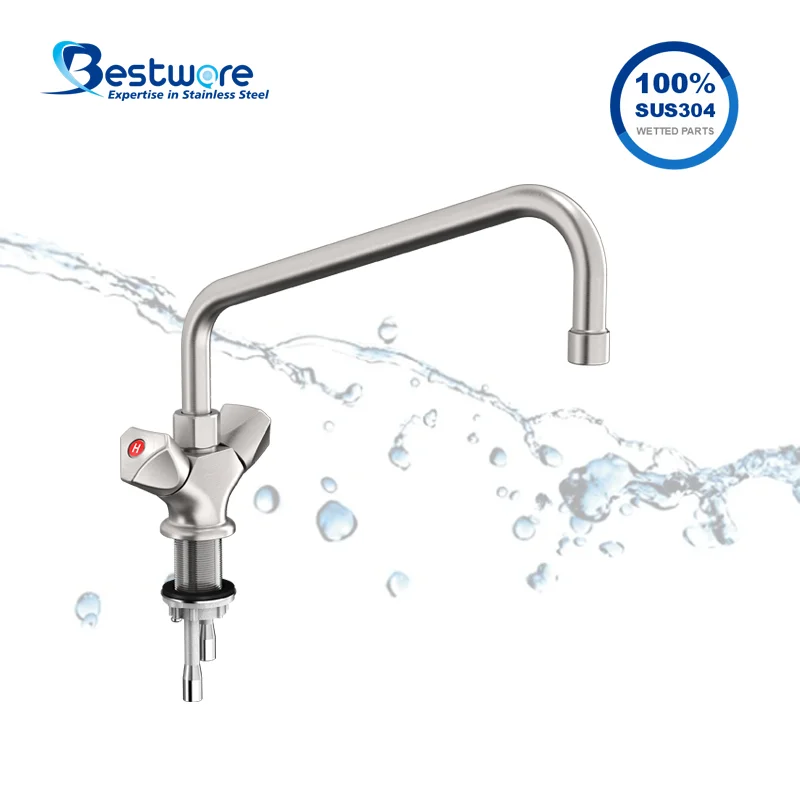
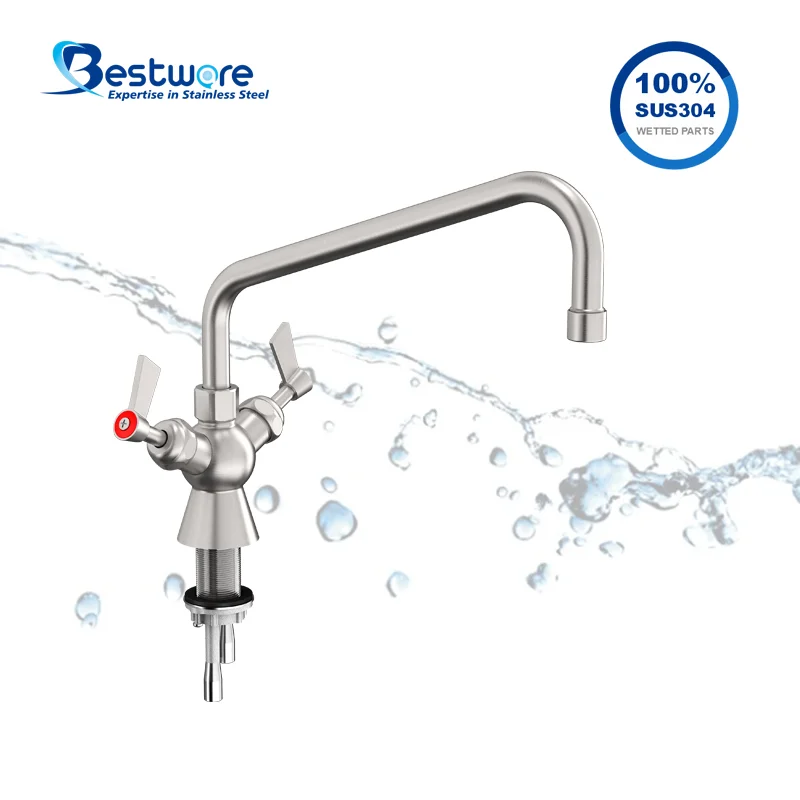
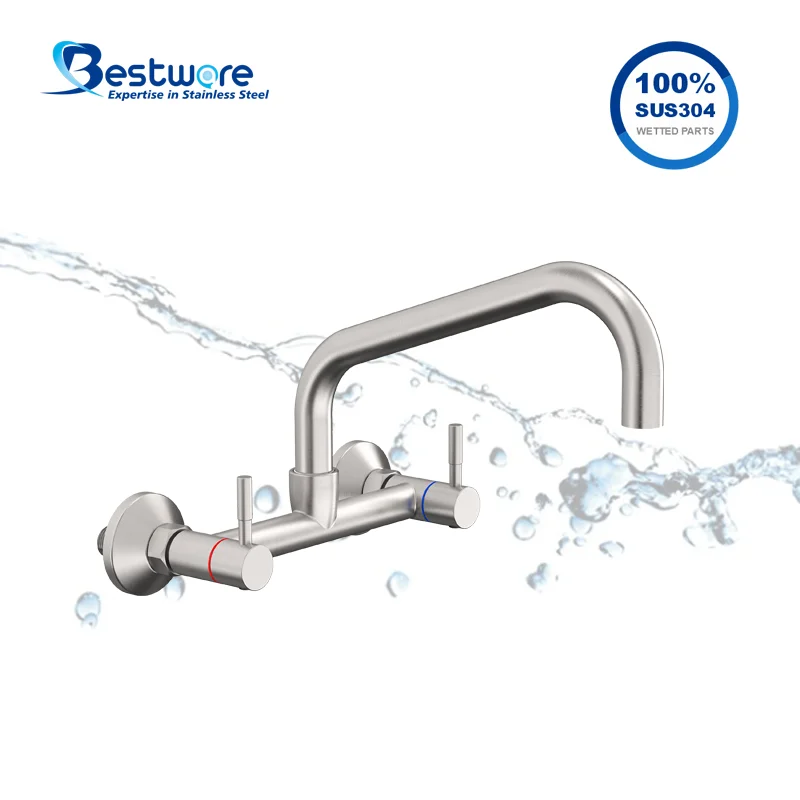
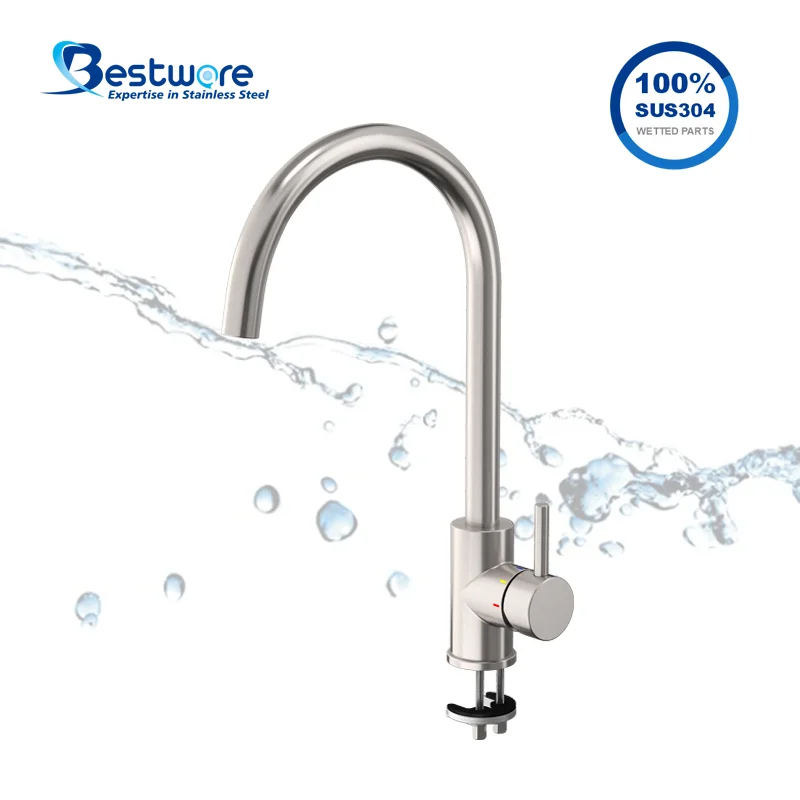
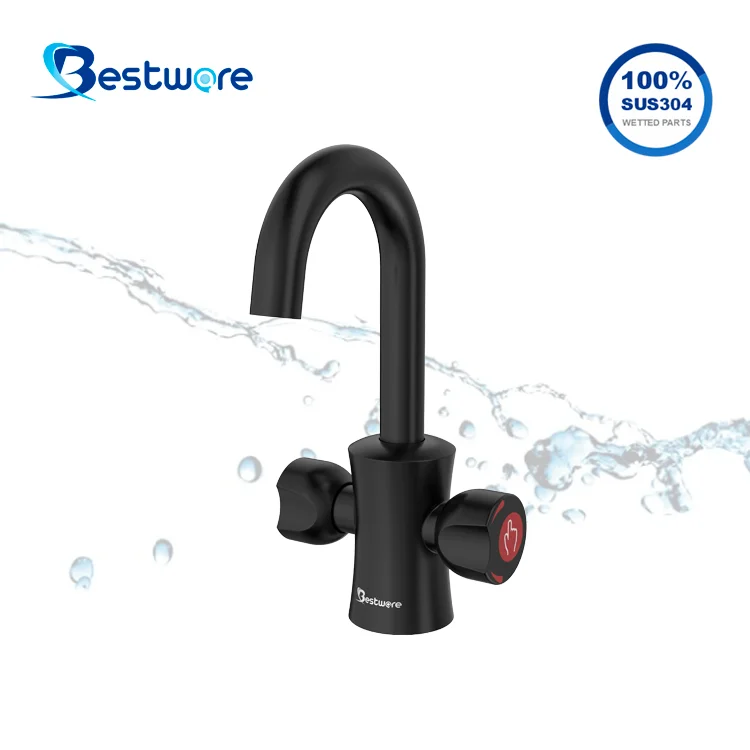
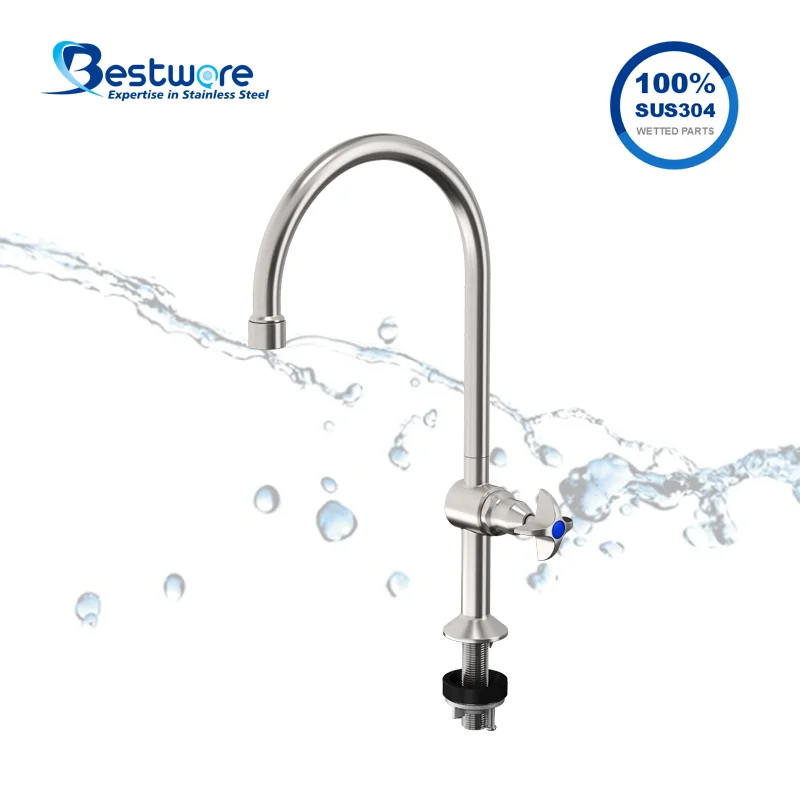
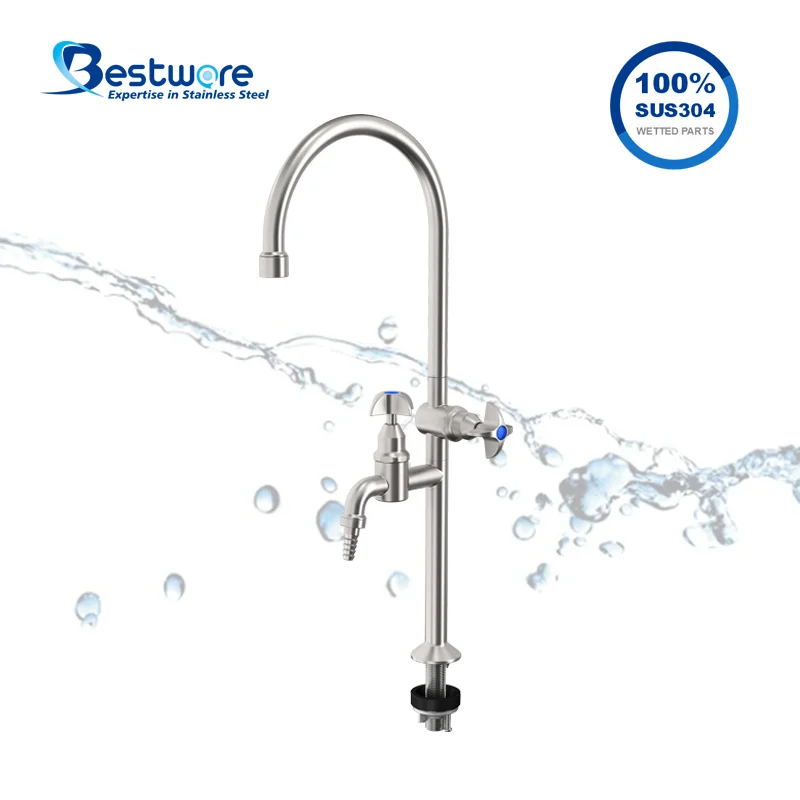
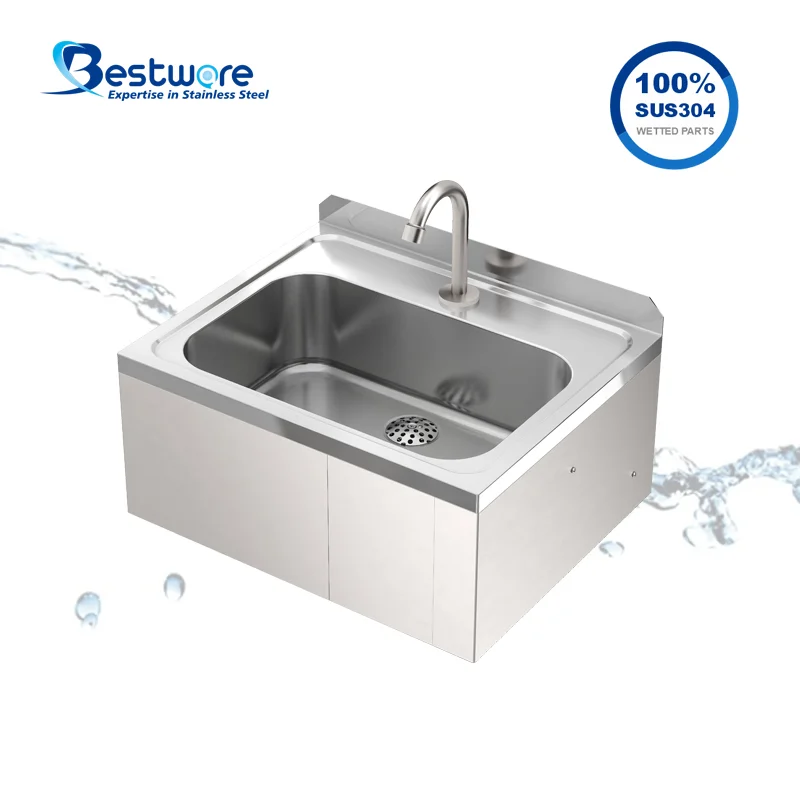
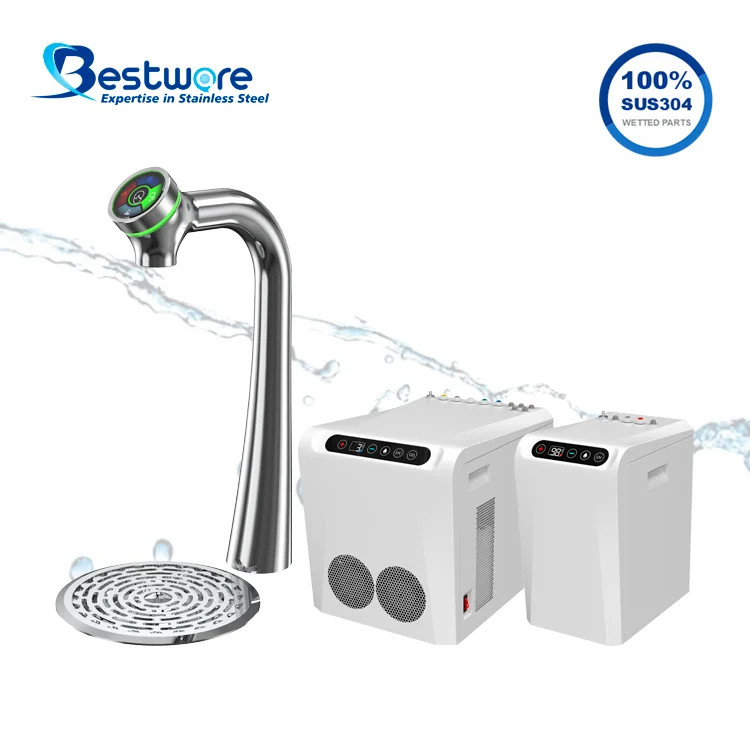
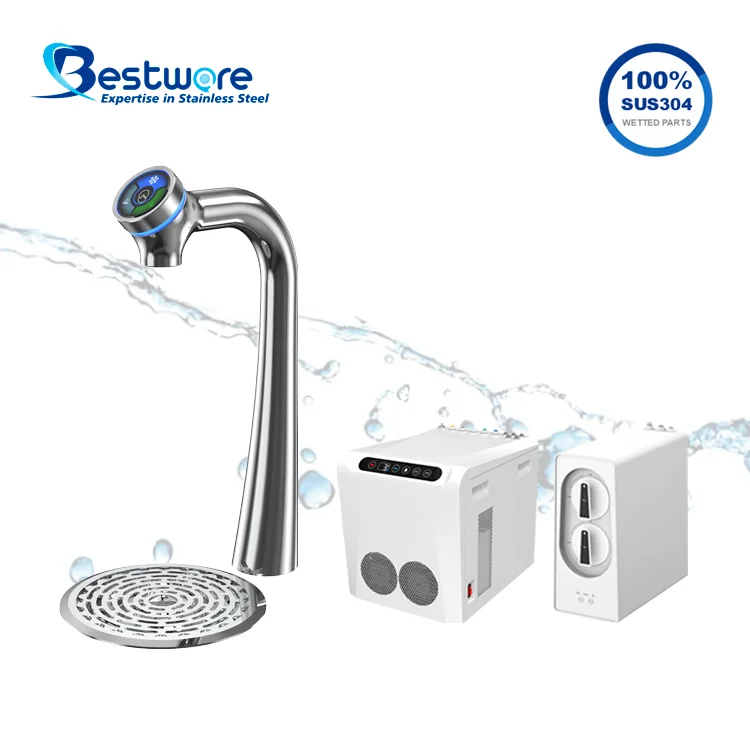
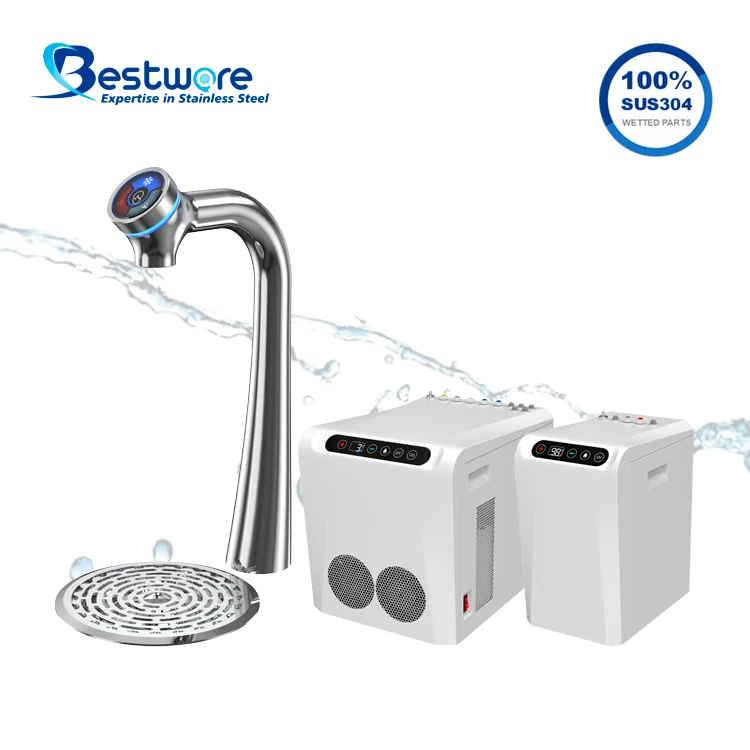
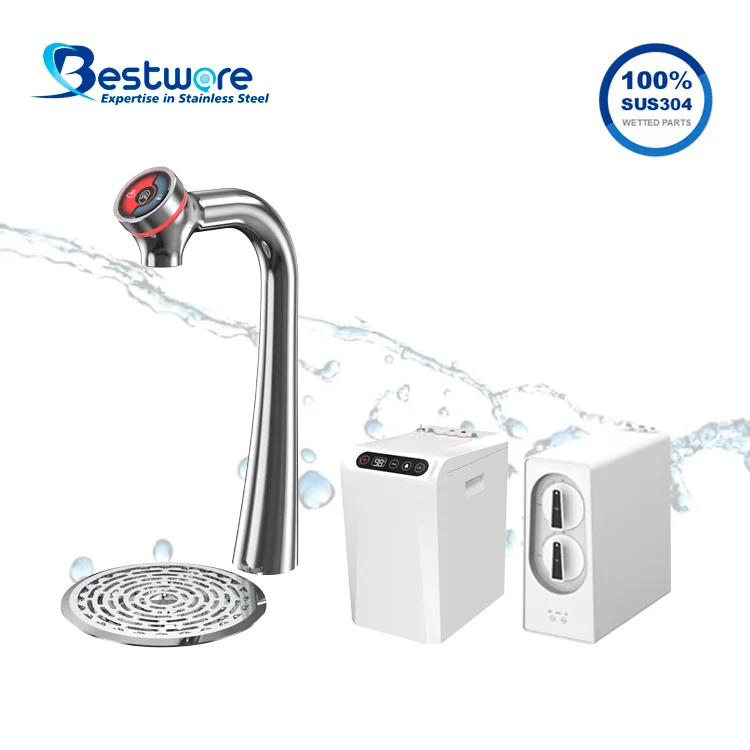
At Bestware, we have always insisted on replacing traditional leaded brass with food-grade stainless steel, eliminating heavy metal contamination at the source. We are dedicated to lead-free, safer, and more durable commercial faucet solutions, and have been leading the stainless steel revolution in the industry for years through proprietary core technologies.
In the field of commercial faucets, Bestware remains a top-tier, one-stop provider of stainless steel solutions. We are one of the earliest integrated manufacturers with deep technical expertise and mature craftsmanship in the stainless steel commercial faucet industry. Choosing Bestware means choosing both health and professional assurance.
This content is excerpted from publicly available online sources.
One-stop Solution Provider of Stainless Steel Commercial Faucets
Email: business@bestware-stainless.com
after-sales@bestware-stainless.com
Tel: +86 18929047065
WhatsApp: +86 18929047065


WeChat: +86 18929047065


Website: www.bestware-stainless.com(Global Site)
www.bestware-sparkling.com(Water Dispenser)
Add: Block 8, No. 6, Jianda Nan Road, Jiangmen, Guangdong, China
Copyright © Bestware Hardware Production Co., Ltd. All Rights Reserved.
(2).webp)
(1).webp)