
Date: 2025-10-20
In commercial settings such as restaurants, food processing facilities, and hotels, pre rinse faucets are essential fixtures in kitchens and cleaning areas. As the core component of a pre rinse faucet, the spray valve plays a decisive role in determining overall rinsing efficiency and user experience. For B2B buyers, choosing the right spray valve not only enhances operational efficiency but also helps control costs and ensures hygienic safety. This guide provides a detailed overview of key factors B2B buyers should consider when selecting a spray valve.
Selecting a spray valve involves multiple factors such as material, structural configuration, and user experience. These critical aspects not only affect the performance of the pre rinse faucet but also impact its operational efficiency and maintenance costs. Understanding and systematically reviewing these core purchasing factors helps buyers develop informed selection strategies tailored to various commercial environments, ensuring a precise match between configuration solutions and application scenarios.
In the commercial setting, the spray valve serves as the core component of a pre rinse faucet, and its material selection directly affects their service life, hygiene safety, and operating costs. 304 stainless steel and brass are the main materials on the market, but they differ significantly in safety, durability, environmental impact, and maintenance costs. The table below compares the two across several key factors:
|
Item |
Brass |
Stainless Steel |
|---|---|---|
|
Safety |
Contains lead and may develop verdigris, posing health risks |
Lead-free and safe for health |
|
Hardness |
80-110 HB |
170-200 HB, about twice that of brass |
|
Eco-friendliness |
Recyclable but requires lead removal; involves electroplating, which generates heavy metal wastewater. Short coating life leads to frequent replacements and resource waste. |
100% recyclable with no pollution during melting and no chemical pre-treatment required; involves no electroplating, thus avoiding heavy metals and wastewater. Its long service life and low resource consumption make it a sustainable, eco-friendly material. |
|
Ease of Maintenance |
Once the electroplated coating is damaged, exposed brass oxidizes easily, causing rust and surface roughness, which lowers cleaning efficiency. |
Smooth and oxidation-resistant; resists dirt accumulation and becomes shinier with continued use and cleaning |
|
Long-term Benefit |
Lower cost but lower hardness, easy to wear, poor oxidation resistance, prone to verdigris. Higher maintenance costs, limited service life. Risk of lead leaching may affect health over time. Overall cost-effectiveness is low |
Higher price, but superior in hardness, oxidation resistance, and ease of maintenance. Far longer service life than brass, delivering significant long-term value. Its lead-free, verdigris-free properties offer unmatched health advantages |
These advantages make stainless steel better suited to high-frequency, high-wear commercial and public environments. In addition, as more countries enact regulations restricting the use of brass (lead) and chrome plating, the industry is undergoing a stainless steel revolution, with stainless steel gradually replacing brass as the preferred material for the next generation of commercial faucets.
It's worth noting that there are two types of low-lead brass on the market: low-lead brass and lead-free brass. Both are typically made by increasing the copper purity of H62 brass. Though they perform better in terms of health and safety, brass is naturally soft, and higher copper purity further reduces hardness. As a result, their hardness, durability, and service life remain significantly lower than those of stainless steel. In addition, higher copper purity also drives up raw material costs. Combined with rising electroplating costs in recent years, even the use of more eco-friendly trivalent chromium plating still leads to higher manufacturing expenses. In summary, brass faucets are no longer competitive with stainless steel in long-term value and overall performance.
In heavy-use commercial settings, spray valves need to meet higher standards for structural design and material selection, thereby directly affecting system stability and maintenance costs. In view of the differences in materials, manufacturing processes, and functional design of key components, this section systematically compares common and upgraded configurations across seven key aspects. This helps buyers make more targeted purchasing decisions based on their application scenarios and performance requirements.
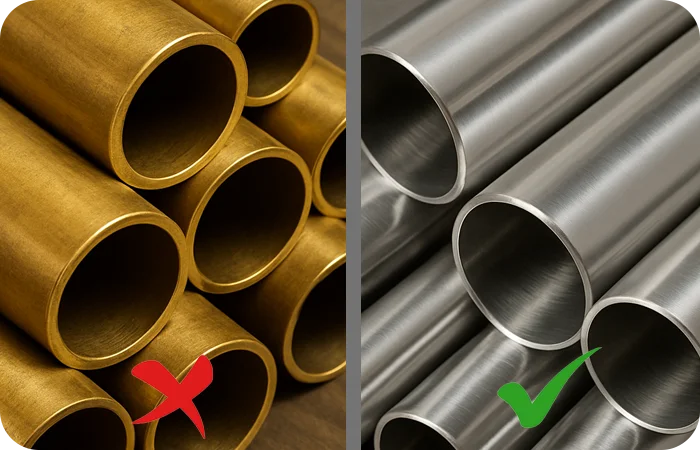
Common spray valves' wetted parts are made of brass, while premium spray valves' wetted parts are made of stainless steel. Brass may contain lead, is relatively softer, and more prone to damage. Stainless steel is lead-free, durable, oxidation-resistant, eco-friendly, and recyclable.
2.2 Spray Mode
Common spray valves require nozzle replacement to switch functions, which is inconvenient and increases the risk of losing parts. In contrast, premium spray valves allow switching between two spray modes simply by rotating the nozzle, making operation much easier.
2.3 Hydraulic Buffer Structure
Common spray valves typically lack a hydraulic buffer mechanism, making them more prone to water hammer during use, which affects system stability. In contrast, premium spray valves are engineered with an integrated hydraulic buffer that effectively absorbs water hammer shock and protects the plumbing system. In addition, this design enhances operating comfort, reducing user fatigue during extended use.
2.4 Mirror Finish
Common spray valves typically lack mirror-finish treatment on the valve stem sealing surface, resulting in higher surface roughness that increases friction and wear, thereby compromising sealing performance and shortening service life. In contrast, premium spray valves undergo mirror-finish processing, effectively reducing contact surface resistance to improve smoothness of operation and sealing integrity, ultimately extending the overall lifespan of the product.
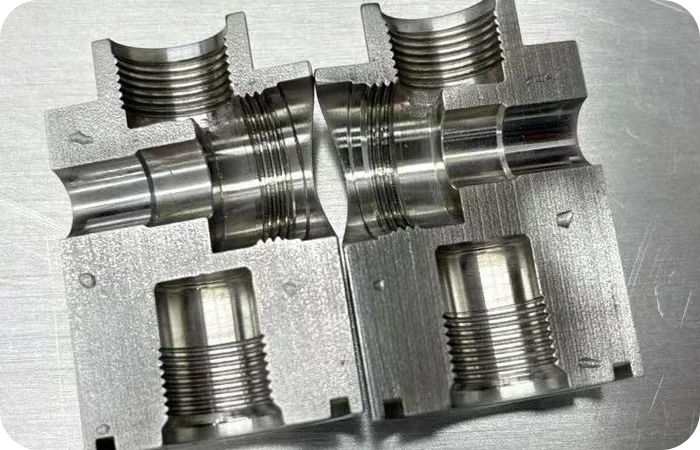
Common spray valves typically lack a shock absorbing ring, while premium spray valves are equipped with one, which effectively enhances the smoothness of operation and extends the product's service life.
2.6 Handle Pad
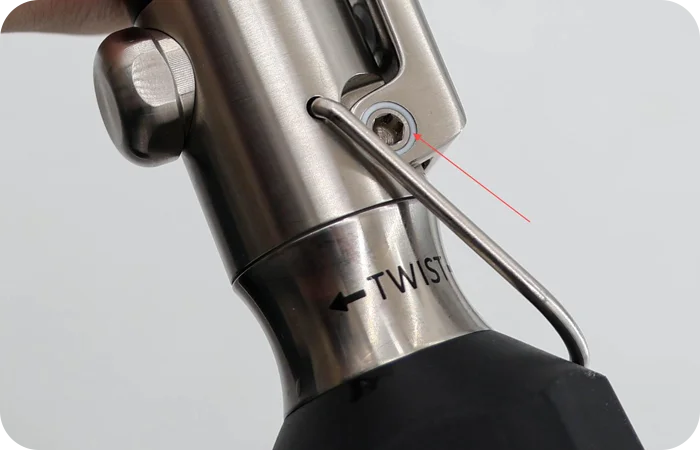
Common spray valves are not equipped with anti-slip pads. In contrast, premium spray valves feature a food-grade silicone anti-slip pad at the contact point between the handle and valve stem. This pad protects the mating surfaces from wear and slippage, enhances structural stability and durability, improves the smoothness of operation, and extends the service life of the product.
2.7 Finish
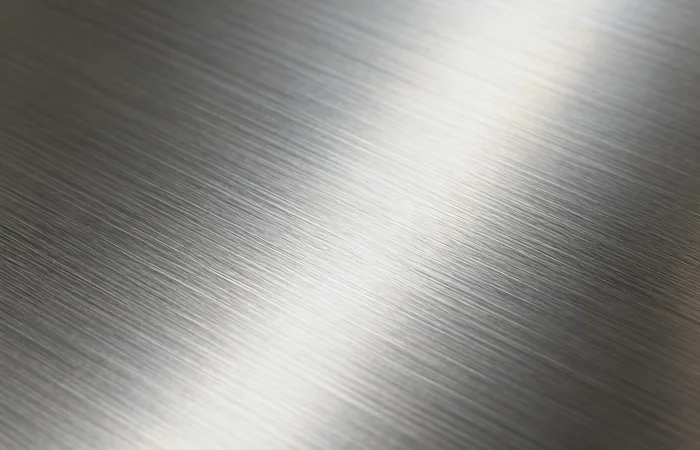
Common spray valves typically have electroplated finishes, while premium spray valves feature brushed finishes. Electroplated coating peels easily and is hard to maintain, whereas brushed finish is durable and easy to maintain.
User experience has become a key factor in commercial purchasing decisions. An excellent user experience not only enhances operational efficiency but also helps reduce the complexity of daily maintenance and overall operating costs. This section offers a brief comparison between low-quality and premium spray valves in terms of operating comfort and ease of installation to support purchasing decisions.
Low-quality spray valves often lack ergonomic design and hydraulic buffering, resulting in a stiff feel and user fatigue during prolonged use. They are also more prone to water hammer, which can damage the plumbing system. In contrast, premium spray valves feature an ergonomic design and an integrated hydraulic buffer that significantly improve the smoothness and comfort of operation, while effectively mitigating water hammer impact. This not only enhances user experience but also extends the service life of the entire system.
Low-quality spray valves require nozzle disassembly to switch spray modes, making operation inconvenient and increasing the risk of losing parts. In contrast, premium spray valves feature a rotary mechanism that enables quick switching between spray modes, greatly improving user convenience.
Price is an important factor when purchasing, but value better reflects the actual performance of the product. Overall value encompasses operational efficiency, durability, and hidden costs. A high-quality product helps reduce maintenance expenses and operational risks, delivering long-term economic benefits.
In commercial settings, efficiency and durability are the core elements for evaluating value. For example, a high-performance spray valve featuring ergonomic design and precise water flow control can greatly improve cleaning efficiency. This not only reduces operator fatigue but also helps optimize overall operational performance and enhance customer satisfaction. In terms of durability, premium products can withstand frequent use, lowering the risk of failure and reducing the frequency of after-sales repairs. In contrast, low-quality spray valves may offer lower initial costs but tend to wear out quickly and require frequent maintenance. Over time, this leads to higher total expenditures—especially in regions like North America and Europe, where the high cost of labor amplifies the financial burden of repairs.
Hidden costs often stem from product failures and can include repair and replacement expenses, customer complaints, and operational disruptions. For instance, low-quality spray valves are typically made of brass, which is far less durable than 304 stainless steel. They are more prone to loosening and leaking under frequent use, resulting in ongoing maintenance. In addition, their designs often lack ergonomic consideration, leading to operator fatigue and inefficiency, which further drives up labor costs.
Therefore, when selecting a spray valve, it's important to look beyond price and focus on overall value in use. Choosing a product that is truly durable, efficient, and easy to maintain is key to achieving cost control and long-term benefits.

5. Manufacturer Type
The pre rinse faucet market features a diversified manufacturer landscape, which can be categorized into three primary types. Each type demonstrates distinct characteristics in material selection, technical expertise, and product positioning strategies. Analyzing manufacturers' professional competencies and industry experience provides valuable reference for clients seeking optimal partners.
Comprehensive manufacturers play a key role in the pre rinse faucet market. Many of them have decades of industry experience and originally focused on brass products. Over time, they have built a solid market presence through sustained industry development. With the growing popularity of stainless steel, they quickly respond to market trends. Leveraging their strong capabilities, they expanded into both brass and stainless steel product lines, building complete R&D and production systems.
This multi-material, full-supply-chain model has become a key competitive advantage, enabling them to secure a strong foothold in the high-end segment of the market. However, the transition has not been without challenges. Manufacturers long reliant on traditional brass production face dual challenges of equipment upgrades and process transformation when shifting to stainless steel production. They must not only bear the high cost of acquiring new equipment, but also overcome challenges related to technical adaptation and manufacturing process refinement. However, as technology continues to advance and market adoption deepens, these manufacturers are gradually overcoming obstacles through persistent efforts. Their stainless steel products are increasingly present in commercial kitchens and public facilities worldwide, demonstrating strong channel penetration capabilities.
Manufacturers specializing in brass production are mainly based in China and vary widely in quality. They have developed mature experience in brass processing and have built cost advantages over time. While generally more conservative in material innovation and technological advancement, they benefit from large-scale production capacity and well-established supply chains, enabling them to efficiently deliver high volumes of standardized products. For buyers who prioritize cost-efficiency over premium quality and do not require stainless steel options, brass-focused manufacturers offer a cost-effective solution.
In recent years, as stainless steel materials have become widely used in the commercial faucets sector, stainless steel-focused manufacturers have quickly emerged as key innovators driving industry progress. They concentrate on processing 304/316 stainless steel, excelling in corrosion resistance, structural stability, and manufacturing consistency. Their products fully meet the demands of commercial environments requiring high durability and strict hygiene, offering reliable solutions for customers seeking premium quality, rigorous standards, and lead-free safety. In a commercial market that increasingly values product quality and health standards, stainless steel-focused manufacturers are steadily gaining customer favor with their technical expertise, demonstrating strong growth potential.
When purchasing pre rinse faucets, it is essential to ensure compliance with relevant national or industry hygiene and safety standards. Common certifications include WRAS, cUPC, Lead Free, and NSF/ANSI 61, each corresponding to specific regulatory and safety requirements for drinking water systems in different countries or regions. Choosing certified products helps safeguard water quality, reduce health risks, and meet hygiene regulations in public and commercial settings. Additionally, compliance certifications play a key role in supply chain management, project bidding, and final inspections, helping customers meet local regulatory requirements and improve project approval rates.

Image by freepik
The selection of the right spray valve involves several key factors, including material, component configuration, user experience, overall value, manufacturer type, and compliance certifications. Together, these factors determine the product's performance and overall operational efficiency. Buyers should evaluate the product's reliability, operational efficiency, and long-term value based on their specific application needs, to achieve a more sustainable return on investment and ensure operational stability.
Note
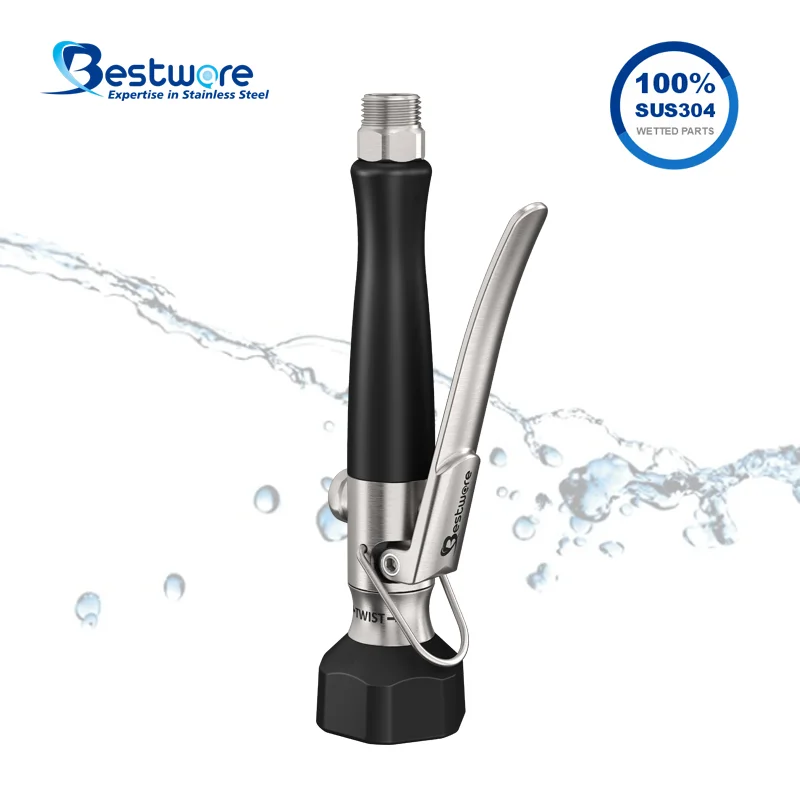
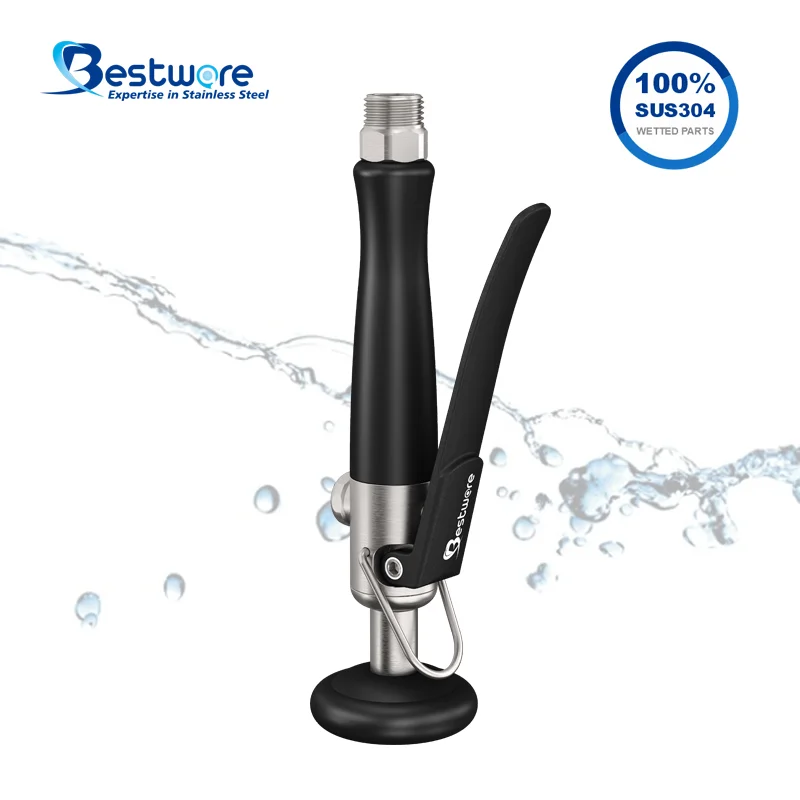
Bestware's premium spray valves are made of SUS304 and feature ergonomic designs that reduce muscle strain by 75%, increase rinsing efficiency by 3 times, and are compatible with most commercial pre rinse faucets on the market—helping you easily handle demanding kitchen tasks.
Want to learn more about the features and selection tips for each model? Click here to view the complete buying guide.
One-stop Solution Provider of Stainless Steel Commercial Faucets
Email: business@bestware-stainless.com
after-sales@bestware-stainless.com
Tel: +86 18929047065
WhatsApp: +86 18929047065


WeChat: +86 18929047065


Website: www.bestware-stainless.com(Global Site)
www.bestware-sparkling.com(Water Dispenser)
Add: Block 8, No. 6, Jianda Nan Road, Jiangmen, Guangdong, China
Copyright © Bestware Hardware Production Co., Ltd. All Rights Reserved.
(2).webp)
(1).webp)