Date: 2026-10-26
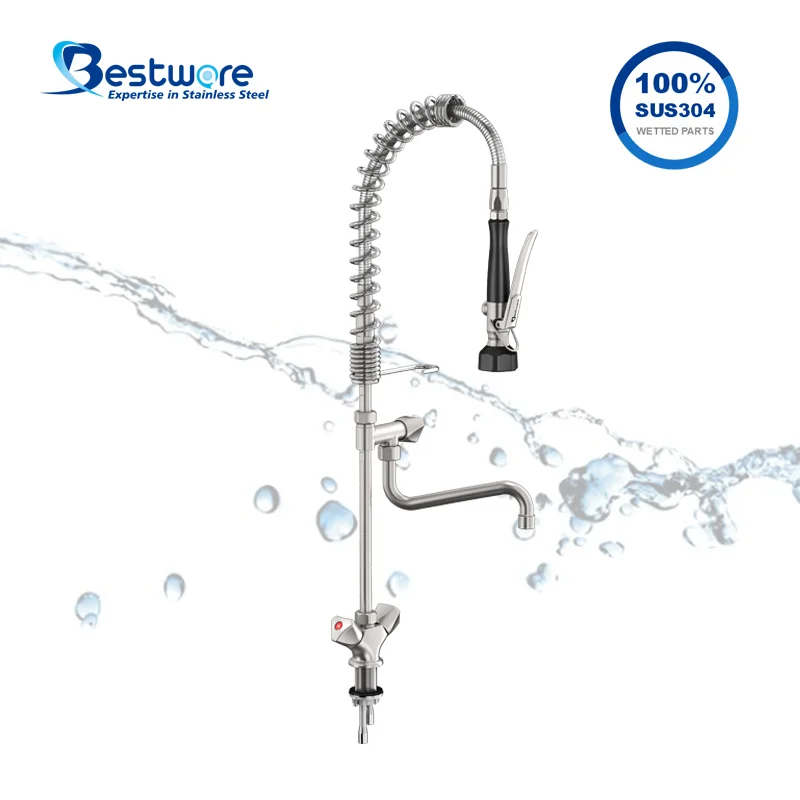
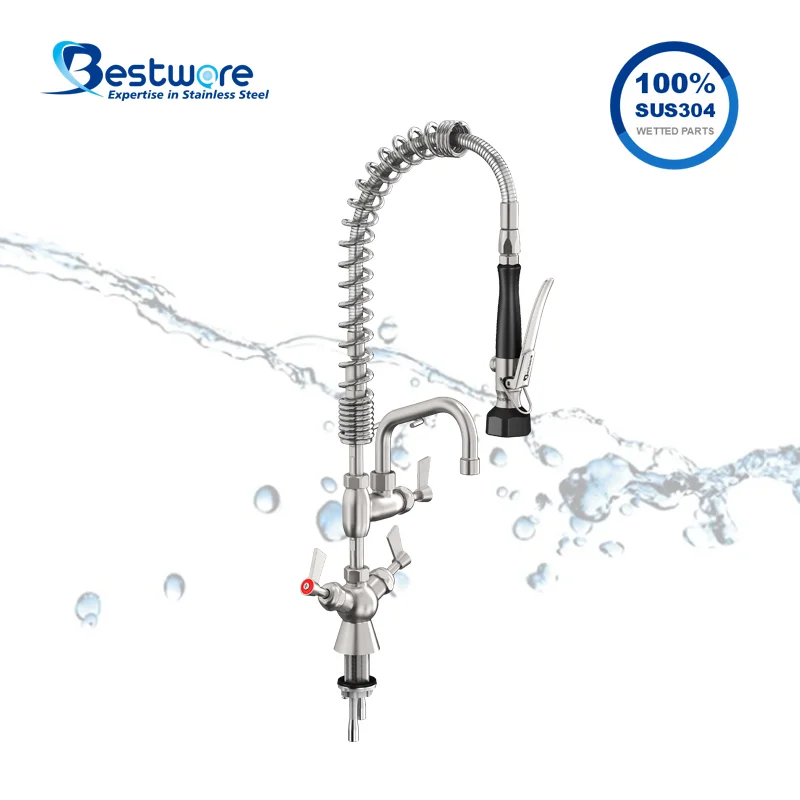
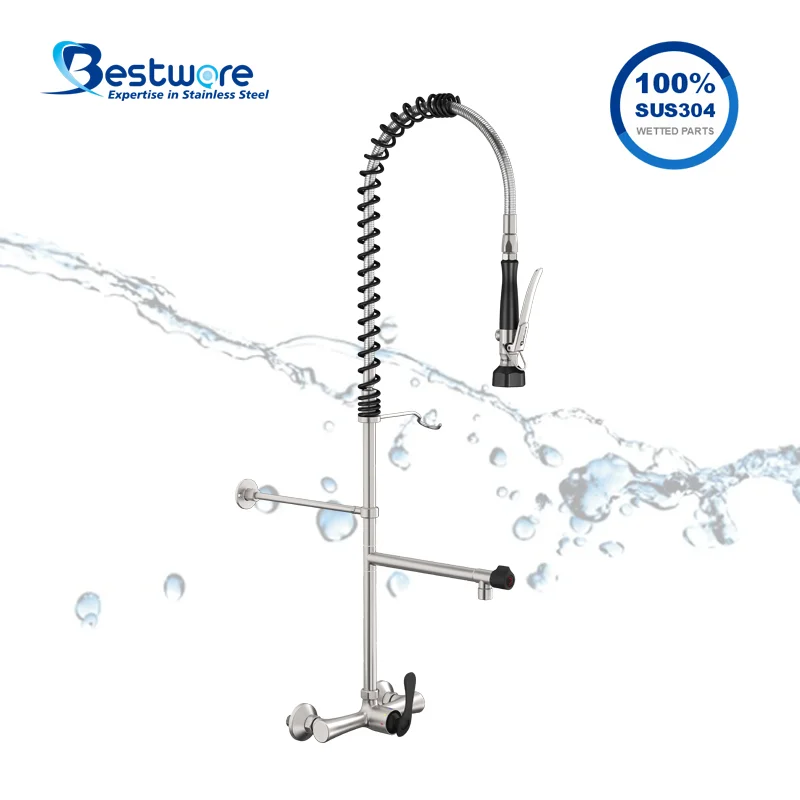
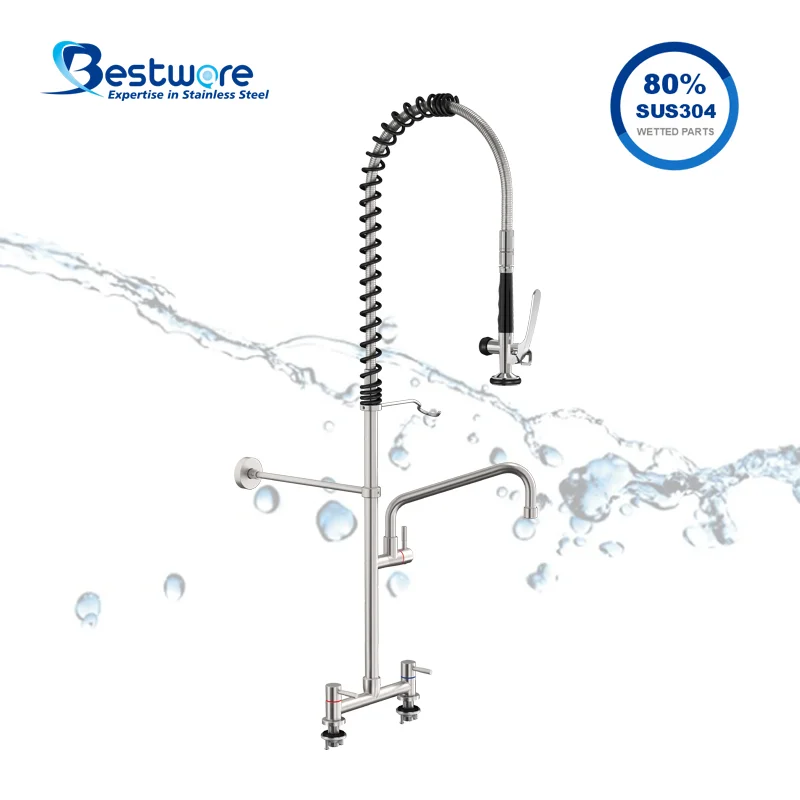
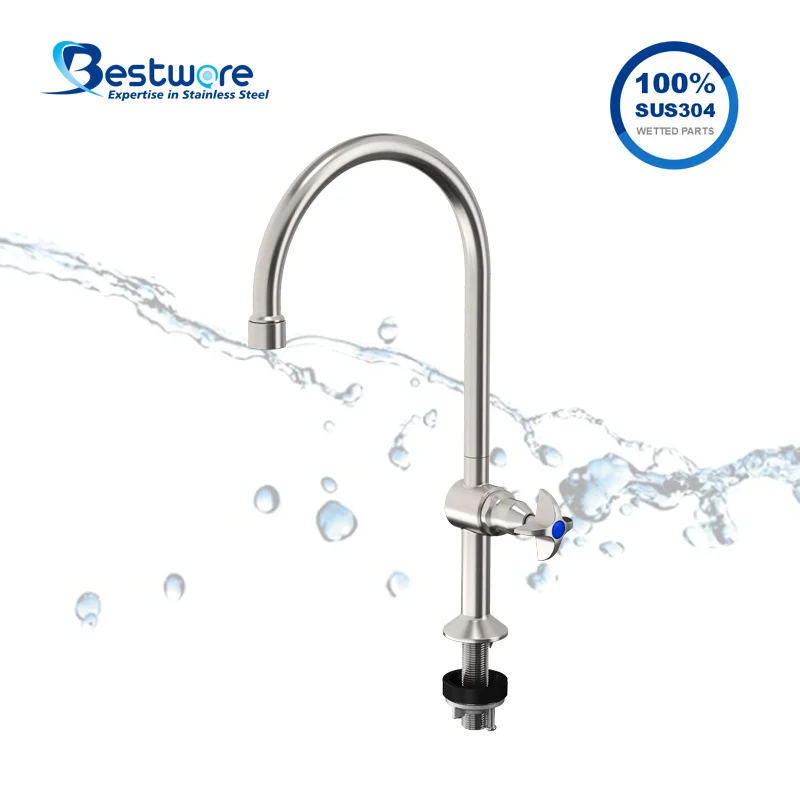
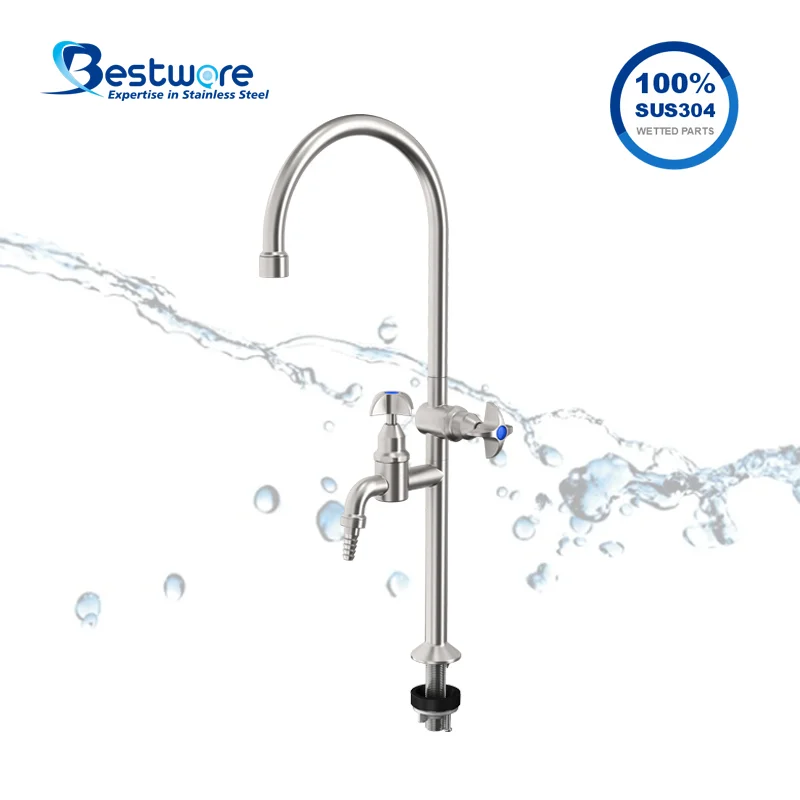
In restaurants, hotels, central kitchens, and food processing facilities, commercial faucets must handle frequent operation, a variety of cleaning tasks, and often limited workspace. In addition to spout design and mounting configuration, handle length also affects everyday usability. Short handles are generally more compact, while long handles offer a greater operating reach. Understanding the differences in leverage, operating habits, hygiene practices, and space requirements can help you choose the right commercial faucet for each workstation.
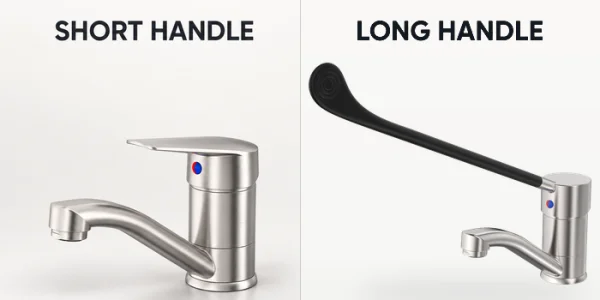
The most obvious difference between short and long handles is their size. More importantly, handle length affects how users apply force, operate the faucet, and reach the control.
For a rotating handle, a longer handle generally provides greater leverage under otherwise identical conditions, allowing users to generate the same turning torque with less applied force. A shorter handle has a shorter lever arm and typically requires more force to produce the same torque.
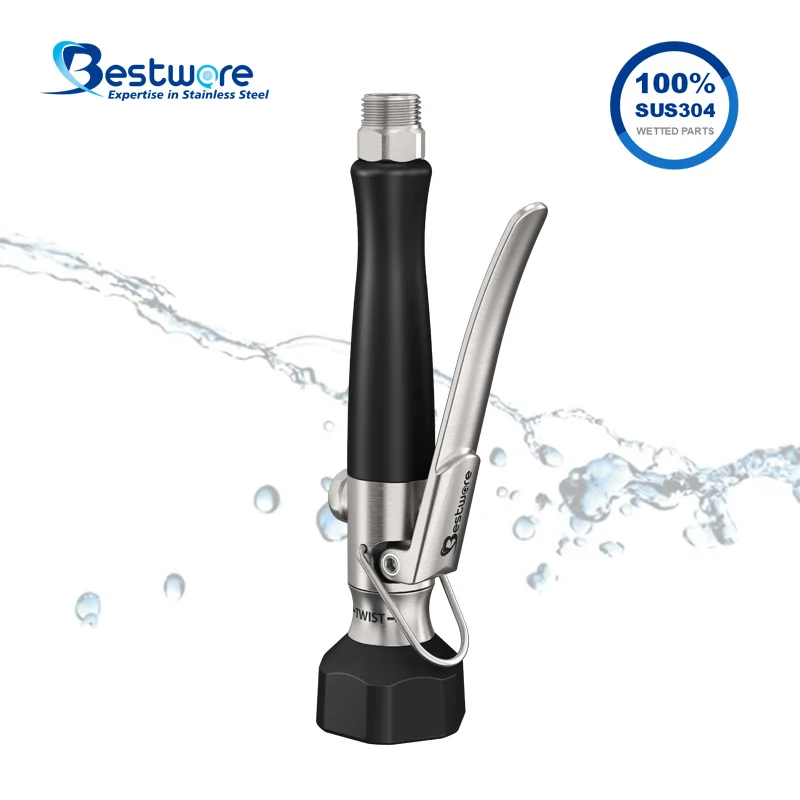
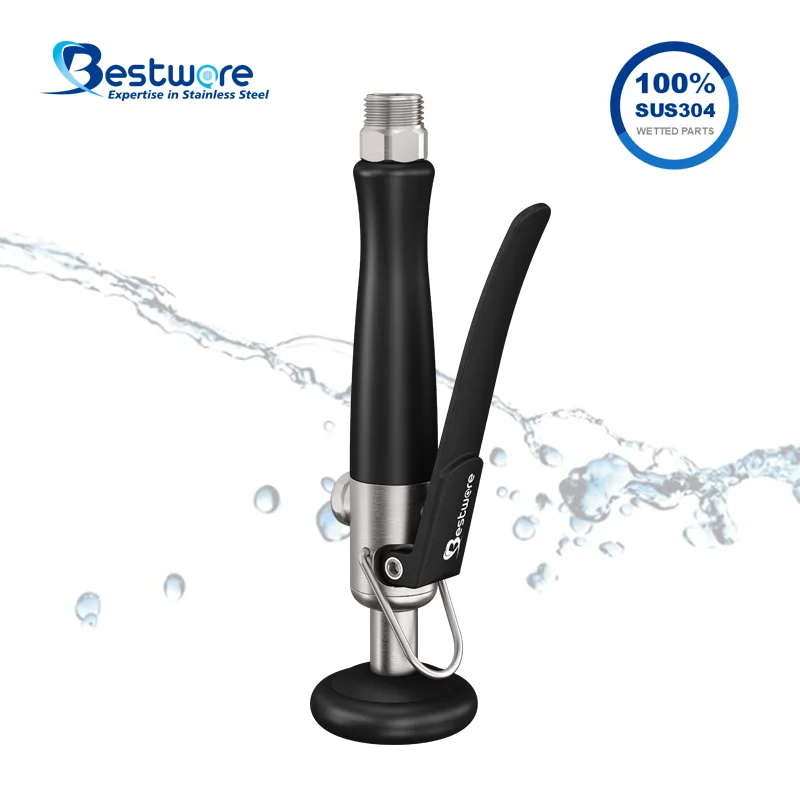
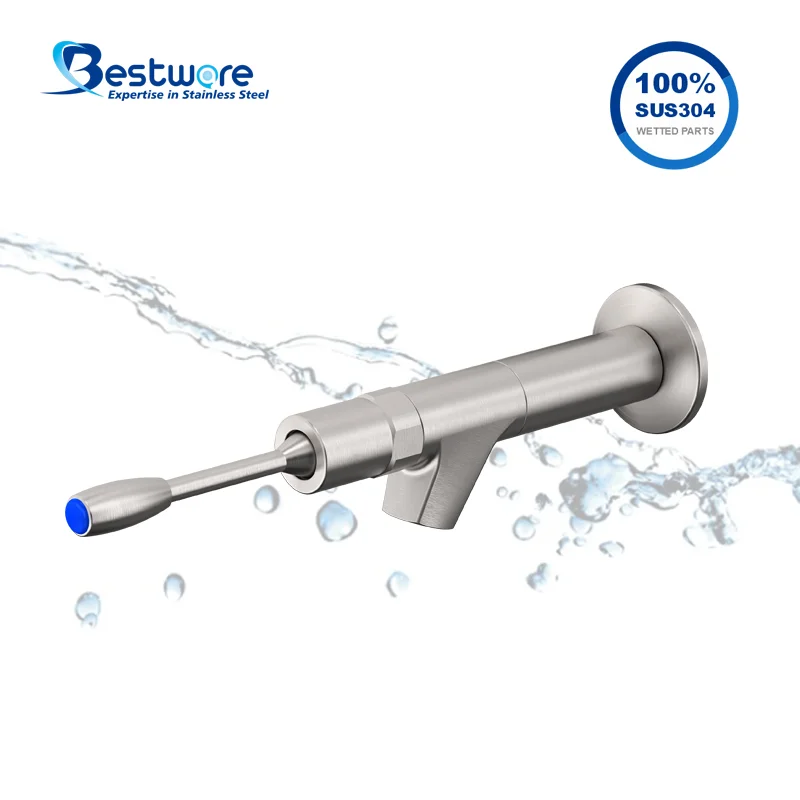
For faucets operated by lifting, pressing, or moving a lever, handle length mainly affects operating reach and the movement required. Long handles provide a larger contact area, while short handles have a more compact profile that suits installations with limited space.
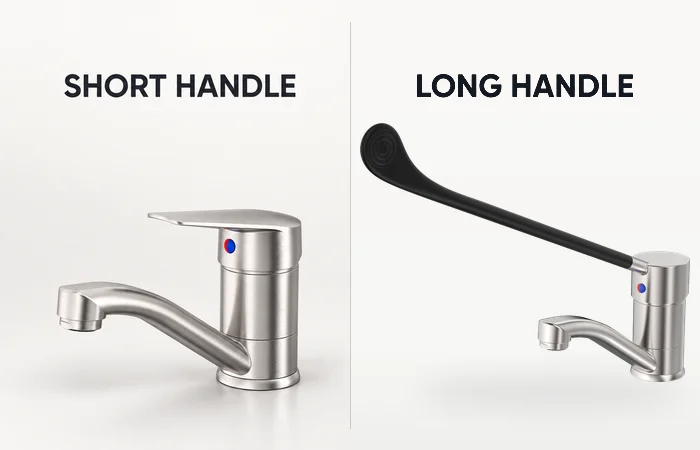
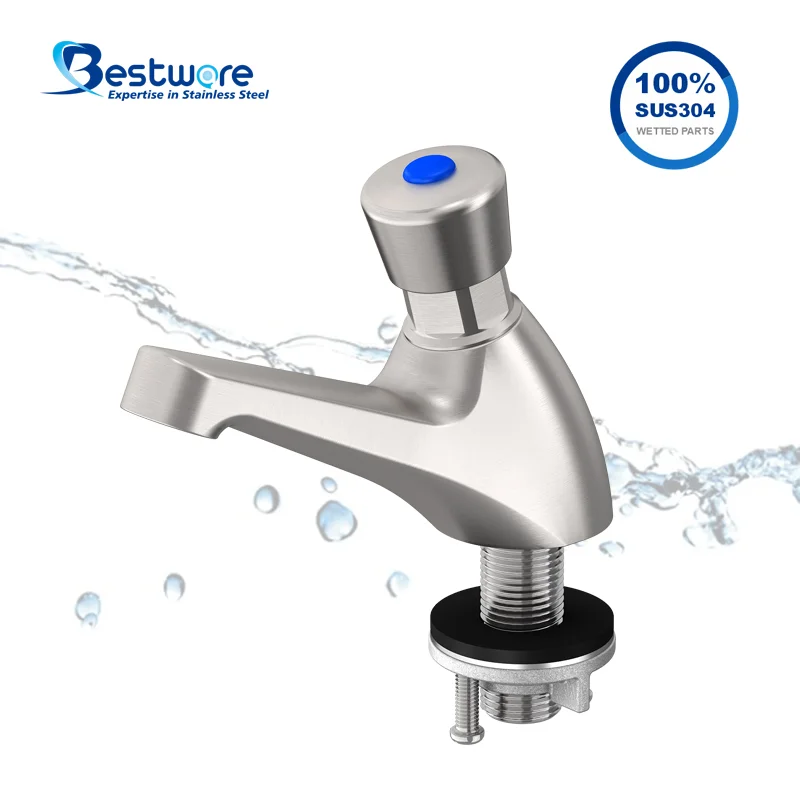
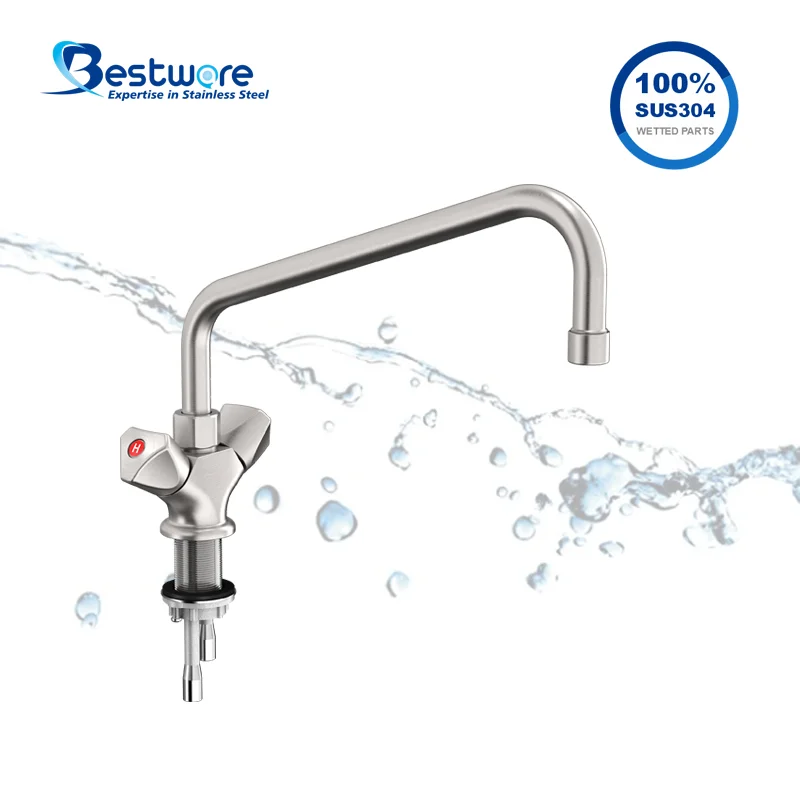
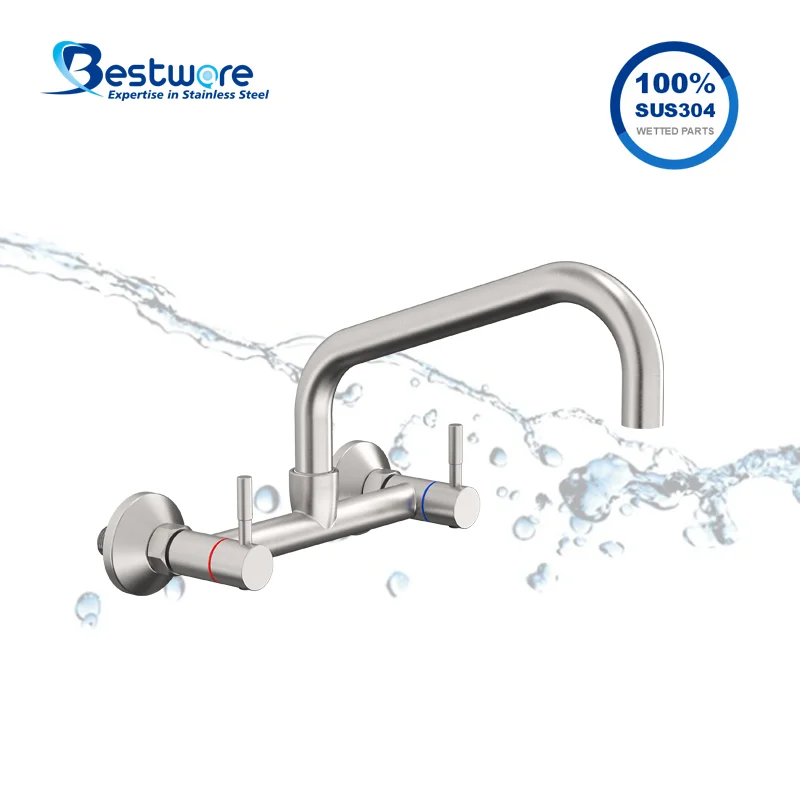
Short handles are generally operated by gripping or moving the handle directly. They are often suitable for workstations where operating tasks are straightforward, usage is moderate, and staff are accustomed to controlling water flow by hand.
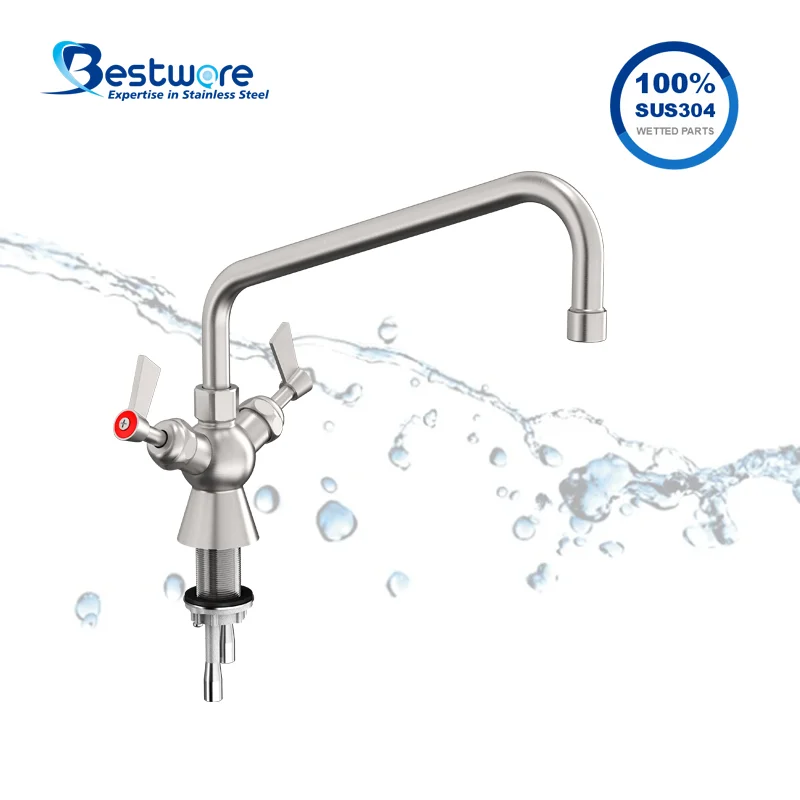
Long handles can offer more points of contact. Depending on their shape and installation, some can be operated with the palm, fingers, or back of the hand, while certain designs also allow elbow operation. This can be useful in environments where staff frequently handle food, cleaning tools, or other work items and need greater flexibility when operating the faucet.

Handle design can affect how smoothly staff move between cleaning, food preparation, and equipment maintenance tasks.
Short handles take up less space and suit compact sinks with straightforward operating requirements. Long handles are easier to reach in some configurations and can be advantageous at workstations where water flow needs to be adjusted frequently or different contact methods are preferred.
In general, short handles prioritize a compact design, while long handles offer greater operating reach. The better choice depends on the tasks performed at each workstation.

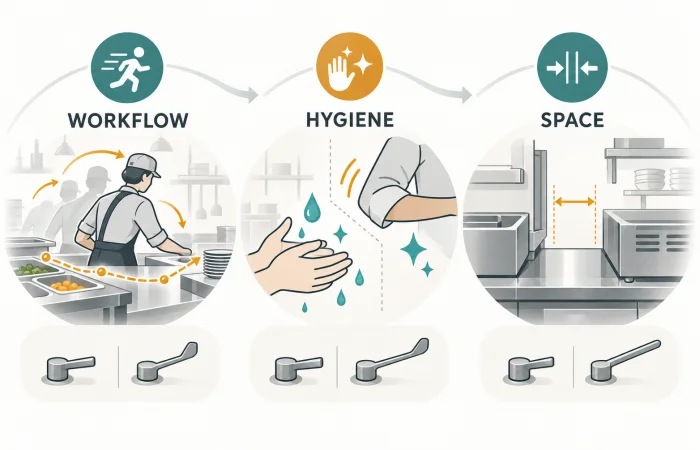
The differences between handle designs become clearer when considered in the context of actual commercial kitchen operations. Usage frequency, hygiene requirements, and installation space all influence the choice.
In cafés, small restaurants, and food preparation areas, faucets may be used mainly for washing ingredients, rinsing containers, and routine cleaning. Where tasks are simple and workspace is limited, short handles can meet everyday needs while minimizing the space required for operation.
In busy restaurant kitchens, hotel kitchens, central kitchens, and institutional catering facilities, staff may need to turn faucets on and off repeatedly throughout continuous cleaning and preparation tasks. In these settings, the greater contact area of a long handle can make the control easier to reach and accommodate different operating postures.
For high-use workstations, valve operation also matters. Handle length affects how force is applied, while valve performance directly influences how smoothly the faucet opens, closes, and adjusts.
Food processing and food preparation areas often need to minimize cross-contact between different stages of work. Handle design influences how staff turn the water on and off during these tasks.
When the shape and mounting position allow, a long handle can support operation with the back of the hand or elbow, reducing the need for direct palm contact. This can be particularly useful when staff frequently switch between handling ingredients, using cleaning tools, and operating the faucet.
Short handles are generally suited to conventional hand-operated use. Regardless of the design, faucet handles should be easy to clean and should be cleaned and disinfected in accordance with the facility's hygiene procedures.
Commercial kitchens often need to accommodate sinks, worktops, backsplashes, shelving, and other equipment within a limited area. Even when a faucet fits its mounting location, nearby structures can restrict the handle's movement.
Short handles are generally better suited to compact installations. For example, they may be preferable when a sink is close to a wall, several faucets are installed close together, or nearby equipment limits the available operating space.
Long handles require sufficient clearance for movement. If a handle strikes a wall, backsplash, or adjacent equipment when opening, closing, or adjusting the faucet, staff may need to change their operating posture, and the handle's full range of movement may be restricted.
Before selecting a handle type, check the product dimensions and confirm that the handle can move through its full operating range without obstruction. For new kitchen projects, handle clearance should also be considered during the equipment layout stage to avoid space conflicts after installation.
Handle design affects how a faucet is operated, but material, valve performance, and overall construction also determine its suitability for long-term commercial use.
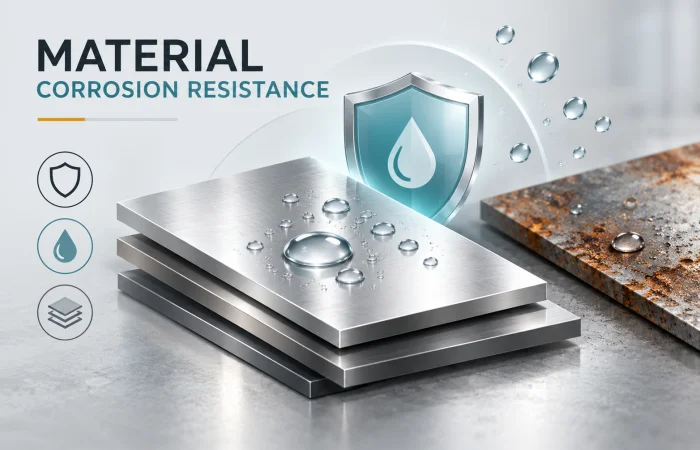
Commercial kitchens are frequently exposed to moisture, cleaning agents, and water at different temperatures. Material selection therefore affects corrosion resistance, maintenance, and service life.
SUS304 stainless steel offers good corrosion resistance and is suitable for many commercial water-use environments. However, actual performance also depends on material quality, manufacturing processes, surface finishing, and routine maintenance. Buyers should verify the materials used in the faucet body and key components rather than relying on appearance alone.
The valve cartridge directly affects water-flow control, sealing performance, and operating feel. For workstations that require frequent operation, buyers should look for smooth valve action, reliable shutoff, and relevant durability test data.
The handle and valve cartridge must also work well together. Even a suitably sized handle can be difficult to operate if the cartridge requires excessive force. In addition to reviewing product specifications, hands-on testing can help assess operating performance.
Connections, component fit, and overall structural integrity affect installation stability and long-term performance. Buyers should check whether the connection design suits the installation requirements and maintenance needs of the site, while also considering manufacturing consistency.

These factors complement handle design. A faucet is better suited to a demanding commercial kitchen when its handle, valve cartridge, materials, and construction all meet the requirements of the intended application.
Before finalizing a model, focus on the following checks:
· Hands-on operation test: Have intended users simulate common tasks to check whether the handle is easy to reach and whether opening, closing, and adjusting the flow feel natural.
· Clearance check: Confirm that the handle does not interfere with walls, backsplashes, or nearby equipment throughout its full range of movement.
· Operating force assessment: Check whether the handle and valve mechanism provide a comfortable level of resistance during operation.
· Cleaning and maintenance review: Assess how easily the handle can be cleaned and whether key components, including the valve cartridge and connections, can be inspected and maintained.
For bulk purchases or large commercial projects, consider trial-installing the faucet at a representative workstation before confirming the final model. This allows the selection to be based on actual operating conditions rather than product images or dimensions alone.

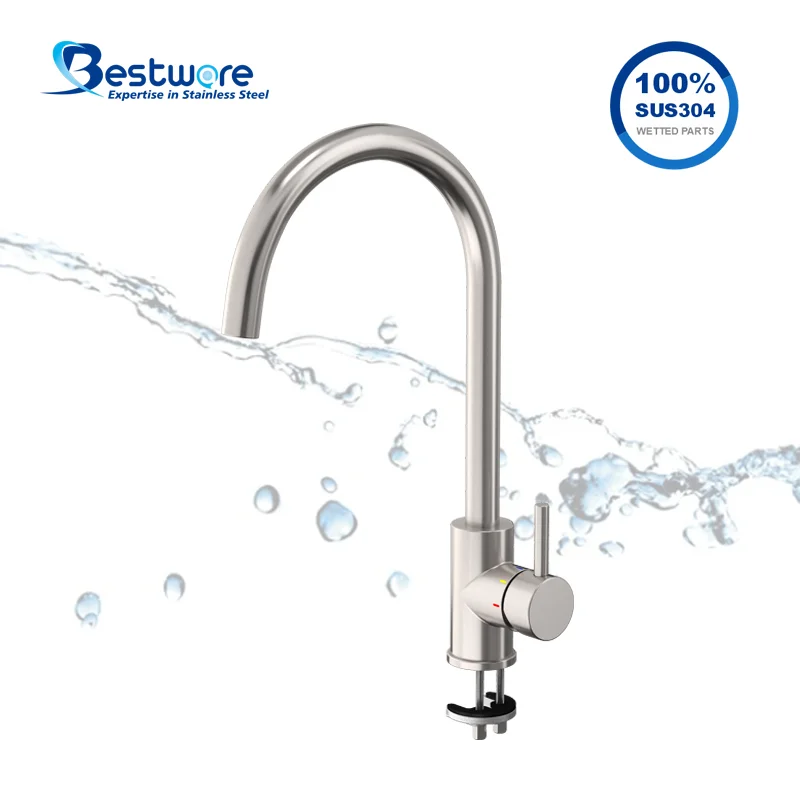
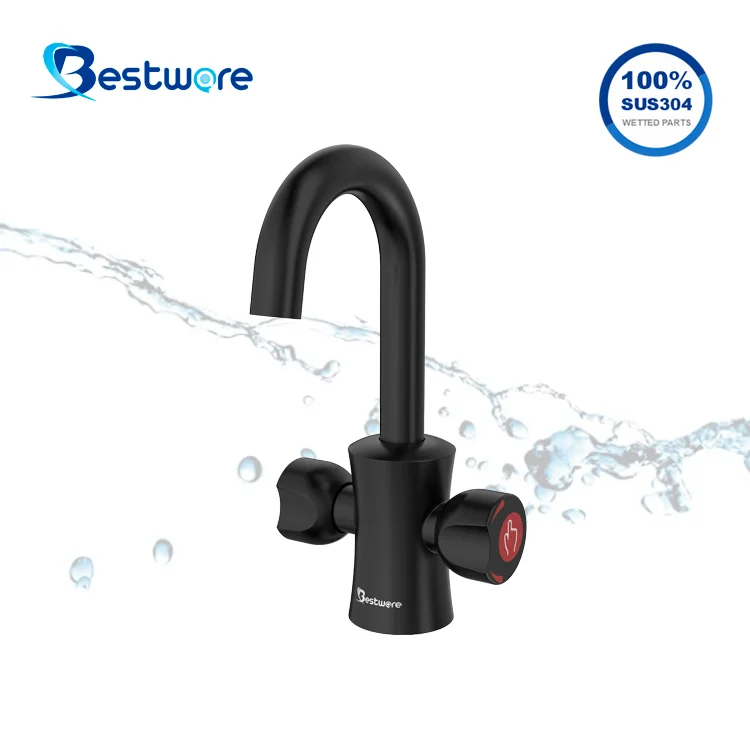
For commercial kitchens, handle design is only one part of the selection process. Material quality, valve performance, and overall construction also influence long-term usability. Bestware specializes in commercial stainless steel faucets, using food-grade SUS304 stainless steel and focusing on component performance and structural design to meet the water-use needs of different commercial environments.
SUS304 stainless steel offers good corrosion resistance for environments such as restaurants, hotels, and central kitchens, where faucets are regularly exposed to water and cleaning agents. Buyers should look beyond appearance and verify the materials used in the faucet body and key components, taking the intended application and maintenance requirements into account.
The valve cartridge also affects operating feel, sealing performance, and control stability. Bestware uses valve configurations suited to different product designs, with selected cartridges tested for 200,000 operating cycles. For workstations that require frequent operation, buyers should consider cartridge resistance, sealing performance, and relevant durability test data alongside handle length. Specific configurations and test results should be verified against the documentation for the individual product model.
Short handles offer a compact design for workstations with straightforward operating requirements or limited space. Long handles provide greater reach and, in certain designs, more flexible contact options. Neither design is universally better for every commercial kitchen. When selecting a commercial faucet, start by considering operating habits, usage frequency, and installation conditions. Then assess whether the material, valve cartridge, and overall construction meet the demands of long-term commercial use. The right design is the one that best fits the needs of the workstation.
One-stop Solution Provider of Stainless Steel Commercial Faucets
Email: business@bestware-stainless.com
after-sales@bestware-stainless.com
Tel: +86 18929047065
WhatsApp: +86 18929047065


WeChat: +86 18929047065


Website: www.bestware-stainless.com(Global Site)
www.bestware-sparkling.com(Water Dispenser)
Add: Block 8, No. 6, Jianda Nan Road, Jiangmen, Guangdong, China
Copyright © Bestware Hardware Production Co., Ltd. All Rights Reserved.