Date: 2026-09-09
When purchasing laboratory faucets, the spout configuration can have just as much impact on everyday usability as the material, valve cartridge, and installation method. A fixed spout provides a stable water outlet position and is suitable for laboratory workstations with clearly defined operating areas, while an adjustable-angle spout can change the direction of water flow and is better suited to applications that require coverage of different areas or involve cleaning vessels of different sizes. For laboratory areas with multiple water-use requirements, a dual-outlet configuration also provides another option. So, when purchasing laboratory faucets, how should laboratories choose the right spout configuration based on their actual needs?
Before comparing the two spout configurations, it is important to understand that they are designed to address different needs.
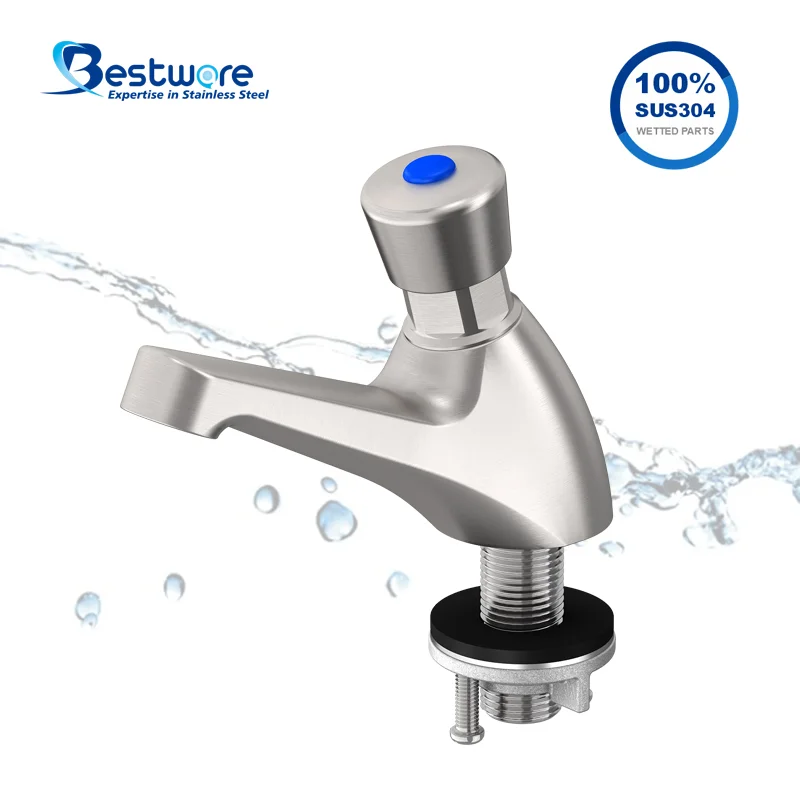
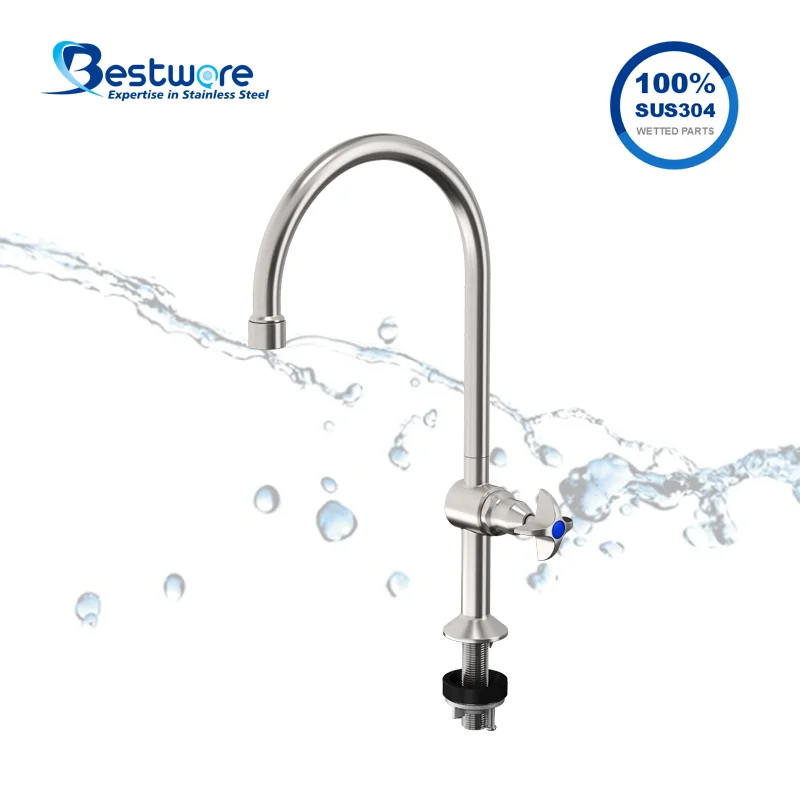
Once a fixed laboratory faucet is installed, the direction and position of its spout remain essentially unchanged. Users simply need to move the container into the water outlet area to fill or rinse it. The main advantages of this design are its simplicity, stability, and straightforward operation.
If a workstation has a fixed sink size and the containers used daily are generally consistent in size and placement, a fixed spout can usually meet the basic requirements. This is especially true in highly standardized laboratories, where workstations and sinks are often laid out according to a consistent plan and the faucet only needs to cover a defined operating area.
A fixed spout keeps the water outlet direction stable. For workstations with clearly defined operating areas, this can reduce the need to adjust the water outlet position during operation. For laboratory areas mainly used for filling containers, washing, and routine rinsing, this design is generally practical enough.
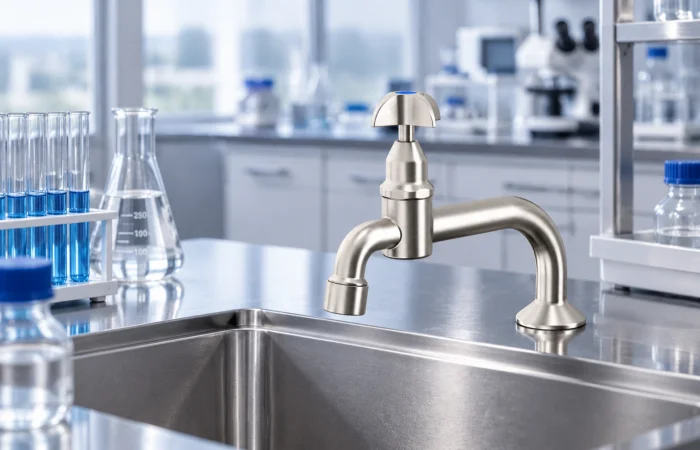
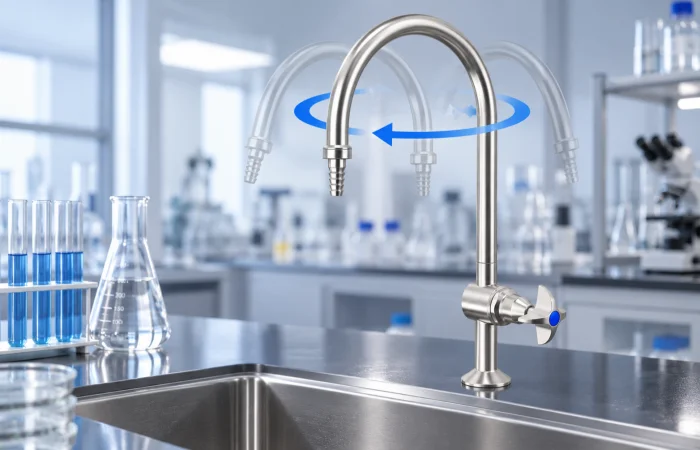
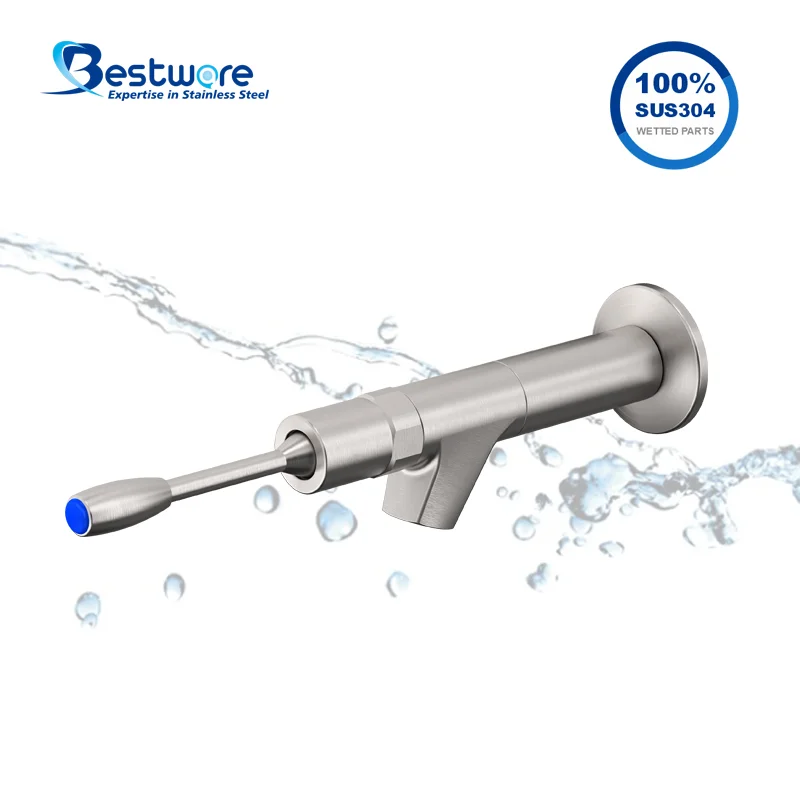
Unlike a fixed configuration, an adjustable-angle spout allows the direction of water flow to be changed according to actual operating needs. The key value of this design is that it enables the same faucet to cover a larger effective operating area.
For example, when laboratory personnel need to rinse vessels placed in different areas of the sink, a fixed spout may require them to repeatedly move the container. An adjustable-angle spout, however, allows the water flow direction to be changed directly, bringing the water closer to the target area. For applications with larger sinks, significant differences in vessel sizes, or multiple users performing different tasks in the same laboratory area, an adjustable-angle configuration can generally provide greater flexibility.
In actual purchasing decisions, a common misconception is that since adjustable-angle spouts offer greater flexibility, all laboratories should prioritize them. In reality, this is not necessarily the case. Laboratory faucet selection should start with the installation environment rather than simply focusing on the number of functions offered.
If the sink on the laboratory workstation is relatively small and the containers used on a daily basis are usually placed near the center of the sink, a fixed spout may already cover the main operating area. In this case, choosing an adjustable configuration simply to increase flexibility may result in the spout direction rarely being adjusted in actual use. For this type of application, a fixed configuration may actually be more straightforward. Operators do not need to make additional adjustments to the spout and can simply place the container in the fixed water outlet area.
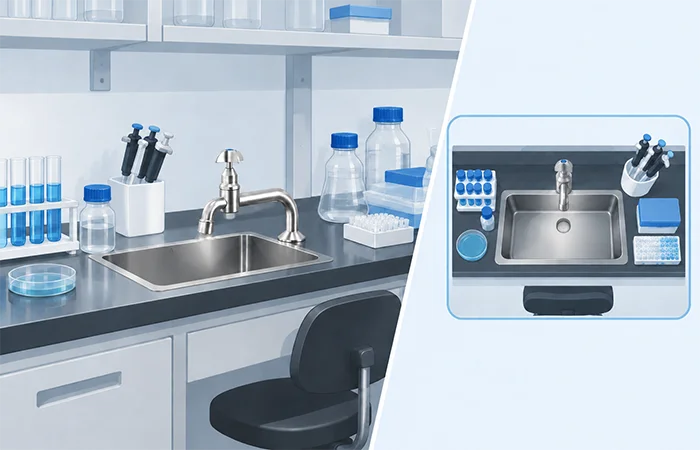
If the sink itself is relatively large, or if laboratory personnel frequently need to clean vessels of different sizes, the position of the water outlet becomes more important. For example, large beakers, graduated cylinders, or other laboratory vessels may require considerable space during cleaning. If the water flow direction is fixed, operators may need to repeatedly move the vessel to find a suitable rinsing position. In this situation, an adjustable-angle spout can reduce such repeated adjustments and make it easier for the water flow to cover different areas.

In addition to the workstation layout, it is also important to consider the specific tasks the faucet performs on a daily basis. Some laboratories mainly use faucets for filling containers, while others frequently clean laboratory vessels. Some laboratory areas may also handle multiple cleaning and water-supply tasks at the same time.
If laboratory personnel mainly use the faucet to fill beakers, containers, or other laboratory vessels, the water outlet position is usually well defined. For example, if a fixed filling area has already been planned on the workstation, a fixed spout can provide a stable and predictable water outlet position. In this case, the most important consideration is not the range of movement, but whether the water outlet position matches the workstation layout.

If the faucet is frequently used to clean laboratory vessels, the importance of water coverage becomes more apparent. Different vessels vary in size, shape, and placement. If the water flow can only cover a fixed position, operators often need to move the vessel to accommodate the water flow. An adjustable-angle configuration allows the water outlet direction to better adapt to the position of different vessels, reducing the need for repeated adjustments. This does not mean that an adjustable-angle spout can replace other cleaning equipment, but rather that it gives a standard water-supply faucet a wider operating range for routine rinsing tasks.
Some laboratory areas are not limited to a single task. For example, a workstation may be used for routine filling, vessel cleaning, and other water-supply tasks. In such cases, rather than simply pursuing the functions of a particular spout configuration, it is better to select a configuration based on actual usage requirements. For these applications, the key is not how many functions are added, but whether the spout configuration can adequately cover the actual needs.

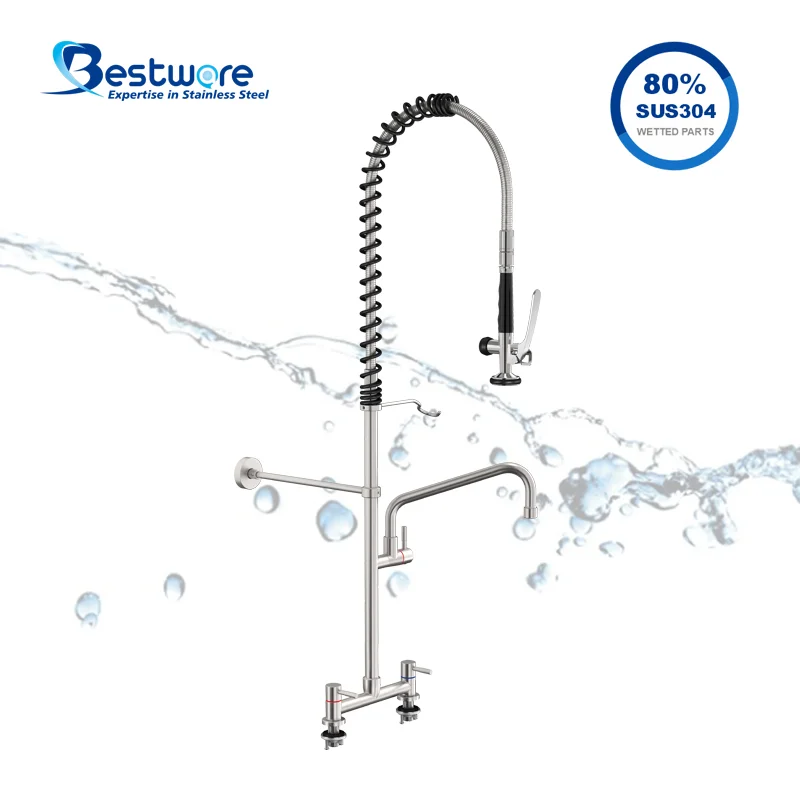
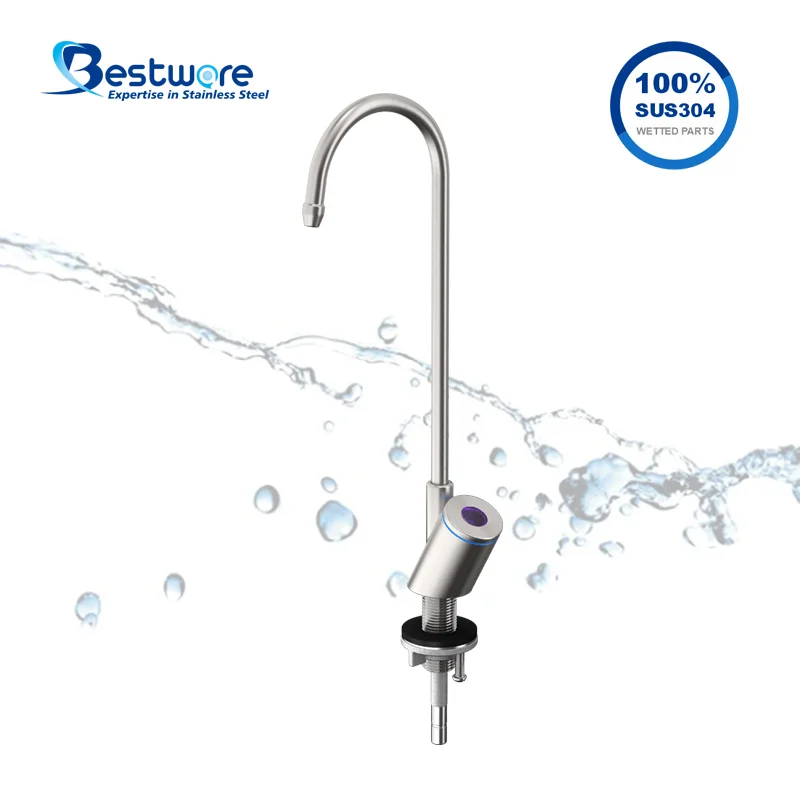
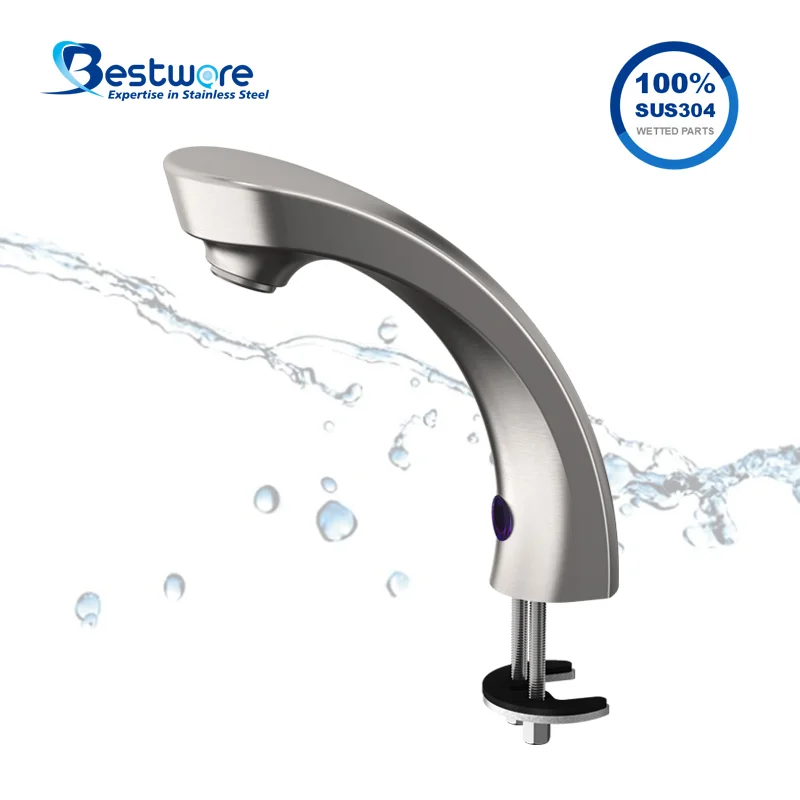
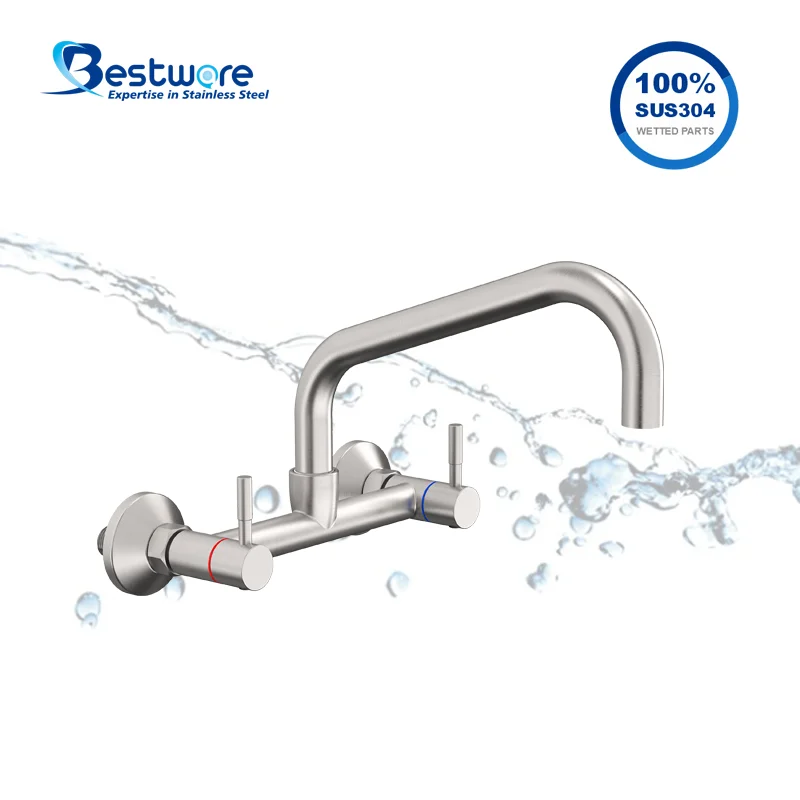
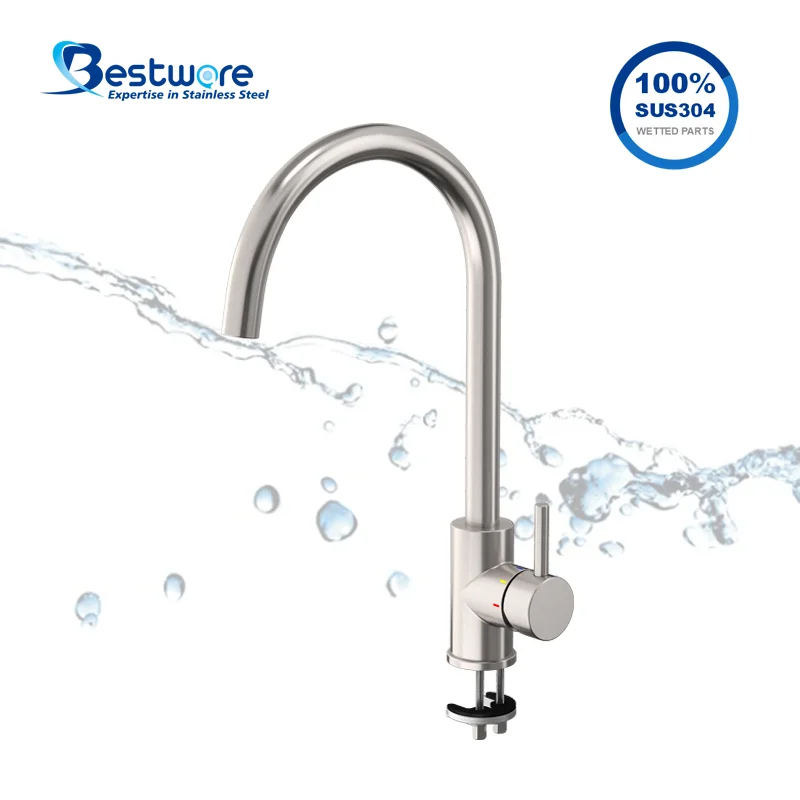
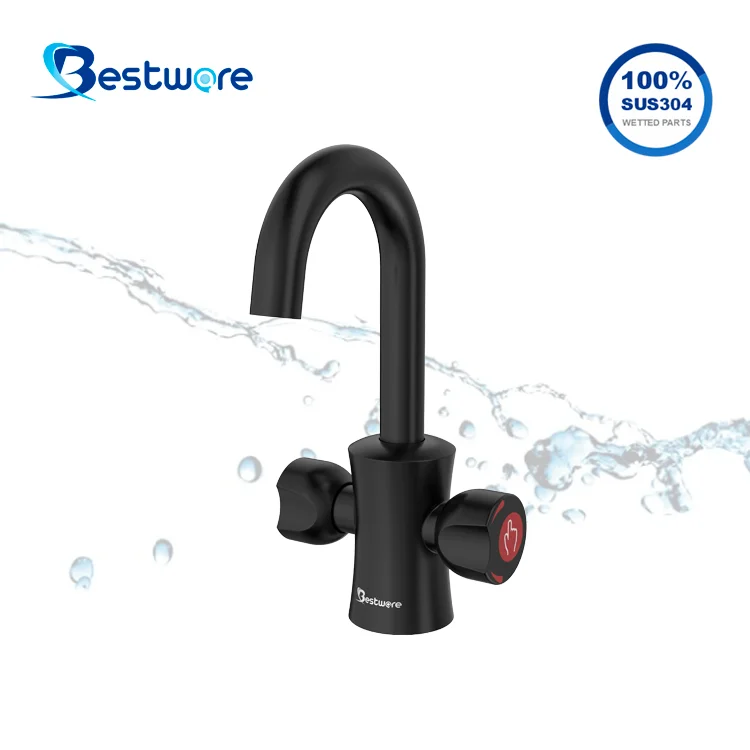
For laboratory faucets, a truly practical design is not about using the same configuration in every laboratory, but about providing suitable options for different laboratory environments. Bestware laboratory faucets are available in multiple spout configurations, including fixed single-outlet, adjustable-angle single-outlet, and dual-outlet options to accommodate different workstations and usage requirements.
The fixed single-outlet configuration is suitable for workstations where the water outlet position is clearly defined and the operating area is relatively concentrated. For highly standardized laboratory environments, this configuration provides a simple and stable water supply.
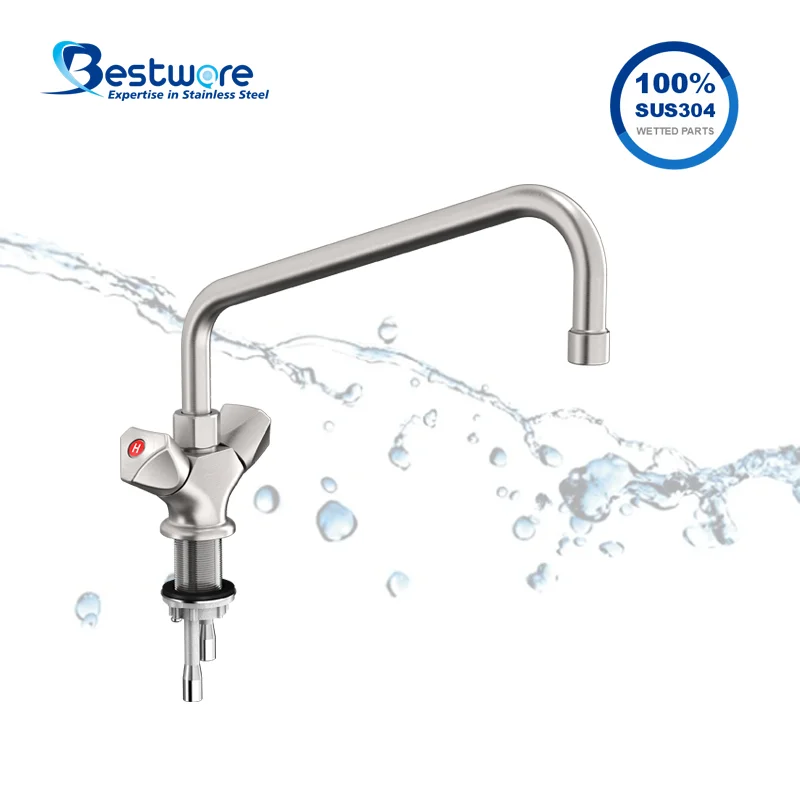
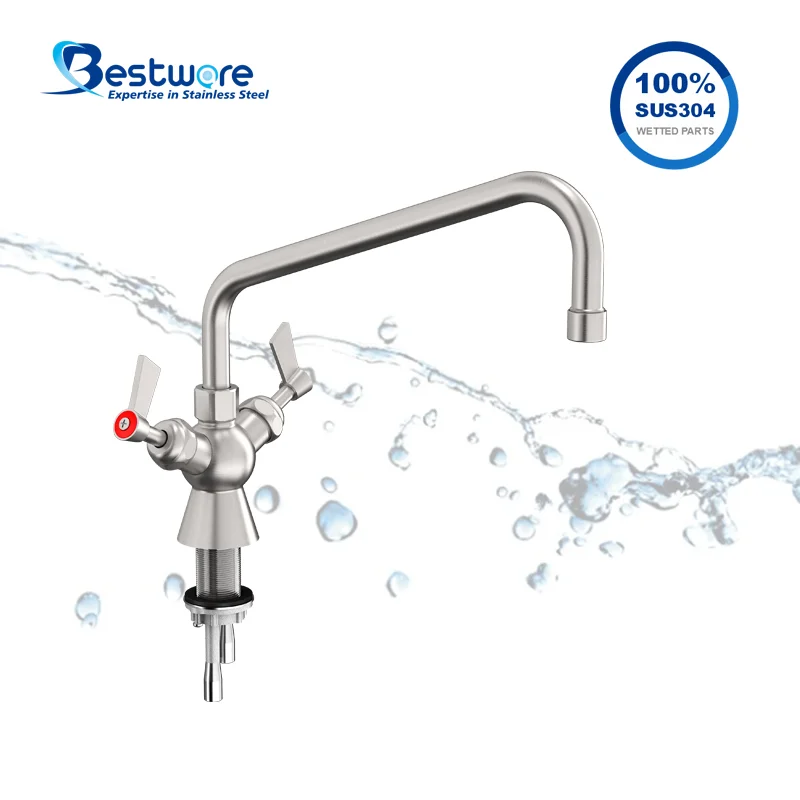
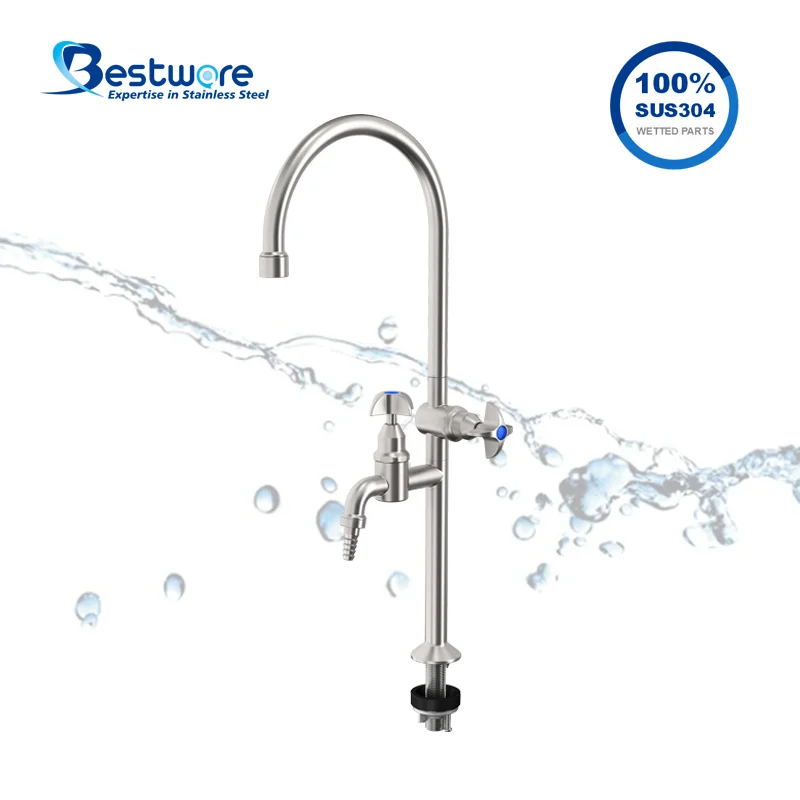
The adjustable-angle single-outlet configuration is better suited to applications where the water flow direction needs to be changed. When laboratory personnel need to clean vessels in different positions or of different sizes, the adjustable-angle design provides greater operating flexibility. For laboratory areas with multiple water-supply requirements, the dual-outlet configuration can accommodate different water-supply tasks and provide more configuration options for the workstation.
At the same time, Bestware laboratory faucets feature a lead-free 304 stainless steel body and stainless steel valve cartridge. Rather than focusing only on the external material when selecting a faucet, considering corrosion resistance from the body material through to key internal components makes the faucet more suitable for laboratory environments that require long-term use and a high level of reliability. During the purchasing process, the appropriate configuration can be selected based on the workstation size, installation position, daily operations, and intended water-use applications, rather than simply judging a product by the number of functions it offers.
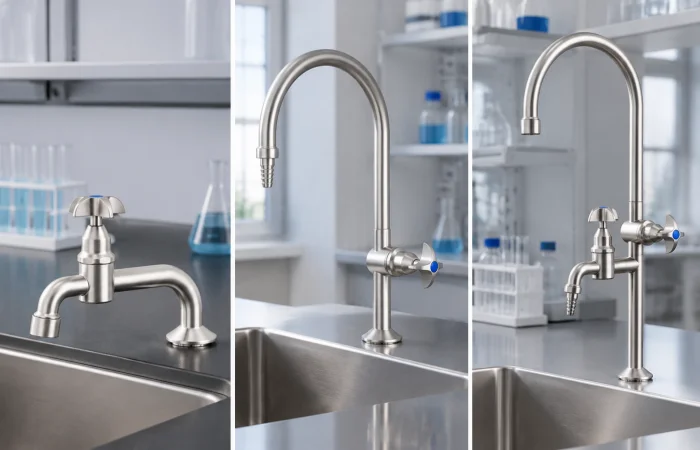
Fixed and adjustable-angle laboratory faucets each have their own suitable applications, and neither is universally better than the other. A fixed spout offers a simple structure and stable outlet position, making it suitable for workstations with clearly defined operating areas and standardized procedures. An adjustable-angle spout allows the water flow direction to be changed more flexibly, making it more suitable for larger sinks, frequent cleaning tasks, or applications where the operating position changes regularly. For laboratory areas with multiple water-supply requirements, a dual-outlet configuration can also provide a more flexible solution. The most suitable laboratory faucet is not necessarily the one with the most functions, but the one that provides the best match between the spout configuration, installation environment, and actual usage requirements. This is a key consideration when selecting laboratory faucets for procurement and project applications.
One-stop Solution Provider of Stainless Steel Commercial Faucets
Email: business@bestware-stainless.com
after-sales@bestware-stainless.com
Tel: +86 18929047065
WhatsApp: +86 18929047065


WeChat: +86 18929047065


Website: www.bestware-stainless.com(Global Site)
www.bestware-sparkling.com(Water Dispenser)
Add: Block 8, No. 6, Jianda Nan Road, Jiangmen, Guangdong, China
Copyright © Bestware Hardware Production Co., Ltd. All Rights Reserved.
(2).webp)
(1).webp)