
Date: 2026-08-26
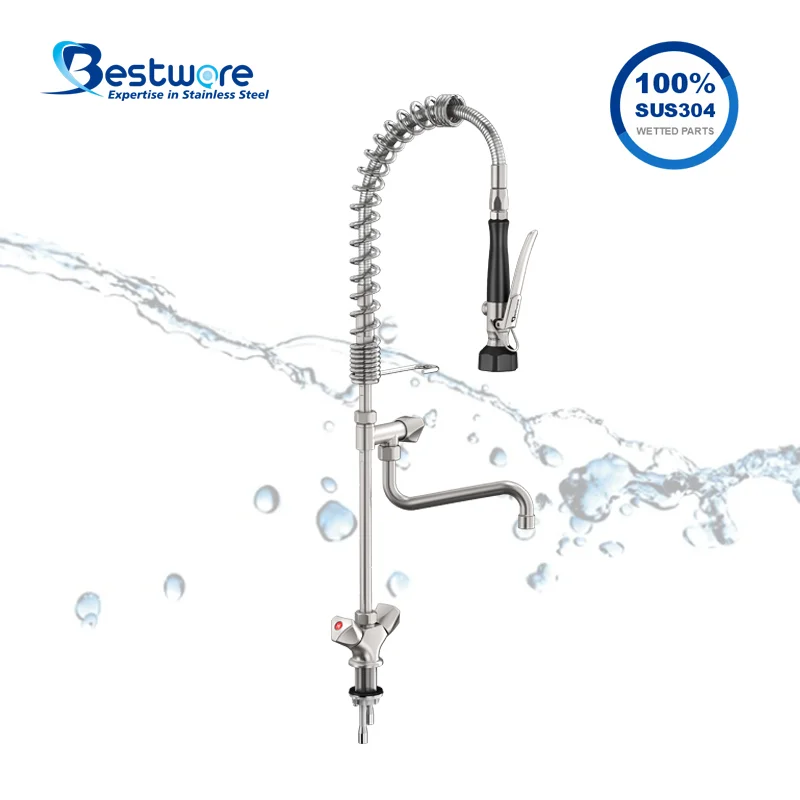
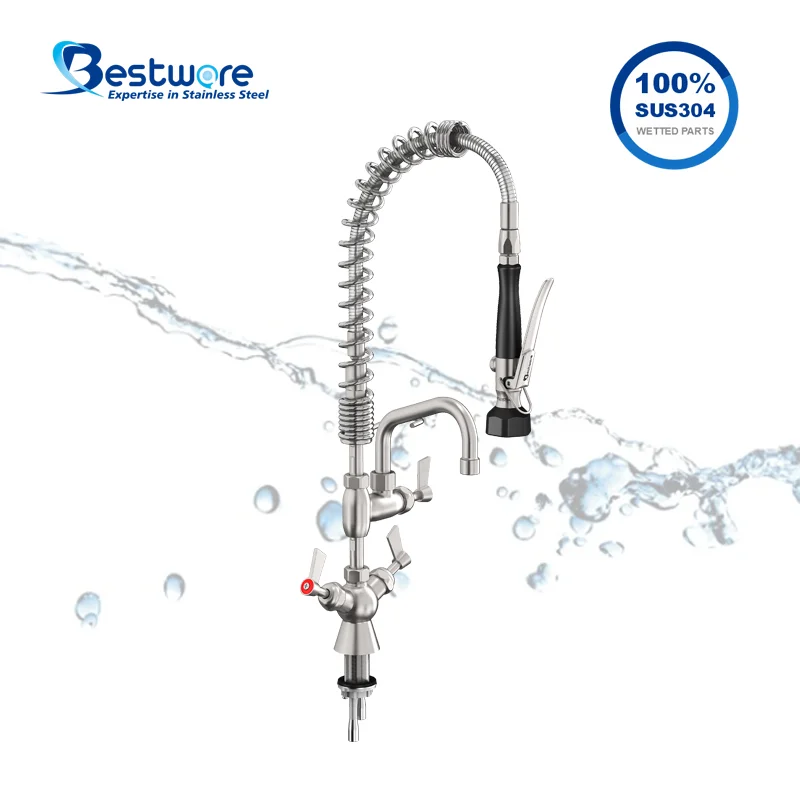
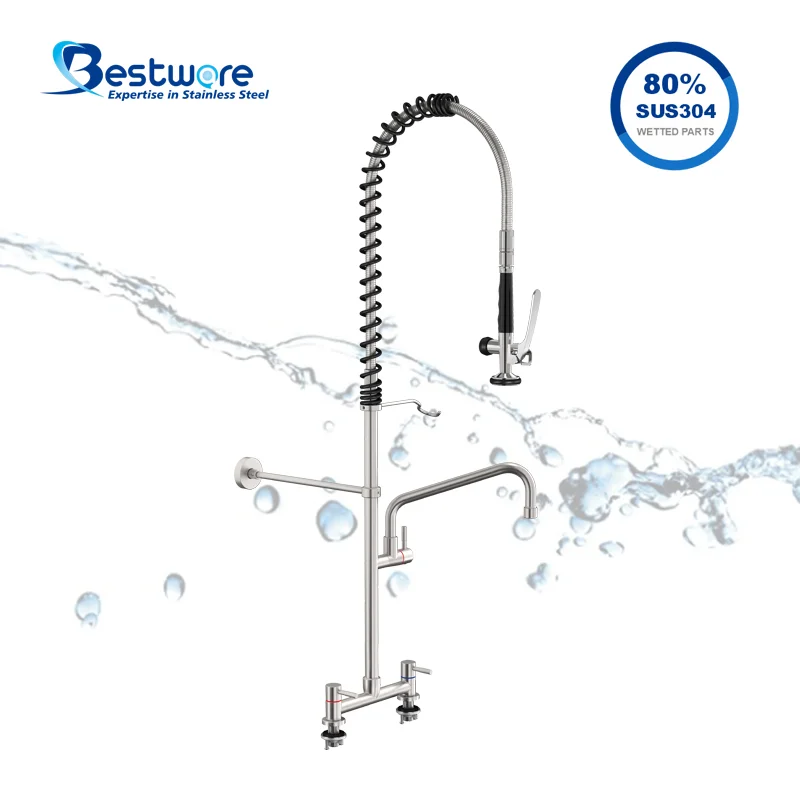
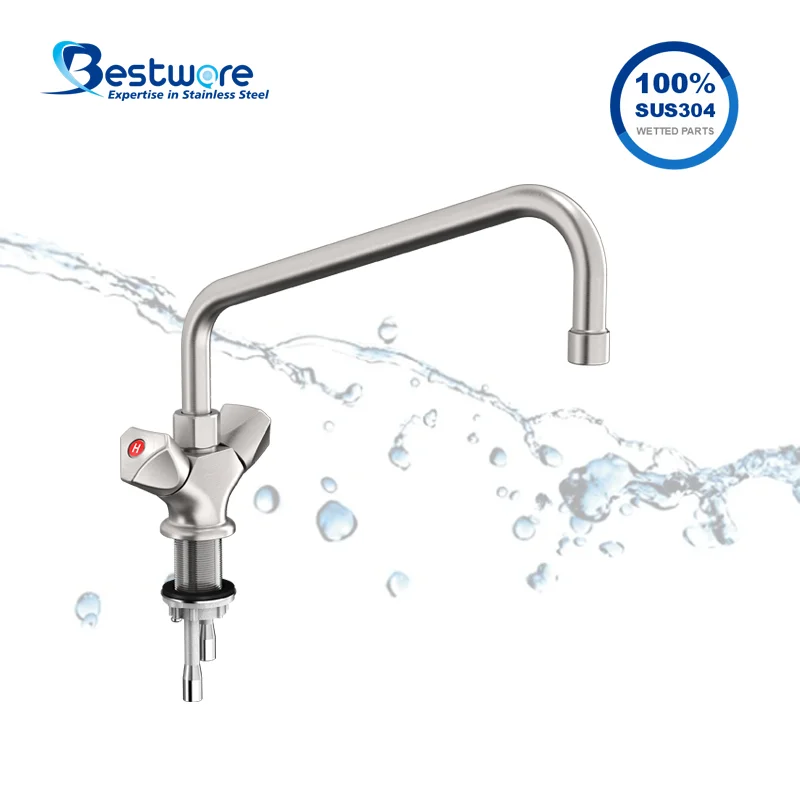
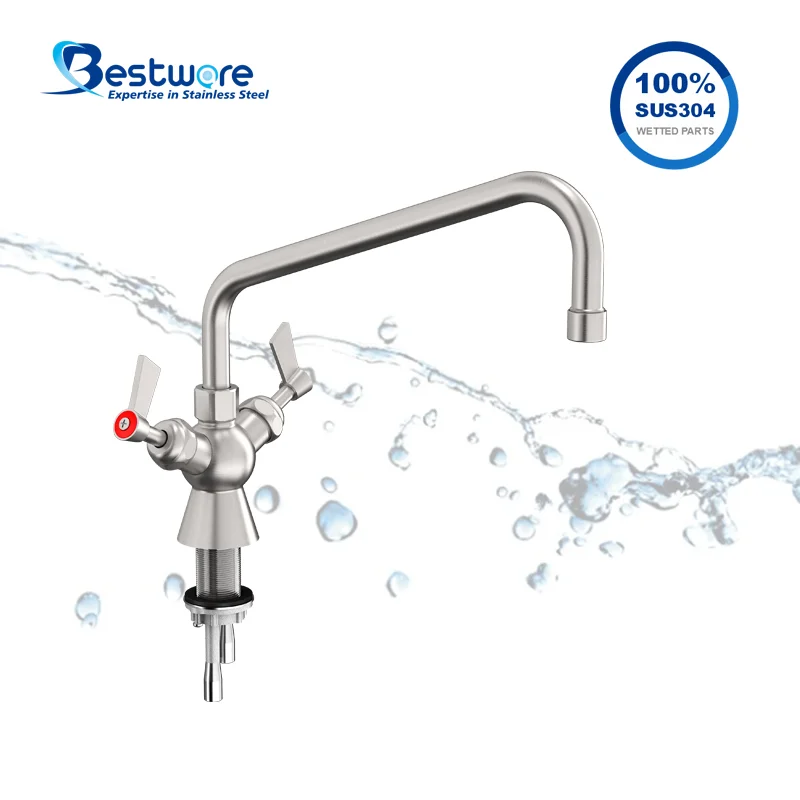
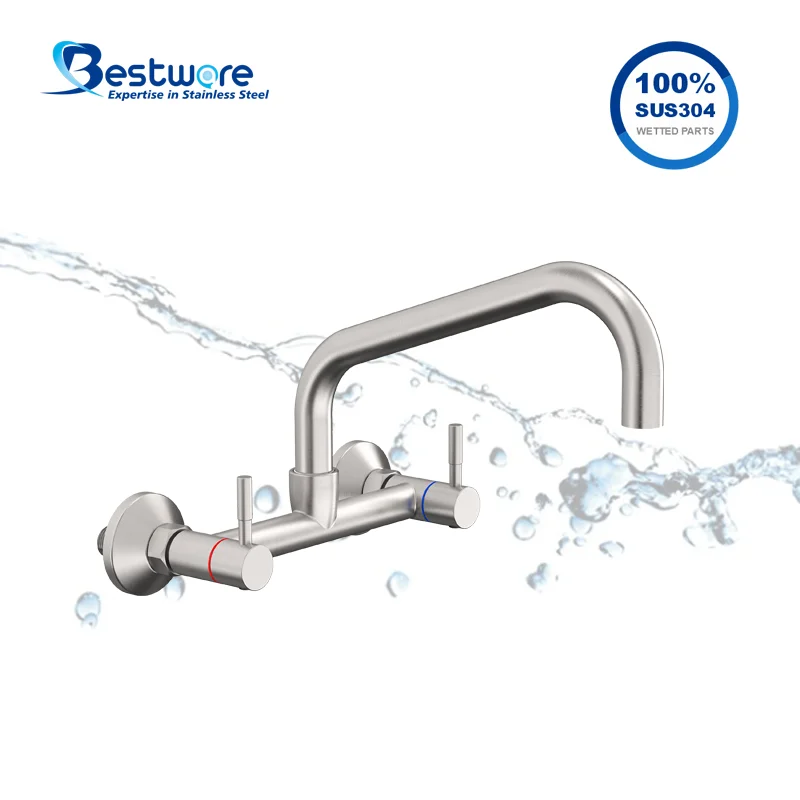
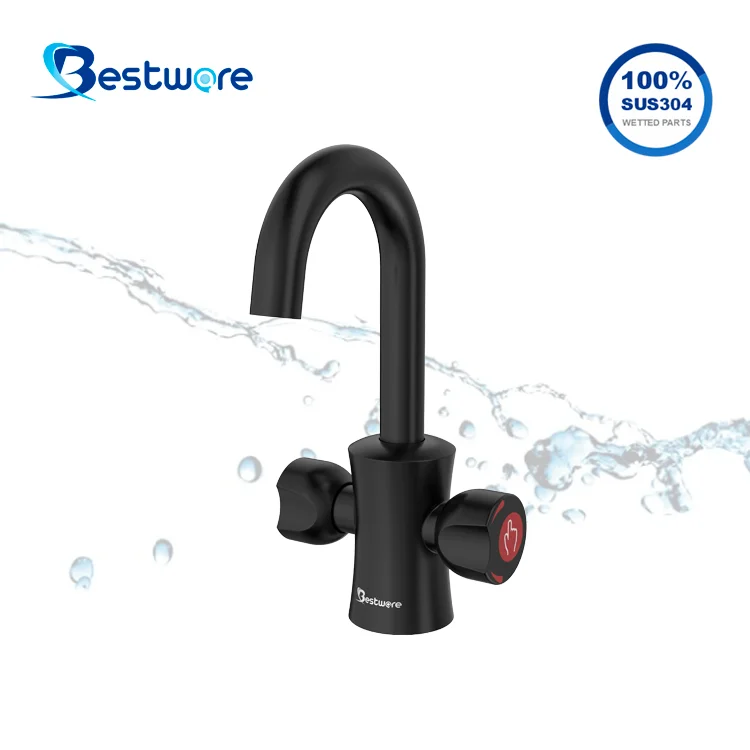
When installing a dual-handle faucet, connecting the hot and cold water inlet connections may seem straightforward, but it is an easily overlooked detail. Because a dual-handle faucet connects separately to the hot and cold water supplies, the two inlet connections must be correctly identified during installation. If they are similar in length and appearance, installers need to spend extra time confirming which connection is for hot water and which is for cold water, adding unnecessary steps to the installation process.With installation details in mind, Bestware differentiates the hot and cold water inlet connections by length: the longer inlet connection is for hot water, while the shorter one is for cold water. This clear difference in length makes the two connections easier to identify, simplifying installation and improving efficiency.
A dual-handle faucet typically connects separately to the hot and cold water supplies, allowing the two water sources to be controlled independently. Therefore, the first step during installation is to correctly identify the two inlet connections:Which connection is for hot water, and which is for cold water?If the inlet connections have no obvious distinguishing features, installers have to rely on markings, product instructions, or visual inspection to determine which connection is which. For a single faucet, this may add only one extra step. However, in large-scale installations or when working in confined spaces, every additional check takes time. The ease with which the hot and cold inlet connections can be identified is therefore an important factor in installation efficiency.

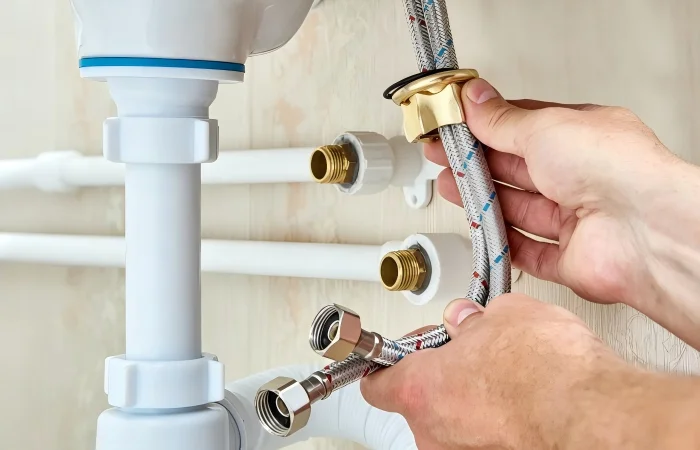
On some dual-handle faucets currently on the market, the hot and cold inlet connections are similar in length and appearance. Since the two connections look almost identical, installers cannot quickly determine which one is for hot or cold water simply by looking at the connections. They usually need to locate the corresponding markings before confirming how each connection should be installed. While this design meets basic installation requirements, it can still create some inconvenience:
|
No. |
Common Situation |
Impact on Installation |
|
1 |
Hot and cold inlet connections are similar in length |
Difficult to identify quickly |
|
2 |
Little difference in appearance |
Requires additional confirmation |
|
3 |
Identification relies on text or markings |
Adds installation steps |
|
4 |
Large-scale installation |
Repeated checks reduce overall efficiency |
|
5 |
Incorrect identification |
The hot and cold connections may be reversed, requiring reconnection |
The issue is not that the inlet connections are difficult to use, but that installers need to spend extra time determining their purpose. If the two connections have a clear structural difference, the installation process can be simplified further.
To address the difficulty of quickly identifying the hot and cold inlet connections, Bestware uses a more intuitive length-based design.
Longer inlet connection = Hot water inlet connection
Shorter inlet connection = Cold water inlet connection
The clear difference in length makes the two inlet connections immediately distinguishable. Once installers have the product in hand, they can identify the hot and cold connections simply by their length, without repeatedly checking or confirming the markings.It is a simple structural improvement, but it can effectively reduce unnecessary identification steps during installation.
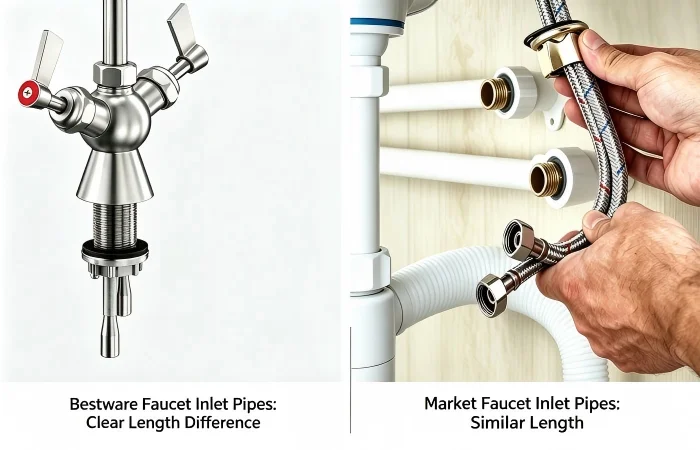
With a conventional design, installers may need to:
Find the markings → Identify hot and cold → Confirm the connections → Connect the water supply
With Bestware's length-based design, the process can be simplified to:
Check the length → Identify hot and cold → Connect directly
The longer inlet connection is for hot water, while the shorter one is for cold water.Installers can identify the connections quickly before connecting them, eliminating unnecessary confirmation steps. For a single dual-handle faucet, this makes installation smoother. In hotels, restaurants, offices, and other applications involving multiple installations, reducing the time spent identifying each faucet can also improve overall installation efficiency.

Quick identification of the hot and cold inlet connections affects not only installation speed but also connection accuracy.If the two inlet connections are similar in both appearance and length, installers have to rely more heavily on manual identification. If they are connected incorrectly, the connections must be disconnected and corrected.With a clear difference in length, installers can quickly confirm the connections before installation:
Longer connection — Hot water inlet connection
Shorter connection — Cold water inlet connection
This makes identification simpler and more intuitive, helping reduce the risk of incorrect connections caused by difficult-to-distinguish inlet connections.

Good product design should consider not only the user experience but also the installer's experience. Differentiating the hot and cold water inlet connections by length is a simple yet practical detail. It requires no complicated procedures or additional tools. By simply using different lengths, the two connections become easy to distinguish.From a product design perspective, it does something very simple:It lets the product itself show installers how to connect it.When identification becomes more intuitive, installation naturally becomes easier.

Differentiating the hot and cold water inlet connections by length is, at its core, an optimization of the installation process. By assigning the longer connection to hot water and the shorter connection to cold water, Bestware makes the two connections easy to identify, reducing the time installers spend checking and confirming them while helping improve installation efficiency and connection accuracy.Good product design does not always require complex structures. Sometimes, a clear difference in length is all it takes to make installation easier.
One-stop Solution Provider of Stainless Steel Commercial Faucets
Email: business@bestware-stainless.com
after-sales@bestware-stainless.com
Tel: +86 18929047065
WhatsApp: +86 18929047065


WeChat: +86 18929047065


Website: www.bestware-stainless.com(Global Site)
www.bestware-sparkling.com(Water Dispenser)
Add: Block 8, No. 6, Jianda Nan Road, Jiangmen, Guangdong, China
Copyright © Bestware Hardware Production Co., Ltd. All Rights Reserved.
.webp)
(7).webp)
(6).webp)
(5).webp)