
Date: 2026-08-15
Public spaces are used by people with diverse needs. Adults may prefer to drink directly from the fountain or use their own reusable bottles or tumblers. Children differ from adults in both height and ability to operate equipment, while people with mobility challenges may need to use the fountain from a seated position. Older adults may place greater importance on simple, effortless operation. In busy public spaces, a drinking fountain needs to serve not one specific type of user, but people of different ages, physical abilities, and usage habits. As a result, modern public drinking facilities are placing greater emphasis on accessibility, ease of operation, user safety, and adaptability to different users. This means that a truly well-designed public drinking fountain should not be optimized for just one group, but should minimize barriers to use for as many users as possible within a limited space and structural design.
Drinking equipment in homes typically serves a fixed group of family members, allowing it to be designed around relatively consistent heights and usage habits. Public drinking fountains are different. Public spaces such as schools, hospitals, and airports serve people of different ages, physical abilities, and usage habits, so public drinking fountains need to be more adaptable.
For example, a fountain that is too high may require children to stand on tiptoe to reach the drinking outlet. For people with mobility challenges, even if the outlet is positioned at a suitable height, a lack of sufficient space in front of the fountain may make it difficult to approach and use.
Therefore, the user experience of a public drinking fountain is not determined by a single parameter. It depends on multiple factors, including height, available space, operating method, and drinking method.
When people think about accessibility in public drinking fountains, lowering the installation height is often the first thing that comes to mind. Height is certainly important, but it is only one part of the equation. A truly accessible drinking fountain should allow users to complete the entire process with ease:
Approach the fountain → Reach the operating area → Activate the water flow → Drink or fill a bottle → Move away from the fountain
If users can see the drinking outlet but cannot comfortably approach it, or if they can approach the fountain but cannot easily reach the controls, the design has not truly addressed accessibility. Therefore, accessibility is not simply about making a fountain lower. It is about using appropriate structures, dimensions, and installation methods to allow more users to complete the entire process naturally. From this perspective, accessibility is not only relevant to specific groups but also directly affects the overall user experience of a public drinking fountain. Good design should minimize barriers and make the fountain easier for a wider range of users to operate.
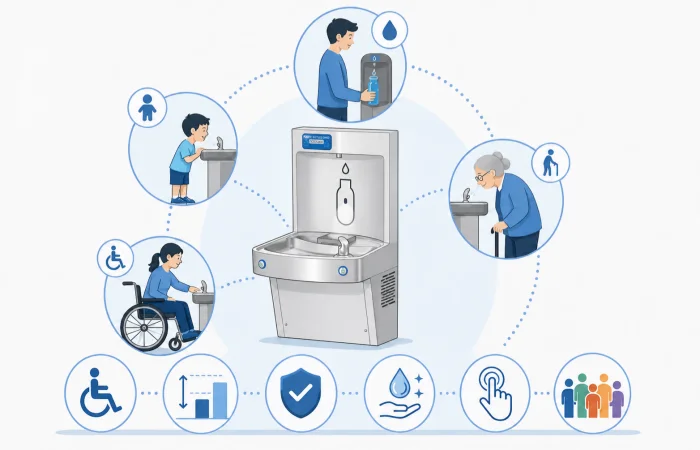
Users differ in their physical abilities, habits, and drinking needs. For public drinking fountains, however, these needs can generally be grouped into four key areas:
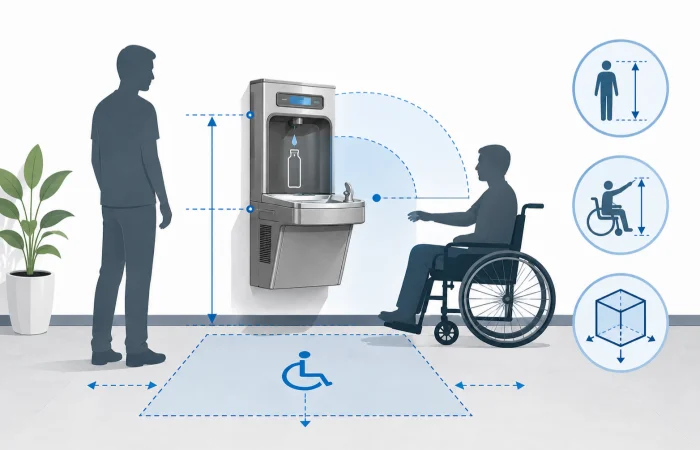
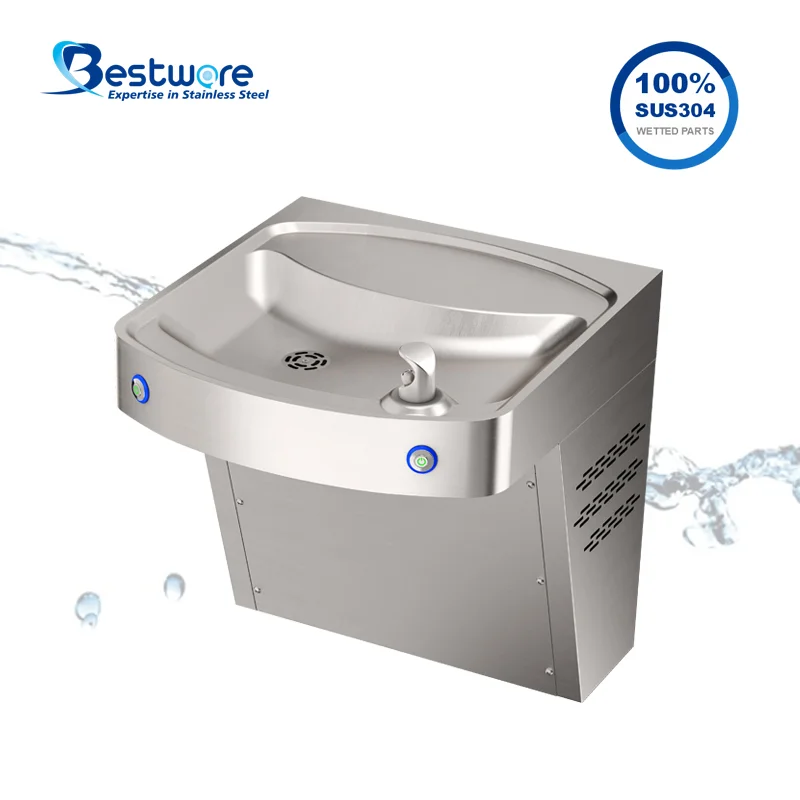
Height is one of the most direct factors affecting the user experience of a public drinking fountain. For adults, a standard ergonomic height can generally provide comfortable access. Children, however, are significantly shorter than adults. If a drinking fountain is designed entirely around adult usage, children may need to stand on tiptoe, raise their heads, or even rely on other objects to drink comfortably. Therefore, schools, children's activity centers, and similar facilities should consider a more appropriate height based on the actual user population. For people with mobility challenges, height is not the only consideration. The space around the fountain also needs to be taken into account. If the area in front of the fountain is too narrow, or if the structure beneath the fountain obstructs access, even a suitably positioned drinking outlet may still make it difficult for wheelchair users to approach the fountain.
Therefore, when planning a public drinking facility, it is important to consider:
· Whether the drinking outlet is positioned at an appropriate height
· Whether users can approach the fountain naturally
· Whether the operating area is easy to reach
· Whether there is sufficient space in front of the fountain
· Whether users need to bend or stretch excessively during operation
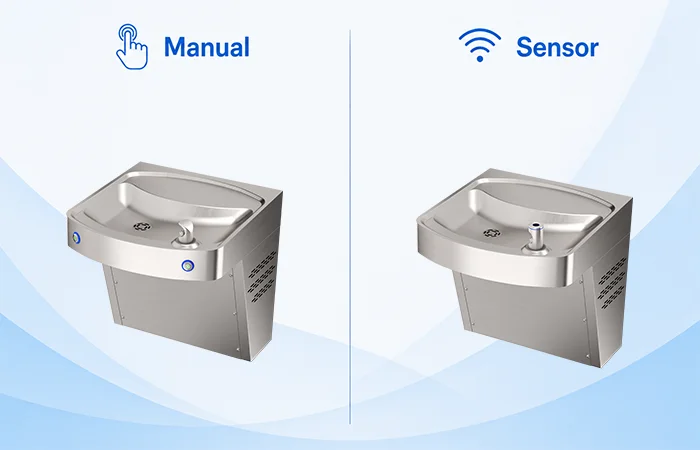
In addition to height and space, the operating method also directly affects the user experience. Public drinking fountains commonly use two operating methods: manual and sensor activation.
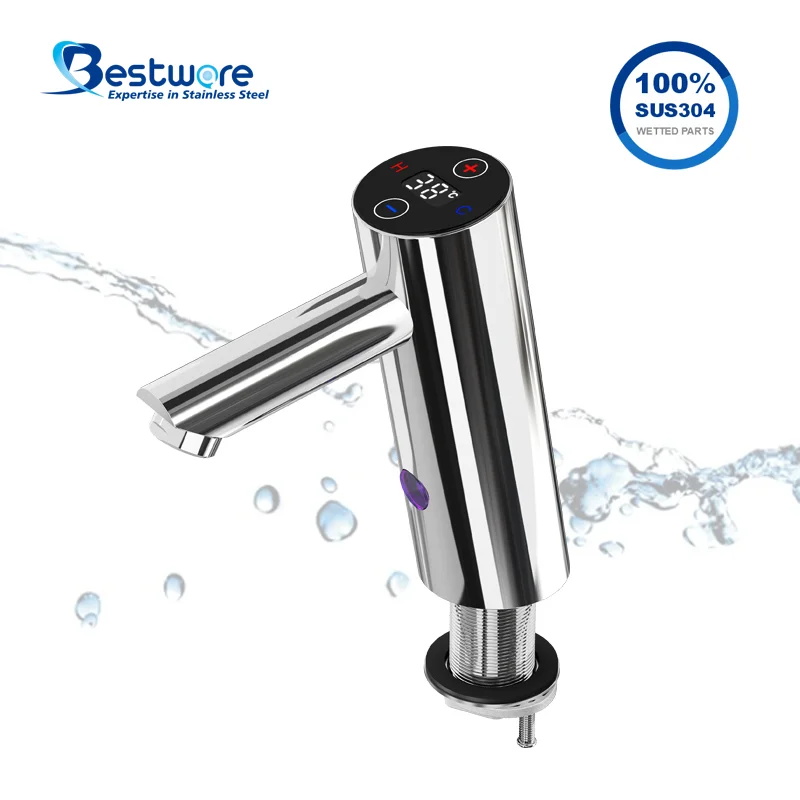
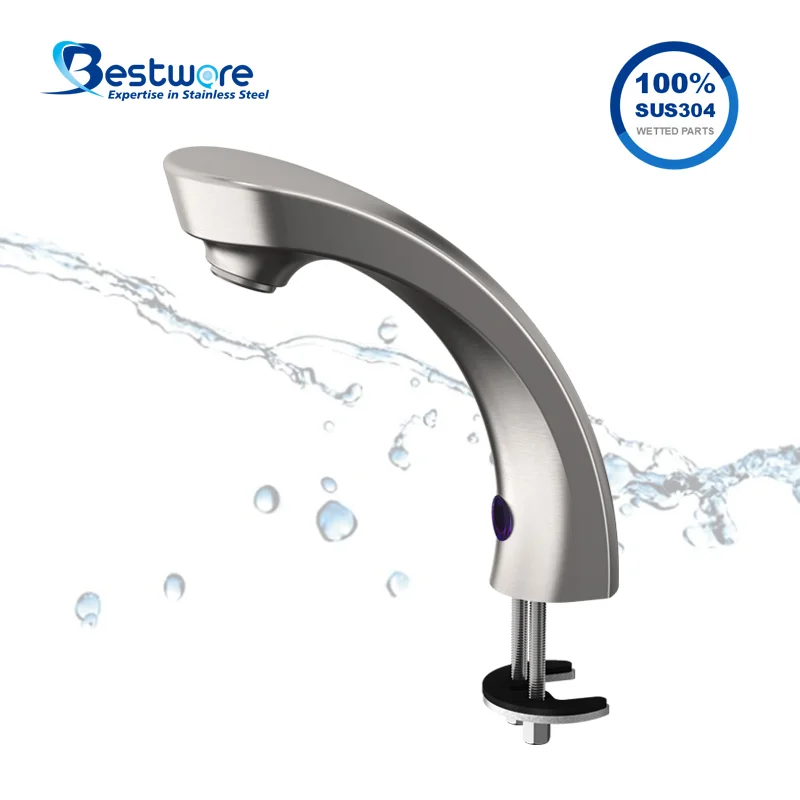
Manual operation is simple and intuitive, allowing users to directly control when the water starts and stops. It is suitable for many traditional public drinking applications. Sensor activation, on the other hand, can reduce direct hand contact with the equipment. Once a user approaches the sensor area, the fountain can automatically activate the water flow, providing a more convenient experience in hospitals, airports, and other high-traffic public spaces.
Neither method is inherently better than the other. The key is whether it is suitable for the specific application. More importantly, when sensor activation is used, the system must also provide reliable sensing performance. Large public buildings may contain various electronic devices and equipment. If the sensing system is susceptible to electromagnetic interference, it may respond slowly or inconsistently, ultimately affecting the user experience.
Therefore, when purchasing a sensor-operated public drinking fountain, it is important to consider not only whether it has sensor activation, but also its response speed, interference resistance, service life of core valve components, and water shutoff protection in abnormal situations.
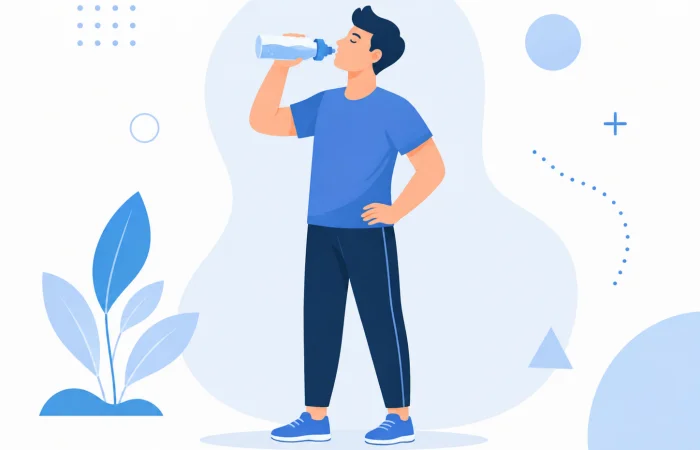
Differences between users are reflected not only in age and physical ability, but also in drinking habits. Some people simply want to take a few drinks directly from the fountain, while others carry reusable bottles or tumblers and prefer to fill them with drinking water.
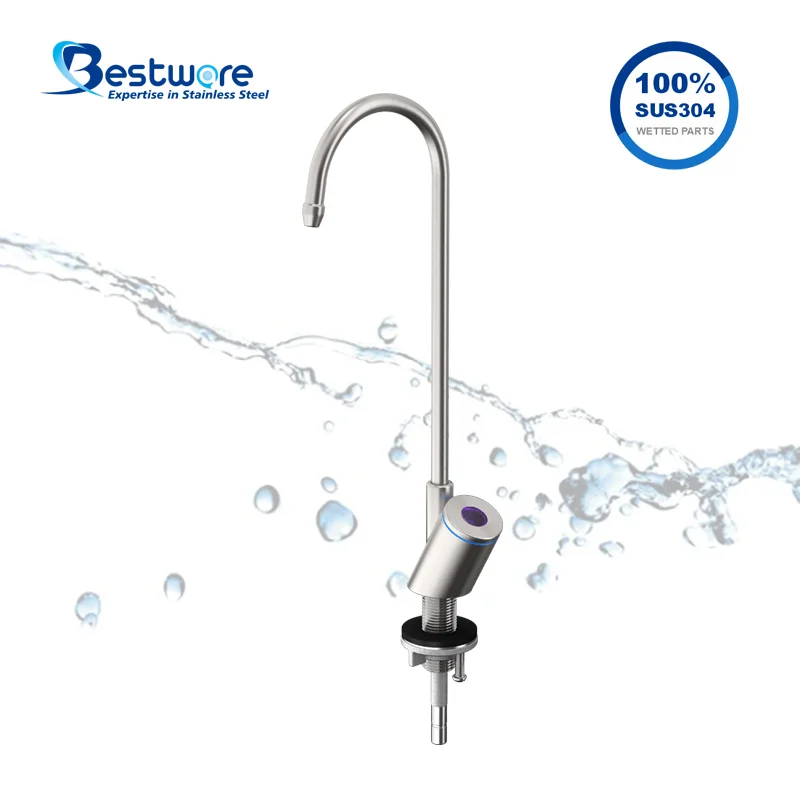
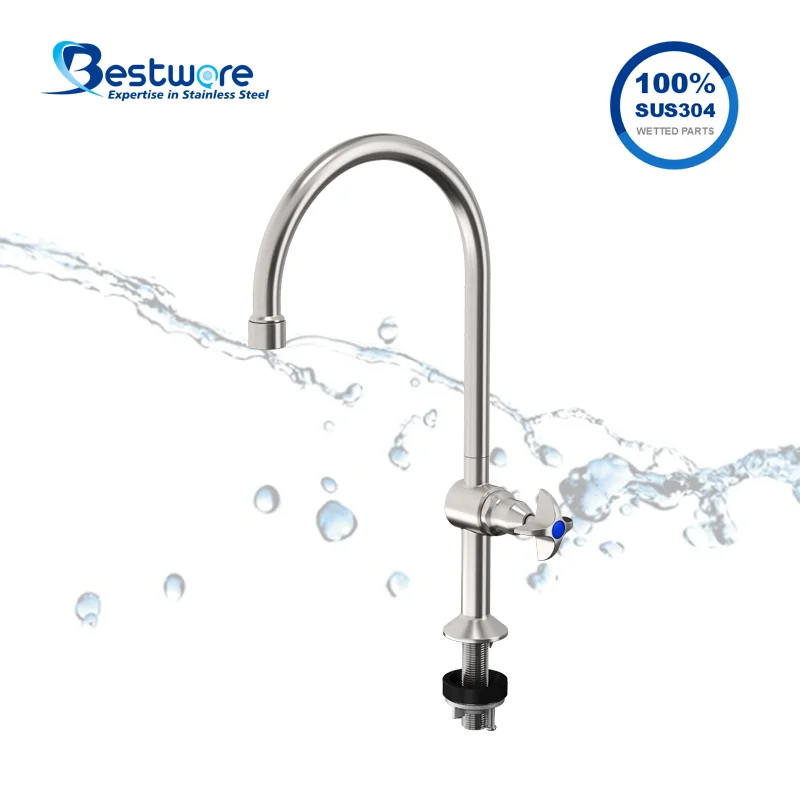
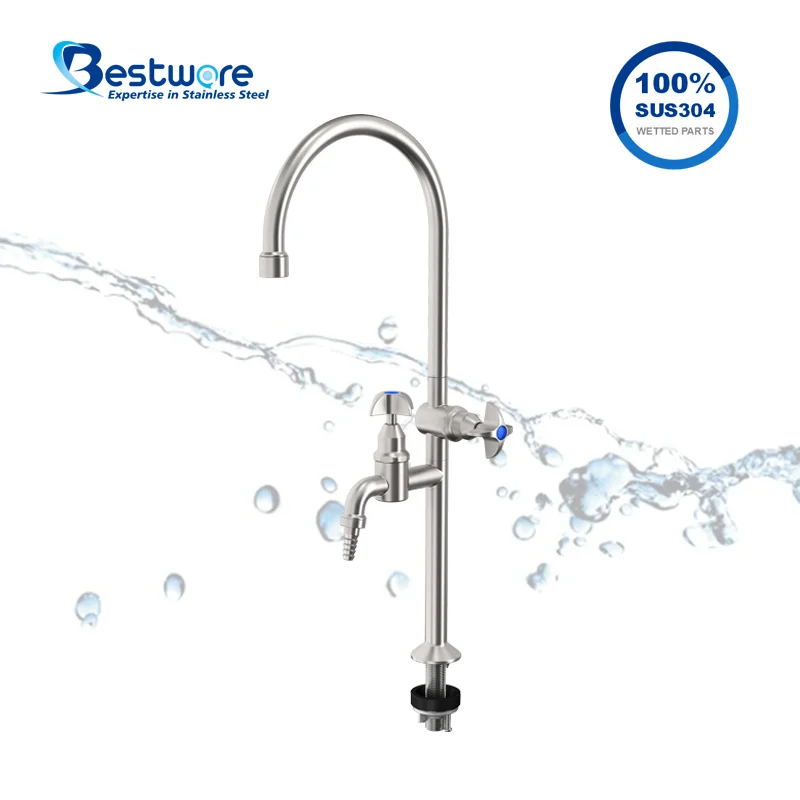
Therefore, modern public drinking facilities need to accommodate bottle filling in addition to direct drinking. For users who want to drink immediately, a drinking faucet remains a simple, direct, and well-established solution. For users carrying bottles, a bottle filling faucet provides a more convenient way to replenish their water. In schools, airports, office buildings, sports venues, and other public spaces, combining drinking and bottle filling functions allows the same facility to serve a wider range of user needs.
This does not mean that bottle filling should replace traditional drinking functions. On the contrary, drinking and bottle filling can complement each other: one serves users who want to drink immediately, while the other meets the needs of users who want to fill their bottles. For public spaces with diverse users and high usage frequency, this combination provides greater flexibility.
The user experience does not end after the few seconds it takes to use the fountain. If the equipment frequently malfunctions, requires extensive maintenance, or cannot maintain good water quality conditions after long periods of inactivity, even a good initial experience cannot make it a truly reliable public drinking facility. Therefore, public drinking fountains also need to be evaluated for long-term performance in terms of hygiene, materials, and core components.
Automatic Flushing to Reduce Hygiene Risks During Long Periods of Inactivity
Public buildings do not maintain the same level of usage throughout the day or year. Schools may see significantly lower usage during holidays, office buildings typically have lower usage at night, and some public facilities may experience extended periods of low usage during holidays or seasonal changes. When a fountain remains unused for an extended period, water may remain stagnant inside the water lines. An automatic flushing function can automatically refresh the stagnant water in the lines after a prolonged period of inactivity, helping reduce hygiene risks associated with stagnant water while also reducing the need for manual maintenance. For facility managers, this design can reduce reliance on manual maintenance and is particularly suitable for public facilities with significant variations between peak and off-peak usage periods.
Durable Materials for High-Frequency Use
Public drinking fountains typically need to operate for long periods and withstand frequent use. As a result, material selection directly affects service life and maintenance costs. Food-grade SUS304 stainless steel offers lead-free, corrosion-resistant, impact-resistant, and easy-to-clean properties, making it suitable for high-frequency environments such as schools, hospitals, and airports. For public facilities, the value of a product should not be judged solely by its performance immediately after installation. It is equally important to consider whether the equipment can maintain stable performance after years of use. Therefore, materials, core valve components, water supply structures, and overall manufacturing quality should all be important considerations when selecting public drinking equipment.

The needs discussed above are not independent of one another. For a public drinking fountain, height and space determine whether users can approach the equipment naturally; the operating method determines whether users can operate it easily; the drinking method determines whether the equipment can accommodate different drinking habits; while materials and core components determine whether the equipment can operate reliably over the long term. Bestware designs its public drinking fountains around these practical needs, providing flexible configurations for different public spaces.
Different projects have different requirements for operating methods and drinking functions.
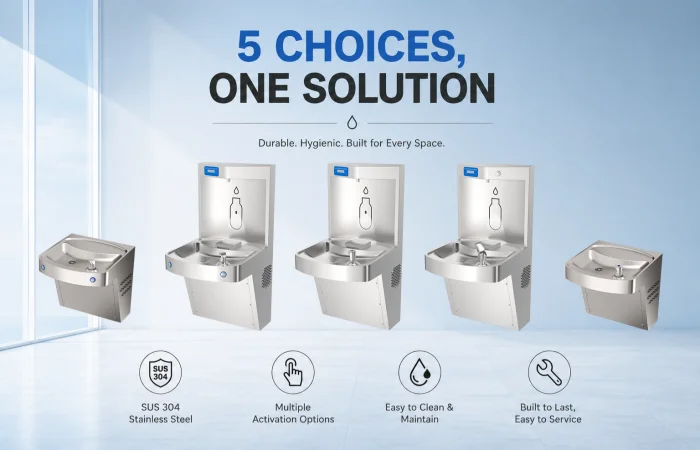
Therefore, Bestware offers multiple configurations, including:
· Manual drinking
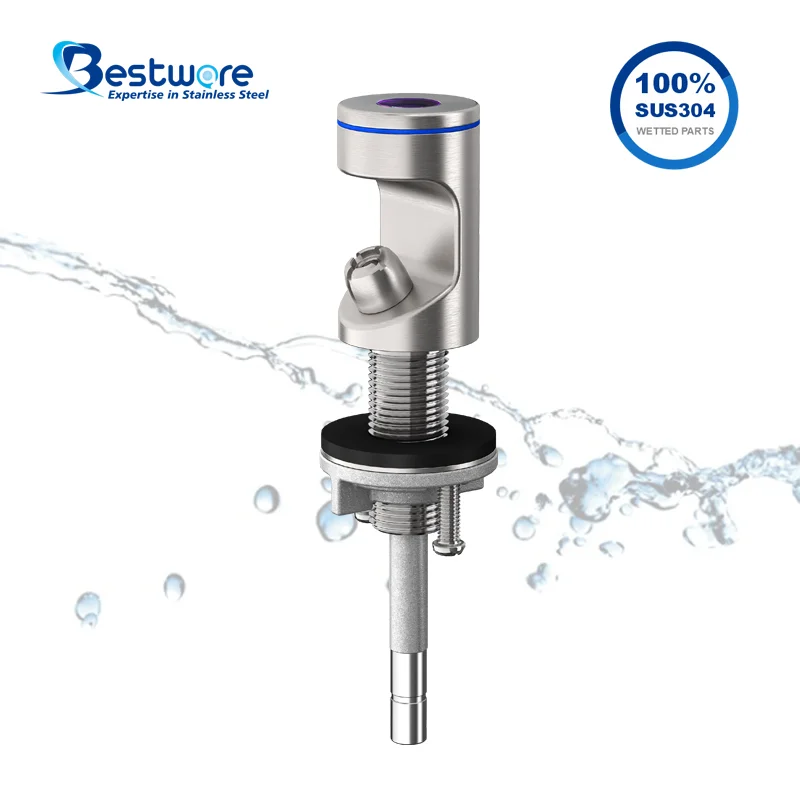
· Sensor drinking
· Manual drinking + sensor bottle filling
· Sensor drinking + sensor bottle filling
· Manual drinking + manual bottle filling
For locations where direct drinking is the primary requirement, a simpler drinking configuration can be selected. For public spaces where both direct drinking and bottle filling are needed, a combined drinking and bottle filling configuration can be used. Rather than simply adding more functions, these configurations allow each project to select the setup that best matches its actual user needs.
For sensor-operated public drinking fountains, sensing stability directly affects the user experience. Bestware uses a solenoid valve design with an interference resistance level of 10 V/m, offering higher interference resistance than the commonly used 3 V/m design requirement, with a fast response time of 0.2 seconds. The core solenoid valve is rated for more than 1 million cycles, making it suitable for long-term, high-frequency use in public spaces. For hospitals, airports, and large public buildings, this design helps the equipment maintain more stable operation in relatively complex electromagnetic environments.
Public drinking fountains need to handle more than normal operating conditions. They also need to account for extended periods of inactivity and abnormal situations. Bestware drinking fountains feature a 24-hour automatic flushing function. When the equipment has not been used for 24 consecutive hours, it automatically performs a 5-second flush to help refresh the stagnant water in the lines. The equipment also features water shutoff protection. In the event of water loss, power failure, or abnormal blockage, the system can automatically stop the water supply, helping reduce risks associated with abnormal operation. These features may not be immediately noticeable to users, but they can have a significant impact on the reliability and ease of maintenance of public facilities over the long term.
Material selection is one of the foundations of long-term reliability in public drinking equipment. Bestware public drinking fountains are made from food-grade SUS304 stainless steel, offering lead-free, corrosion-resistant, durable, and easy-to-clean properties. For public projects, it is more important to consider whether equipment can maintain good structural integrity after years of high-frequency use than to focus solely on its appearance when newly installed. Therefore, from the main body material and core valve components to the overall structural design, Bestware considers the long-term demands of public environments.
A public drinking fountain may appear to be a simple water supply facility, but once installed in schools, hospitals, airports, office buildings, sports venues, and other public spaces, it needs to serve a diverse range of users. Children need drinking outlets and operating areas that are easy to reach, adults need a fast and convenient drinking experience, people with mobility challenges need sufficient access space, users carrying bottles need convenient filling options, and facility managers need equipment that can operate reliably and remain easy to maintain over the long term. Therefore, an excellent public drinking fountain should not simply pursue more functions. Instead, it should combine thoughtful structural design, flexible configurations, and reliable performance to make the equipment easier for a wider range of users to operate. This is at the core of Bestware's approach to public drinking equipment. A good public drinking fountain should not be designed for just one type of user. It should make it easier for everyone to enjoy convenient and comfortable access to drinking water.
One-stop Solution Provider of Stainless Steel Commercial Faucets
Email: business@bestware-stainless.com
after-sales@bestware-stainless.com
Tel: +86 18929047065
WhatsApp: +86 18929047065


WeChat: +86 18929047065


Website: www.bestware-stainless.com(Global Site)
www.bestware-sparkling.com(Water Dispenser)
Add: Block 8, No. 6, Jianda Nan Road, Jiangmen, Guangdong, China
Copyright © Bestware Hardware Production Co., Ltd. All Rights Reserved.
.webp)
(7).webp)
(6).webp)
(5).webp)